Toggle Categories
Get Instant Support
Choose your preferred way to connect with our team
Response Time
Within 8 hours on working days, 24 hours on holidays
Sample Preparation
KinTek sample preparation equipment includes sample crushing,milling, as while as while sieving equipment, hydraulic press equipment includes manual press, electric press, isostatic press, hot press and press filtering machine.

Isostatic Press
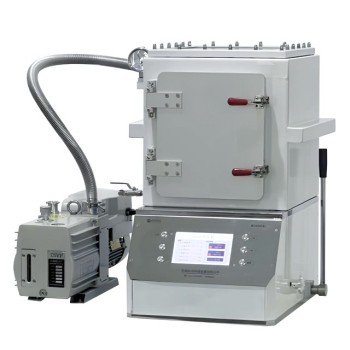
Vacuum Heated Lab Press

Automatic Heated Lab Press

Electric Lab Press

Customer-made Press

Manual Heated Lab Press

Manual Lab Press
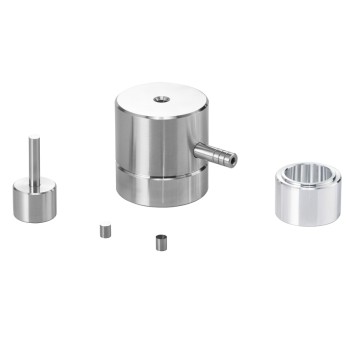
Molds & Accessories
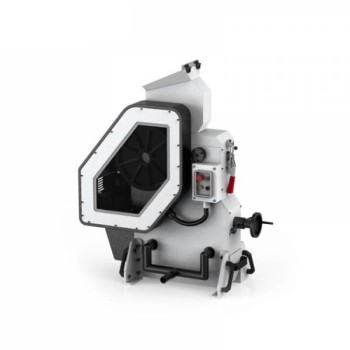
Crushing & Grinding Machine
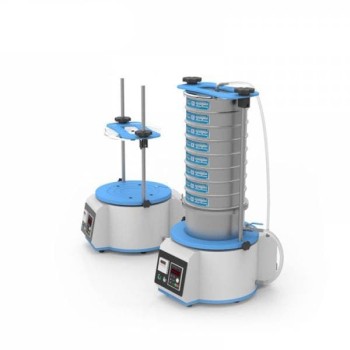
Sieving Machine

Milling Equipment
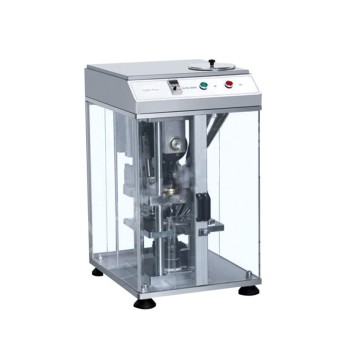
Tablet punching machine
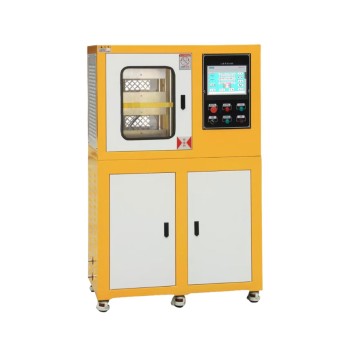
Rubber processing machine
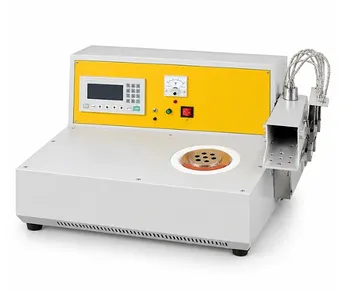
Coal Quality Analyzers

Assay Equipment Accessories & Consumables
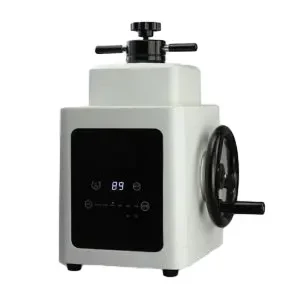
Mounting Machine
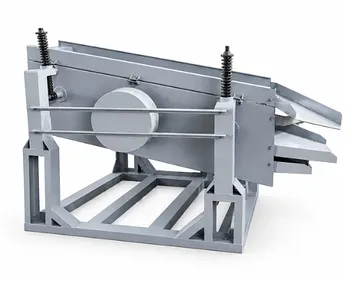
Coal, Coke & Ore Physical Testing
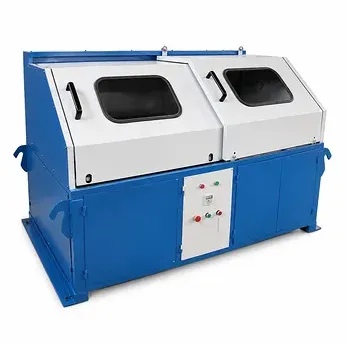
Rod Mill
Thermal Equipment
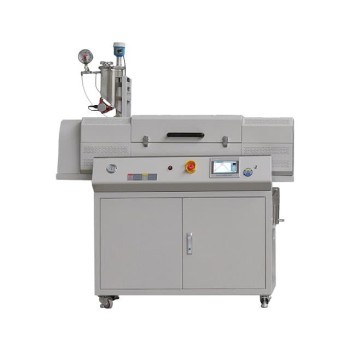
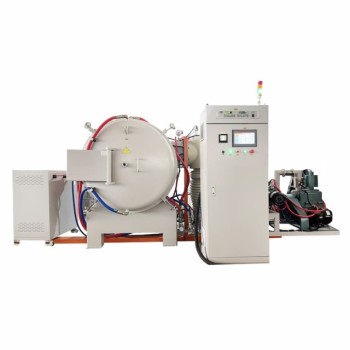
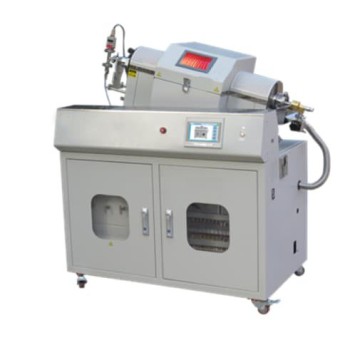
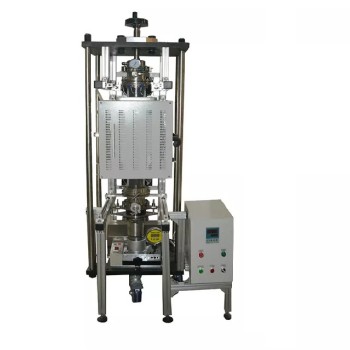
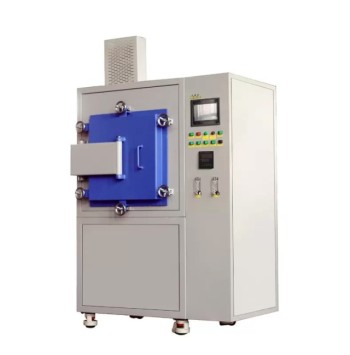
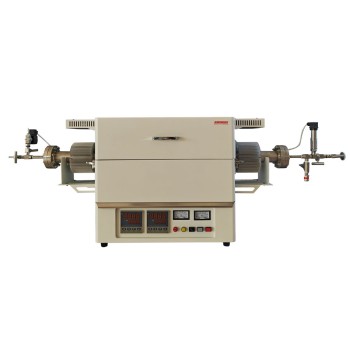
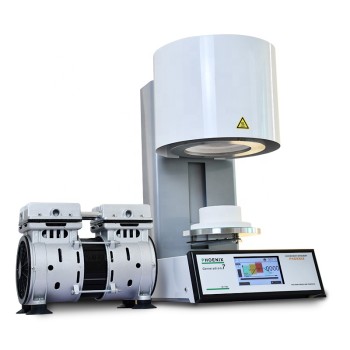
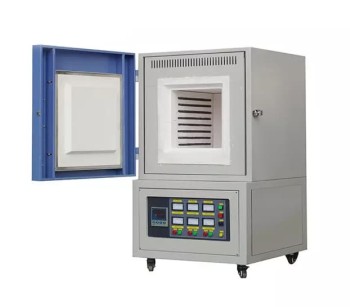
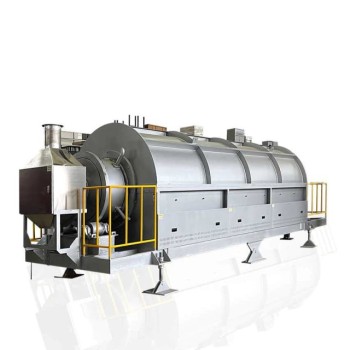
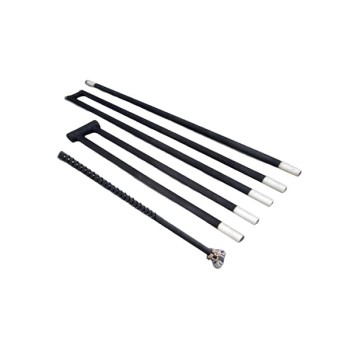
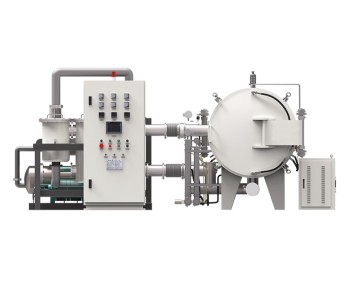
KinTek supplies a broad range of high-temperature furnaces, including lab, pilot production, and industrial production furnaces, with a temperature range of up to 3000 ℃. One of KinTek's advantages is the ability to create custom-made furnaces tailored to specific functions, such as different heating methods and speeds, extra high and dynamic vacuums, controlled atmospheres and gas circuits, automated mechanical structures, and software and hardware development.
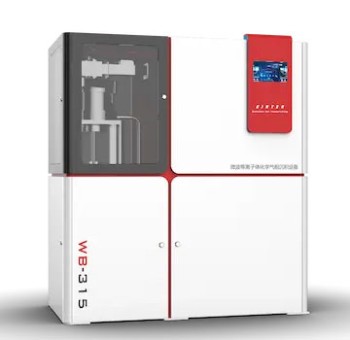

Lab Consumables & Materials
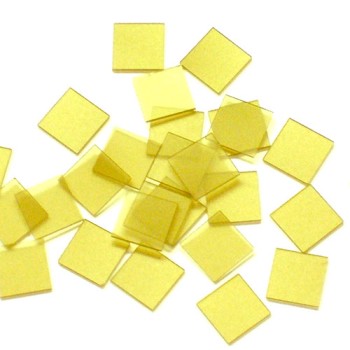
KinTek offers a range of lab consumables and materials, including evaporation materials, targets, metals, electrochemistry parts, as well as powders, pellets, wires, strips, foils, plates, and more.


Bio-Chem Equipment
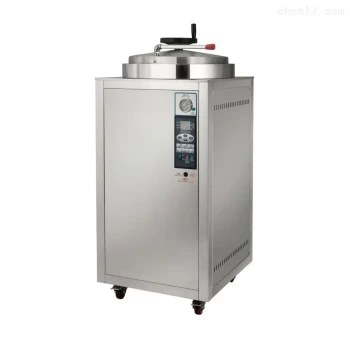
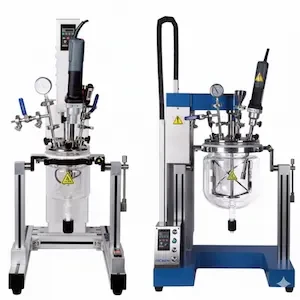
KinTek bio-chem equipment comprises rotary evaporators, glass and stainless steel reactors, distillation systems, circulating heaters and chillers, as well as vacuum equipment.




Products

High Pressure Laboratory Autoclave Reactor for Hydrothermal Synthesis
Item Number: KR-3H
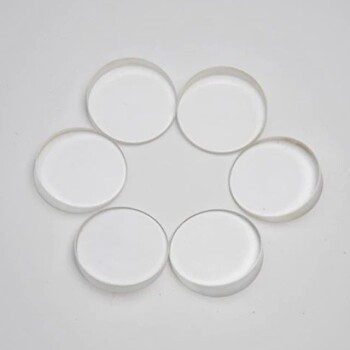
Optical Window Glass Substrate Wafer CaF2 Substrate Window Lens
Item Number: KTOM-CFW

MgF2 Magnesium Fluoride Crystal Substrate Window for Optical Applications
Item Number: KTOM-MFS

Narrow Band Pass Filters for Precision Applications
Item Number: KTOM-NBF
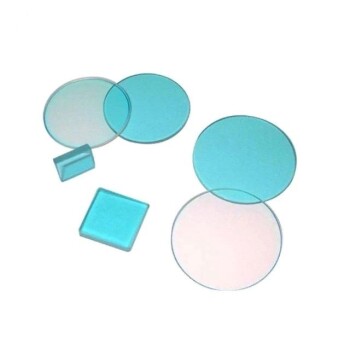
Longpass Highpass Filters for Optical Applications
Item Number: KTOM-LHF

XRD Sample Holder X-ray Diffractometer Powder Slide
Item Number: KTOM-XRD

Shortpass Filters for Optical Applications
Item Number: KTOM-SLS
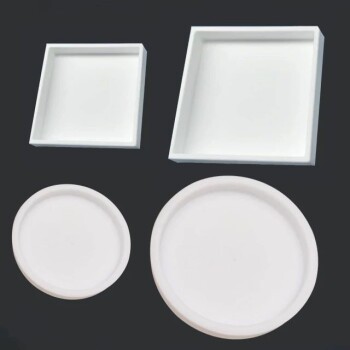
Custom PTFE Teflon Parts Manufacturer for PTFE Containers
Item Number: PTFE-11
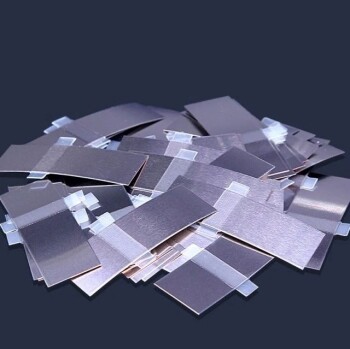
Nickel Aluminum Tabs for Soft Pack Lithium Batteries
Item Number: BC-11

Nickel Foam for Industrial and Laboratory Applications
Item Number: BC-24

Copper Foam
Item Number: BC-25

Custom PTFE Teflon Parts Manufacturer PTFE Beaker and Lids
Item Number: PTFE-16
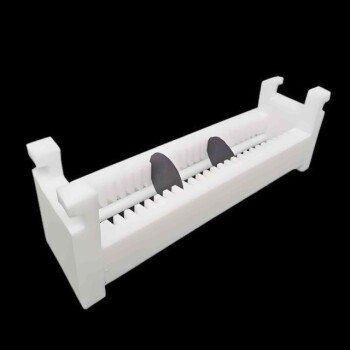
Versatile PTFE Solutions for Semiconductor and Medical Wafer Processing
Item Number: PTFE-18
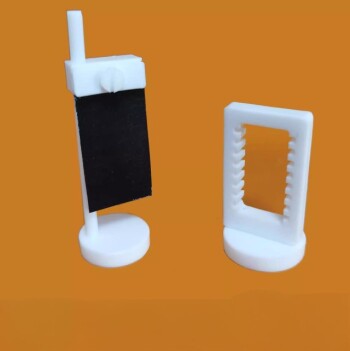
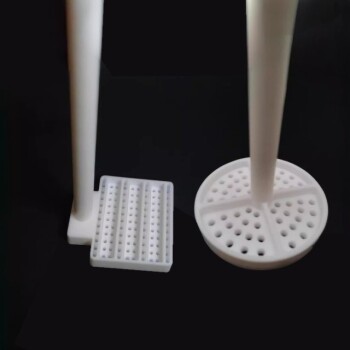

Custom PTFE Teflon Parts Manufacturer for Hollow Cleaning Basket and Rack Carrier
Item Number: PTFE-21



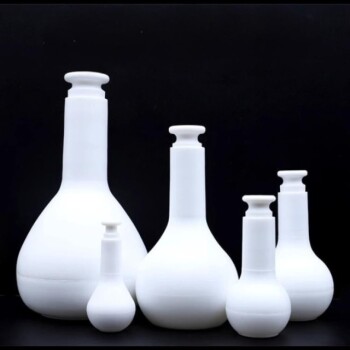
Custom PTFE Teflon Parts Manufacturer for F4 PTFE Volumetric Bottle
Item Number: PTFE-25
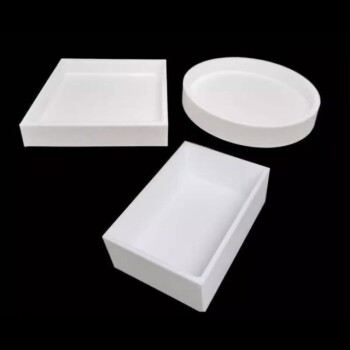
Custom PTFE Teflon Parts Manufacturer for Culture Dish and Evaporation Dish
Item Number: PTFE-26

Custom PTFE Teflon Parts Manufacturer for Magnetic Stirring Bar
Item Number: PTFE-27

Custom PTFE Teflon Parts Manufacturer for PTFE Stirring Bar Recovery Rod
Item Number: PTFE-28

Custom Machined and Molded PTFE Teflon Parts Manufacturer with PTFE Crucible and Lid
Item Number: PTFE-29

Custom PTFE Teflon Parts Manufacturer for PTFE Buchner Funnel and Triangular Funnel
Item Number: PTFE-30

Custom PTFE Teflon Parts Manufacturer F4 Conical Flask Triangular Flask 50 100 250ml
Item Number: PTFE-31

Custom PTFE Teflon Parts Manufacturer for Centrifuge Tubes
Item Number: PTFE-32

Custom PTFE Teflon Parts Manufacturer Grinding Bowl
Item Number: PTFE-33

Custom PTFE Teflon Parts Manufacturer for PTFE Mesh F4 Sieve
Item Number: PTFE-34

Custom PTFE Teflon Parts Manufacturer for PTFE Measuring Cylinder 10/50/100ml
Item Number: PTFE-35
REQUEST A QUOTE
Our professional team will reply to you within one business day. Please feel free to contact us!
Related Articles
It’s Not a 'Bad Batch': Why Your High-Strength Rubber Parts Are Failing Prematurely
Frustrated by rubber components failing? The cause is rarely a 'bad batch.' Learn the real reason and how to select the right material every time.
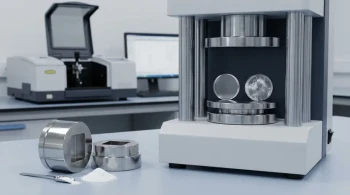
Why Your FTIR/XRF Results Are Inconsistent—And How to Fix It for Good
Stop blaming your spectrometer. Discover the hidden culprit behind inconsistent FTIR/XRF results and learn how to achieve perfect analytical data every time.
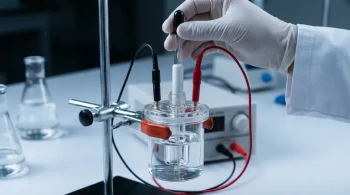
The Invisible Architecture of Accuracy: Mastering Electrode Installation
Master the lifecycle of electrode installation—from inspection to alignment and maintenance—to ensure safety and reproducibility in electrochemical experiments.
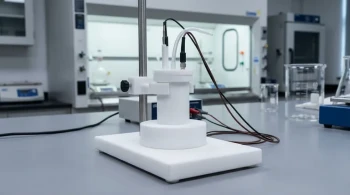
The Geometry of Trust: Stabilizing the Electrochemical Cell
Data integrity begins with physical stability. Learn how to adjust your PTFE electrode stand to master gravity, eliminate vibration, and ensure reproducibility.
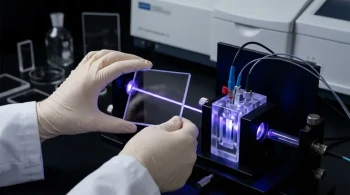
The Fidelity of Light: Preserving the Quartz Interface in Spectroelectrochemistry
The quartz window is the critical interface between your sample and your data. Learn why protecting it from oils, scratches, and solarization is vital for optical accuracy.
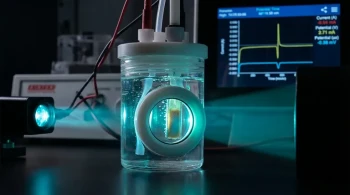
Escaping the Black Box: The Architecture of Insight in Electrochemistry
Unlock the correlation between visible phenomena and electrical data. A deep dive into the engineering and application of side-window optical electrolytic cells.
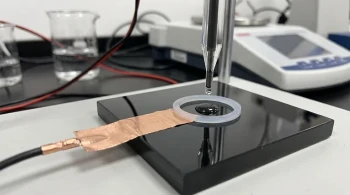
The Invisible Interface: Why Simple Connections Define Complex Chemistry
In electrochemistry, data integrity relies on the physical interface. Discover why the humble copper tape and gasket seal are the true guardians of your results.
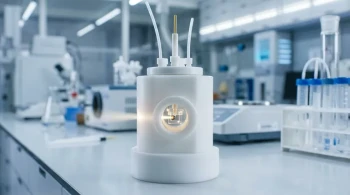
The Fragile Intersection: Mastering the Side-Window Optical Electrolytic Cell
Spectroelectrochemistry combines chemical, electrical, and optical hazards in a delicate vessel. Here is how to master the safety and precision of this complex system.
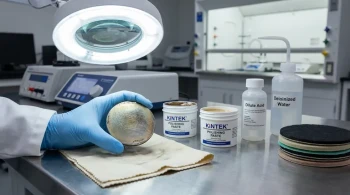
The Silent Interface: Mastery Over Electrode Decay
Electrode failure is rarely sudden; it is the compound interest of neglect. Learn the disciplined maintenance protocols that preserve accuracy and longevity.
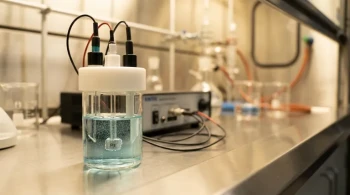
The Architecture of Invisible Containment: Why Material Choice Defines Electrochemical Precision
Explore the strategic engineering behind High Borosilicate Glass and PTFE in electrolytic cells—balancing visibility with absolute chemical inertness.
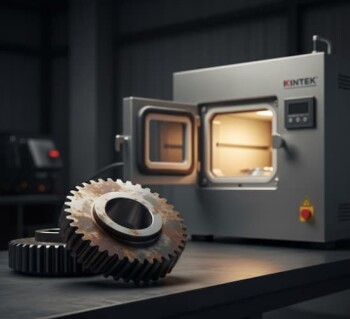
Why Do Your Nickel Alloys Discolor? The Four Hidden Culprits in Your Furnace and How to Defeat Them
Discover the four main causes of nickel-based alloy discoloration during heat treatment and learn how the right lab equipment can ensure flawless results.
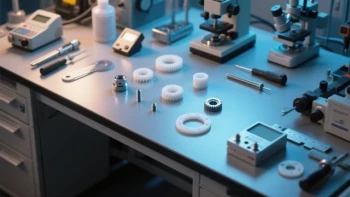
Polytetrafluoroethylene (PTFE): How low friction coefficient promotes industrial progress
Explore the unique advantages of polytetrafluoroethylene (PTFE)'s low coefficient of friction and analyze how it promotes progress and innovation in industrial technology in terms of reducing wear and improving equipment efficiency.
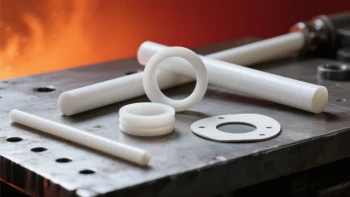
Performance and application of polytetrafluoroethylene (PTFE) in high temperature environment
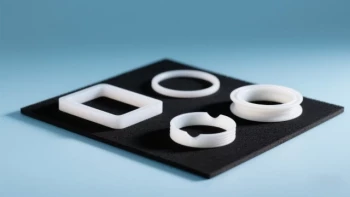
PTFE seals: the invisible guardian of industrial leakage prevention
PTFE Seals are used to prevent liquid or gas leakage and are widely used in valves, pumps, and piping systems.
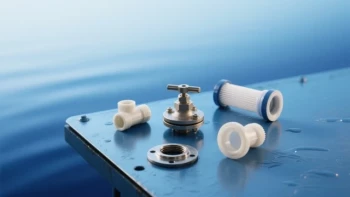
PTFE's high temperature and corrosion resistance: Why it is indispensable in industry
The unique advantages of polytetrafluoroethylene (PTFE) in high temperature and corrosion resistance analyze why it has become an indispensable material in industry, especially in applications in harsh environments.
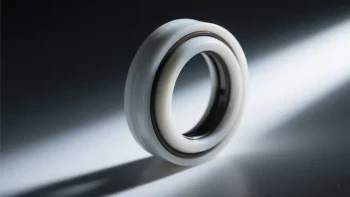
Innovative Application of PTFE in Mechanical Seals
PTFE has become one of the core materials in the field of mechanical seals due to its unique chemical stability, low friction coefficient (0.04-0.15), wide temperature range (-268°C to +315°C) and excellent corrosion resistance (pH 0-14).
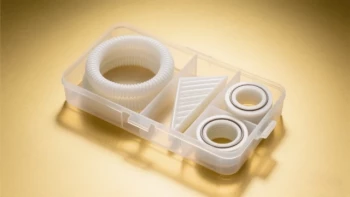
The key role of PTFE in semiconductor manufacturing: from gas pipelines to electrical insulation
From high-purity gas delivery pipelines to precision electrical insulation components, the multi-faceted application of PTFE in the semiconductor industry chain provides important guarantees for the purity, stability and reliability of the manufacturing process.
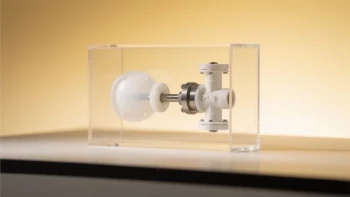
How to use PTFE to improve the working efficiency of pumps and valves
Polytetrafluoroethylene (PTFE) has become a key material for improving the efficiency of pumps and valves due to its unique physical and chemical properties.
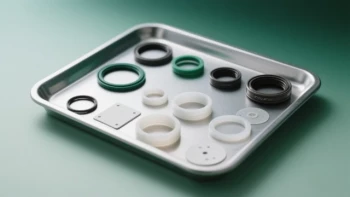
PTFE gasket: an all-around solution for flange sealing
Polytetrafluoroethylene (PTFE) gaskets have become an ideal choice in the field of flange sealing due to their unique chemical stability and high temperature resistance.
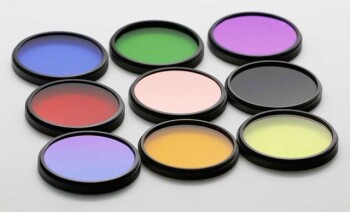
Understanding Optical Filters
An overview of optical filters, their types, and applications.