Introduction to Warm Isostatic Pressing
Warm Isostatic Pressing (WIP) is a manufacturing process that subjects materials to high pressure and high temperature simultaneously. The process involves using an isostatic press to apply uniform pressure to the material from all directions while it is heated to a specific temperature. This process is used to improve the properties of materials such as reducing porosity, increasing density, and improving the mechanical properties of the material. Warm Isostatic Pressing is useful for a wide range of materials, including metal, ceramics, and polymers. It is a versatile process that can be used to manufacture complex parts with high precision.
Table of Contents
Benefits of Warm Isostatic Pressing
Warm isostatic pressing (WIP) is a pressure treatment method that is widely used in various industries due to its numerous benefits. Here are some significant advantages of using WIP:
1. Improved material properties
WIP can create high-density and uniform materials with improved mechanical properties, including increased resistance to wear and tear. This results in products that are stronger, more durable and can withstand even the most demanding applications.
2. Ability to create complex shapes and intricate designs
WIP can be used to create complex shapes and intricate designs that would be difficult or impossible to achieve with other manufacturing methods. This makes it an ideal choice for industries such as aerospace, automotive, and medical, where precision and uniformity are critical.
3. Refurbishment and repair of parts
WIP can be used to refurbish or repair parts that have been damaged or worn over time. This can save time and money in replacement costs, while also extending the life of the product.
4. Uniformity in pressure and temperature distribution
WIP creates uniform pressure and heat distribution throughout the material, resulting in a consistent density and strength. This is achieved by carefully controlling the temperature, pressure, and time of the process using specialized equipment and experienced technicians.
5. Improved surface finish
WIP can produce a smoother surface finish compared to other manufacturing methods. This is due to the uniform pressure and heat distribution that results in a more consistent product.
In conclusion, the benefits of warm isostatic pressing are numerous and make it an ideal choice for industries that require high-precision and uniformity in their products. With its ability to create complex shapes, improve material properties, and refurbish parts, WIP has revolutionized the manufacturing industry and enabled the production of high-quality products that can withstand even the most demanding applications.
Materials Suited for Warm Isostatic Pressing
Warm isostatic pressing (WIP) is an effective method of applying uniform pressure to materials, which can improve their strength and density. WIP can be used with a range of materials, including ceramics, metals, and composites. However, it is important to choose materials that can withstand high temperatures and pressures without distorting or cracking.
Ceramics
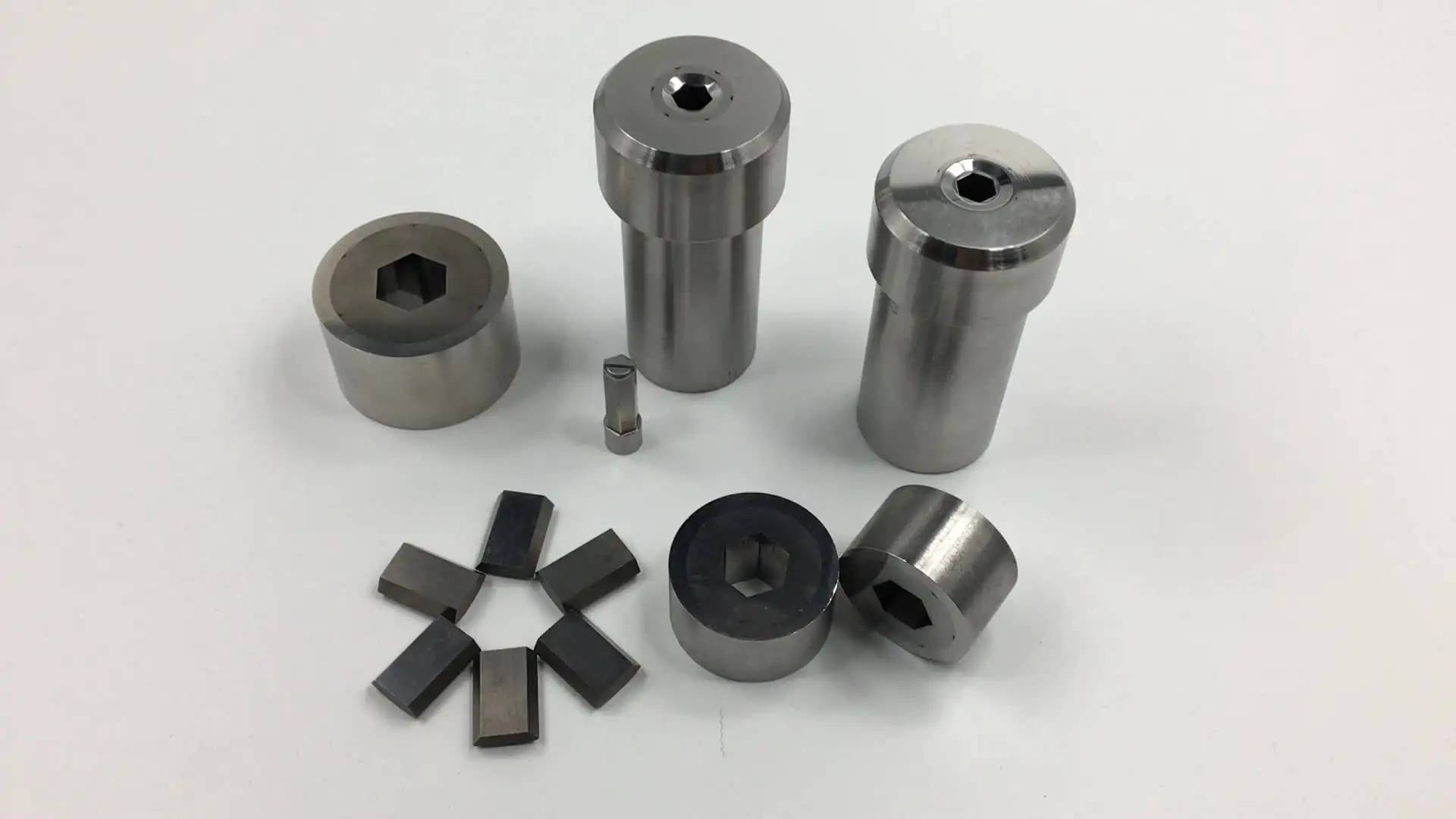
Ceramics are commonly used in WIP due to their excellent high-temperature properties, such as high strength, hardness, and wear resistance. Ceramic materials that are suitable for WIP include alumina, zirconia, silicon carbide, and silicon nitride.
Metals
Metals can also be used in WIP, especially those with a fine-grained microstructure. Some examples of metals used in WIP include titanium alloys, nickel-based superalloys, and high-speed tool steel. Metals that are suitable for WIP generally have high melting points, good ductility, and excellent mechanical properties.
Composites
Composites, which are materials made of two or more different materials, can also be used in WIP. Composites are often used in the aerospace industry due to their high strength-to-weight ratio. Examples of composites that are suitable for WIP include carbon fiber reinforced polymer (CFRP), glass fiber reinforced polymer (GFRP), and metal matrix composites (MMCs).
Material Selection
The choice of material for WIP will depend on the specific application and the desired properties of the final product. It is important to consider factors such as the material's melting point, strength, ductility, thermal conductivity, and resistance to corrosion and wear. Additionally, the particle size, shape, and distribution of the material can also affect the compaction and uniformity of the WIP process.
In conclusion, WIP can be used with a range of materials including ceramics, metals, and composites. When selecting materials for WIP, it is important to choose those that can withstand high temperatures and pressures without distorting or cracking. The choice of material will depend on the desired properties of the final product and various material properties such as melting point, strength, ductility, and thermal conductivity.
Equipment and Tools Required
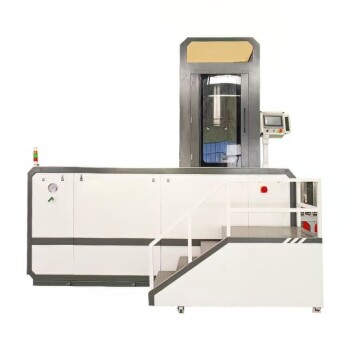
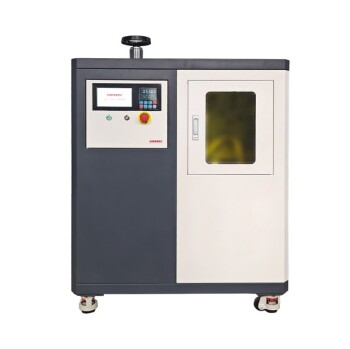
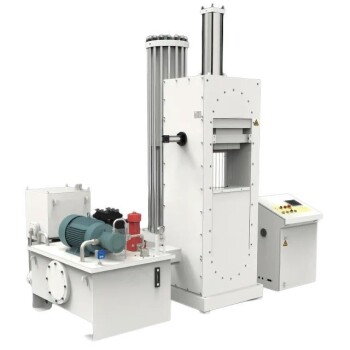
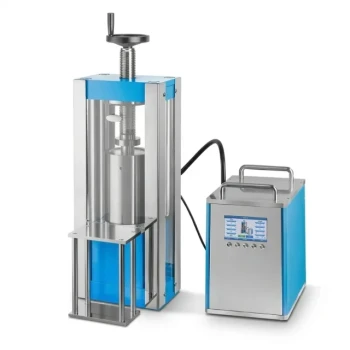
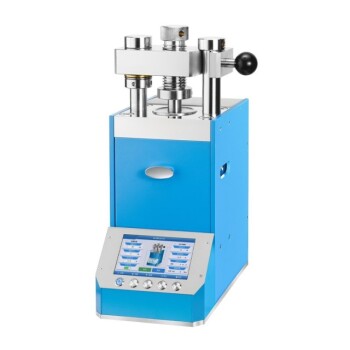
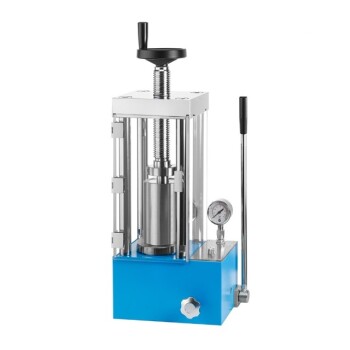
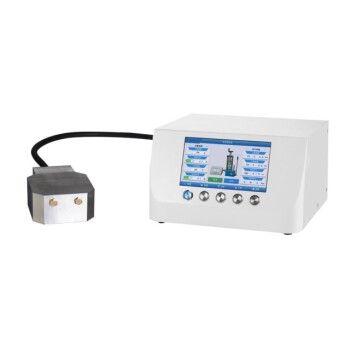
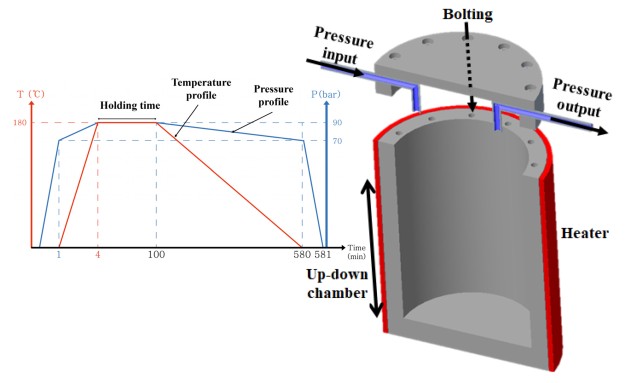
Achieving uniform pressure with Warm Isostatic Press (WIP) requires specific equipment and tools. The most important piece of equipment is the isostatic press itself, which is a high-pressure vessel capable of withstanding extreme temperatures and pressures. The vessel is filled with a pressurizing medium, such as argon or nitrogen, which is heated to the desired temperature. The material to be processed is placed inside the vessel and subjected to the pressurizing medium. The pressure is applied uniformly in all directions, ensuring uniformity of the material's density.
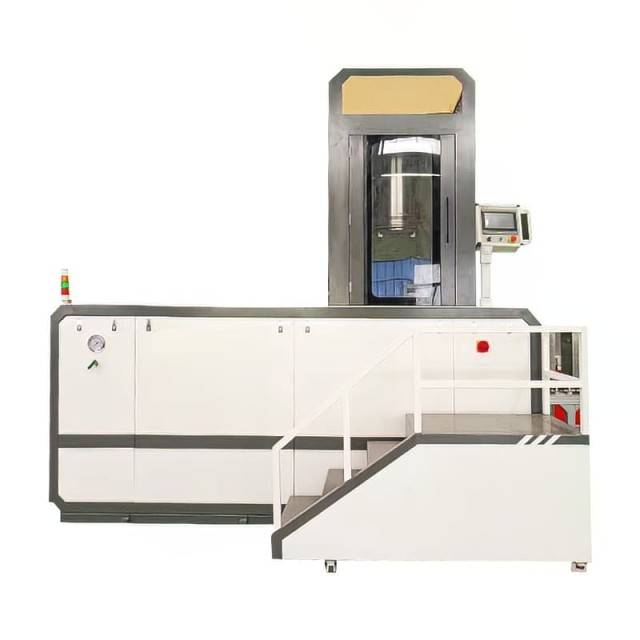
Isostatic Press
The isostatic press is a crucial piece of equipment that applies uniform pressure to materials at high temperatures and high pressures in a sealed container. The press is capable of withstanding extreme temperatures and pressures and is filled with a pressurizing medium, such as argon or nitrogen, which is heated to the desired temperature. The material to be processed is placed inside the vessel and subjected to the pressurizing medium. The pressure is applied uniformly in all directions, ensuring uniformity of the material's density.
Temperature Control System
A temperature control system is required to maintain the temperature at the desired level throughout the processing cycle. The temperature control system ensures that the temperature is maintained within the specified range, which is critical for achieving uniform pressure.
Pressure Sensors
Pressure sensors are used to monitor the pressure within the isostatic press. The sensors ensure that the pressure is maintained within the desired range, which is essential for achieving uniform pressure. The sensors also help to detect any fluctuations in pressure and alert the operator to take corrective action.
Vacuum Pump
A vacuum pump is used to remove any air from the isostatic press before processing. The removal of air ensures that the material is not affected by any trapped gas, which could result in voids. The pump is also used to remove excess pressurizing medium from the press after processing.
Molds
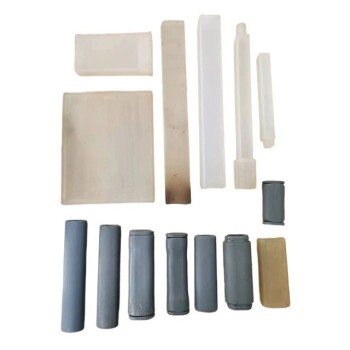
Molds are used to provide the shape to the object being processed. The mold is typically made of elastomeric material and is filled with the material to be processed. The mold is then placed inside the isostatic press and subjected to the pressurizing medium. The pressure is applied uniformly in all directions, ensuring uniformity of the material's density.
The equipment and tools required for achieving uniform pressure with WIP are essential to the process. With the proper equipment and tools, WIP is a highly effective processing method for producing high-quality materials with uniform properties.
Advantages of Uniform Pressure
Uniform pressure is a critical factor when it comes to achieving high-quality components with warm isostatic pressing (WIP). The following are some of the key advantages of achieving uniform pressure with WIP:
1. Enhanced Strength and Durability
Achieving uniform pressure with WIP ensures that the material is fully densified, eliminating any voids or defects that might compromise its strength or durability. Uniform pressure allows for a more precise and consistent distribution of the material, ensuring that it is densified to the required level.
2. Greater Precision and Complex Shapes
Uniform pressure allows for greater precision in the creation of intricate shapes and structures, making it an ideal process for the production of high-performance components used in aerospace, medical, and other industries. WIP is particularly advantageous because it allows for the creation of complex shapes and structures that are difficult to achieve with other methods.

3. Improved Properties of Existing Materials
WIP can be used to improve the properties of existing materials, such as enhancing the fatigue resistance of metal alloys. The uniform pressure achieved with WIP allows for a more precise distribution of the material, which can enhance its properties.
4. Cost-Effective
WIP is a cost-effective manufacturing process that reduces the need for additional machining and finishing operations. The process allows you to achieve a near-net shape, reducing the amount of material that is wasted during the manufacturing process.
5. Versatile
WIP is a versatile manufacturing process that can be used to create a wide range of components. The process is suitable for a variety of materials, including metals, ceramics, and composites. It is also ideal for producing components of varying sizes, from small intricate parts to large components.
In conclusion, achieving uniform pressure with WIP is a key factor in the process's success and one that makes it an attractive option for manufacturers looking to produce high-quality, complex components. The advantages of uniform pressure include enhanced strength and durability, greater precision and complex shapes, improved properties of existing materials, cost-effectiveness, and versatility.
Applications of Warm Isostatic Pressing
Warm isostatic pressing (WIP) is a powerful tool in materials science that is used to achieve uniform pressure on a variety of materials, including ceramics, composites, and metals. By using WIP, manufacturers can achieve precise control over the shape and properties of their materials, making it a valuable tool for a wide range of applications. Here are some common applications of WIP:
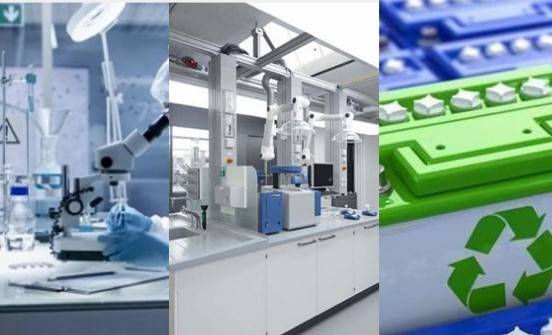
Aerospace Components
Aerospace components, such as turbine blades, require high precision and uniformity to function properly. WIP can be used to create these components with a high degree of accuracy and consistency, ensuring they function correctly and safely.
Medical Implants
Medical implants need to be biocompatible and have specific mechanical properties to work correctly within the human body. WIP can be used to create these implants with the precise shape, size, and properties required for their intended use.
Powder Metallurgy
Powder metallurgy involves the creation of metal parts from powdered metal. WIP can be used to create these parts with high density and uniformity, resulting in parts with improved mechanical properties and longer lifetimes.
Ceramics
Ceramics are used in a wide range of applications, from dinnerware to rocket nose cones. WIP can be used to create ceramics with high precision and uniformity, resulting in parts with improved mechanical properties and greater durability.
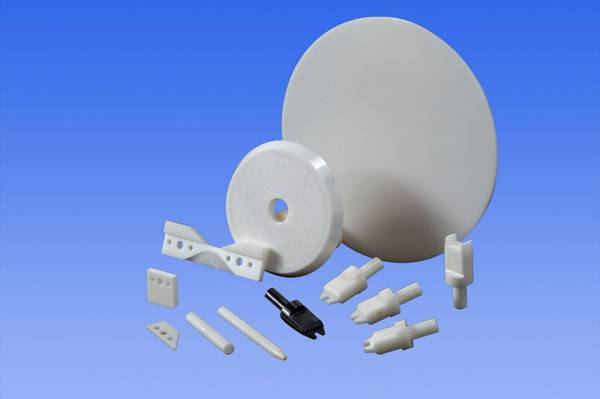
Overall, WIP is a powerful tool for achieving uniform pressure and shaping a variety of materials, and its versatility and precision make it an important technology in the field of materials science.
Conclusion
Warm isostatic pressing is a reliable and effective method for achieving uniform pressure in the manufacturing of different materials. It provides a cost-effective and efficient way of producing high-quality, dense, and complex parts with excellent mechanical properties. The process involves the use of specialized equipment and tools, which are designed to handle high temperatures and pressures. Warm isostatic pressing is suitable for a wide range of applications, including aerospace, automotive, medical, and energy industries. By utilizing warm isostatic pressing, manufacturers can improve the quality and consistency of their components, ultimately leading to increased efficiency and profitability.
Related Products
- Warm Isostatic Press WIP Workstation 300Mpa for High Pressure Applications
- Warm Isostatic Press for Solid State Battery Research
- Cold Isostatic Pressing Machine CIP for Small Workpiece Production 400Mpa
- Electric Lab Cold Isostatic Press CIP Machine for Cold Isostatic Pressing
- Electric Split Lab Cold Isostatic Press CIP Machine for Cold Isostatic Pressing
Related Articles
- Choosing the Right Warm Isostatic Press: Key Factors to Consider
- A Guide to Choosing the Right Temperature for Warm Isostatic Press
- WIP – Warm Isostatic Press Equipment: Design, Features, and Benefits
- Exploring the Capabilities and Applications of Warm Isostatic Pressing (WIP)
- Warm Isostatic Pressing for High-Density and Low-Defect Materials