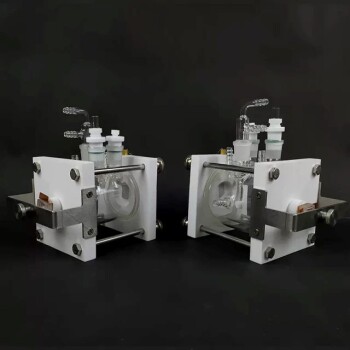
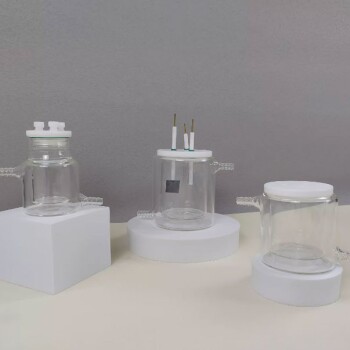
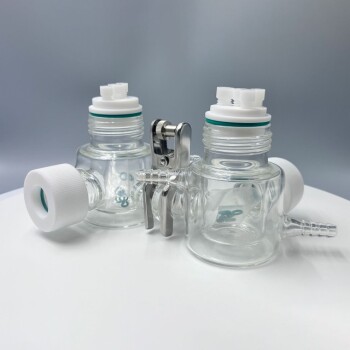
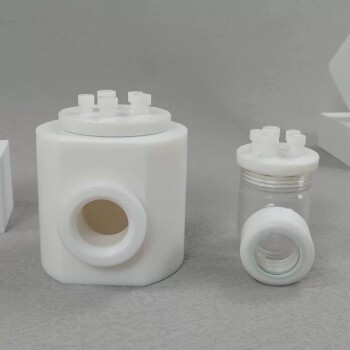
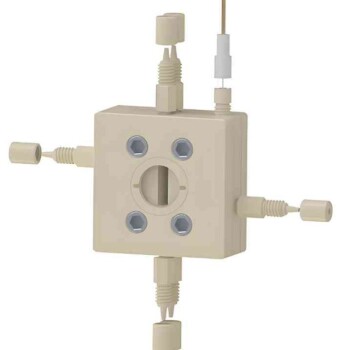
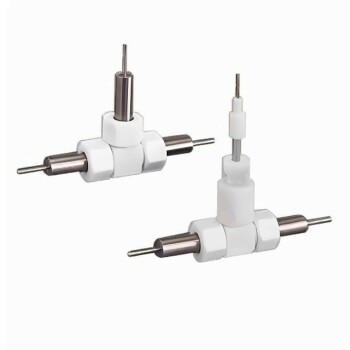
Electrolytic cells facilitate alloying primarily by electrically stripping away surface oxides. By applying a specific negative reduction potential to a liquid metal droplet, the cell eliminates the resistive oxide layer that naturally forms on the surface. This removal drastically changes the surface properties, allowing the liquid metal to physically absorb solid precursor particles that would otherwise be repelled.
The core mechanism is the electrochemical removal of the oxide barrier. By applying a negative reduction potential, you trigger an "engulfment effect," forcing the liquid metal to wet and absorb solid particles to create high-performance alloys.
The Mechanism of Electrochemical Alloying
The Barrier of Oxidation
Under normal conditions, liquid metals form a thin oxide layer on their surface. This "skin" acts as a physical barrier.
It prevents the liquid metal from interacting with or accepting other materials. Before alloying can occur, this layer must be neutralized.
Applying Reduction Potential
The electrolytic cell overcomes this by applying a significant negative reduction potential.
This electrical force is targeted specifically at the oxidized surface. It chemically reduces the oxide, effectively erasing the barrier.
Enhanced Wettability
Once the oxide layer is eliminated, the behavior of the liquid metal changes.
The process significantly enhances the wetting characteristics of the metal. Instead of repelling solid particles, the liquid metal surface becomes receptive to them.
The Engulfment Effect
With the barrier gone and wettability increased, the liquid metal substrate undergoes an engulfment-like effect.
It surrounds the solid precursor particles. The liquid metal absorbs these particles into its bulk, successfully forming a unified alloy.
Critical Considerations
Catalyst Performance
The primary advantage of this method is the quality of the resulting material.
The text indicates that alloys created via this absorption method often exhibit enhanced chemical or catalytic performance. This suggests the method is particularly suited for high-value applications where surface activity is crucial.
Process Dependency
Success relies entirely on the continuous application of the reduction potential.
If the potential is insufficient to reduce the specific oxide of the metal being used, wetting will not occur. The solid particles will remain on the outside, and the alloy will fail to form.
Optimizing the Alloying Process
To leverage this technique effectively, focus on the specific goals of your material synthesis:
- If your primary focus is alloy homogeneity: Ensure the negative reduction potential is sufficient to completely eliminate the oxide layer, allowing for total engulfment of the solid particles.
- If your primary focus is catalytic efficiency: Utilize this method to integrate solid precursors that are known to boost chemical performance when suspended in a liquid metal substrate.
By using electricity to remove the oxide defense, you transform the liquid metal from a passive droplet into an active host for advanced material creation.
Summary Table:
| Mechanism Phase | Action Taken | Physical Result |
|---|---|---|
| Oxidation Barrier | Natural oxide skin forms | Prevents material absorption and wetting |
| Reduction Potential | Apply negative electrical force | Chemically erases the resistive oxide layer |
| Enhanced Wettability | Oxide removal | Liquid metal becomes receptive to solid particles |
| Engulfment Effect | Physical absorption | Solid precursors are internalized into a unified alloy |
| Final Outcome | Controlled synthesis | High-performance alloy with enhanced catalytic activity |
Elevate Your Material Research with KINTEK Precision
Unlock the full potential of electrochemical alloying with KINTEK’s advanced laboratory solutions. Whether you are investigating liquid metal dynamics or developing high-performance catalysts, our specialized electrolytic cells and electrodes provide the precise electrical control needed to overcome oxidation barriers and achieve superior alloy homogeneity.
From high-temperature furnaces and vacuum systems to high-pressure reactors and battery research tools, KINTEK delivers the comprehensive equipment and consumables—including PTFE products, ceramics, and crucibles—required for cutting-edge material science.
Ready to optimize your alloying process? Contact our technical experts today to discover how KINTEK can enhance your lab's efficiency and innovation.
References
- Karma Zuraiqi, Torben Daeneke. Liquid Metals in Catalysis for Energy Applications. DOI: 10.1016/j.joule.2020.10.012
This article is also based on technical information from Kintek Solution Knowledge Base .
Related Products
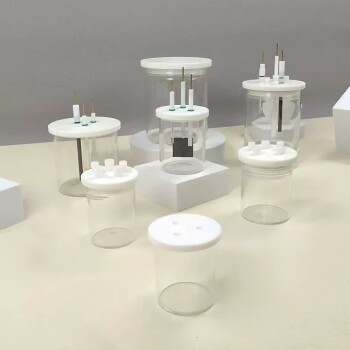
- PTFE Electrolytic Cell Electrochemical Cell Corrosion-Resistant Sealed and Non-Sealed
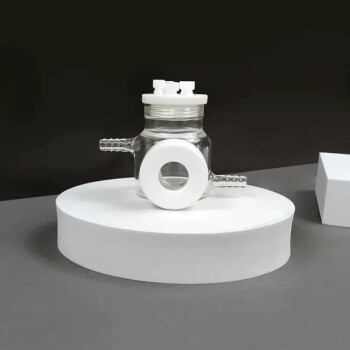
- Super Sealed Electrolytic Electrochemical Cell
- Electrolytic Electrochemical Cell with Five-Port
- H Type Electrolytic Cell Triple Electrochemical Cell
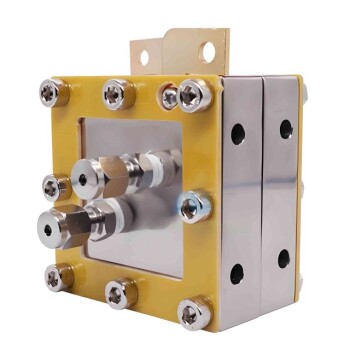
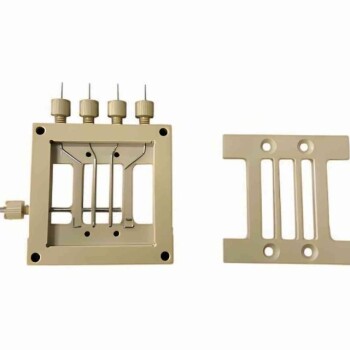
- Electrolytic Electrochemical Cell Gas Diffusion Liquid Flow Reaction Cell
People Also Ask
- What is the necessity of selecting a PTFE electrolytic cell? Ensure Precise Graphene Corrosion Testing Accuracy
- What is the proper method for cleaning the surface of an all-PTFE electrolytic cell? Ensure Accurate Results with a Pristine Surface
- How should an all-PTFE electrolytic cell be stored after use? Expert Maintenance Tips for Long-Lasting Performance
- What is the proper cleaning method for an all-PTFE electrolytic cell? Essential Tips for Surface Integrity
- What are the standard opening specifications for all-PTFE electrolytic cells? A Guide to Sealed vs. Non-Sealed Ports