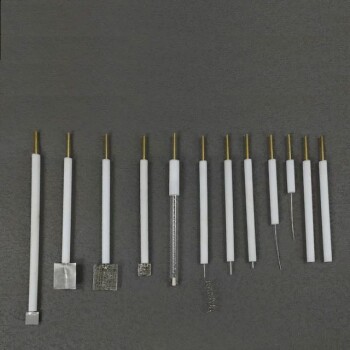
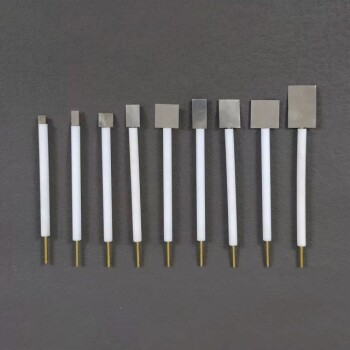
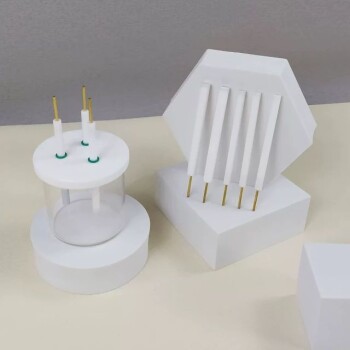
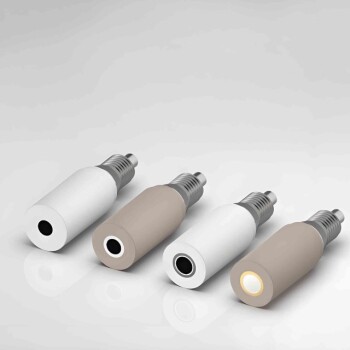
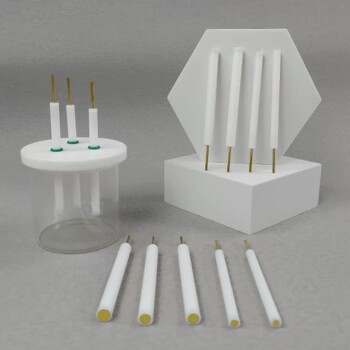
In an electrochemical test circuit, the platinum counter electrode acts as a stable auxiliary component designed to complete the electrical circuit without participating in the reaction being measured. Its primary function is to facilitate rapid charge exchange within the electrolyte while maintaining total chemical inertness, ensuring that the system's performance metrics reflect only the properties of the ruthenium oxide thin film.
The platinum counter electrode functions as a neutral baseline; its high conductivity and corrosion resistance ensure that all recorded electrochemical signals originate exclusively from the redox reactions of the ruthenium oxide, eliminating data corruption from impurities or side reactions.
The Critical Role of Stability
Unwavering Chemical Stability
For accurate performance evaluation, the components of your test circuit must not degrade. Platinum is utilized because it possesses excellent chemical stability.
This inherent resistance ensures that the electrode does not undergo dissolution, even when subjected to the electrical currents required for testing.
Preventing Electrolyte Contamination
A dissolving electrode releases ions that contaminate the electrolyte. Platinum’s corrosion resistance ensures it does not produce interfering impurities.
By maintaining a pure electrolyte environment, you prevent the introduction of foreign variables that could skew the analysis of the ruthenium oxide.
Electrical Efficiency and Signal Integrity
Facilitating Rapid Charge Transfer
The counter electrode acts as the conduit for current to flow through the solution. Platinum is selected for its high electrical conductivity.
This property allows for rapid charge exchange within the electrolyte, ensuring the counter electrode never becomes a bottleneck that limits the system's overall reaction speed.
Isolating the Working Electrode Signal
The ultimate goal is to characterize the ruthenium oxide (the working electrode). Platinum possesses high surface activity which allows it to balance the charge efficiently without creating significant overpotentials of its own.
This ensures that the electrochemical signals collected are derived solely from the redox reactions of the ruthenium oxide. The data remains pure, representing the true performance of your thin film rather than artifacts from the test setup.
Understanding the Operational Limits
Voltage Range Dependencies
While platinum is highly robust, its stability is guaranteed specifically within the typical test voltage range.
Operating outside these standard parameters could potentially compromise the electrode's inertness. It is crucial to ensure your specific experimental protocols align with the accepted voltage windows for platinum stability.
Reliance on Surface Condition
The efficiency of the charge exchange relies on the platinum's surface activity.
If the electrode surface becomes mechanically damaged or fouled by external contaminants not related to the test, its ability to facilitate rapid charge exchange may diminish, indirectly affecting the test results.
Making the Right Choice for Your Experiment
To ensure the validity of your ruthenium oxide evaluation, ensure your counter electrode is properly utilized based on your specific analytical goals:
- If your primary focus is signal purity: Rely on platinum’s corrosion resistance to prevent impurities from creating "ghost" peaks in your voltammetry data.
- If your primary focus is reaction kinetics: Leverage platinum’s high conductivity to ensure charge transfer rates are limited only by the ruthenium oxide, not the auxiliary circuit.
By utilizing a platinum counter electrode, you remove instrumental variables and gain a direct window into the true capabilities of your ruthenium oxide thin films.
Summary Table:
| Feature | Function in Evaluation | Benefit to Results |
|---|---|---|
| Chemical Inertness | Prevents electrode dissolution | Eliminates electrolyte contamination and 'ghost' peaks |
| High Conductivity | Facilitates rapid charge transfer | Ensures the counter electrode is not a rate-limiting bottleneck |
| High Surface Activity | Balances charge with low overpotential | Isolates signals to the redox reactions of the ruthenium oxide |
| Corrosion Resistance | Maintains structural integrity | Provides a stable, neutral baseline for repeatable experiments |
Elevate Your Electrochemical Research with KINTEK Precision
Precision in material characterization starts with high-quality components. KINTEK specializes in premium laboratory equipment, offering a specialized range of electrolytic cells and electrodes designed to deliver the signal integrity your ruthenium oxide research demands.
Whether you are developing next-generation energy storage or advanced sensors, our portfolio—from high-temperature furnaces and vacuum systems to specialized PTFE products and ceramics—is engineered for reliability.
Ready to eliminate instrumental variables and unlock true material performance? Contact our technical experts today to find the perfect electrochemical tools for your lab.
References
- Elisabetta Petrucci, Giovanni Sotgiu. Effect of Spin Coating Parameters on the Electrochemical Properties of Ruthenium Oxide Thin Films. DOI: 10.3390/electrochem2010008
This article is also based on technical information from Kintek Solution Knowledge Base .
Related Products
- Platinum Auxiliary Electrode for Laboratory Use
- Platinum Sheet Electrode for Laboratory and Industrial Applications
- Rotating Platinum Disk Electrode for Electrochemical Applications
- Platinum Sheet Electrode for Battery Lab Applications
- RRDE rotating disk (ring disk) electrode / compatible with PINE, Japanese ALS, Swiss Metrohm glassy carbon platinum
People Also Ask
- What is the function of a platinum electrode as an auxiliary electrode? Ensure Precise Nickel Coating Corrosion Testing
- Why is platinum typically selected as the auxiliary electrode for electrochemical testing of oxazoline inhibitors?
- What does the auxiliary electrode do? Ensuring Accurate Electrochemical Measurements
- What are the roles of Pt counter and reference electrodes in nitrided steel testing? Optimize Your Electrochemical Data
- What are the advantages of using a platinum counter electrode? Ensure Purity in Photocatalytic Coating Deposition