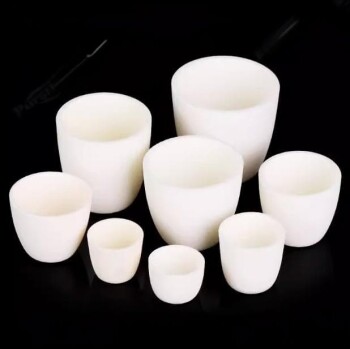
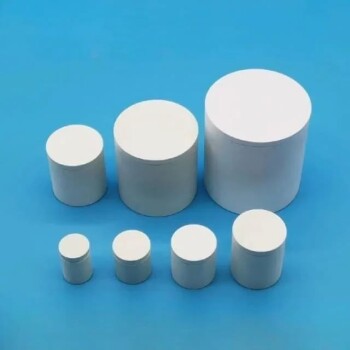
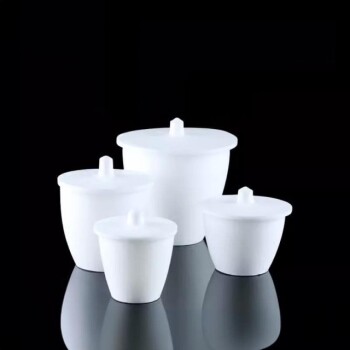
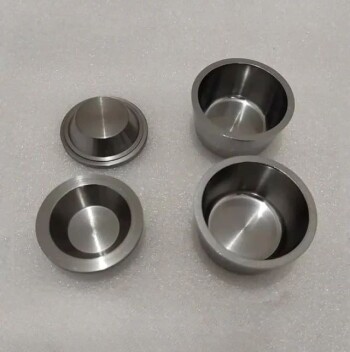
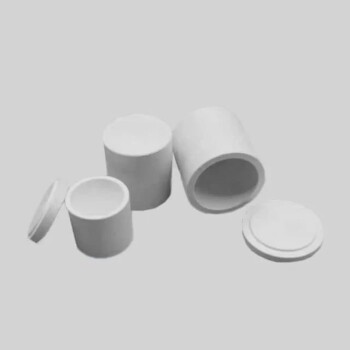
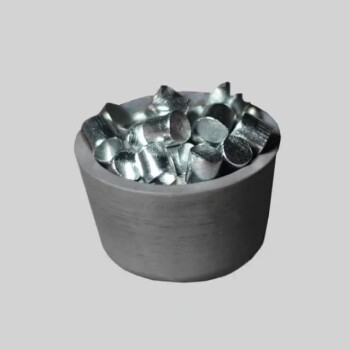
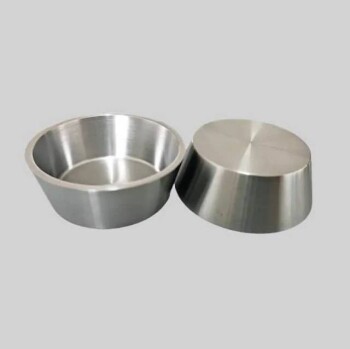
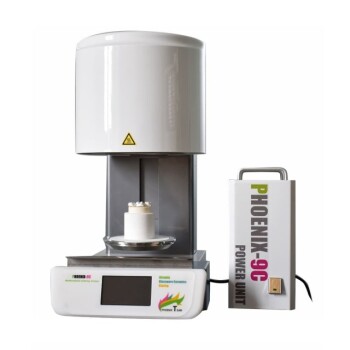
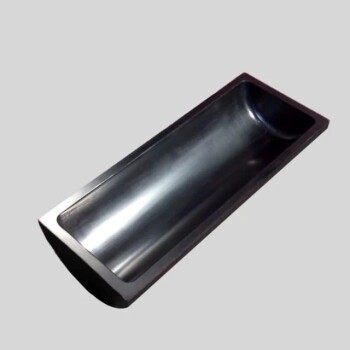
The porcelain crucible is the foundational reaction vessel for NASICON synthesis.
In the pre-synthesis stage of NASICON-structured phosphate glass, the porcelain crucible functions as a high-temperature container designed to hold precursor powders—such as vanadium pentoxide, titanium dioxide, and ammonium dihydrogen phosphate. Its primary role is to maintain chemical purity and structural integrity as these materials undergo dehydration and initial solid-state reactions in an air atmosphere before the final melting stage.
A porcelain crucible provides a chemically stable and heat-resistant environment necessary for the controlled thermal transformation of NASICON precursors. It ensures that materials react predictably during dehydration stages without introducing contamination or suffering structural failure under intense heat.
Managing Precursor Chemistry and Transformation
Containing Reactive Precursor Powders
The crucible acts as a secure physical barrier for the raw materials, specifically ammonium dihydrogen phosphate and various metal oxides. It must remain inert to prevent the acidic or basic nature of these precursors from corroding the vessel during the heating process.
Facilitating Dehydration and Initial Reaction
During the pre-synthesis stage, the powders must undergo dehydration to remove chemically bound water and volatile components. The crucible allows these reactions to occur uniformly in an air-exposed environment, which is critical for the subsequent formation of the crystal phase.
Thermal and Chemical Stability Requirements
Withstanding High-Temperature Environments
Pre-synthesis often involves placing the crucible in a muffle furnace where temperatures can reach or exceed 1000°C. The porcelain (often high-alumina) construction is specifically selected for its refractory properties, allowing it to survive these thermal cycles without cracking or melting.
Preventing Material Contamination
By isolating the sample from the furnace chamber, the crucible prevents the powder from reacting with the furnace lining. This ensures that the chemical stability of the NASICON-structured material is maintained, preventing the introduction of impurities that could degrade the final glass's ionic conductivity.
Understanding the Trade-offs and Limitations
Thermal Shock and Temperature Ceilings
While porcelain is highly resistant to heat, it can be susceptible to thermal shock if cooled too rapidly. Standard porcelain may also have lower temperature limits than high-purity alumina crucibles, which are often preferred for annealing processes that exceed 1200°C.
Chemical Leaching Risks
At extreme temperatures, there is a minor risk of trace elements from the crucible leaching into the phosphate melt. For high-precision NASICON synthesis, selecting a crucible with a high alumina content is vital to ensure the physical support environment does not interfere with the solid-state reaction.
How to Apply This to Your Synthesis Process
Selecting the right vessel is critical for achieving the desired electrochemical properties in phosphate glass.
- If your primary focus is material purity: Use high-purity alumina porcelain crucibles to minimize the risk of silica or other impurity leaching during long annealing cycles.
- If your primary focus is initial dehydration: Standard laboratory porcelain crucibles offer an economical and effective solution for the lower-temperature stages of precursor preparation.
- If your primary focus is high-volume throughput: Ensure the crucible geometry allows for maximum surface area exposure to the air atmosphere to facilitate faster gas evolution.
Choosing the right crucible ensures the chemical precision and thermal stability required to produce high-quality NASICON-structured phosphate glass.
Summary Table:
| Function | Key Benefit | Material Consideration |
|---|---|---|
| Precursor Containment | Prevents corrosion from acidic/basic powders | High-alumina content for chemical inertness |
| Thermal Stability | Withstands temperatures up to 1000°C+ | High refractory properties to prevent melting |
| Chemical Isolation | Eliminates contamination from furnace linings | Vital for maintaining high ionic conductivity |
| Reaction Support | Facilitates uniform dehydration and gas evolution | Geometry optimized for surface area exposure |
Optimize Your NASICON Synthesis with KINTEK Precision
Achieving the perfect crystal phase in NASICON-structured phosphate glass requires laboratory equipment that can withstand extreme environments without compromising purity. KINTEK specializes in high-performance laboratory solutions, offering a comprehensive range of high-purity ceramics and crucibles, including alumina and porcelain, alongside our industry-leading muffle and vacuum furnaces.
Whether you are managing complex dehydration stages or high-temperature annealing, our tools are designed to ensure chemical stability and thermal reliability. From crushing and milling systems for precursor preparation to precision furnaces for final melting, KINTEK is your partner in advanced material research.
Ready to elevate your lab's efficiency and material quality? Contact our experts today to find the ideal crucibles and thermal solutions for your specific synthesis needs.
References
- Maciej Nowagiel, Tomasz K. Pietrzak. Optimization of Electrical Properties of Nanocrystallized Na3M2(PO4)2F3 NASICON-like Glasses (M = V, Ti, Fe). DOI: 10.3390/coatings13030482
This article is also based on technical information from Kintek Solution Knowledge Base .
Related Products
- Arc-Shaped Alumina Ceramic Crucible High Temperature Resistant for Engineering Advanced Fine Ceramics
- Engineering Advanced Fine Ceramics Alumina Al2O3 Crucible With Lid Cylindrical Laboratory Crucible
- Engineering Advanced Fine Alumina Al2O3 Ceramic Crucible for Laboratory Muffle Furnace
- Alumina Al2O3 Ceramic Crucible Semicircle Boat with Lid for Engineering Advanced Fine Ceramics
- Engineering Advanced Fine Ceramics Alumina Crucibles (Al2O3) for Thermal Analysis TGA DTA
People Also Ask
- Why Use Alumina Crucibles & Powder Burial for NaSICON? Ensure Phase Purity and Prevent Elemental Volatilization
- What is the primary purpose of using alumina crucibles for LLTO ceramics? Optimize Your High-Temperature Sintering
- Why are alumina crucibles and mother powder essential for LATP sintering? Optimize Your Solid Electrolyte Performance
- Why are high-purity alumina crucibles used for liquid lead corrosion experiments? Ensure Data Accuracy at 550°C
- Primary considerations for choosing alumina crucibles and quartz tubes in indium intercalation: Ensure Material Purity