Glass-ceramic heaters function as the high-precision primary heat source in high-temperature evaporation experiments, operating within a specific range of 40 to 500 °C. Their role extends beyond simple heating; they are engineered to provide uniform thermal distribution and high accuracy of ±1 °C, which is essential for stabilizing metal sample surface temperatures.
The critical function of these heaters is to maintain a consistent single-phase evaporation mode. By ensuring uniform heat distribution, they prevent the onset of nucleate boiling, which would otherwise introduce interference and compromise experimental data.
Achieving Thermal Precision
Accurate Temperature Regulation
The primary requirement for valid evaporation experiments is exact temperature control. Glass-ceramic heaters provide a controlled environment ranging from 40 to 500 °C.
High-Precision Constraints
Within this temperature window, these devices maintain an accuracy of ±1 °C. This tight tolerance is necessary to correlate evaporation rates strictly with temperature without deviation.
Uniform Heat Distribution
Standard heaters often create "hot spots" that skew results. Glass-ceramic heaters deliver uniform heat distribution across the surface, ensuring the entire metal sample experiences the exact same thermal conditions simultaneously.
Controlling Evaporation Dynamics
Maintaining Single-Phase Evaporation
The ultimate goal of using this specific heater type is to sustain a consistent single-phase evaporation mode. This ensures that the material transitions from liquid to gas smoothly at the surface.
Preventing Nucleate Boiling
Nucleate boiling involves the formation of bubbles, which creates chaotic heat transfer and inconsistent evaporation rates. These heaters are specifically utilized to prevent interference from nucleate boiling, ensuring the data reflects pure evaporation physics.
Operational Durability and Limits
Superior Thermal Shock Resistance
Experimental environments often involve rapid temperature shifts. These heaters possess superior thermal shock resistance, allowing them to withstand significant thermal stress without fracturing or degrading.
Understanding the Limitations
While these heaters are excellent for the specified range, they are limited by their 500 °C maximum operating temperature.
Application Constraints
If your experiment requires the evaporation of refractory metals with melting points significantly above 500 °C, this specific heating technology will not provide sufficient thermal energy.
Making the Right Choice for Your Goal
To determine if a glass-ceramic heater is the correct tool for your specific experimental setup, consider your primary objectives:
- If your primary focus is data precision: Rely on this heater for its ability to maintain temperatures within a tight ±1 °C margin of error.
- If your primary focus is flow regime stability: Choose this technology to strictly enforce single-phase evaporation and eliminate boiling interference.
Glass-ceramic heaters are the definitive choice when experimental success depends on eliminating thermal variables and preventing nucleate boiling.
Summary Table:
| Feature | Specification/Benefit |
|---|---|
| Temperature Range | 40 °C to 500 °C |
| Temperature Accuracy | ±1 °C |
| Thermal Distribution | Uniform surface heating (eliminates hot spots) |
| Evaporation Mode | Sustains consistent single-phase evaporation |
| Boiling Control | Prevents interference from nucleate boiling |
| Durability | Superior thermal shock resistance |
Elevate Your Research Precision with KINTEK Solutions
Don't let thermal instability or nucleate boiling compromise your experimental data. KINTEK specializes in providing advanced laboratory heating and processing equipment tailored for high-precision environments. From specialized glass-ceramic heaters for stable evaporation to our comprehensive range of high-temperature furnaces (muffle, vacuum, CVD), high-pressure reactors, and crushing systems, we offer the tools you need for repeatable, accurate results.
Whether you are refining battery materials, conducting metallurgy research, or performing chemical synthesis, KINTEK’s expert-grade consumables and equipment ensure peak performance. Contact our technical team today to find the perfect thermal solution for your lab and experience the reliability of world-class laboratory engineering.
References
- Dmitrii O. Glushkov, D.V. Feoktistov. Influence of the Metal Surface Texture on the Possibility of Controlling the Phase Transition of Water Droplets in the Single-Phase Regime. DOI: 10.3390/app122312155
This article is also based on technical information from Kintek Solution Knowledge Base .
Related Products
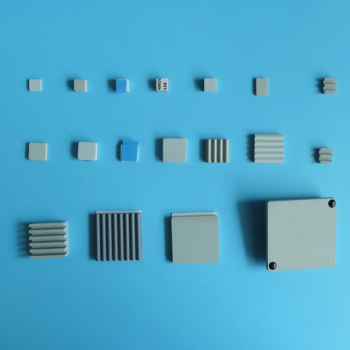
- Silicon Carbide (SIC) Ceramic Sheet Flat Corrugated Heat Sink for Engineering Advanced Fine Ceramics
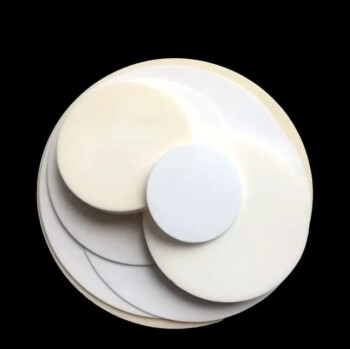
- Engineering Advanced Fine Ceramics Aluminum Oxide Al2O3 Heat Sink for Insulation
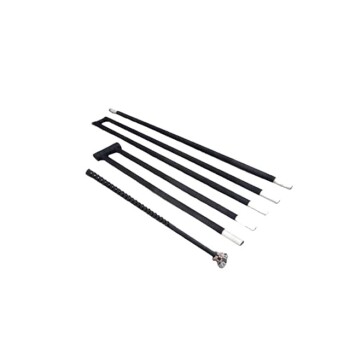
- Silicon Carbide SiC Thermal Heating Elements for Electric Furnace
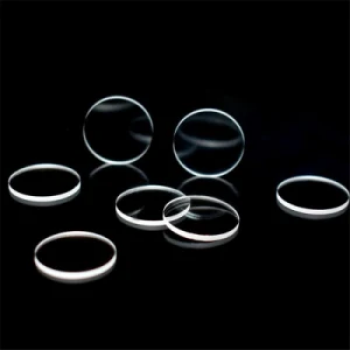
- High Temperature Resistant Optical Quartz Glass Sheet
People Also Ask
- What are the properties and applications of silicon carbide ceramics? Solve Extreme Engineering Challenges
- What is the strongest ceramics? Silicon Carbide Leads in Hardness & Thermal Strength
- What are the uses of silicon carbide ceramics in different industries? Master Extreme Performance in Aerospace, Semiconductors & More
- What are the properties of SiC? Unlock High-Temperature, High-Frequency Performance
- Why is silicon carbide more efficient? Unlock Higher Power Density with SiC's Superior Material Properties