Precise residence time control in a tube furnace acts as the primary governor for secondary thermal cracking reactions. By managing the exact duration that pyrolysis vapors remain within the high-temperature zone, operators can drive the conversion of heavy liquid components into lighter gaseous products. This control is the decisive factor in optimizing the final proportions of oil and gas yields from waste tire processing.
The core function of residence time control is to regulate the extent of secondary cracking, allowing for the intentional transformation of heavy pyrolysis oils into light gases. This precision enables researchers to tailor product composition and accurately simulate the extreme thermal stresses found in industrial-scale cracking environments.
The Role of Secondary Cracking in Yield Optimization
Converting Heavy Components to Light Gas
In the context of waste tire pyrolysis, residence time determines the degree of molecular breakdown within the vapor phase. A longer residence time ensures that heavy oil vapors undergo more complete thermal cracking, resulting in a higher proportion of light pyrolysis gas.
Optimizing Product Proportions
Precise control allows operators to fine-tune the chemical output to meet specific market or industrial needs. By adjusting the duration of heat exposure, the furnace can be calibrated to favor either liquid fuel recovery or the production of high-energy combustible gases.
Ensuring Chemical Uniformity
Consistent residence time ensures that every volume of vapor experiences the same thermal history. This uniformity prevents the accidental production of inconsistent batches and ensures the reproducibility of experimental results in a laboratory setting.
Simulating Industrial-Scale Realities
High-Precision Temperature Zoning
Modern tube furnaces utilize high-precision K-type thermocouples to create specific thermal zones. This setup allows for the execution of precise programmed temperature cycles, such as maintaining a stable 880°C before a rapid ramp-up to 950°C.
Replicating End-of-Run Conditions
Advanced control systems enable the simulation of extreme industrial conditions, such as those found at the end of a cracking tube’s lifecycle. This is critical for observing how prolonged heat exposure affects the chemical behavior of tire-derived products.
Investigating High-Temperature Phenomena
Precise timing and temperature control allow researchers to study the physical impacts of the cracking process on the equipment itself. This includes monitoring oxide layer cracking and carburization on alloy surfaces, which are common degradation points in industrial reactors.
Understanding the Trade-offs
The Balance of Gas vs. Oil Yield
While increasing residence time maximizes gas production, it simultaneously reduces the volume of recoverable liquid oil. Operators must decide whether the energy density of the gas outweighs the market value of the liquid distillate.
Risk of Excessive Carburization
Extended residence times at high temperatures increase the risk of carbon diffusion into the furnace alloys. This carburization can lead to material brittleness and premature failure of the cracking tubes, necessitating more frequent maintenance.
Energy Consumption Overheads
Maintaining precise high-temperature environments for longer durations significantly increases the operational energy cost. The marginal gain in light gas yield must be weighed against the increased electrical or fuel consumption required to sustain the reaction.
Strategic Implementation of Residence Time Control
How to Apply This to Your Project
To achieve the best results from your thermal cracking process, you must align your residence time strategy with your specific output requirements and equipment limitations.
- If your primary focus is Maximizing Gas Yield: Increase the residence time within the high-temperature zone to ensure the total secondary cracking of heavy vapor fractions into light combustible gases.
- If your primary focus is Material Durability and Simulation: Utilize programmed temperature cycles and zoned control to study the impact of "end-of-run" conditions on alloy surfaces and oxide layers.
- If your primary focus is High-Value Oil Recovery: Minimize residence time to prevent over-cracking, allowing the vapors to condense quickly into liquid products while avoiding excessive gas conversion.
By mastering the balance of residence time and temperature, you transform a standard furnace into a precision instrument for chemical engineering and material science.
Summary Table:
| Factor | High Residence Time | Low Residence Time |
|---|---|---|
| Primary Product | Light Pyrolysis Gas | Recoverable Liquid Oil |
| Cracking Level | Complete Secondary Cracking | Minimized Cracking |
| Key Benefit | High-Energy Gas Yield | High-Value Liquid Distillate |
| Equipment Impact | Higher Carburization Risk | Lower Thermal Stress |
Elevate Your Thermal Cracking Precision with KINTEK
Achieving the perfect balance between oil and gas yields requires more than just heat—it requires absolute control. KINTEK specializes in high-performance laboratory equipment, offering a comprehensive range of tube furnaces, rotary furnaces, and high-temperature high-pressure reactors specifically designed to handle the rigorous demands of waste tire pyrolysis and chemical engineering research.
From precise residence time management to simulating extreme industrial "end-of-run" conditions, our equipment provides the reliability and accuracy your research deserves. Our portfolio also features high-precision CVD/PECVD systems, hydraulic presses, and essential ceramic consumables to support every stage of your material processing.
Ready to optimize your yield and laboratory efficiency? Contact our technical experts today to find the ideal thermal solution tailored to your specific project needs!
References
- Sangshin Park, Sung-Chan Nam. An Experimental Study on CO2 Characteristics of Waste Plastics Using a Lab-scale Tube Furnace. DOI: 10.11159/icesa23.145
This article is also based on technical information from Kintek Solution Knowledge Base .
Related Products
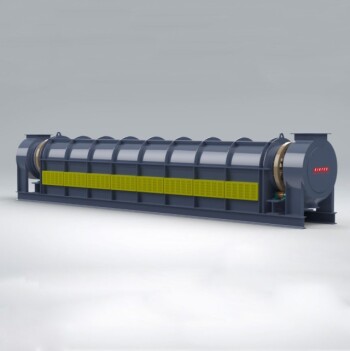
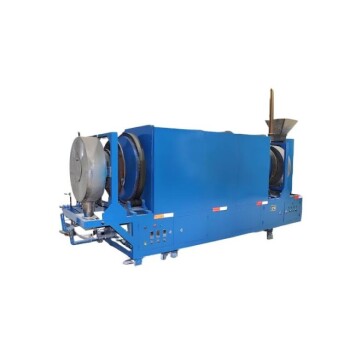
- Electric Rotary Kiln Pyrolysis Furnace Plant Machine Calciner Small Rotary Kiln Rotating Furnace
- Electric Rotary Kiln Small Rotary Furnace Biomass Pyrolysis Plant
- Electric Rotary Kiln Continuous Working Small Rotary Furnace Heating Pyrolysis Plant
- Vertical Laboratory Tube Furnace
- Customer Made Versatile CVD Tube Furnace Chemical Vapor Deposition Chamber System Equipment
People Also Ask
- What is a rotary kiln electric furnace? Achieve Superior Uniform Heating for Your Materials
- What are the characteristics of the slipping, slumping, and rolling modes of bed motion? Optimize Your Rotary Process
- What are the advantages of rotary kiln furnace? Achieve Superior Uniformity & Efficiency
- What is the temperature of a rotating kiln? It Depends on Your Material and Process Goal
- What are the different types of calciners? A Guide to Selecting the Right Thermal Processing Equipment