Using a high-mesh sieve, specifically a 500-mesh screen, is a critical quality control step when processing pyrolyzed wool-derived biochar. This process is necessary to produce an ultra-fine powder with a highly uniform particle size distribution, which directly dictates the performance and finish of the resulting composite material.
Core Takeaway: A 500-mesh sieve is not merely a filter; it is a standardization tool that ensures the biochar can disperse evenly within epoxy resins, eliminating defects and significantly reducing surface roughness in the final coating.
Optimizing the Composite Matrix
Achieving Uniform Particle Distribution
The primary necessity of the 500-mesh sieve is the regulation of particle size.
Pyrolysis often leaves biochar with irregular structures; this screening process ensures that only ultra-fine particles make it into the final mix, creating a consistent baseline for the material.
Facilitating Superior Dispersion
For biochar to function effectively as a filler, it must integrate seamlessly with the binding agent.
Using a 500-mesh screen ensures the powder is fine enough to achieve superior dispersion within epoxy resin, preventing agglomeration (clumping) that would otherwise weaken the composite.
Enhancing Surface Quality and Mechanics
Reducing Surface Roughness
One of the most visible benefits of this rigorous sieving process is the texture of the final product.
By eliminating larger particles, the process significantly reduces surface roughness, resulting in a smoother, more professional finish.
Preventing Coating Defects
Oversized particles are the leading cause of irregularities in thin films and coatings.
The sieve acts as a preventative measure against these coating defects, ensuring the film maintains a continuous and flawless appearance.
Optimizing Mechanical Properties
Beyond aesthetics, the uniformity provided by the sieve contributes to the structural integrity of the film.
A well-dispersed, fine-particle mixture optimizes the overall mechanical properties, likely resulting in a more durable and stable coating.
Understanding the Trade-offs
Processing Time and Effort
While essential for quality, using a 500-mesh sieve represents a significant bottleneck in processing speed.
Filtering down to such a fine micron level is time-consuming and may require specialized vibration equipment to prevent screen blinding (clogging).
Yield Reduction
Strictly filtering for ultra-fine particles implies that a portion of the biochar yield will be discarded or require re-grinding.
You must balance the need for high-quality output against the reduction in total usable volume from your raw pyrolyzed material.
Making the Right Choice for Your Goal
To determine if this level of processing is required for your specific application, consider your end goals:
- If your primary focus is Surface Aesthetics: You must use the 500-mesh sieve to prevent visual defects and ensure a smooth, low-roughness finish.
- If your primary focus is Mechanical Performance: The sieve is critical to ensure the uniform dispersion required for optimal structural integrity in the epoxy matrix.
Ultimately, for high-performance epoxy coatings, the 500-mesh sieve is not optional—it is the defining factor between a rough, defective prototype and a professional-grade material.
Summary Table:
| Key Feature | Benefit for Biochar Processing | Impact on Final Composite |
|---|---|---|
| 500-Mesh Filtration | Standardizes ultra-fine particle size | Eliminates aggregates and surface defects |
| Enhanced Dispersion | Seamless integration with epoxy resin | Ensures a continuous, uniform matrix |
| Texture Control | Significant reduction in roughness | Delivers a smooth, professional-grade finish |
| Structural Optimization | Consistent mechanical properties | Improves durability and coating stability |
Elevate Your Material Research with KINTEK Precision
Achieve uncompromising results in your composite development with KINTEK’s world-class laboratory solutions. Whether you are processing wool-derived biochar using our precision sieving equipment and crushing and milling systems, or performing pyrolysis in our advanced high-temperature furnaces (vacuum, tube, or atmosphere), we provide the tools necessary for professional-grade excellence.
Our extensive portfolio—ranging from high-pressure reactors and autoclaves to hydraulic presses and essential PTFE or ceramic consumables—is designed to meet the rigorous demands of material science.
Ready to optimize your lab’s efficiency and output quality? Contact us today to find the perfect equipment for your research goals!
References
- Ganesh Zade, Malhari Kulkarni. Development of Biochar-Based Sustainable Corrosion-Resistant Coating. DOI: 10.3390/engproc2025105005
This article is also based on technical information from Kintek Solution Knowledge Base .
Related Products
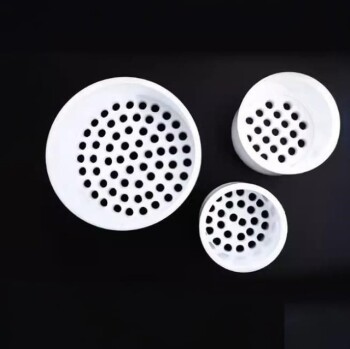
- Custom PTFE Teflon Parts Manufacturer for PTFE Mesh F4 Sieve
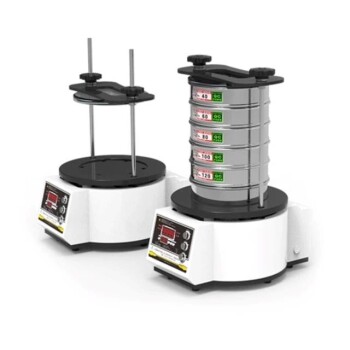
- Three-dimensional electromagnetic sieving instrument
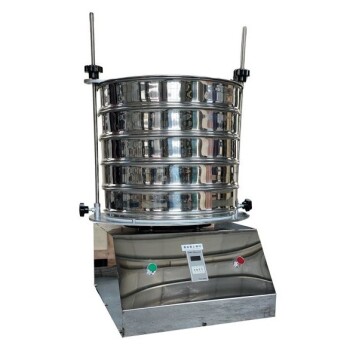
- Vibratory Sieve Shaker Machine Dry Three-Dimensional Vibrating Sieve
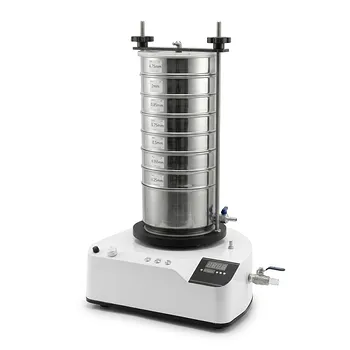
- Laboratory Test Sieves and Sieving Machines
- Laboratory Vibratory Sieve Shaker Machine Slap Vibrating Sieve
People Also Ask
- What are the primary reasons for selecting PTFE as a matrix? Enhance Composites with Carbon Nanotube Reinforcement
- How is PTFE utilized for insulation in Alloy 22 corrosion setups? Ensure Signal Purity & Accuracy
- Is PTFE corrosion resistant? Discover the Ultimate Chemical Resistance for Your Lab
- What are the specific applications of PTFE in micro-batch slug flow systems? Enhance Your Microfluidic Reaction Purity
- What is the mesh size of a sieve? A Guide to Particle Size and Sieve Selection