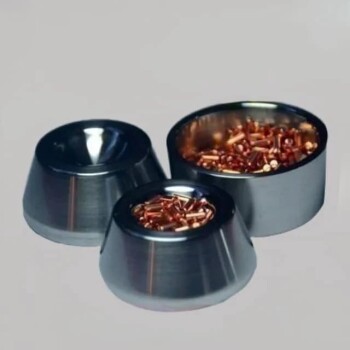
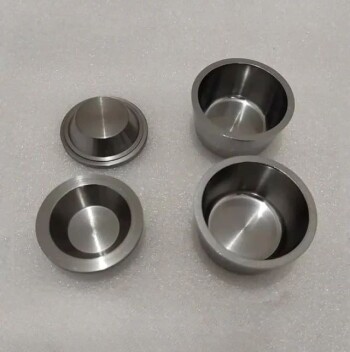
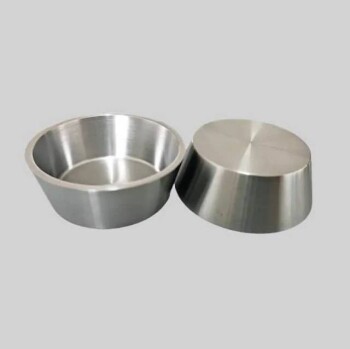
The primary function of a stainless steel crucible is to serve as a robust high-temperature containment vessel. It is designed to safely hold and stabilize molten lead (Pb), creating a controlled environment for experimentation. By utilizing its inherent mechanical strength, the crucible maintains a defined physical boundary for the liquid metal.
The crucible provides a stable, thermally resistant testing volume for sensors and samples, functioning reliably across a temperature span of 698K to 898K.
Establishing a Stable Environment
Structural Integrity at High Heat
The crucible leverages the high thermal resistance and mechanical strength of stainless steel.
These properties are essential for preventing deformation or structural failure. They allow the vessel to withstand the intense thermal load of the molten lead without compromising the containment boundary.
Creating a Consistent Testing Volume
Researchers rely on the crucible to define the physical space for the experiment.
This stability is critical for the accurate immersion of sensors and test samples. The crucible ensures that the liquid environment remains static and predictable, which is a prerequisite for gathering reliable data.
Understanding Operational Constraints
Adhering to Temperature Limits
The protective capabilities of the crucible are defined by a specific thermal window.
The system is rated for an operational range of 698K to 898K. Maintaining the environment within these bounds is necessary to ensure the stainless steel retains the physical properties required to hold the heavy liquid metal safely.
Mechanical Limitations
While stainless steel acts as a strong physical boundary, its reliability is tied to these thermal parameters.
Pushing the environment beyond the specified 898K limit risks compromising the vessel's stability. The "safe holding" function is contingent upon respecting the material's thermal resistance thresholds.
Making the Right Choice for Your Goal
To maximize the effectiveness of a stainless steel crucible in liquid lead studies, align your operational parameters with the vessel's capabilities:
- If your primary focus is experimental safety: Ensure your heating protocols strictly maintain the lead temperature between 698K and 898K to preserve containment integrity.
- If your primary focus is instrumentation: Utilize the stable physical boundary to securely immerse sensors, ensuring they are positioned centrally within the stabilized liquid lead volume.
The stainless steel crucible is the foundational component that transforms hazardous molten lead into a manageable, testable medium.
Summary Table:
| Feature | Specification/Function |
|---|---|
| Primary Function | High-temperature containment of molten lead (Pb) |
| Operational Range | 698K to 898K |
| Material Benefit | High thermal resistance & mechanical strength |
| Experimental Use | Stable testing volume for sensors and sample immersion |
| Safety Role | Maintains physical boundary under intense thermal loads |
Elevate Your High-Temperature Research with KINTEK
Precision and safety are paramount when working with molten metals. KINTEK specializes in high-performance laboratory equipment, providing the robust solutions needed for demanding environments. Beyond our durable stainless steel crucibles, we offer a comprehensive range of high-temperature furnaces (muffle, vacuum, and atmosphere), crushing and milling systems, and high-pressure reactors designed to withstand rigorous thermal cycles.
Whether you are conducting battery research, material synthesis, or liquid metal studies, our expert team is ready to equip your facility with the highest quality consumables and precision tools. Ensure the integrity of your experimental data and safety of your lab—contact us today for a consultation!
References
- Masatoshi Kondo, T. Muroga. On-line monitoring of oxygen potential and structure of oxide layer in liquid metals by electrochemical methods. DOI: 10.1299/transjsme.16-00412
This article is also based on technical information from Kintek Solution Knowledge Base .
Related Products
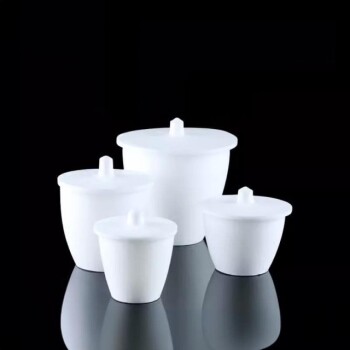
- Custom Machined and Molded PTFE Teflon Parts Manufacturer with PTFE Crucible and Lid
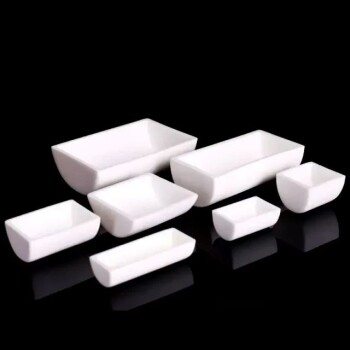
- Alumina Al2O3 Ceramic Crucible Semicircle Boat with Lid for Engineering Advanced Fine Ceramics
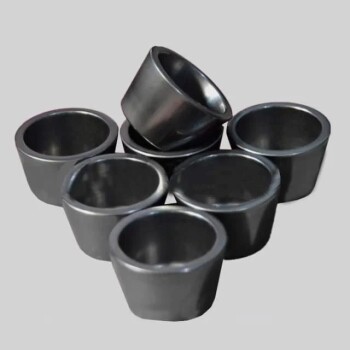
- High Purity Pure Graphite Crucible for Electron Beam Evaporation
- Arc-Shaped Alumina Ceramic Crucible High Temperature Resistant for Engineering Advanced Fine Ceramics
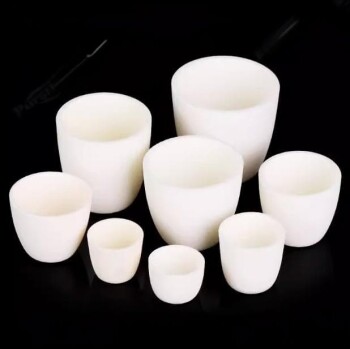
- Engineering Advanced Fine Alumina Al2O3 Ceramic Crucible for Laboratory Muffle Furnace
People Also Ask
- Why is a PTFE crucible preferred for plasma etching? Ensure Chemical Integrity and Targeted Action
- What essential consumables are required for laboratory processes? Expert Guide to PTFE, Ceramics, and Crucibles
- Why are PTFE molds used for dental resin specimens? Ensure Pure Samples and Accurate Testing
- What are the advantages of using PTFE molds for preparing PUA hybrid films? Ensure High Purity and Easy Demolding
- What advantages do PTFE molds offer for composite polymer electrolyte casting? Ensure Defect-Free Membrane Fabrication