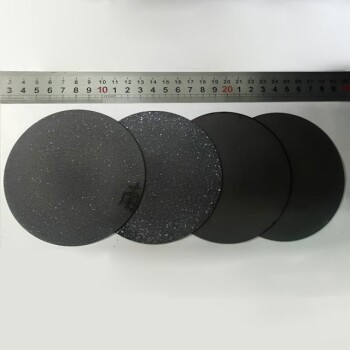
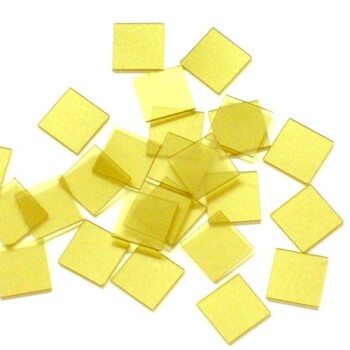
The primary purpose of introducing a boron source, such as trimethylboron, during Chemical Vapor Deposition (CVD) is to fundamentally alter the diamond's electrical properties. By causing boron atoms to substitute carbon atoms within the lattice structure, the material transforms from a natural electrical insulator into a conductive p-type semiconductor.
While natural diamond is renowned for being electrically insulating, the strategic addition of boron allows for the creation of Boron-Doped Diamond (BDD). This modification unlocks critical industrial capabilities, specifically chemical stability and electrochemical conductivity, that pure diamond cannot offer.
The Mechanics of Modification
Atomic Substitution
The fundamental principle of CVD is the atomic-level growth of a diamond. In a standard process, pure carbon atoms from a gas source bond with a diamond seed crystal, stacking layer by layer.
When a boron source is introduced, boron atoms integrate directly into this growing lattice. They replace carbon atoms, effectively "doping" the material.
The CVD Environment
This substitution occurs within a sealed chamber under specific conditions. The process typically requires low pressures (below 27 kPa) and temperatures around 800 to 1000 degrees Celsius.
Energy sources like microwaves or lasers ionize carbon-rich gases (such as methane) and the boron source into plasma. This breaks down molecular bonds, allowing the boron and carbon to co-deposit onto the substrate.
Why Conductivity Matters
Creating a p-type Semiconductor
The most immediate result of this process is the creation of a p-type semiconductor.
Pure diamond resists the flow of electricity. By incorporating boron, you introduce charge carriers (holes) into the valence band, allowing the material to conduct electricity efficiently.
Unlocking Electrochemical Properties
Boron-Doped Diamond (BDD) electrodes possess a wide electrochemical window.
This property allows the material to withstand higher voltages in solution without breaking down the water (electrolysis) compared to other electrode materials.
Chemical Stability
BDD electrodes maintain the inherent robustness of diamond. They exhibit exceptional resistance to chemical corrosion, ensuring longevity even in harsh operating environments.
Understanding the Trade-offs
Purity vs. Functionality
Standard CVD processes aim for pure carbon deposition to grow high-quality single crystals.
Adding a boron source is an intentional introduction of impurities. While this degrades the optical purity and insulating nature of the diamond, it is a necessary trade-off to achieve electrical functionality.
Specificity of Application
This modification is strictly for functional applications. If the goal is to utilize diamond's thermal conductivity without electrical conductivity, or to achieve optical transparency, boron doping would be detrimental to the project.
Making the Right Choice for Your Goal
Whether you should introduce a boron source depends entirely on the intended application of the final diamond film.
- If your primary focus is electrochemical applications: Incorporate a boron source to create BDD electrodes suitable for advanced oxidation processes, such as industrial wastewater treatment.
- If your primary focus is optical or gem-quality growth: Exclude boron sources to ensure the lattice remains comprised of pure carbon atoms, maintaining the diamond's natural insulating and transparent properties.
By mastering the inclusion of boron, you transition diamond from a passive insulator to an active, industrial-grade electronic component.
Summary Table:
| Feature | Pure CVD Diamond | Boron-Doped Diamond (BDD) |
|---|---|---|
| Electrical State | Insulator | p-type Semiconductor |
| Lattice Structure | Pure Carbon | Boron-substituted Carbon |
| Key Property | Optical Transparency | Electrochemical Conductivity |
| Electrochemical Window | N/A | Very Wide |
| Primary Application | Optics, Thermal Management | Wastewater Treatment, Electrodes |
Elevate Your Electrochemical Research with KINTEK BDD Solutions
Transform your laboratory's capabilities with KINTEK’s high-precision equipment. Whether you are developing Boron-Doped Diamond (BDD) films for industrial wastewater treatment or advancing semiconductor research, our comprehensive range of CVD systems (including PECVD and MPCVD) and high-temperature reactors provides the precision control required for atomic substitution.
Why choose KINTEK?
- Advanced Coating Technology: Perfect your boron-doping process with our high-performance plasma chambers.
- Comprehensive Lab Portfolio: From electrolytic cells and electrodes to high-temperature furnaces and ceramic consumables, we support every stage of your material synthesis.
- Expert Engineering: Our tools are designed for the extreme chemical stability and wide electrochemical windows required by target customers in the energy and environmental sectors.
Ready to achieve superior conductivity in your diamond growth? Contact KINTEK today for a customized quote!
References
- Roland Haubner. Low-pressure diamond: from the unbelievable to technical products. DOI: 10.1007/s40828-021-00136-z
This article is also based on technical information from Kintek Solution Knowledge Base .
Related Products
- Laboratory CVD Boron Doped Diamond Materials
- CVD Diamond for Thermal Management Applications
- CVD Diamond Domes for Industrial and Scientific Applications
- CVD Diamond Dressing Tools for Precision Applications
- CVD Diamond Optical Windows for Lab Applications
People Also Ask
- What materials are CVD deposition? From Semiconductors to Super-Hard Coatings
- What are the advantages of BDD electrodes? Maximize Wastewater Treatment Efficiency and Durability
- What are the applications of CVD diamonds? From Jewelry to High-Tech Tools
- Are CVD diamonds good? Real Diamonds with Ethical Origins & Better Value
- What is the demand of CVD diamonds? Driven by Ethics, Purity, and Affordability