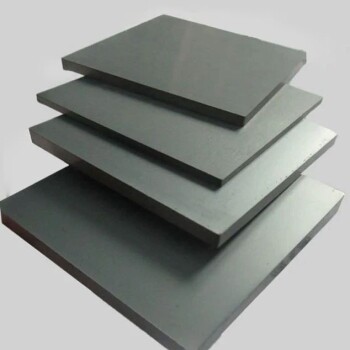
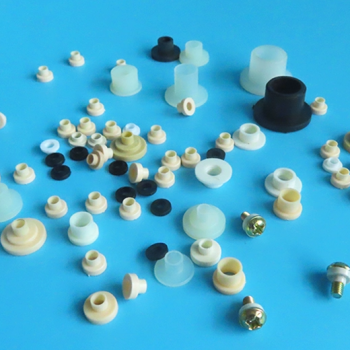
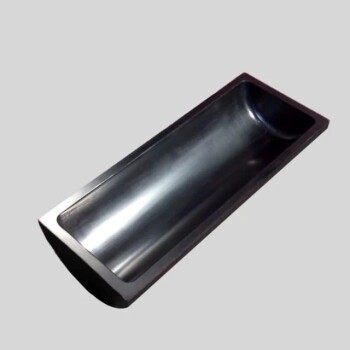
When selecting materials for high-temperature applications, you must look beyond simple melting points to a class of materials specifically engineered for thermal and mechanical stability. The primary categories are refractory metals, advanced ceramics, and carbon-based composites. Each offers exceptional performance in specific conditions but comes with critical trade-offs that dictate its use.
A material's ability to withstand high temperatures is not a single property. It is a complex interplay between its melting point, its strength under heat, its resistance to chemical attack like oxidation, and its ability to handle rapid temperature changes.

The Primary Categories of High-Temperature Materials
The world of high-temperature materials is generally divided into three major families. Understanding the fundamental strengths and weaknesses of each is the first step in proper selection.
Refractory Metals and Alloys
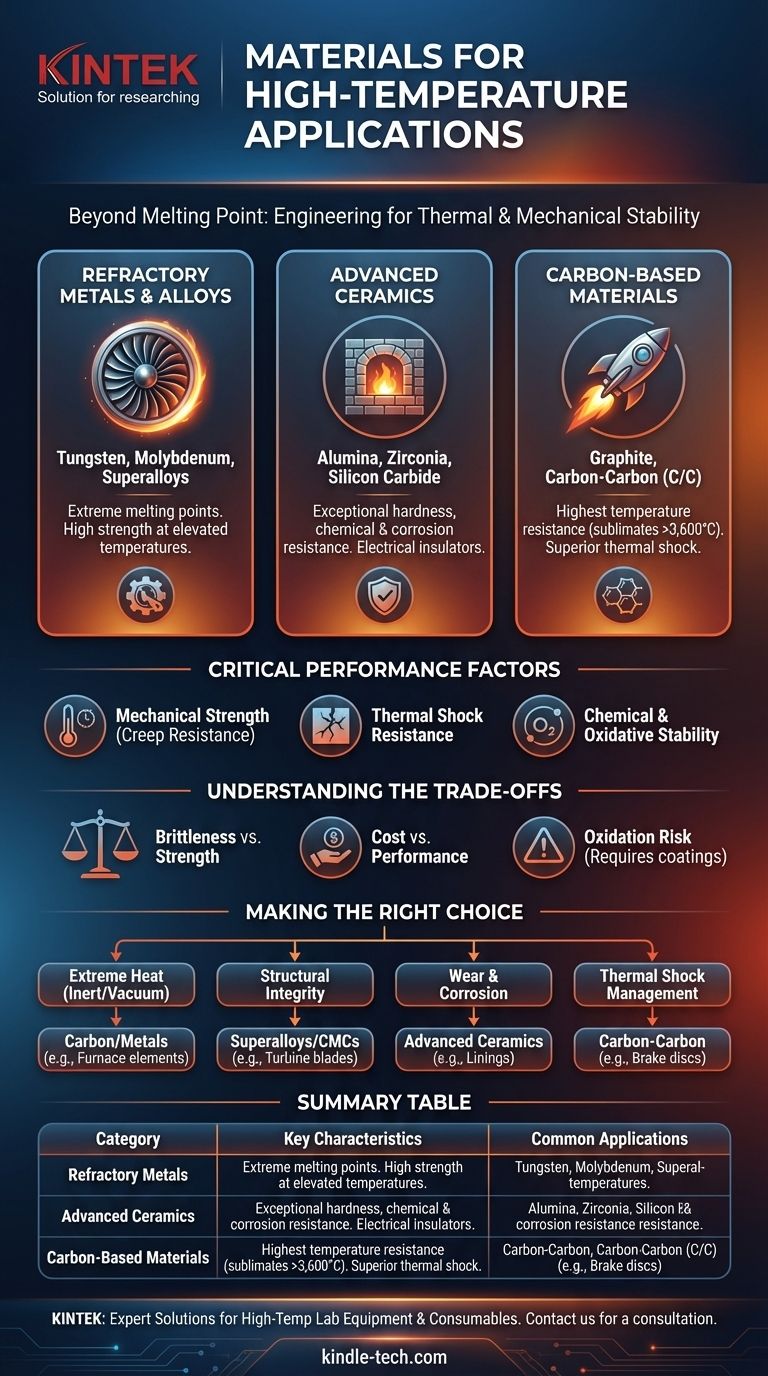
Refractory metals are defined by their extremely high melting points, well above those of iron or nickel. The most common are Tungsten, Molybdenum, Tantalum, and Niobium.
These metals are often alloyed to enhance specific properties, such as the Nickel-based superalloys used extensively in jet engine turbines for their incredible strength at elevated temperatures.
Advanced Ceramics
This category includes materials like Alumina (Aluminum Oxide), Zirconia (Zirconium Dioxide), and Silicon Carbide. They are not defined by a melting point but by their exceptional hardness and resistance to compressive stress and chemical corrosion at extreme temperatures.
Ceramics are insulators, both electrically and thermally, which makes them ideal for applications like furnace linings and heat shields.
Carbon-Based Materials
Materials like Graphite and Carbon-Carbon (C/C) composites have the highest temperature resistance of all. They do not melt at atmospheric pressure but instead sublimate (turn from a solid directly to a gas) at temperatures exceeding 3,600°C (6,500°F).
C/C composites are a matrix of graphite reinforced with carbon fibers, giving them remarkable structural integrity even at temperatures that would vaporize any metal.
Beyond Melting Point: Critical Performance Factors
Choosing a material based on melting point alone is a common and costly mistake. The operational environment imposes other demands that are often more important.
Mechanical Strength at Temperature
A material can be far below its melting point and still be too soft to perform its function. This gradual deformation under stress at high temperatures is known as creep. Superalloys are prized specifically because they resist creep effectively.
Thermal Shock Resistance
Rapid changes in temperature create internal stresses that can cause a material to crack. This is thermal shock. It is a major concern for brittle materials like ceramics. Materials with low thermal expansion and high thermal conductivity, like Carbon-Carbon, excel in resisting thermal shock.
Chemical and Oxidative Stability
High temperature is a powerful catalyst for chemical reactions. The most common challenge is oxidation—the material literally burning or corroding in the presence of oxygen. This is the single biggest weakness of refractory metals and carbon-based materials, which often require protective coatings to survive in an oxygen-rich atmosphere.
Understanding the Trade-offs
No material is perfect. The choice for any real-world application is a matter of balancing competing properties and accepting necessary compromises.
The Strength vs. Brittleness Dilemma
Ceramics are incredibly stable and strong under compression but are very brittle. They can fail suddenly and catastrophically with no warning. Metals are more ductile and will bend or deform before breaking, but they lose significant strength at temperatures where ceramics remain stable.
The Performance vs. Cost & Manufacturability Barrier
The highest-performing materials are often prohibitively expensive and difficult to work with. Machining Tungsten or Silicon Carbide is a slow, costly process. Manufacturing a custom Carbon-Carbon component is orders of magnitude more expensive than casting a steel part.
The Oxidation Problem
The materials with the absolute highest temperature limits—Graphite and Tungsten—perform exceptionally well in a vacuum or inert atmosphere. However, they will rapidly oxidize and fail in open air at high temperatures. This means their use often depends on complex, and sometimes fragile, coating systems.
Making the Right Choice for Your Application
To select the correct material, you must first define your primary performance driver.
- If your primary focus is extreme heat in a vacuum or inert gas (e.g., furnace elements, rocket nozzles): Carbon-based materials like Graphite or refractory metals like Tungsten are the clear choice.
- If your primary focus is structural integrity under heat and stress (e.g., turbine blades, engine components): Nickel-based superalloys or, for cutting-edge applications, Ceramic Matrix Composites (CMCs) provide the best balance of strength and temperature resistance.
- If your primary focus is wear and corrosion resistance at high temperature (e.g., industrial linings, bearings): Advanced ceramics like Alumina or Silicon Carbide offer unmatched hardness and chemical stability.
- If your primary focus is managing extreme thermal shock (e.g., high-performance brake discs, reentry heat shields): Carbon-Carbon (C/C) composites are superior due to their stability and low thermal expansion.
Ultimately, selecting a high-temperature material is an engineering decision that balances ideal performance against the practical constraints of the real world.
Summary Table:
| Material Category | Key Characteristics | Common Applications |
|---|---|---|
| Refractory Metals | Extremely high melting point, good strength | Turbine blades, furnace components |
| Advanced Ceramics | Excellent hardness, corrosion resistance | Furnace linings, heat shields, bearings |
| Carbon-Based Materials | Highest temperature resistance, excellent thermal shock | Graphite furnaces, rocket nozzles, brakes |
Struggling to select the right high-temperature material for your lab or process? The wrong choice can lead to equipment failure, safety risks, and costly downtime. KINTEK specializes in high-performance lab equipment and consumables, including furnace elements, crucibles, and insulation made from the very materials discussed here. Our experts can help you navigate the complex trade-offs between performance, cost, and durability to find the perfect solution for your specific application—whether you're working with advanced ceramics, refractory metals, or carbon composites. Contact our technical team today for a personalized consultation and let us help you achieve superior thermal performance and reliability.
Visual Guide
Related Products
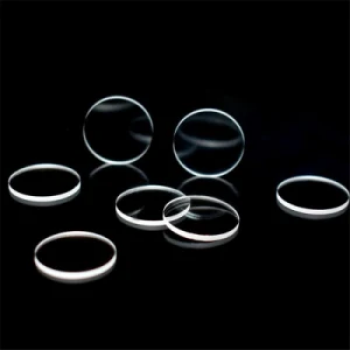
- High Temperature Resistant Optical Quartz Glass Sheet
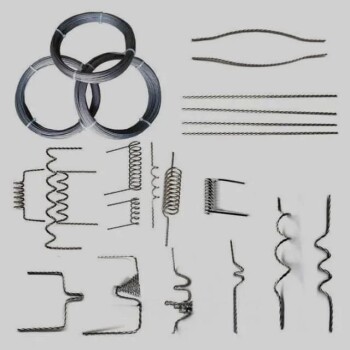
- Thermally Evaporated Tungsten Wire for High Temperature Applications
- High Temperature Alumina (Al2O3) Furnace Tube for Engineering Advanced Fine Ceramics
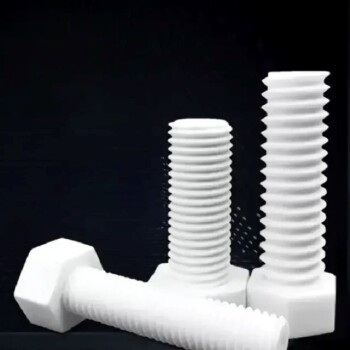
- High Quality Alumina Ceramic Screw for Engineering Advanced Fine Ceramics with High Temperature Resistance and Insulation
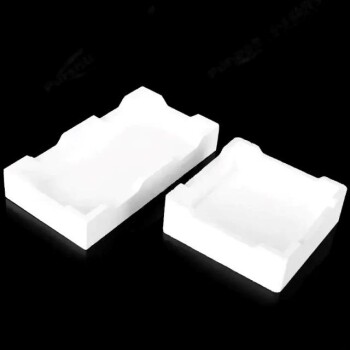
- High Purity Pure Graphite Crucible for Evaporation
People Also Ask
- Which materials are used as high temperature resistance materials? A Guide to Superalloys, Ceramics & Composites
- What is the high temperature variety of quartz? Unlock the Secrets of Beta-Quartz & Fused Quartz
- What is high temperature quartz? A Guide to Unmatched Thermal Stability & Purity
- What is the temperature range of quartz glass? Master Its Thermal Limits for Demanding Applications
- What is optical quartz? The Ultimate Material for UV and High-Temp Optics