The cooling system at the outlet of a pyrolysis tube furnace is the bridge between high-temperature reaction and product recovery. This system is required to condense volatile gases into liquid products like bio-oil and tar, which is essential for chemical analysis. Simultaneously, it protects downstream equipment from heat and corrosion while ensuring the safety of the solid biochar by preventing spontaneous combustion.
A cooling or condensation system is a multi-functional component that enables the recovery of liquid-phase products, safeguards laboratory equipment from corrosive gases, and stabilizes high-temperature materials for safe handling and analysis.
Capturing Liquid-Phase Products
Recovery of Bio-Oil and Tar
Pyrolysis generates high-temperature volatile gases that must undergo rapid heat exchange to transform into a liquid state. By quenching these hydrocarbon vapors, the system recovers liquid bio-oil and heavy components like phenols and ketones.
Facilitating Chemical Analysis
Effective capture of these liquid-phase products is a prerequisite for advanced analytical techniques. Without condensation, researchers cannot use gas chromatography-mass spectrometry (GC-MS) to accurately identify and quantify the chemical composition of the liquid products.
Protecting Equipment and Ensuring Safety
Mitigating Corrosion and Heat Damage
The system cools gaseous reaction products, such as water vapor and hydrogen chloride (HCl), before they exit the system. This prevents high-temperature, corrosive gases from damaging downstream gas washing bottles or entering the laboratory exhaust system.
Preventing Spontaneous Combustion
Solid products like biochar must be cooled to below 100°C before exposure to the atmosphere. If biochar is collected while hot, contact with external oxygen can lead to spontaneous combustion, destroying the sample and creating a fire hazard.
Enhancing Experimental Precision
Staged Fractionation and Purity
Modern systems often use a staged collection strategy, utilizing both condensers and cold traps. While a condenser liquefies heavy components into pyrolysis oil, a cold trap uses extremely low temperatures to capture light condensable substances, increasing the purity of remaining precursor gases.
Safeguarding Sensitive Instrumentation
In vertical furnaces, cooling jackets are installed to shield high-precision electronic balances from thermal radiation. This thermal management prevents measurement drift, ensuring the reliability of weight loss data during high-temperature experiments.
Understanding the Trade-offs
Temperature Control Challenges
The recovery rate and the specific distribution of chemical fractions are highly sensitive to the condensation temperature. If the cooling is too aggressive, you may capture unwanted moisture; if it is too weak, valuable light volatiles will escape as gas.
Maintenance and Clogging Risks
As high-boiling-point components condense into liquid tar, they can become highly viscous or solidify within the outlet. This creates a risk of system blockages, which can lead to pressure buildup inside the tube furnace if not monitored and cleaned regularly.
How to Apply This to Your Project
Making the Right Choice for Your Goal
- If your primary focus is liquid fuel production: Prioritize a high-efficiency water-cooled condenser to maximize the recovery rate of heavy hydrocarbon bio-oils.
- If your primary focus is carbon nanostructure synthesis: Implement a staged system with a cold trap to ensure the precursor gases are free from heavy oil contaminants.
- If your primary focus is biochar characterization: Ensure the cooling stage brings the solid product below 100°C in an inert atmosphere to preserve its porous structure and prevent oxidation.
- If your primary focus is kinetic weight loss data: Use a cooling jacket specifically designed to isolate the weighing mechanism from the furnace's thermal zone.
By integrating a robust cooling system, you transform a high-temperature gas stream into a manageable, measurable, and safe set of research products.
Summary Table:
| Function | Key Benefit | Typical Components |
|---|---|---|
| Product Recovery | Captures bio-oil and tar for chemical analysis (GC-MS) | Condensers, Cold Traps |
| Equipment Protection | Prevents heat and corrosion damage to downstream tools | Cooling Jackets, Heat Exchangers |
| Safety Management | Cools biochar below 100°C to prevent spontaneous combustion | Water-cooled Outlets, Inert Cooling Zones |
| Experimental Precision | Shields electronic balances from thermal drift and radiation | Thermal Shields, Cooling Jackets |
Optimize Your Pyrolysis Workflow with KINTEK Precision
Achieving high-purity results in pyrolysis requires more than just heat—it demands expert thermal management and recovery systems. KINTEK specializes in high-performance laboratory equipment, offering a comprehensive range of tube furnaces, rotary furnaces, and CVD systems tailored for advanced research.
To complement your high-temperature reactions, we provide robust cooling solutions, including cold traps, ULT freezers, and freeze dryers, ensuring maximum recovery of volatile products and the protection of your sensitive instrumentation. Whether you are producing bio-oil or synthesizing carbon nanostructures, KINTEK delivers the reliability and precision your lab needs.
Ready to enhance your lab's efficiency? Contact our experts today for a customized equipment solution!
References
- Lichao Ge, Chang Xu. Study on Isothermal Pyrolysis and Product Characteristics of Basic Components of Waste Wind Turbine Blades. DOI: 10.2139/ssrn.4341317
This article is also based on technical information from Kintek Solution Knowledge Base .
Related Products
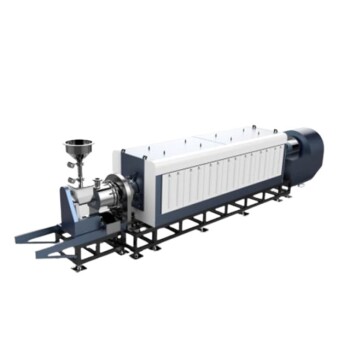
- Electric Rotary Kiln Small Rotary Furnace Biomass Pyrolysis Plant
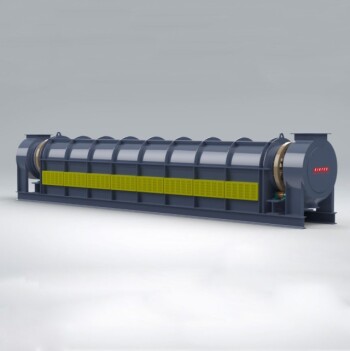
- Electric Rotary Kiln Pyrolysis Furnace Plant Machine Calciner Small Rotary Kiln Rotating Furnace
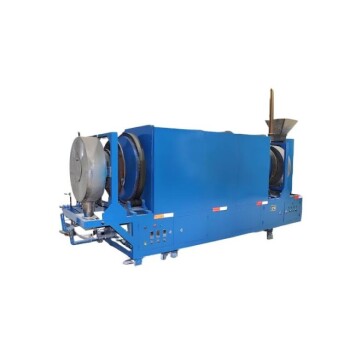
- Electric Rotary Kiln Continuous Working Small Rotary Furnace Heating Pyrolysis Plant
- High Temperature Alumina (Al2O3) Furnace Tube for Engineering Advanced Fine Ceramics
- 1400℃ Laboratory High Temperature Tube Furnace with Alumina Tube
People Also Ask
- What is the temperature of a rotating kiln? It Depends on Your Material and Process Goal
- What are the principles of a rotary kiln? Master the Mechanics of High-Temperature Processing
- What are the different types of calciners? A Guide to Selecting the Right Thermal Processing Equipment
- Is rotary kiln a furnace? Discover the Key Differences for Industrial Processing
- How are rotary kilns heated? Direct vs. Indirect Heating Methods Explained