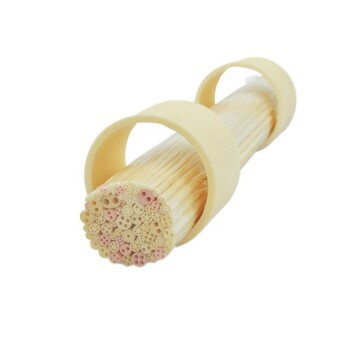
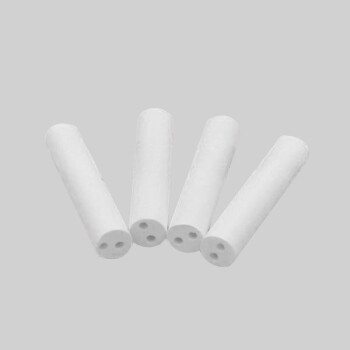
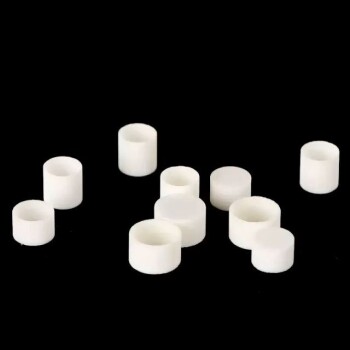
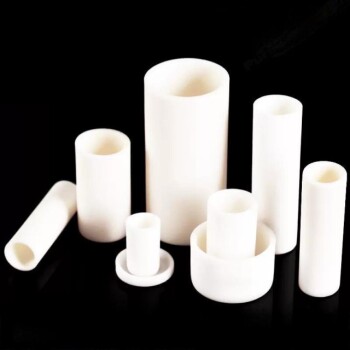
The integrity of noble metal thermocouples depends entirely on effective isolation from environmental contaminants. High-purity alumina (Al2O3) protection tubes are strictly necessary to prevent silicon impurities from penetrating the platinum thermoelectrodes. Without this specific barrier, the platinum reacts with silicon, leading to rapid material embrittlement and a catastrophic loss of measurement accuracy.
In high-temperature reducing atmospheres, even trace amounts of silicon will chemically attack platinum wires. High-purity alumina provides the essential chemically inert and gas-tight barrier required to preserve the thermocouple's structural stability and thermoelectric precision.
The Mechanism of Failure: Silicon Contamination
The Vulnerability of Platinum
Noble metal thermocouples, such as the S-type (Platinum/Rhodium), are highly sensitive to their chemical environment. When exposed to high temperatures, particularly in reducing atmospheres, platinum becomes susceptible to contamination.
Silicon-Induced Embrittlement
The primary threat is the penetration of silicon impurities. As silicon diffuses into the platinum thermoelectrodes, it alters the grain structure of the metal. This reaction causes the wire to become extremely brittle, leading to mechanical failure and physical breakage of the sensor.
Loss of Thermoelectric Accuracy
Beyond physical damage, chemical contamination fundamentally changes the electrical properties of the metal. Even trace amounts of silicon drastically alter the thermoelectric characteristics of the couple. This results in significant data drift, rendering high-precision measurements unreliable.
Why High-Purity Alumina is the Solution
Superior Chemical Inertness
High-purity alumina is selected for its exceptional chemical stability. It acts as a neutral shield, creating a barrier that prevents silicon and other reducing agents from reaching the sensitive platinum wires. This inertness is the primary factor in extending the service life of the sensor.
Gas Tightness and Isolation
To function effectively, the protection tube must be dense and gas-tight. High-purity dense alumina creates a hermetic seal around the thermoelectrodes. This functions as an inner wall that physically isolates the platinum from the reaction media while maintaining a stable internal environment.
Efficient Thermal Transfer
Despite acting as a robust shield, the material must not impede the measurement itself. High-purity alumina possesses high thermal conductivity. It efficiently transfers heat from the environment to the sensor, ensuring that the protection provided does not come at the cost of responsiveness.
Common Pitfalls and Considerations
The "High-Purity" Requirement is Absolute
It is a common error to substitute standard ceramic tubes for high-purity alumina to reduce costs. Standard ceramics often contain binders or lower-grade oxides that can outgas silicon or other impurities at high temperatures. Using anything less than high-purity alumina introduces the exact contaminants you are trying to exclude.
Physical Fragility
While alumina offers superior resistance to elevated temperatures and pressures, it remains a ceramic material. It lacks the ductility of metal and is susceptible to thermal shock. While it protects the wire from chemistry, the tube itself requires careful handling to avoid mechanical fracture during installation or rapid temperature changes.
Making the Right Choice for Your Goal
When specifying protection tubes for S-type or other noble metal thermocouples, align your choice with your operational priorities:
- If your primary focus is Equipment Longevity: Prioritize high-purity alumina to prevent the silicon-based embrittlement that causes premature wire breakage.
- If your primary focus is Data Integrity: Use high-purity alumina to eliminate the chemical contamination that causes voltage drift and false temperature readings.
- If your primary focus is Harsh Environments: Rely on the dense structure of alumina to withstand high pressures and corrosive reducing atmospheres where metal tubes would fail.
By utilizing high-purity alumina, you convert a fragile sensor into a robust, industrial-grade instrument capable of maintaining precision over the long term.
Summary Table:
| Feature | High-Purity Alumina (Al2O3) | Standard Ceramics |
|---|---|---|
| Chemical Stability | Exceptional; inert to reducing agents | Lower; potential for outgassing |
| Silicon Content | Trace/None; prevents embrittlement | Variable; risks platinum contamination |
| Gas Tightness | High; provides hermetic isolation | Moderate to Low |
| Thermal Conductivity | High; ensures rapid response | Variable |
| Key Benefit | Preserves sensor accuracy & life | Cost-effective but high-risk |
Protect Your High-Precision Measurements with KINTEK
Don't compromise your data integrity with substandard protection. KINTEK specializes in high-performance laboratory solutions, providing the high-purity alumina tubes and ceramics essential for preserving your noble metal thermocouples.
Our extensive portfolio supports every stage of thermal processing and material research, including:
- High-Temperature Furnaces: Muffle, tube, vacuum, and CVD systems.
- Precision Tools: High-pressure reactors, autoclaves, and hydraulic presses.
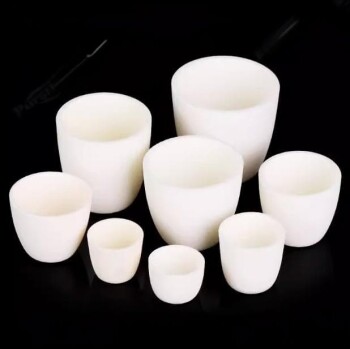
- Essential Consumables: Premium PTFE products, dense ceramics, and high-purity crucibles.
Ensure your sensors withstand the harshest environments. Contact KINTEK today to consult with our experts and find the perfect high-purity solutions for your lab's success.
References
- Vasyl Fedynets, Ihor Vasylkivskyi. Theory and Practice of Temperature Measurement by Thermoelectric Transducers. DOI: 10.23939/jeecs2023.02.082
This article is also based on technical information from Kintek Solution Knowledge Base .
Related Products
- High Temperature Aluminum Oxide (Al2O3) Protective Tube for Engineering Advanced Fine Ceramics
- Hexagonal Boron Nitride HBN Thermocouple Protection Tube
- High Temperature Alumina (Al2O3) Furnace Tube for Engineering Advanced Fine Ceramics
- 1700℃ Laboratory High Temperature Tube Furnace with Alumina Tube
- High Purity Alumina Granulated Powder for Engineering Advanced Fine Ceramics
People Also Ask
- What is the process of alumina tube manufacturing? From Powder to High-Performance Ceramic
- What is the heating rate for alumina tubes? A Variable Schedule to Prevent Thermal Shock
- How do alumina ceramic tubes address technical challenges in electrochemical devices? Ensure Peak Signal Integrity.
- What is the working temperature of alumina tube? Achieve Safe & Reliable High-Temp Processing
- What is the maximum temperature for alumina tube? Unlock Its Full Potential with High Purity