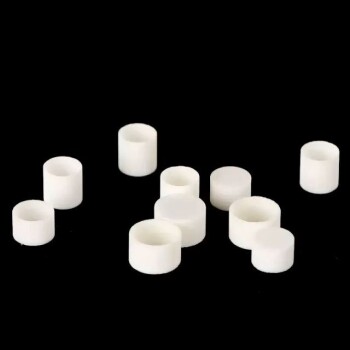
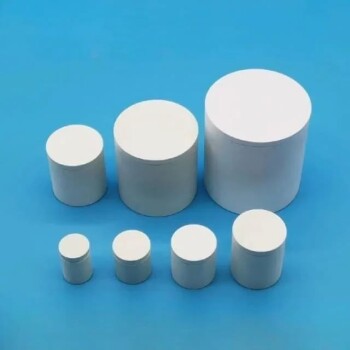
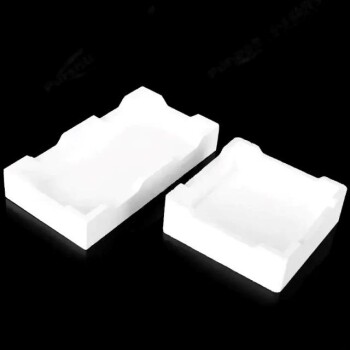
High-temperature ceramic crucibles are the indispensable foundation of pyrolysis because they provide a chemically inert, thermally stable environment that prevents sample contamination and furnace degradation. These carriers maintain their structural integrity at temperatures exceeding 1000°C, ensuring that neither the biomass feedstock nor aggressive chemical activators react with the container. By isolating the sample, they protect the expensive inner walls of the furnace from corrosive volatiles and enable the precise recovery of biochar for accurate yield analysis.
Ceramic crucibles act as a critical thermal and chemical barrier, preserving the purity of the reaction while safeguarding laboratory equipment. Their use is the only way to ensure that the resulting biochar and experimental data are representative of the material itself rather than a byproduct of container interaction.
Ensuring Chemical and Physical Purity
Chemical Inertness Under Extreme Heat
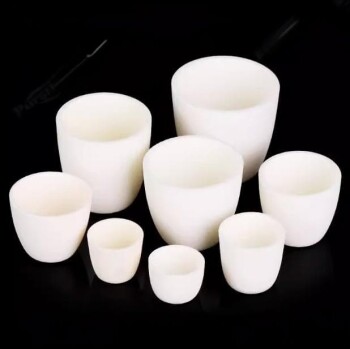
High-temperature ceramics, such as corundum or alumina, do not react with biomass or chemical additives like KOH and calcium salts. This inertness is vital during pyrolysis, as it prevents the crucible material from melting into or bonding with the reactants.
Prevention of External Impurities
Because high-quality ceramics do not volatilize at high temperatures, they introduce zero external impurities into the biochar. This allows researchers to perform accurate physicochemical analyses and study adsorption mechanisms without interference from container-derived contaminants.
Facilitating Biomass Phase Changes
As biomass undergoes complex phase changes during heating, the crucible provides a stable physical support structure. It contains the material as it transitions from a solid to a molten or carbonized state, ensuring the sample remains localized and manageable.
Protection of High-Value Equipment
Preventing Furnace Tube Corrosion
Pyrolysis often releases aggressive volatiles that can be highly corrosive to the inner walls of a tube furnace. The crucible acts as a primary containment vessel, significantly reducing the direct contact between these vapors and the furnace’s heating elements or structural tubes.
Extending Service Life
By preventing direct contact between the sample and the furnace, crucibles prevent permanent staining or chemical etching of the equipment. This protective layer is essential for maintaining the operational lifespan of expensive high-temperature laboratory furnaces.
Mitigation of Material Leakage
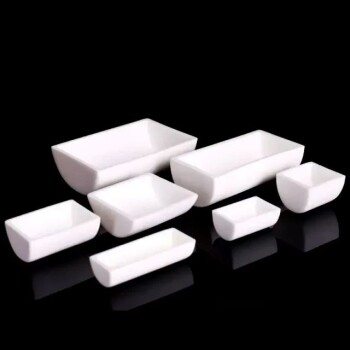
Powdered samples or liquefied biomass components can fuse to the furnace interior if not properly contained. Ceramic boats and crucibles ensure that all reactions are confined to a removable, cleanable carrier.
Maximizing Experimental Precision
Accurate Yield Calculations
Ceramic carriers allow for the complete recovery of char residues after the pyrolysis process is complete. This total recovery is necessary for weighing the remaining mass and calculating precise solid yields, which is a fundamental metric in carbon research.
Uniform Thermal Distribution
High-performance ceramics offer excellent thermal conductivity, which promotes uniform heating throughout the sample. Consistent heat distribution is critical for creating materials with uniform pore structures, such as nitrogen-doped carbons.
Reliability of Data
Using a standardized, non-reactive carrier ensures that experimental results are repeatable across different trials. Without the stability of a ceramic crucible, variations in container-sample reactions would render the data scientifically unreliable.
Understanding the Trade-offs
Thermal Shock Sensitivity
While ceramic crucibles are highly heat-resistant, they can be brittle and prone to cracking if subjected to rapid temperature changes. Users must implement controlled heating and cooling rates to avoid "thermal shock" that could shatter the crucible and ruin the sample.
Material Compatibility Limits
No single ceramic is universal; for instance, while corundum is excellent for many applications, specific highly basic or acidic activators may require specialized materials like zirconia. Selecting the wrong type of ceramic for a specific chemical activator can lead to premature crucible failure.
Porosity and Cleaning Challenges
Some ceramic materials possess a degree of porosity that can trap microscopic residues from previous experiments. To maintain high-level purity, crucibles must be rigorously cleaned or treated as consumables in ultra-sensitive applications.
How to Apply This to Your Project
Selecting the Right Carrier
- If your primary focus is protecting furnace integrity: Choose high-walled ceramic boats that maximize the distance between volatiles and the furnace tube.
- If your primary focus is chemical activation (e.g., KOH): Prioritize high-purity alumina or corundum crucibles to ensure no reaction occurs with the activator.
- If your primary focus is yield precision: Use lightweight, shallow ceramic boats that facilitate complete sample recovery and high-precision weighing.
- If your primary focus is consistent pore structure: Select ceramics with high thermal conductivity to ensure the sample reaches the target temperature simultaneously throughout its volume.
The strategic use of high-temperature ceramic crucibles is not merely a laboratory convenience, but a technical requirement for valid, high-purity pyrolysis results.
Summary Table:
| Feature | Benefit for Pyrolysis | Impact on Results |
|---|---|---|
| Chemical Inertness | Prevents reactions with biomass or activators | Ensures high-purity biochar and data |
| Thermal Stability | Maintains integrity at 1000°C+ | Safe containment of molten/solid phases |
| Corrosion Barrier | Shields furnace walls from aggressive volatiles | Extends lifespan of expensive furnace tubes |
| Thermal Conductivity | Promotes uniform heat distribution | Creates consistent material pore structures |
| Total Recovery | Facilitates complete char collection | Enables precise yield and mass calculations |
Elevate Your Pyrolysis Precision with KINTEK
High-purity results start with the right carriers and the most reliable heating environments. KINTEK specializes in high-performance laboratory equipment designed for the most demanding thermal processes.
Whether you need high-purity alumina and corundum crucibles to ensure sample integrity or advanced tube, muffle, and vacuum furnaces to power your research, our portfolio is engineered for excellence. We also offer specialized high-temperature high-pressure reactors, crushing systems, and essential ceramics to support your entire carbon research workflow.
Ready to safeguard your equipment and maximize experimental accuracy?
Contact KINTEK today for expert solutions and high-quality consumables!
References
- Mariem Zouari, David DeVallance. Effect of demineralization and ball milling treatments on the properties of Arundo donax and olive stone-derived biochar. DOI: 10.1007/s13762-023-04968-9
This article is also based on technical information from Kintek Solution Knowledge Base .
Related Products
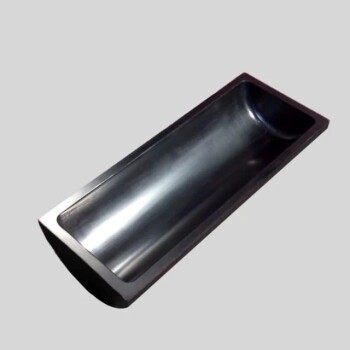
- Arc-Shaped Alumina Ceramic Crucible High Temperature Resistant for Engineering Advanced Fine Ceramics
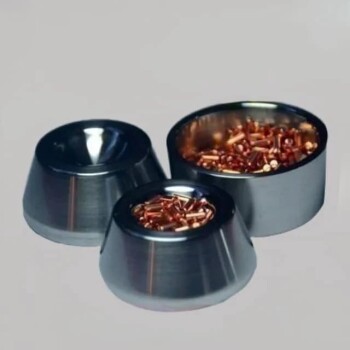
- Electron Beam Evaporation Coating Tungsten Crucible and Molybdenum Crucible for High Temperature Applications
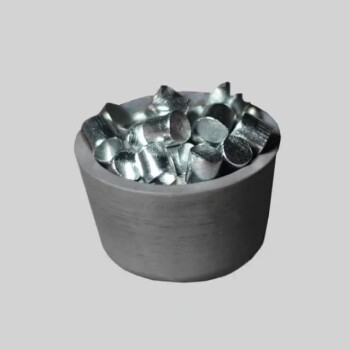
- High Purity Pure Graphite Crucible for Evaporation
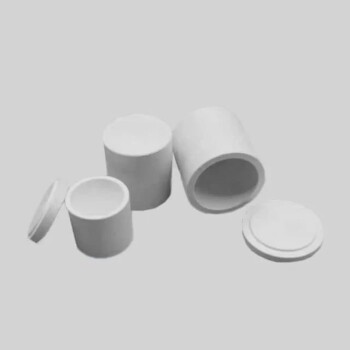
- Alumina Al2O3 Ceramic Crucible Semicircle Boat with Lid for Engineering Advanced Fine Ceramics
- Custom Machined and Molded PTFE Teflon Parts Manufacturer with PTFE Crucible and Lid
People Also Ask
- Why Use Alumina Crucibles & Powder Burial for NaSICON? Ensure Phase Purity and Prevent Elemental Volatilization
- What is the primary purpose of using alumina crucibles for LLTO ceramics? Optimize Your High-Temperature Sintering
- Why are alumina crucibles and mother powder essential for LATP sintering? Optimize Your Solid Electrolyte Performance
- Why are high-purity alumina crucibles used for liquid lead corrosion experiments? Ensure Data Accuracy at 550°C
- Primary considerations for choosing alumina crucibles and quartz tubes in indium intercalation: Ensure Material Purity