All Questions
What Are The Disadvantages Of Tungsten? Navigating Its Brittleness And High Fabrication Costs
Explore the key drawbacks of tungsten, including brittleness at room temperature, difficult machining, and high processing costs that limit its applications.
What Is The Melting Point Of Tungsten? Discover The Metal That Withstands Extreme Heat
Learn why tungsten's 3422°C melting point makes it essential for high-temperature applications like filaments, heating elements, and furnace components.
What Are Heating Elements With Tungsten? Unlock Extreme Heat For Vacuum & Industrial Processes
Learn how tungsten heating elements achieve temperatures up to 2400°C in vacuum environments. Discover their applications, advantages, and critical operating requirements.
Why Is Tungsten So Heat Resistant? Unlocking Its Atomic Secrets For Extreme Temperatures
Discover how tungsten's atomic structure, including strong metallic bonds and a dense crystal lattice, gives it the highest melting point of any metal.
Is Tungsten Shock Resistant? Uncovering The Surprising Brittleness Of A Hard Metal
Learn why tungsten, despite its extreme hardness and density, is brittle and prone to shattering under impact at room temperature.
What Are The Advantages And Disadvantages Of Tungsten? Master Extreme Heat & Wear Resistance
Explore tungsten's unmatched melting point, hardness, and density, balanced against its brittleness, weight, and difficult fabrication.
What Are The Advantages Of Using Tungsten? Achieve Unmatched Performance In Extreme Environments
Discover tungsten's key advantages: highest melting point, extreme hardness, and low vapor pressure for superior performance in high-temperature applications.
What Metal Is Closest To Tungsten? Find The Best Alternative For Your High-Temp Needs
Discover the top alternatives to tungsten: Rhenium for extreme heat, Molybdenum for cost-effectiveness, and Tantalum for ductility. Make the right choice for your project.
Which Is Better Nichrome Or Tungsten? Choose The Right Heating Element For Your Application
Nichrome vs. Tungsten: Compare melting points, oxidation resistance, and cost to select the best heating element for your specific needs.
What Is The Best Substitute For Tungsten? Choose The Right Material For Your Application
Find the best tungsten substitute based on your needs: hardness, high-temperature strength, or high density. Learn about ceramics, molybdenum, and more.
Why Tungsten Is Not Used In Heating Devices? The Critical Role Of Oxidation Resistance
Learn why tungsten's high melting point isn't enough for heating elements. Discover the oxidation problem and why alloys like Nichrome are superior for open-air use.
What Is The Suitability Of Tungsten As An Electrical Conducting Material For Heating Applications? Master Extreme High-Temperature Heating
Explore tungsten's unique properties for heating elements: unmatched melting point, high electrical resistance, and strength at extreme temperatures.
Can Tungsten Withstand High Temperature? Unlocking Its Full Potential In Extreme Heat Environments
Learn why tungsten's 3422°C melting point makes it ideal for high-temperature applications, but only when protected from oxygen in vacuum or inert gas atmospheres.
What Happens To Tungsten When Heated? Discover Its Extreme Heat Resistance And Unique Properties
Learn why tungsten has the highest melting point of all metals, its key behaviors under extreme heat, and its critical applications in high-temperature environments.
Are There Different Types Of Heating Elements? Choose The Right Heater For Your Application
Compare metal, tubular, ceramic & composite heating elements. Learn their pros, cons, and how to select the best type for your specific needs.
What Is The Best Material For High Temperature Furnace Elements To Be Used In Oxidizing Atmospheres? Choose The Right Element For Your Lab
Compare FeCrAl, SiC, and MoSi₂ heating elements for high-temperature oxidizing atmospheres. Find the best material for your furnace's temperature and budget.
What Are The Causes Of Failure Of Heating Elements? Prevent Downtime With Proper Operation
Learn the main causes of heating element failure: excessive temperature causing oxidation and thermal stress from on/off cycling. Maximize lifespan.
What Are The Symptoms Of A Bad Thermocouple? Diagnose A Pilot Light That Won't Stay Lit
Learn the key signs of a failing thermocouple, like a pilot light that won't stay lit, and how to diagnose the issue safely.
What Is The Maximum Temperature For A Heating Element? A Guide To Material Limits & Lifespan
Learn how material choice, atmosphere, and design impact heating element max temperature, from Nichrome (1200°C) to MoSi2 (1800°C+).
What Are The High Temperature Furnace Elements To Be Used In Oxidizing Environments? Select The Right Element For Your Lab
Compare FeCrAl, NiCr, SiC, and MoSi2 heating elements for high-temperature oxidizing atmospheres. Find the best choice for your temperature and budget.
What Is The Highest Temperature Heating Element? Choosing The Right Element For Your Application
Discover the highest temperature heating elements for air or vacuum, from graphite (3000°C) to MoSi₂ (1850°C), and how to select the right one.
What Are The Heating Elements For High Temperature Furnaces? Select The Right Element For Your Atmosphere
Guide to high-temperature furnace heating elements: MoSi2, SiC, graphite, and refractory metals. Choose based on your furnace's atmosphere and temperature needs.
What Is A Graphite Rod? The Essential High-Temp, High-Conductivity Component
Discover the properties, applications, and trade-offs of graphite rods. Learn why this engineered carbon material is vital for extreme industrial processes.
What Is Graphite Heating? A Guide To Durable, High-Temp Industrial Furnace Solutions
Learn how graphite heating uses electrical resistance for rapid, cost-effective high-temperature processing in vacuum furnaces for sintering and heat treatment.
Can Graphite Be Used As A Heating Element? Discover Its High-Temp Power In Controlled Environments
Learn why graphite is a top choice for heating elements in vacuum & inert gas furnaces, offering high efficiency and cost savings above 1200°C.
What Is The Melting Point Of Tungsten In A Vacuum? The Real Limit Is Sublimation, Not Melting
Learn why tungsten's practical limit in a vacuum is sublimation, not its 3422°C melting point, and how to optimize its use for your high-temperature applications.
Is Tungsten A Good Heating Element? Unlock Extreme Temperatures In Vacuum Environments
Discover why tungsten's high melting point (3422°C) makes it ideal for high-temperature vacuum furnaces and metallizing, but unsuitable for open air.
Why Is Tungsten Used In Furnaces? Unmatched Heat Resistance For Extreme Temperatures
Discover why tungsten's high melting point (3422°C) makes it ideal for furnace components operating above 2000°C, ensuring structural integrity and cleanliness.
Related Products
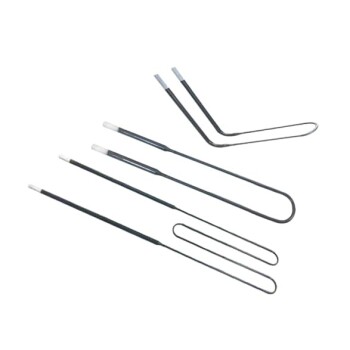
Molybdenum Disilicide (MoSi2) Thermal Elements Electric Furnace Heating Element
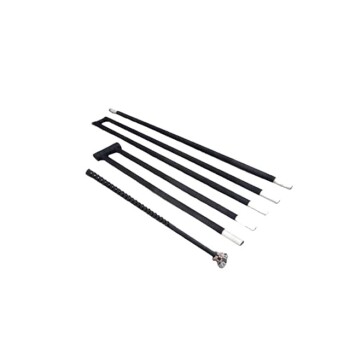
Silicon Carbide SiC Thermal Heating Elements for Electric Furnace
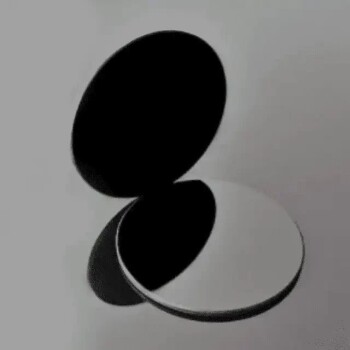
Infrared Thermal Imaging Temperature Measurement Double-Sided Coated Germanium Ge Lens

Laboratory Rapid Thermal Processing (RTP) Quartz Tube Furnace
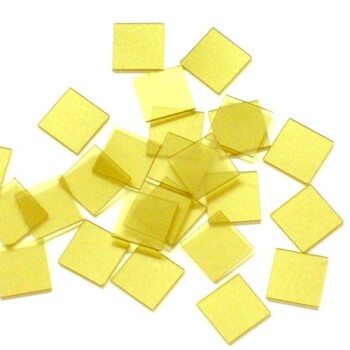
CVD Diamond for Thermal Management Applications
