Knowledge Can incubator be used for drying? Avoid damaging your samples and equipment
Author avatar

Tech Team · Kintek Solution

Updated 6 days ago

Can incubator be used for drying? Avoid damaging your samples and equipment


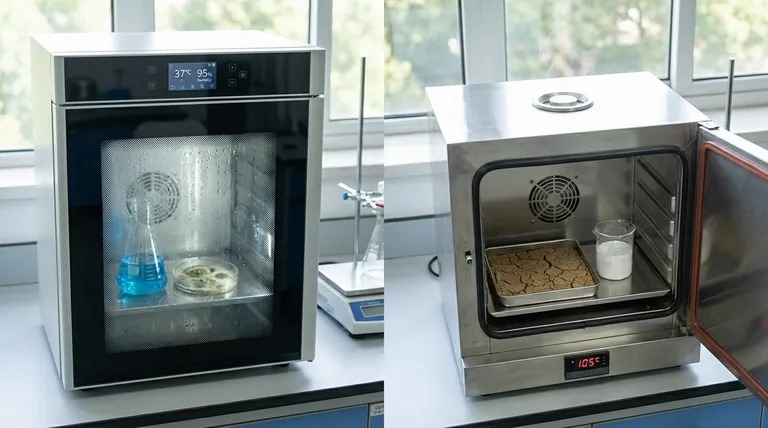
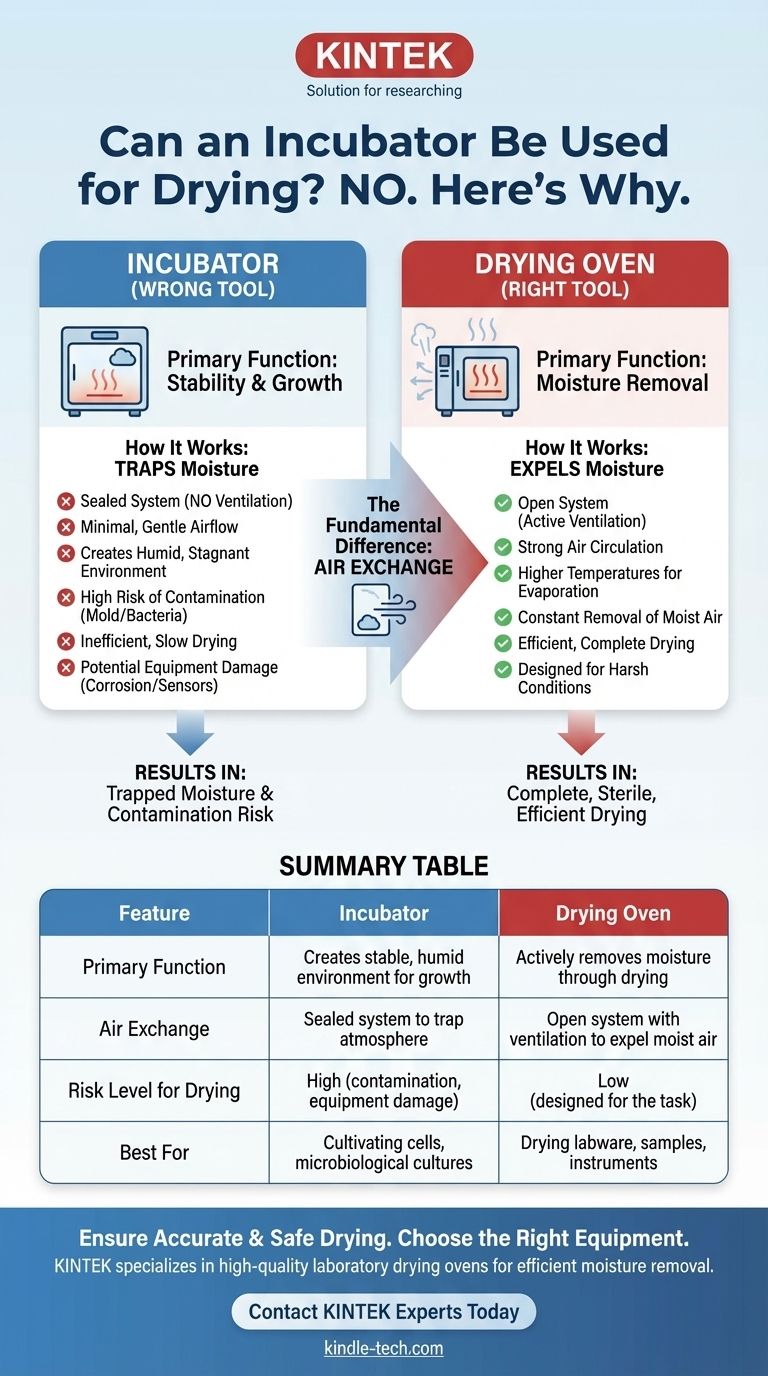
Yes, an incubator can technically be used for very light drying, but it is fundamentally the wrong tool for the task. An incubator is engineered to create a stable, often humid, and controlled environment ideal for growth. In contrast, a drying oven is designed specifically to remove moisture through higher heat and, most critically, active ventilation. Using an incubator for drying is highly inefficient and poses significant risks to your sample and the equipment itself.

The core distinction comes down to a single principle: air exchange. An incubator is a sealed system designed to trap a controlled atmosphere, while a drying oven is an open system designed to expel moist air. This makes an incubator a poor choice for any serious drying application.
Can incubator be used for drying? Avoid damaging your samples and equipment

The Fundamental Difference: Environment Control vs. Moisture Removal

To understand why using an incubator for drying is problematic, it's essential to recognize the core purpose behind each piece of equipment. They are designed with opposing goals in mind.

How an Incubator Works

An incubator's primary function is stability. It provides precise, gentle heating within a sealed chamber to maintain a consistent temperature for biological growth.

Many models also control humidity and gas levels (like CO2) to mimic physiological conditions. Air circulation is minimal and gentle to prevent samples from drying out or being disturbed.

How a Drying Oven Works

A drying oven's primary function is moisture removal. It uses higher temperatures to accelerate evaporation and incorporates a ventilation system—often an adjustable port or a fan—to exhaust the resulting water vapor.

This constant removal of moist air is what allows the contents to become completely dry. Without it, the air inside would quickly become saturated, and the drying process would stop.

The Inherent Risks of Using an Incubator for Drying

Attempting to use an incubator as a makeshift oven introduces several problems that can compromise your work and damage your equipment.

The Problem of Trapped Moisture

When you place a wet item in a heated, sealed incubator, the water will evaporate. However, that water vapor has nowhere to go.

The air inside the chamber quickly becomes saturated with moisture. This leads to extreme inefficiency, condensation on the chamber walls and your samples, and an environment that prevents complete drying.

The High Risk of Contamination

A warm, humid, and stagnant environment is the perfect breeding ground for fungi, mold, and bacteria.

By introducing excess moisture, you risk contaminating not only the item you are trying to dry but the entire incubator. This can compromise all future experiments performed in that unit.

Potential Damage to the Incubator

Incubators, especially those with sensitive electronics for CO2 or humidity control, are not designed to handle high levels of condensation.

Persistent moisture can lead to corrosion of internal components or damage to delicate sensors, resulting in costly repairs and invalidating the incubator's primary function.

Making the Right Choice for Your Application

Your decision must be driven by the requirements of your process and a respect for the function of your lab equipment. Using the wrong tool for the job is not a shortcut; it's a liability.

  • If your primary focus is cultivating cells or microbiological cultures: Never use your incubator for drying. The risk of widespread, persistent contamination is far too high.
  • If your primary focus is drying lab samples, glassware, or instruments: You must use a dedicated laboratory or drying oven. It is the only way to ensure efficient, complete, and sterile results.
  • If you are in an emergency with a non-critical, slightly damp item: You could theoretically use an incubator at a low temperature, but you must accept the risks of slow performance, condensation, and potential contamination.

Ultimately, choosing the right instrument is fundamental to ensuring your results are repeatable and your equipment remains reliable.

Summary Table:

Feature Incubator Drying Oven
Primary Function Creates stable, humid environment for growth Actively removes moisture through drying
Air Exchange Sealed system to trap atmosphere Open system with ventilation to expel moist air
Risk Level for Drying High (contamination, equipment damage) Low (designed for the task)
Best For Cultivating cells, microbiological cultures Drying labware, samples, instruments

Ensure accurate and safe drying in your lab. Using the right equipment is critical for reliable results and protecting your investment. KINTEK specializes in high-quality laboratory drying ovens designed for efficient moisture removal without the risks of contamination or equipment damage.

Contact our experts today to find the perfect drying solution for your specific application and safeguard your laboratory processes.

Visual Guide
Can incubator be used for drying? Avoid damaging your samples and equipment Visual Guide

Related Products

People Also Ask

Related Products

Benchtop Laboratory Freeze Dryer for Lab Use

Benchtop Laboratory Freeze Dryer for Lab Use

Premium benchtop laboratory freeze dryer for lyophilization, preserving samples with ≤ -60°C cooling. Ideal for pharmaceuticals & research.

Benchtop Laboratory Vacuum Freeze Dryer

Benchtop Laboratory Vacuum Freeze Dryer

Benchtop laboratory freeze dryer for efficient lyophilization of biological, pharmaceutical, and food samples. Features intuitive touchscreen, high-performance refrigeration, and durable design. Preserve sample integrity—consult now!

Laboratory Test Sieves and Sieving Machines

Laboratory Test Sieves and Sieving Machines

Precision lab test sieves & sieving machines for accurate particle analysis. Stainless steel, ISO-compliant, 20μm-125mm range. Request specs now!

Laboratory Sterilizer Lab Autoclave Pulse Vacuum Lifting Sterilizer

Laboratory Sterilizer Lab Autoclave Pulse Vacuum Lifting Sterilizer

The pulse vacuum lifting sterilizer is a state-of-the-art equipment for efficient and precise sterilization. It uses pulsating vacuum technology, customizable cycles, and a user-friendly design for easy operation and safety.

Small Vacuum Heat Treat and Tungsten Wire Sintering Furnace

Small Vacuum Heat Treat and Tungsten Wire Sintering Furnace

The small vacuum tungsten wire sintering furnace is a compact experimental vacuum furnace specially designed for universities and scientific research institutes. The furnace features a CNC welded shell and vacuum piping to ensure leak-free operation. Quick-connect electrical connections facilitate relocation and debugging, and the standard electrical control cabinet is safe and convenient to operate.

Engineering Advanced Fine Ceramics Aluminum Oxide Al2O3 Heat Sink for Insulation

Engineering Advanced Fine Ceramics Aluminum Oxide Al2O3 Heat Sink for Insulation

The hole structure of the ceramic heat sink increases the heat dissipation area in contact with the air, which greatly enhances the heat dissipation effect, and the heat dissipation effect is better than that of super copper and aluminum.

1700℃ Laboratory Quartz Tube Furnace with Alumina Tube Tubular Furnace

1700℃ Laboratory Quartz Tube Furnace with Alumina Tube Tubular Furnace

Looking for a high-temperature tube furnace? Check out our 1700℃ Tube Furnace with Alumina Tube. Perfect for research and industrial applications up to 1700C.

Anti-Cracking Press Mold for Lab Use

Anti-Cracking Press Mold for Lab Use

The anti-cracking press mold is a specialized equipment designed for molding various shapes and sizes of film using high pressure and electric heating.

Laboratory Sterilizer Lab Autoclave Vertical Pressure Steam Sterilizer for Liquid Crystal Display Automatic Type

Laboratory Sterilizer Lab Autoclave Vertical Pressure Steam Sterilizer for Liquid Crystal Display Automatic Type

Liquid crystal display automatic vertical sterilizer is a safe, reliable and automatic control sterilization equipment, which is composed of heating system, microcomputer control system and overheating and overvoltage protection system.

Custom PTFE Teflon Parts Manufacturer for Centrifuge Tube Racks

Custom PTFE Teflon Parts Manufacturer for Centrifuge Tube Racks

The precision-made PTFE test tube racks are completely inert and, due to the high temperature properties of PTFE, these test tube racks can be sterilized (autoclaved) without any problems.

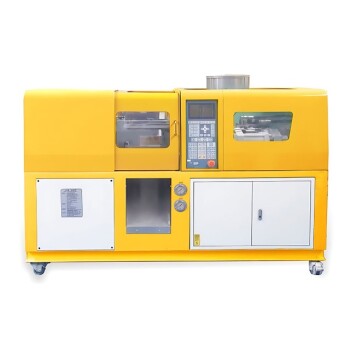
Small Injection Molding Machine for Lab Use

Small Injection Molding Machine for Lab Use

The small injection molding machinehas fast and stable movements; good controllability and repeatability, super energy saving; the product can be automatically dropped and formed; the machine body is low, convenient for feeding, easy to maintain, and no height restrictions on the installation site.

Small Jaw Crusher for Laboratory and Small Mines Efficient Flexible Affordable Laboratory Ore Crusher Coal Crusher

Small Jaw Crusher for Laboratory and Small Mines Efficient Flexible Affordable Laboratory Ore Crusher Coal Crusher

Discover the small jaw crusher for efficient, flexible, and affordable crushing in labs and small mines. Ideal for coal, ores, and rocks. Learn more now!

1200℃ Split Tube Furnace with Quartz Tube Laboratory Tubular Furnace

1200℃ Split Tube Furnace with Quartz Tube Laboratory Tubular Furnace

KT-TF12 split tube furnace: high-purity insulation, embedded heating wire coils, and max. 1200C. Widely used for new materials and chemical vapour deposition.

High Energy Vibratory Laboratory Ball Mill Grinding Mill Single Tank Type

High Energy Vibratory Laboratory Ball Mill Grinding Mill Single Tank Type

High-energy vibration ball mill is a small desktop laboratory grinding instrument.It can be ball-milled or mixed with different particle sizes and materials by dry and wet methods.

915MHz MPCVD Diamond Machine Microwave Plasma Chemical Vapor Deposition System Reactor

915MHz MPCVD Diamond Machine Microwave Plasma Chemical Vapor Deposition System Reactor

915MHz MPCVD Diamond Machine and its multi-crystal effective growth, the maximum area can reach 8 inches, the maximum effective growth area of single crystal can reach 5 inches. This equipment is mainly used for the production of large-size polycrystalline diamond films, the growth of long single crystal diamonds, the low-temperature growth of high-quality graphene, and other materials that require energy provided by microwave plasma for growth.

Lab-Scale Vacuum Induction Melting Furnace

Lab-Scale Vacuum Induction Melting Furnace

Get precise alloy composition with our Vacuum Induction Melting Furnace. Ideal for aerospace, nuclear energy, and electronic industries. Order now for effective smelting and casting of metals and alloys.

Vacuum Dental Porcelain Sintering Furnace

Vacuum Dental Porcelain Sintering Furnace

Get precise and reliable results with KinTek's Vacuum Porcelain Furnace. Suitable for all porcelain powders, it features hyperbolic ceramic furnace function, voice prompt, and automatic temperature calibration.

HFCVD Machine System Equipment for Drawing Die Nano-Diamond Coating

HFCVD Machine System Equipment for Drawing Die Nano-Diamond Coating

The nano-diamond composite coating drawing die uses cemented carbide (WC-Co) as the substrate, and uses the chemical vapor phase method ( CVD method for short ) to coat the conventional diamond and nano-diamond composite coating on the surface of the inner hole of the mold.

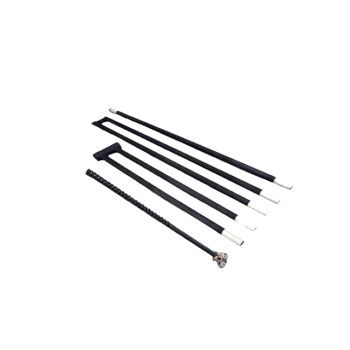
Silicon Carbide SiC Thermal Heating Elements for Electric Furnace

Silicon Carbide SiC Thermal Heating Elements for Electric Furnace

Experience the advantages of Silicon Carbide (SiC) Heating Element: Long service life, high corrosion and oxidation resistance, fast heating speed, and easy maintenance. Learn more now!

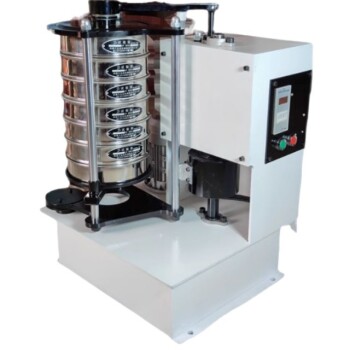
Laboratory Vibratory Sieve Shaker Machine Slap Vibrating Sieve

Laboratory Vibratory Sieve Shaker Machine Slap Vibrating Sieve

KT-T200TAP is a slapping and oscillating sieving instrument for laboratory desktop use, with 300 rpm horizontal circular motion and 300 vertical slapping motions to simulate manual sieving to help sample particles pass through better.


Leave Your Message