High-precision temperature detectors and heating mantles operate as a unified, closed-loop feedback control system. This mechanism continuously monitors internal conditions and automatically adjusts heat output to compensate for environmental heat loss. By neutralizing external thermal variances, the system ensures the strict temperature stability required to validate data in long-term carbonate rock reaction experiments.
In sequestration simulations lasting 15 days or longer, preventing thermal drift is not just about equipment safety; it is the fundamental prerequisite for calculating accurate mineral saturation indices.
The Mechanics of Thermal Control
The Closed-Loop Feedback System
Data quality begins with the interaction between the detector and the mantle. The high-precision detector acts as the sensor, constantly feeding real-time temperature data to the controller.
The heating mantle responds immediately to this data. It modulates its output to counteract cooling, creating a dynamic equilibrium that locks the temperature within a minimal fluctuation range.
Compensating for Environmental Loss
Long-term experiments are particularly vulnerable to changes in the laboratory environment. Over a period of 15 days, ambient room temperatures can shift significantly.
Without active compensation, heat loss to the environment would skew the internal reactor temperature. The heating mantle neutralizes this variable, ensuring the simulation environment remains isolated from external conditions.
Why Thermal Stability Defines Data Quality
Stabilizing CO2 Solubility
The solubility of CO2 is heavily dependent on temperature. Even minor fluctuations can alter how much gas dissolves into the liquid phase during the experiment.
If the temperature drifts, the solubility data becomes a moving target. High-precision control ensures that any observed changes in solubility are due to the rock-fluid interaction, not equipment instability.
Controlling Mineral Reaction Kinetics
Chemical reactions between carbonate rocks and CO2 are governed by kinetic rates that are sensitive to thermal energy.
Inconsistent temperatures introduce "noise" into the reaction rate data. To accurately measure the speed of mineralization, the thermal baseline must remain absolute throughout the entire 15-day cycle.
Reliability of Saturation Indices
The ultimate goal of these simulations is often to calculate the mineral saturation index. This calculation is derived from the solubility and kinetic data mentioned above.
If the input variables (solubility and kinetics) are compromised by thermal instability, the resulting saturation index will be mathematically flawed.
The Risks of Inadequate Control
The Danger of Cumulative Error
In short experiments, a brief temperature spike might be negligible. In simulations lasting over two weeks, however, small deviations can compound.
This cumulative error can lead to a divergence between the simulated model and the physical reality of the experiment, rendering the final dataset unusable for predictive modeling.
Misinterpreting Reaction Drivers
Without high-precision control, researchers face an analytical blind spot. It becomes difficult to distinguish whether a change in chemical composition was caused by the sequestration process or a drop in temperature.
Ensuring Experimental Integrity
To maximize the validity of your CO2 sequestration simulations, consider the following focus areas:
- If your primary focus is Thermodynamic Accuracy: Prioritize the feedback loop speed to ensure CO2 solubility remains constant despite external environmental shifts.
- If your primary focus is Kinetic Modeling: Ensure your heating mantle has the capacity to maintain a flat thermal profile over the full 15-day duration to prevent artificial reaction rate skewing.
Precision temperature control is the silent guardian of your data, transforming a volatile experiment into a reliable scientific standard.
Summary Table:
| Feature | Impact on Data Quality | Benefit for CO2 Sequestration |
|---|---|---|
| Closed-Loop Feedback | Eliminates thermal drift over 15+ days | Ensures consistent mineral saturation indices |
| Environmental Compensation | Neutralizes ambient temperature shifts | Maintains a stable thermodynamic baseline |
| Precise Output Modulation | Minimizes fluctuation in heating | Prevents noise in chemical reaction kinetic rates |
| High-Precision Detectors | Real-time internal monitoring | Distinguishes sequestration drivers from thermal variables |
Elevate Your Research Integrity with KINTEK Precision Solutions
Reliable CO2 sequestration modeling requires an absolute thermal baseline that only high-performance laboratory equipment can provide. At KINTEK, we specialize in empowering researchers with advanced high-temperature high-pressure reactors and autoclaves integrated with sophisticated thermal control systems. Whether you are conducting long-term mineral kinetics studies or complex thermodynamic simulations, our portfolio—including high-precision heating mantles, PTFE products, and ceramic crucibles—is designed to eliminate cumulative errors and ensure your datasets are publication-ready.
Ready to secure your experimental data? Contact KINTEK today to discover how our comprehensive range of laboratory systems can optimize your simulation accuracy.
References
- Kaisar Ahmat, Jie Li. CO2-Water-Rock Interactions in Carbonate Formations at the Tazhong Uplift, Tarim Basin, China. DOI: 10.3390/min12050635
This article is also based on technical information from Kintek Solution Knowledge Base .
Related Products
- Customizable Laboratory High Temperature High Pressure Reactors for Diverse Scientific Applications
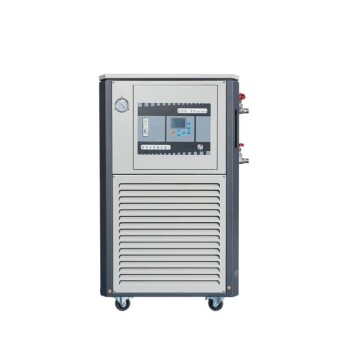
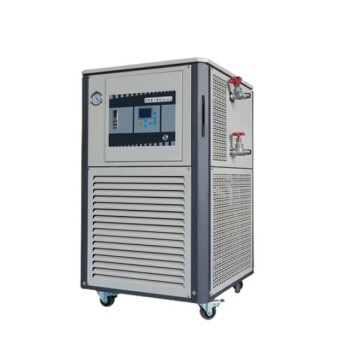
- High Temperature Constant Temperature Heating Circulator Water Bath Chiller Circulator for Reaction Bath
- Precision Machined Silicon Nitride (SiN) Ceramic Sheet for Engineering Advanced Fine Ceramics
- Oxygen Probe to Measure Temperature and Active Oxygen Content in Molten Steel
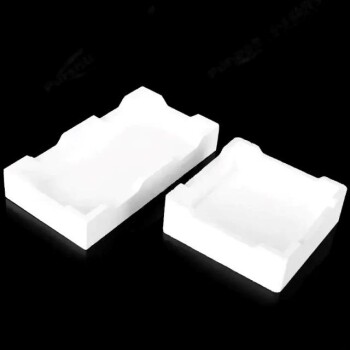
- Advanced Engineering Fine Ceramics Alumina Ceramic Saggar for Fine Corundum
People Also Ask
- How do high-pressure and high-temperature reactors ensure the effective treatment of lignocellulosic wastewater in WAO?
- What equipment is required for high-pressure high-temperature reactions? Master Extreme Chemistry Safely
- How do you control high pressure in a reactor? A Guide to Safe & Stable Operation
- Why is argon better than nitrogen for inert atmosphere? Ensure Absolute Reactivity & Stability
- How does initial oxygen pressure affect the wet oxidation of pharmaceutical sludge? Master Your Oxidation Depth