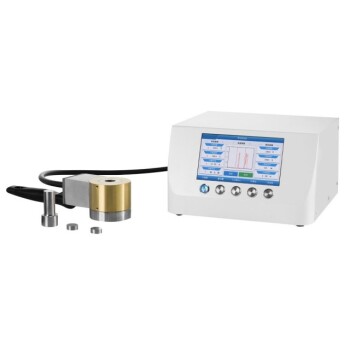
The primary function of a sealed laminated bag is to act as an impermeable isolation barrier between your battery components and the hydraulic fluid used in the press. Because Cold Isostatic Pressing (CIP) typically utilizes a medium like oil to transmit force, direct contact would instantly contaminate and ruin the sample. The bag allows the hydrostatic pressure to compress the material while strictly preventing any fluid ingress or chemical reaction.
In Cold Isostatic Pressing, the sealed bag serves as the critical interface that permits the transfer of mechanical force (pressure) while blocking the transfer of mass (contaminants), ensuring the purity of sensitive solid-state battery materials.
The Mechanics of Sample Isolation
Preventing Medium Contamination
The pressure chamber in a CIP unit is filled with a fluid, commonly oil, which acts as the pressure-transmitting medium.
Without a barrier, this fluid would permeate the porous structure of your solid electrolyte or electrode materials. The sealed laminated bag encapsulates the components, ensuring they remain dry and chemically pure throughout the process.
Transmitting Hydrostatic Pressure
While the bag blocks fluid, it does not block force.
Because the laminated bag is flexible, it transmits the isostatic pressure from the surrounding oil equally to all surfaces of the sample. This ensures uniform compression without the bag itself absorbing significant energy or distorting the pressure distribution.
Why This is Critical for Solid-State Batteries
Achieving High Material Density
Solid-state battery performance relies heavily on minimizing porosity.
By using CIP with a sealed bag, you can subject the material to immense pressure to achieve material densities exceeding 99%. The bag ensures that this densification occurs without introducing impurities that could later cause structural or electrochemical failure.
Creating Conformal Interfaces
Solid-state batteries require tight contact between distinct layers, such as the cathode and the solid electrolyte.
The isostatic pressure creates resilient, conformal interfaces between these layers. The sealed bag maintains the integrity of these interfaces, ensuring they are formed purely by mechanical force rather than adhesive contaminants from the press fluid.
Understanding the Trade-offs
The Risk of Seal Failure
The effectiveness of this process is entirely dependent on the integrity of the bag's seal.
If the lamination is weak or the vacuum seal is imperfect, the high pressure will force oil into the bag. This results in immediate, irreversible contamination of the sample.
Surface Texture Limitations
While the bag is flexible, it still possesses a physical texture.
Under high pressure, the texture of the laminated bag can sometimes imprint onto the surface of the battery component. While often negligible, this surface roughness must be accounted for if the component requires an atomically smooth finish for subsequent processing steps.
Ensuring Process Integrity
To maximize the success of your Cold Isostatic Pressing runs, align your bagging strategy with your specific objectives:
- If your primary focus is Material Purity: Prioritize double-sealing or using high-quality laminate materials to eliminate the risk of oil ingress.
- If your primary focus is Interface Quality: Ensure the bag is evacuated completely of air before sealing to prevent air pockets from interfering with the uniform application of pressure.
The sealed laminated bag is not just a container; it is the essential component that bridges the gap between raw material potential and high-performance battery reality.
Summary Table:
| Feature | Function in CIP Process | Impact on Solid-State Batteries |
|---|---|---|
| Impermeable Barrier | Prevents oil/fluid ingress | Ensures material purity and chemical integrity |
| Force Transmission | Transfers hydrostatic pressure | Achieves >99% material density and low porosity |
| Flexible Interface | Conforms to sample shape | Creates tight, resilient interfaces between layers |
| Vacuum Sealing | Eliminates air pockets | Prevents pressure distortion and surface defects |
Elevate Your Battery Research with KINTEK Precision
Achieving the perfect solid-state interface requires more than just pressure—it requires the right equipment. KINTEK specializes in advanced laboratory solutions, including high-performance isostatic presses (cold and hot), hydraulic pellet presses, and precision crushing systems designed for the rigorous demands of battery material science.
Whether you are densifying solid electrolytes or perfecting cathode-anode interfaces, our tools ensure the purity and performance your research deserves. From high-temperature furnaces and reactors to specialized consumables like PTFE products and ceramics, we provide the complete ecosystem for your lab.
Ready to optimize your densification process? Contact KINTEK today for expert guidance and tailored equipment solutions!
Related Products
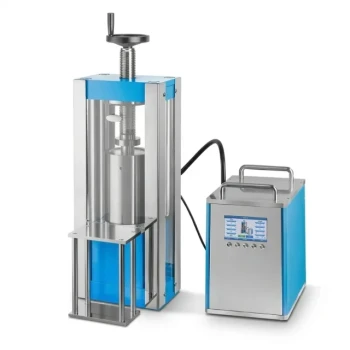
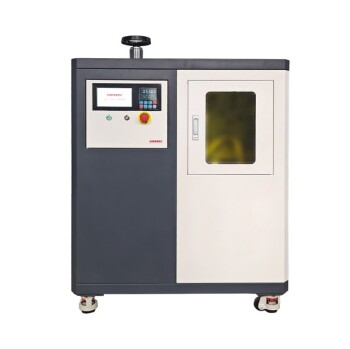
- Electric Split Lab Cold Isostatic Press CIP Machine for Cold Isostatic Pressing
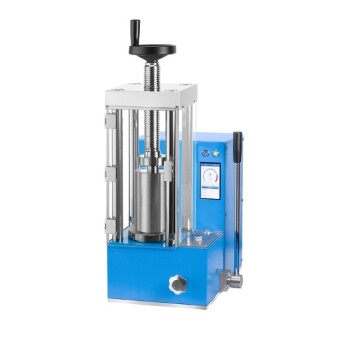
- Electric Lab Cold Isostatic Press CIP Machine for Cold Isostatic Pressing
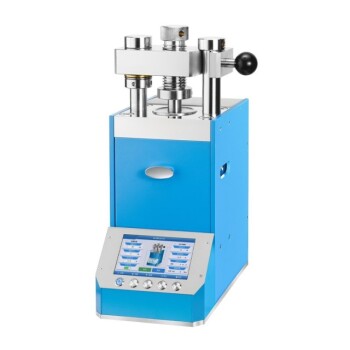
- Automatic Lab Cold Isostatic Press CIP Machine Cold Isostatic Pressing
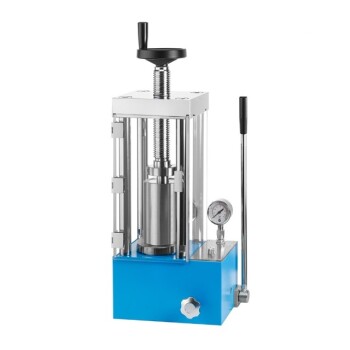
- Manual Cold Isostatic Pressing Machine CIP Pellet Press
- Warm Isostatic Press for Solid State Battery Research
People Also Ask
- How is isostatic pressing equipment utilized to integrate lithium metal anodes during solid-state battery assembly?
- How does isostatic pressing equipment enhance lithium metal anode contact? Optimize Your Solid-State Battery Assembly
- What is the meaning of isostatic pressing? Achieve Uniform Density in Complex Parts
- What is isostatic pressing method for ceramics? Achieve Uniform Density for Complex Parts
- What role does cold isostatic pressing play in the formation of feed rods for single crystal growth? Ensure Stability.