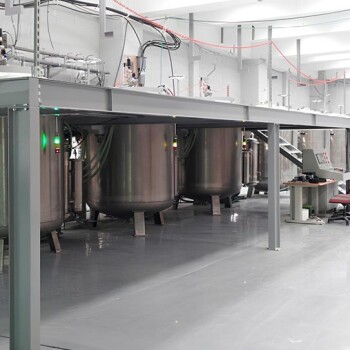
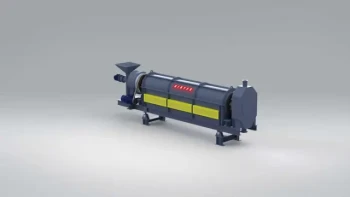
A program-controlled carbonization furnace acts as the critical processing environment that transforms lignin precursors into high-performance carbon fibers. By executing a strictly defined heating curve under an inert atmosphere, it orchestrates the complex chemical restructuring required to convert biomass into a stable, carbon-rich material.
The furnace’s primary value lies in its ability to precisely manage the high-temperature conversion of lignin. This control maximizes char yield by leveraging lignin's natural aromatic structure, making it a viable sustainable alternative to petroleum-based polyacrylonitrile.
The Mechanics of Transformation
Precise Thermal Management
The term "program-controlled" is the defining feature of this equipment. It does not simply heat the material; it follows a precise heating curve.
This calculated ramp-up in temperature is essential for managing the material's behavior. It ensures the precursor stabilizes rather than degrades during the transition.
The Inert Atmosphere
To prevent the lignin from simply burning away, the furnace operates under an inert atmosphere.
This oxygen-free environment forces the material to undergo carbonization rather than combustion. It is a prerequisite for retaining the mass necessary for fiber formation.
Chemical Changes During Heating
Removing Non-Carbon Elements
The furnace facilitates two critical reactions: dehydrogenation and deoxygenation.
As the temperature rises according to the program, hydrogen and oxygen atoms are stripped from the molecular structure. This purification process increases the relative proportion of carbon in the remaining material.
Structural Cyclization
Simultaneously, the furnace promotes cyclization.
This involves the formation of ring-like molecular structures. This structural change is what gives the final carbon fiber its mechanical strength and thermal stability.
Leveraging Lignin’s Properties
High Carbon Content
Lignin is naturally suited for this process because it possesses a carbon content of up to 65 percent.
The furnace utilizes this high baseline to achieve a high char yield. This efficiency is what makes lignin a competitive raw material compared to synthetic alternatives.
Aromatic Structure Advantage
The process relies heavily on lignin's unique aromatic structure.
The furnace’s thermal program is tuned to preserve and link these aromatic rings. This results in a dense, high-performance carbon structure that rivals petroleum-based fibers.
Understanding the Trade-offs
The Cost of Precision
While the program-controlled furnace ensures quality, it introduces process complexity.
Any deviation from the optimal heating curve can result in structural defects or low yields. The equipment requires rigorous calibration to match the specific variation of the lignin feedstock.
Feedstock Variability
Unlike synthetic precursors like polyacrylonitrile (PAN), lignin is a biomass product and can vary batch-to-batch.
The furnace program often needs adjustments to accommodate these natural inconsistencies. A "set it and forget it" approach is rarely sufficient for high-performance applications.
Making the Right Choice for Your Goal
To maximize the effectiveness of lignin carbonization, align your process parameters with your specific end-goals.
- If your primary focus is Sustainability: Prioritize the use of lignin to replace petroleum-based polyacrylonitrile, leveraging its natural abundance to reduce environmental impact.
- If your primary focus is Process Efficiency: Focus on optimizing the heating curve to exploit lignin's 65% carbon content, aiming for the highest possible char yield per batch.
Precision in thermal control is the single most important factor in converting raw biomass into engineering-grade carbon fiber.
Summary Table:
| Feature | Role in Lignin Carbonization | Benefit to Final Carbon Fiber |
|---|---|---|
| Precise Heating Curve | Manages thermal ramp-up and stabilization | Prevents degradation and structural defects |
| Inert Atmosphere | Provides oxygen-free environment | Enables carbonization instead of combustion |
| Thermal Purification | Facilitates dehydrogenation/deoxygenation | Increases carbon purity and relative density |
| Structural Cyclization | Promotes formation of aromatic rings | Enhances mechanical strength and stability |
| High Char Yield | Leverages lignin's 65% carbon content | Maximizes sustainability and cost-efficiency |
Elevate Your Material Research with KINTEK Precision
Unlock the full potential of sustainable precursors with KINTEK’s advanced thermal processing solutions. Whether you are developing lignin-based carbon fibers or pioneering new biomass applications, our program-controlled carbonization furnaces, high-temperature vacuum furnaces, and CVD systems provide the rigorous thermal accuracy and inert atmosphere control required for high-yield results.
From high-temperature reactors to specialized crushing and milling systems, KINTEK offers a comprehensive portfolio of laboratory equipment designed for the most demanding research environments. Don't let process variability compromise your yields—partner with the experts in thermal engineering.
Ready to optimize your carbonization process? Contact KINTEK today for a customized solution!
References
- Weijun Yang, P. J. Lemstra. Bio‐renewable polymers based on lignin‐derived phenol monomers: Synthesis, applications, and perspectives. DOI: 10.1002/sus2.87
This article is also based on technical information from Kintek Solution Knowledge Base .
Related Products
- Multi Heating Zones CVD Tube Furnace Machine Chemical Vapor Deposition Chamber System Equipment
- Graphite Vacuum Furnace Bottom Discharge Graphitization Furnace for Carbon Materials
- Customer Made Versatile CVD Tube Furnace Chemical Vapor Deposition Chamber System Equipment
- 1200℃ Controlled Atmosphere Furnace Nitrogen Inert Atmosphere Furnace
- Graphite Vacuum Furnace Negative Material Graphitization Furnace
People Also Ask
- What are the advantages of a multi-zone tube furnace for Sb2S3? Unlock Superior Semiconductor Thin Film Purity
- What are the advantages of using a Multi-zone Tube Furnace? Enhanced Thermal Uniformity for Diffusion Research
- What is a CVD tube furnace? A Complete Guide to Thin-Film Deposition
- What are the technical advantages of using a CVD tube furnace? Optimize Silicon-Carbon Battery Anodes
- What is the function of a high-temperature CVD tube furnace in 3D graphene foam prep? Master 3D Nanomaterial Growth