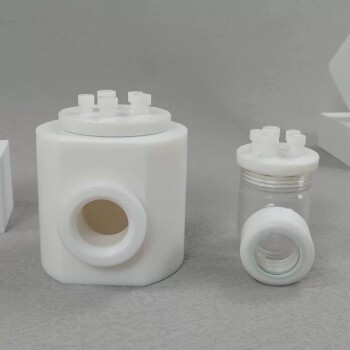
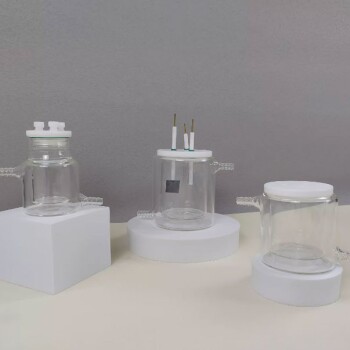
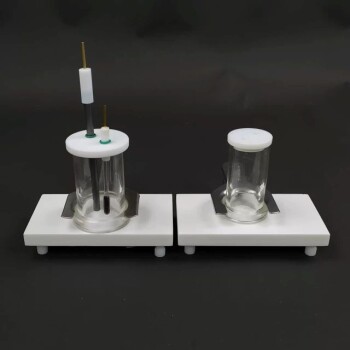
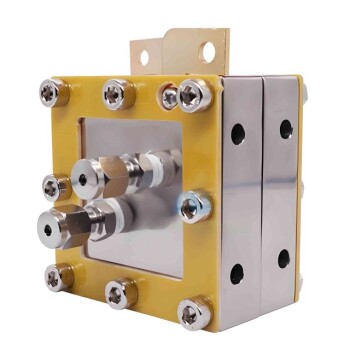
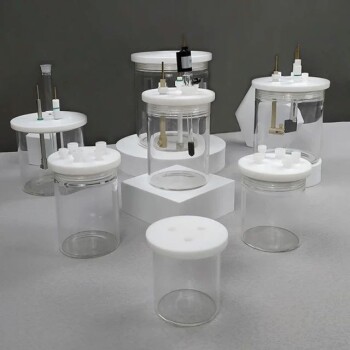
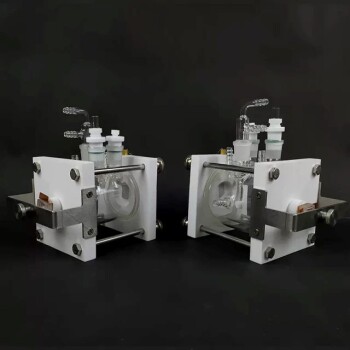
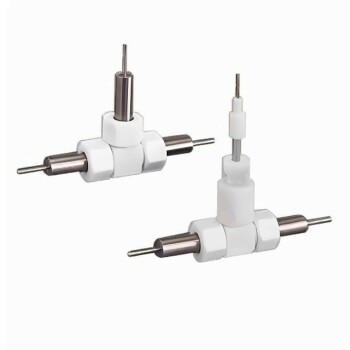
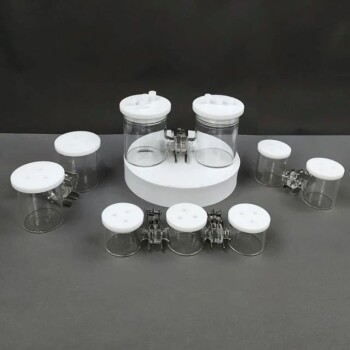
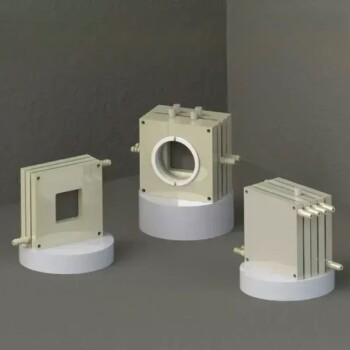
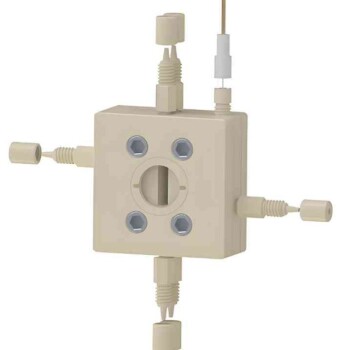
Operational flexibility is the defining feature of this cell. The thin-layer spectroelectrochemical cell is engineered to accommodate both aqueous and non-aqueous electrochemical systems, ensuring broad experimental applicability. It is designed specifically for operation at room temperature and provides configurable sealing options, allowing researchers to deploy it as either a sealed or non-sealed unit depending on the volatility or sensitivity of the electrolyte.
The cell’s adaptable design allows for operation in diverse chemical environments at room temperature, supported by high-purity materials that facilitate both sealed and open configurations.
Operational Environment Capabilities
Electrolyte System Compatibility
The cell is robust enough to handle a wide range of solvent systems. You can confidently utilize it for both aqueous solutions and non-aqueous organic solvents. This versatility is essential for comparative studies across different chemical media.
Material Construction for Chemical Resistance
To support these diverse environments, the cell body is manufactured from integrated ground quartz. This construction method avoids the use of adhesives, ensuring high purity and preventing solvent degradation often caused by glue.
Lid Composition
The accompanying lid is crafted from polytetrafluoroethylene (PTFE). This material is selected for its exceptional chemical resistance, further ensuring that the cell remains inert even when exposed to aggressive non-aqueous solvents.
Temperature Constraints
The apparatus is strictly designed for room temperature operation. Deviating significantly from this thermal range may compromise the structural integrity of the quartz or the sealing performance of the PTFE components.
Sealing Options and Configuration
Configurable Sealing
The cell offers a binary approach to atmospheric isolation: it can be set up as a sealed unit or a non-sealed unit. This allows you to secure the environment for volatile solvents or leave it open for standard benchtop procedures.
Optical Design Implications
The quartz body design facilitates four-sided light transmission. Whether sealed or unsealed, the optical path remains clear, benefiting from the adhesive-free assembly that prevents clouding or optical interference.
Critical Considerations and Trade-offs
Voltage and Polarity Control
While the cell is chemically robust, it is electrically sensitive. You must ensure the anode and cathode are correctly connected to prevent reverse polarity. Furthermore, applied voltage must be strictly controlled to avoid electrolyte decomposition or physical damage to the electrodes.
fragility and Maintenance
The high-purity quartz construction requires careful handling. The cell must be inspected for damage prior to every use and cleaned immediately after power is shut off to prevent cross-contamination.
Cleaning Protocols
There is a strict trade-off between purity and maintenance effort. To maintain the "adhesive-free" purity, the cell requires rigorous cleaning with suitable solvents and distilled water, followed by storage in a dust-free environment.
Making the Right Choice for Your Experiment
To maximize the utility of the thin-layer spectroelectrochemical cell, match the configuration to your specific analytical goals:
- If your primary focus is volatile or air-sensitive chemistry: Utilize the sealed configuration and ensure appropriate pre-treatments, such as de-oxygenation, are performed before sealing.
- If your primary focus is rapid, standard benchmarking: Utilize the non-sealed configuration for quicker setup times, provided the electrolyte is stable in ambient air.
- If your primary focus is high-purity spectral analysis: Rely on the adhesive-free quartz body, but ensure you strictly adhere to the voltage limits to prevent bubble formation or electrode degradation.
By respecting the room-temperature limit and selecting the appropriate seal, you ensure consistent data fidelity and protect the integrity of the quartz components.
Summary Table:
| Feature | Specification/Capability |
|---|---|
| Electrolyte Compatibility | Aqueous and Non-Aqueous (Organic Solvents) |
| Temperature Range | Room Temperature (RT) |
| Cell Body Material | Integrated Ground Quartz (Adhesive-Free) |
| Lid Material | Polytetrafluoroethylene (PTFE) |
| Sealing Modes | Configurable: Sealed or Non-Sealed |
| Optical Path | Four-sided Light Transmission |
| Cleaning Protocol | Solvent/Distilled Water + Dust-Free Storage |
Elevate Your Spectroelectrochemistry with KINTEK Precision
Unlock superior analytical accuracy with KINTEK’s high-purity laboratory solutions. Whether you are conducting advanced battery research, electrochemical studies, or material analysis, our specialized equipment—including adhesive-free quartz cells, electrolytic cells, electrodes, and high-performance PTFE consumables—is designed to withstand the most demanding chemical environments.
From muffle furnaces and hydraulic presses to specialized reactors and cooling solutions, KINTEK provides the comprehensive tools necessary for precise research and development.
Ready to optimize your lab's performance? Contact KINTEK today to discuss your specific experimental needs!
Related Products
- Thin-Layer Spectral Electrolysis Electrochemical Cell
- Side Window Optical Electrolytic Electrochemical Cell
- H-Type Double-Layer Optical Electrolytic Electrochemical Cell with Water Bath
- Double Layer Five-Port Water Bath Electrolytic Electrochemical Cell
- Double-Layer Water Bath Electrolytic Electrochemical Cell
People Also Ask
- What are the recommended post-experiment procedures for cleaning and storing the thin-layer spectroelectrochemical cell?
- What preparation steps are required before initiating an experiment with the thin-layer spectroelectrochemical cell?
- For what types of systems, temperature ranges, and sealing configurations is the thin-layer spectroelectrochemical cell designed? Ideal for Aqueous and Non-Aqueous Analysis
- What are the necessary preparation steps before using a thin-layer spectroelectrochemical cell? A Guide to Reliable Results
- What are the physical dimensions of the thin-layer spectroelectrochemical cell body and its slit? Key Specs for Your Lab