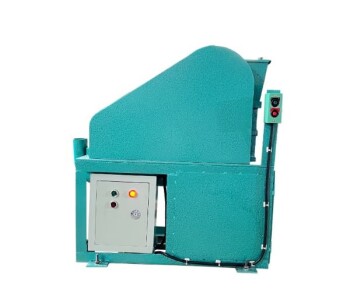
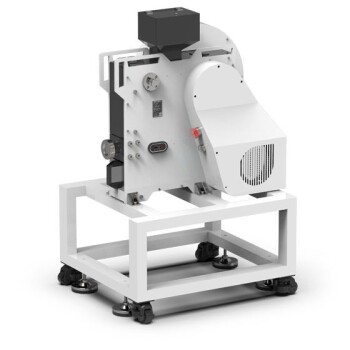
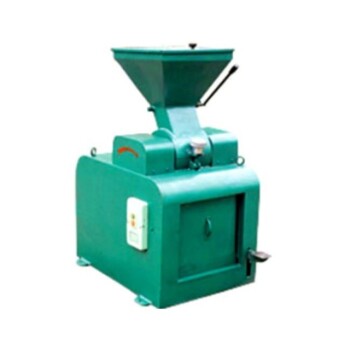
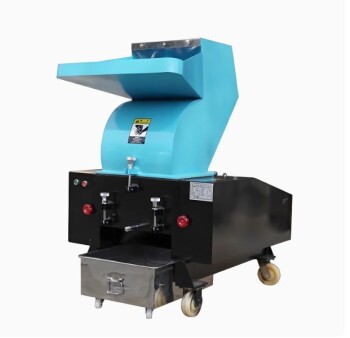
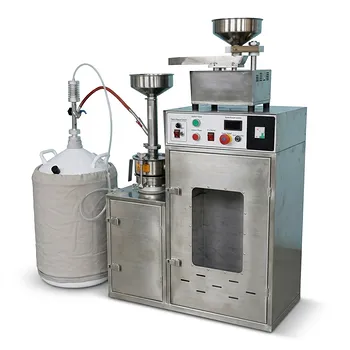
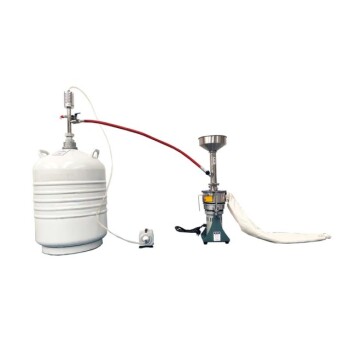
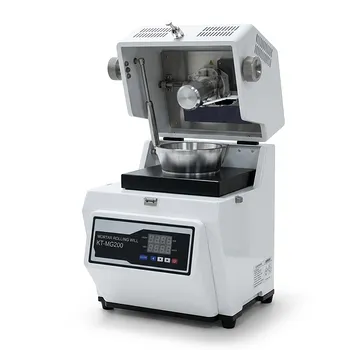
Industrial-grade crushing and drying systems serve as the critical foundation for efficient biomass gasification. Crushing equipment mechanically reduces biomass particle size to modify thermal properties and lower the energy demand for subsequent fine grinding. Simultaneously, drying units systematically remove moisture, ensuring the feedstock enters the gasifier with the consistent physical characteristics required for a stable reaction.
The efficiency of a gasifier is determined before the feedstock ever enters the reactor. By integrating crushing and drying during pretreatment, operators ensure consistent physical properties that stabilize reaction efficiency and optimize the final composition of the syngas.
The Role of Mechanical Reduction
Reducing Particle Size
The primary function of industrial crushing systems is the mechanical reduction of raw biomass. This process breaks down heterogeneous feedstocks into smaller, uniform particles.
Modifying Thermal Properties
According to the primary technical documentation, reducing particle size has a direct impact on the material's thermal behavior. Specifically, this size reduction leads to an increase in specific heat capacity.
Lowering Downstream Energy Costs
A critical, often overlooked benefit of the crushing stage occurs further down the line. By effectively reducing particle size early, the system reduces the energy required for subsequent grinding stages. This eases the load on fine-grinding equipment, improving overall plant energy efficiency.
The Role of Moisture Control
Eliminating Excess Water
Drying equipment is deployed specifically to lower the moisture content of the biomass. This is a vital step, as variable moisture levels can lead to unpredictable thermal behavior inside the gasifier.
Ensuring Feedstock Consistency
The combination of crushing and drying creates a feedstock with consistent physical properties. This uniformity is essential for maintaining steady-state operations, preventing fluctuations that can disrupt the gasification process.
Impact on Gasification Performance
Stabilizing Reaction Efficiency
When feedstock enters the gasifier with uniform size and moisture content, the gasification reaction remains stable. This stability minimizes process upsets and ensures the reactor operates within its optimal efficiency range.
Optimizing Syngas Composition
The ultimate goal of pretreatment is to control the quality of the output. Proper preparation ensures an optimized composition distribution of the resulting syngas, leading to a higher quality product suitable for downstream applications.
Understanding the Trade-offs
Pretreatment Energy vs. Process Efficiency
While industrial crushers and dryers require their own energy input, this is an investment in overall system performance. Skimping on pretreatment energy often results in higher energy costs during fine grinding or reduced yields in the gasifier.
The Necessity of Integration
Using one system without the other often yields suboptimal results. Crushing without drying leaves moisture that hampers combustion, while drying without crushing results in uneven heat transfer. True efficiency requires the integration of both steps.
Making the Right Choice for Your Goal
To maximize the return on your pretreatment investment, align your equipment strategy with your specific operational targets:
- If your primary focus is Energy Efficiency: Prioritize high-performance crushing systems to maximize specific heat capacity and significantly reduce the electrical load on downstream grinding equipment.
- If your primary focus is Product Quality: Focus on precise drying controls to ensure low moisture variance, which directly correlates to a more stable and optimized syngas composition.
Uniform input is the only way to guarantee a uniform output.
Summary Table:
| Pretreatment Process | Key Function | Primary Benefit |
|---|---|---|
| Crushing | Particle size reduction | Increases specific heat & lowers grinding energy costs |
| Drying | Moisture removal | Ensures feedstock consistency & stable thermal behavior |
| Integration | Combined pretreatment | Optimizes syngas quality & maximizes reactor efficiency |
Maximize Your Biomass Efficiency with KINTEK
Ensure consistent syngas output and reduce operational costs by upgrading your pretreatment workflow. KINTEK specializes in advanced crushing and milling systems, high-temperature furnaces, and sieving equipment designed for the rigorous demands of biomass research and industrial processing.
Our comprehensive laboratory solutions—from hydraulic presses for pellet preparation to high-pressure reactors—empower your facility to achieve superior material properties. Let our experts help you select the right equipment to optimize your specific heat capacity and reaction stability.
Contact KINTEK Experts Today to refine your gasification process!
References
- David Chiche, F. Defoort. Synthesis Gas Purification. DOI: 10.2516/ogst/2013175
This article is also based on technical information from Kintek Solution Knowledge Base .
Related Products
- Electric Rotary Kiln Small Rotary Furnace Biomass Pyrolysis Plant
- Sealed Jaw Crusher High Efficiency Environmental Protection Safe and Reliable
- Laboratory Jaw Crusher
- Three-dimensional electromagnetic sieving instrument
- Laboratory Scientific Electric Heating Blast Drying Oven
People Also Ask
- What is the temperature of a rotating kiln? It Depends on Your Material and Process Goal
- What are the principles of a rotary kiln? Master the Mechanics of High-Temperature Processing
- What are the different types of calciners? A Guide to Selecting the Right Thermal Processing Equipment
- How are rotary kilns heated? Direct vs. Indirect Heating Methods Explained
- Is rotary kiln a furnace? Discover the Key Differences for Industrial Processing