Sintering specialized alloys like tungsten in a pure hydrogen atmosphere typically requires temperatures of 1600°C (2912°F) or higher. While standard sintering processes in hydrogen may begin around 1300°C, the refractory nature of tungsten and similar high-performance materials demands significantly higher thermal energy to ensure proper densification.
Key Takeaway: Success with tungsten alloys relies on a dual strategy: achieving extreme temperatures (1600°C+) to facilitate particle bonding, while utilizing a pure hydrogen atmosphere to prevent oxidation and ensure material purity.
The Temperature Landscape for High-Performance Alloys
The Baseline vs. The Extreme
Standard sintering processes utilizing a pure hydrogen atmosphere generally require a baseline temperature of at least 1300°C. This is sufficient for many standard applications but falls short for refractory metals.
Reaching the 1600°C Threshold
For specialized alloys—specifically tungsten and tungsten carbide—temperatures must often reach or exceed 1600°C (2912°F).
Ceramic and Metallic Compositions
This high-temperature requirement is not exclusive to pure metals. Certain ceramic/metallic compositions also require this 1600°C tier to achieve the necessary physical properties during the sintering phase.
Material Context and Application
Metal Injection Molding (MIM)
High-temperature hydrogen sintering is a critical step in the Metal Injection Molding process. This is particularly relevant for stainless steel parts, which constitute a major portion of the MIM industry.
Tungsten and Refractory Metals
Tungsten and its alloys are defined by their high melting points and hardness. To process these materials effectively, the furnace environment must provide sustained, extreme heat alongside the reducing atmosphere.
Atmosphere Specificity
While hydrogen is critical for tungsten and transparent alumina ceramics, it is not a universal solution. For context, materials like aluminum nitride require nitrogen, while ferroelectric ceramics demand oxygen.
Operational Considerations and Trade-offs
Equipment Capability
Sintering at 1600°C places immense stress on furnace components. You must ensure your equipment is rated for continuous operation at these thermal extremes, rather than just peak bursts.
Atmosphere Management
Working with pure hydrogen at these temperatures requires rigorous safety protocols and precise flow control. The atmosphere acts as a reducing agent, which is beneficial for removing oxides but requires careful handling compared to inert gases.
Energy Consumption
The jump from a standard 1300°C cycle to 1600°C represents a significant increase in energy demand. This impacts the cost-per-part and necessitates a more robust thermal management strategy.
Optimizing Your Sintering Strategy
To ensure you are matching the process to the material requirements, consider the following:
- If your primary focus is Tungsten or Tungsten Carbide: You must specify furnace equipment capable of sustaining 1600°C or higher in a hydrogen environment to achieve full density.
- If your primary focus is Stainless Steel (MIM): You should anticipate high-temperature hydrogen sintering, generally starting above the 1300°C baseline.
- If your primary focus is Non-Oxide Ceramics: You must verify the atmospheric chemistry, as materials like nitrides will require nitrogen rather than hydrogen.
Matching the thermal profile to the specific alloy's melting characteristics is the single most important factor in preventing component failure.
Summary Table:
| Material Category | Recommended Temperature | Required Atmosphere | Key Objective |
|---|---|---|---|
| Standard Alloys (MIM) | 1300°C+ | Pure Hydrogen | Baseline Densification |
| Tungsten & Tungsten Carbide | 1600°C - 1900°C+ | Pure Hydrogen | Refractory Bonding |
| Non-Oxide Ceramics | Varies | Nitrogen | Nitride Formation |
| Ferroelectric Ceramics | Varies | Oxygen | Oxidation Control |
Elevate Your Refractory Metal Processing with KINTEK
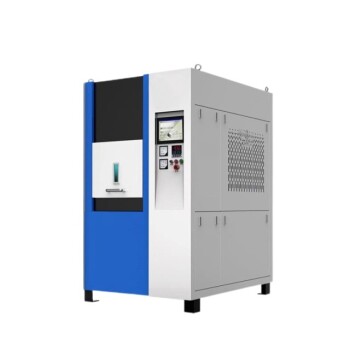
Achieving the extreme 1600°C+ temperatures required for tungsten sintering demands robust and precise equipment. KINTEK specializes in advanced laboratory and industrial solutions, offering a comprehensive range of high-temperature furnaces (muffle, tube, vacuum, and atmosphere models) specifically designed for the rigors of hydrogen sintering and Metal Injection Molding (MIM).
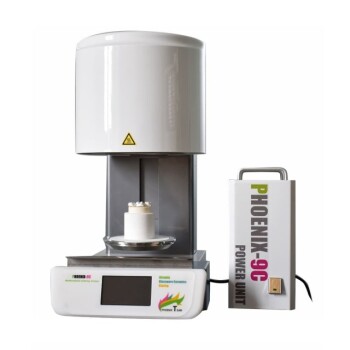
Whether you are processing refractory metals, dental ceramics, or high-pressure reactors, our expert-grade equipment ensures uniform heating and safe atmosphere management. Ready to optimize your high-temperature thermal strategy? Contact us today to discuss your material requirements!
Related Products
- 2200 ℃ Tungsten Vacuum Heat Treat and Sintering Furnace
- Small Vacuum Heat Treat and Tungsten Wire Sintering Furnace
- Spark Plasma Sintering Furnace SPS Furnace
- Vacuum Heat Treat and Molybdenum Wire Sintering Furnace for Vacuum Sintering
- Dental Porcelain Zirconia Sintering Ceramic Vacuum Press Furnace
People Also Ask
- What is the melting point of tungsten in a vacuum? The Real Limit is Sublimation, Not Melting
- What happens to tungsten when heated? Discover Its Extreme Heat Resistance and Unique Properties
- How does a high-temperature vacuum sintering furnace facilitate the post-treatment of Zirconia coatings?
- Why is it necessary to use sintering aids for PLS? Achieve Full Density in Ultra-High Temperature Ceramics
- How does a high-temperature vacuum sintering furnace contribute to the formation of Fe-Cr-Al porous materials?