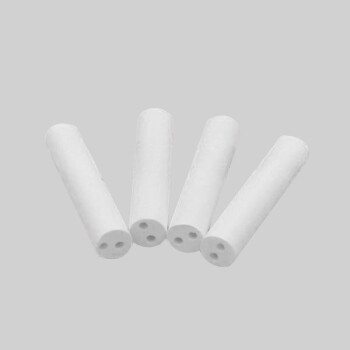
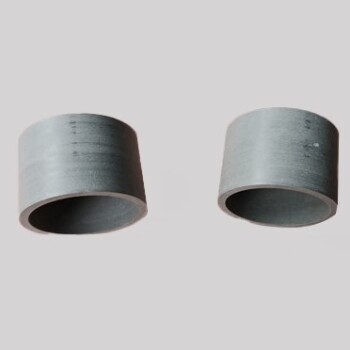
Boron Nitride (BN) tubes are the preferred vessel choice primarily due to their exceptional chemical inertness. In the context of synthesizing Na3SbS4, these tubes provide a stable environment that resists corrosion, ensuring that reactive precursor materials do not interact with the container walls during high-temperature processing.
The critical value of Boron Nitride lies in its ability to facilitate solid-state sintering without contamination. By withstanding the aggressive nature of sulfide precursors at 550°C, BN tubes guarantee the high purity required for the final electrolyte material.
The Critical Role of Chemical Stability
To understand why Boron Nitride is non-negotiable for this synthesis, one must examine the specific conditions required to create Na3SbS4.
Withstanding Aggressive Precursors
The synthesis process utilizes a powder mixture of Na2S, Sb, and Sulfur (S).
These sulfide-based precursors are chemically aggressive. Many standard laboratory materials cannot withstand prolonged contact with these compounds without degrading. Boron Nitride possesses the necessary chemical resistance to remain unaffected by these specific reactants.
Operating at Elevated Temperatures
The solid-state sintering process takes place at 550°C.
At this temperature, the reactivity of the precursor mixture increases significantly. A vessel that is stable at room temperature might fail or react under this thermal stress. Boron Nitride maintains its structural and chemical integrity throughout this heating cycle.
Ensuring Material Purity
The ultimate goal of this synthesis is to produce a high-quality electrolyte. The reaction vessel plays a passive but vital role in this outcome.
Preventing Vessel-Precursor Interaction
The primary function of the BN tube is to act as a barrier.
It explicitly prevents the sulfide precursors from reacting with the container walls. If a reaction were to occur, it would not only damage the vessel but also alter the stoichiometry of the reaction mixture.
Safeguarding Final Product Quality
Any reaction between the vessel and the precursors introduces foreign elements into the mix.
By eliminating this interaction, Boron Nitride ensures the high purity of the final synthesized Na3SbS4. Purity is essential for the material's performance as an electrolyte.
The Consequence of Incorrect Vessel Selection
When selecting reaction hardware, it is crucial to understand the risks associated with inadequate materials.
The Risk of Wall Corrosion
Using a vessel with lower chemical resistance leads to immediate degradation. The aggressive nature of the Na2S and Sulfur mixture at 550°C will corrode susceptible container walls, leading to potential containment failure.
The Cost of Contamination
Even minor corrosion introduces impurities into the synthesis. In the production of Na3SbS4 electrolytes, these impurities can severely hamper the electrochemical performance of the final product. The choice of Boron Nitride is effectively a choice to eliminate this variable.
Making the Right Choice for Your Goal
To replicate this synthesis successfully, your equipment choices must align with the chemical realities of the precursors.
- If your primary focus is Material Purity: Select reaction vessels like Boron Nitride that are chemically inert to sulfides to prevent leaching and contamination.
- If your primary focus is Process Safety: Ensure your containment material is rated for exceptional stability at temperatures exceeding 550°C to prevent structural failure during sintering.
The use of Boron Nitride tubes is not merely a preference; it is a technical necessity for isolating the reaction and preserving the integrity of the Na3SbS4 electrolyte.
Summary Table:
| Feature | Advantage for Na3SbS4 Synthesis |
|---|---|
| Chemical Inertness | Prevents reactions between sulfides (Na2S, S) and vessel walls |
| Thermal Stability | Maintains integrity during 550°C solid-state sintering |
| Purity Control | Eliminates contamination risk for high-performance electrolytes |
| Corrosion Resistance | Resists degradation from aggressive powder precursors |
Elevate Your Material Research with KINTEK
Precision in electrolyte synthesis starts with the right equipment. KINTEK specializes in providing high-quality laboratory solutions, including boron nitride components, high-temperature furnaces, and specialized ceramics designed to withstand the most aggressive chemical environments.
Whether you are performing solid-state sintering, battery research, or complex CVD processes, our comprehensive portfolio—from vacuum and tube furnaces to precision crushing and milling systems—ensures your results remain pure and reproducible. Don't let vessel contamination compromise your Na3SbS4 or sulfide-based research.
Contact KINTEK today to find the perfect reaction vessels and thermal processing solutions for your lab!
Related Products
- Hexagonal Boron Nitride HBN Thermocouple Protection Tube
- Boron Nitride (BN) Ceramic Tube
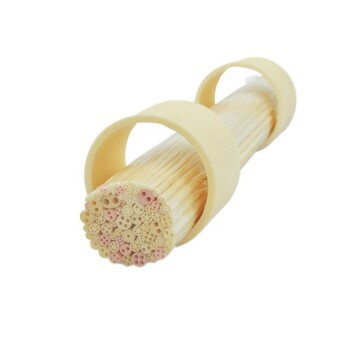
- Boron Nitride (BN) Ceramic Rod for High Temperature Applications
- Boron Nitride (BN) Ceramic Plate
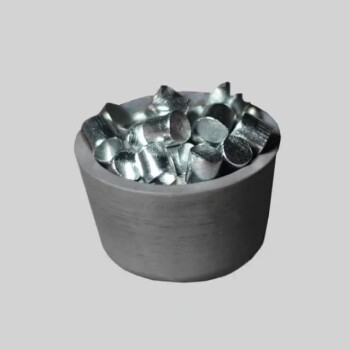
- Boron Nitride (BN) Crucible for Phosphorous Powder Sintered
People Also Ask
- What are the symptoms of a bad thermocouple? Diagnose a Pilot Light That Won't Stay Lit
- What information does a thermocouple at the substrate bottom provide in LCVD? Master Precise Temperature Control
- What are the specific temperature control requirements for high-precision thermocouples? Achieve ±0.3°C Precision
- What is the most common type of temperature sensor? The Unmatched Versatility of Thermocouples
- What is used to measure and monitor the high temperatures needed in heat treating? Master Precise Thermal Control with Thermocouples