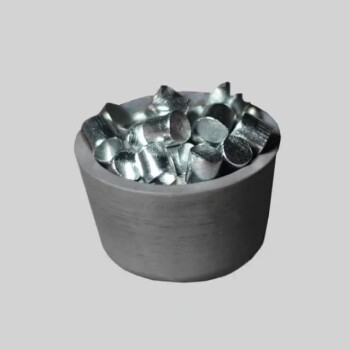
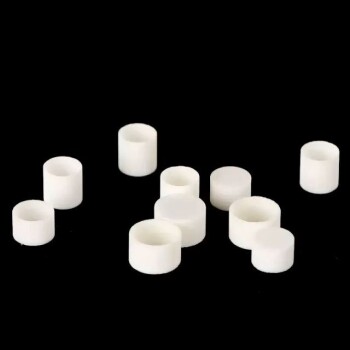
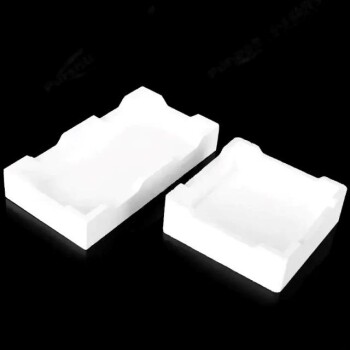
High-temperature crucibles are a fundamental requirement for the preparation of LAGP glass-ceramic electrolytes because the melt-quenching method necessitates extreme thermal environments exceeding 1300°C. Specifically, crucibles made of materials like platinum are essential to withstand this heat while resisting chemical attack from the corrosive phosphate melt. This resistance ensures the final electrolyte retains the precise chemical purity needed for optimal performance.
The melt-quenching process relies on transitioning solid raw materials into a uniform liquid phase at temperatures up to 1450°C. The choice of crucible is the critical control point that prevents container failure and chemical contamination during this aggressive synthesis stage.
The Thermal Demands of Melt-Quenching
Withstanding Extreme Heat
The synthesis of LAGP via melt-quenching is not a low-energy process. Raw materials must be heated to temperatures ranging from 1300°C to 1450°C to ensure complete melting.
Standard laboratory glassware or lower-grade ceramics cannot survive this environment. High-temperature crucibles are engineered specifically to maintain structural integrity without softening or fracturing under these thermal loads.
Achieving a Uniform Liquid Phase
The goal of reaching these temperatures is to transition pre-treated LAGP powders into a homogeneous liquid. This melting step eliminates grain boundaries present in the solid state.
Furthermore, the high heat facilitates atomic-level mixing of components, particularly germanium and phosphorus. A crucible that can hold this temperature stably allows the mixture to become a uniform amorphous glass precursor, which is vital for the material's final properties.
The Chemical Challenge: Purity and Stability
Resisting Corrosive Melts
At 1350°C and above, the phosphate melt used to create LAGP becomes highly corrosive. It effectively acts as a solvent that can attack the walls of the container holding it.
Platinum crucibles are particularly valued in this context for their exceptional chemical inertness. They provide a neutral barrier that contains the reaction without participating in it.
Preventing Material Contamination
If a crucible reacts with the melt, elements from the container leach into the electrolyte mixture. This changes the chemical composition of the LAGP, which can severely degrade its ionic conductivity.
By using a chemically stable high-temperature crucible, you ensure that the synthesis results in the specific LAGP phase desired. This purity is non-negotiable for electrochemical applications where material consistency is paramount.
Understanding the Trade-offs
Cost vs. Chemical Certainty
While materials like platinum offer the "gold standard" for resistance and stability, they represent a significant financial investment compared to other ceramics.
However, compromising on the crucible material to save cost often results in failure during the melt-quenching phase. A crucible that cannot withstand the corrosive nature of the phosphate melt at 1350°C will likely degrade, contaminating the batch and potentially damaging the muffle furnace itself.
Making the Right Choice for Your Goal
To ensure the successful synthesis of LAGP glass-ceramic electrolytes, consider your specific processing requirements:
- If your primary focus is ensuring phase purity: Prioritize using a platinum crucible to prevent any chemical reaction between the container and the corrosive phosphate melt.
- If your primary focus is achieving atomic homogeneity: Ensure your furnace and crucible system are rated for at least 1450°C to guarantee the complete elimination of grain boundaries in the liquid phase.
Select your crucible not just for its melting point, but for its ability to remain chemically invisible during the reaction.
Summary Table:
| Feature | Requirement for LAGP Synthesis | Impact on Final Electrolyte |
|---|---|---|
| Temperature Resistance | 1300°C to 1450°C | Ensures complete melting and atomic-level mixing. |
| Chemical Inertness | High (Resistance to phosphate melts) | Prevents contamination and maintains ionic conductivity. |
| Material Choice | Platinum or High-Grade Alumina | Eliminates container reaction and ensures phase purity. |
| Structural Integrity | High Thermal Shock Resistance | Prevents crucible failure and furnace damage during quenching. |
Elevate Your Material Research with KINTEK Precision Solutions
Achieving the perfect LAGP glass-ceramic electrolyte requires equipment that can withstand the most demanding thermal and chemical environments. KINTEK specializes in providing the high-performance laboratory equipment and consumables essential for advanced battery research and solid-state electrolyte synthesis.
Whether you need platinum or alumina crucibles to prevent contamination, or high-precision muffle and vacuum furnaces capable of reaching 1450°C+, our solutions are engineered for reliability and purity. From crushing and milling systems for precursor preparation to high-pressure reactors and battery research tools, KINTEK is your partner in driving innovation.
Don't let crucible degradation compromise your results. Contact our technical experts today to find the ideal high-temperature solutions for your laboratory's needs.
Related Products
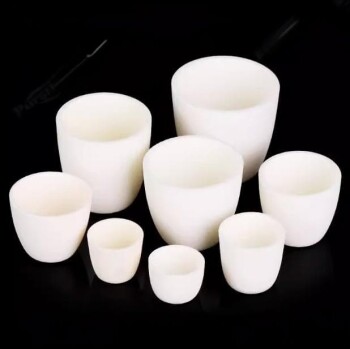
- Arc-Shaped Alumina Ceramic Crucible High Temperature Resistant for Engineering Advanced Fine Ceramics
- High Purity Pure Graphite Crucible for Evaporation
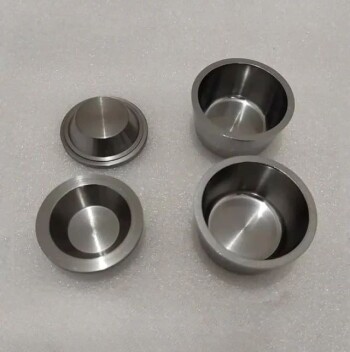
- Electron Beam Evaporation Coating Tungsten Crucible and Molybdenum Crucible for High Temperature Applications
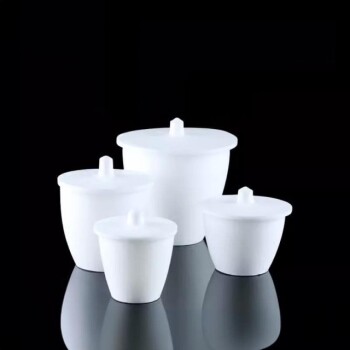
- Custom Machined and Molded PTFE Teflon Parts Manufacturer with PTFE Crucible and Lid
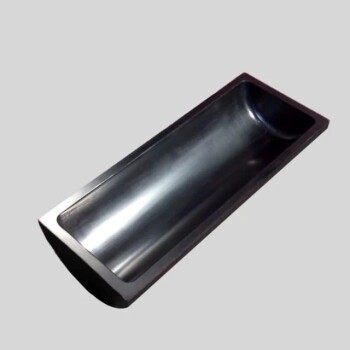
- Carbon Graphite Boat -Laboratory Tube Furnace with Cover
People Also Ask
- Why Use Alumina Crucibles & Powder Burial for NaSICON? Ensure Phase Purity and Prevent Elemental Volatilization
- What is the primary purpose of using alumina crucibles for LLTO ceramics? Optimize Your High-Temperature Sintering
- Why are alumina crucibles and mother powder essential for LATP sintering? Optimize Your Solid Electrolyte Performance
- Why are high-purity alumina crucibles used for liquid lead corrosion experiments? Ensure Data Accuracy at 550°C
- Primary considerations for choosing alumina crucibles and quartz tubes in indium intercalation: Ensure Material Purity