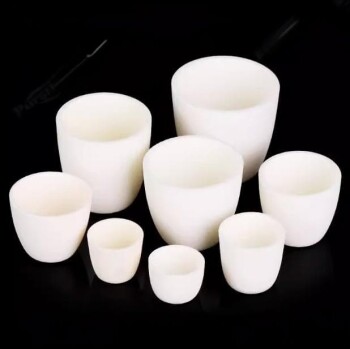
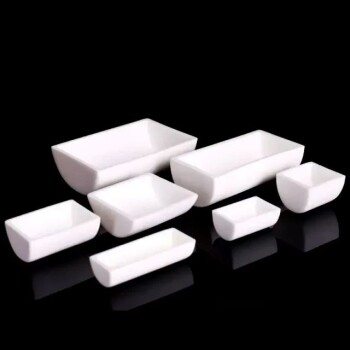
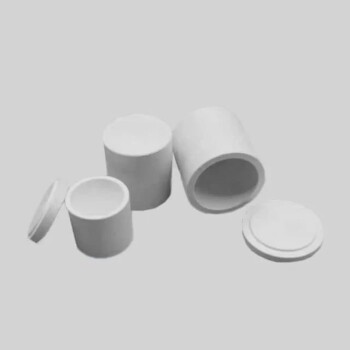
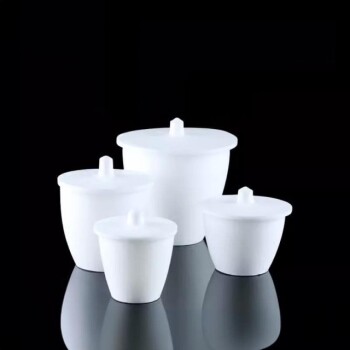
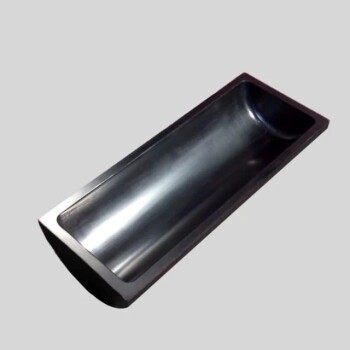
Zirconia crucibles are the standard for melting Nickel Aluminide (Ni3Al) because they offer a critical balance of high-temperature endurance and chemical resistance. Specifically, their superior chemical stability prevents the reactive aluminum component of the alloy from attacking the crucible walls, ensuring the final ingot retains a precise chemical composition free from refractory impurities.
Melting reactive alloys requires a containment vessel that is thermally robust yet chemically invisible to the melt. Zirconia solves the primary challenge of Ni3Al processing: it withstands extreme heat while remaining inert to aluminum-rich liquids, preventing the contamination that compromises alloy performance.
The Critical Challenges of Melting Ni3Al
To understand why Zirconia is preferred, one must look at the specific demands placed on the crucible by the Ni3Al alloy system.
Withstanding Extreme Thermal Loads
The melting process subjects the crucible to intense thermal shock and sustained high temperatures. Zirconia is selected for its exceptional refractoriness, meaning it retains its strength and shape well above the melting point of the alloy. It does not soften or deform, ensuring the physical containment of the melt remains secure throughout the process.
Combating Chemical Reactivity
The most significant threat to alloy purity in this context is the reactivity of aluminum. Molten aluminum is highly aggressive and tends to reduce many refractory oxides, leaching oxygen and crucible material into the melt.
Zirconia crucibles are chemically inert when in contact with aluminum-rich liquid metals. By resisting this chemical attack, Zirconia prevents the introduction of foreign impurities that would degrade the mechanical properties of the final Ni3Al alloy.
Ensuring Structural Integrity
Beyond heat and chemistry, the crucible must endure physical stress. The primary reference notes that Zirconia can withstand the high-temperature impact of the molten metal. This durability ensures the crucible remains intact during the turbulent phases of melting and pouring, further protecting the melt from physical contamination caused by crucible erosion or cracking.
Understanding Material Compatibility (Trade-offs)
While Zirconia is ideal for Ni3Al, it is vital to understand that crucible selection is not "one size fits all." Different alloy chemistries dictate different refractory choices to avoid cross-contamination.
Specificity of Interaction
A crucible that works for one alloy may fail with another. For example, Magnesium Oxide (MgO) is preferred for Iron-Titanium (Fe2Ti) alloys because it minimizes reactivity with iron and titanium melts. Similarly, High-purity Alumina is often used for high-entropy alloys to maintain electrochemical accuracy.
The Risk of Substitution
Using a generic crucible for a specialized alloy like Ni3Al often leads to failure. If a less stable material were substituted for Zirconia, the aluminum in the Ni3Al would likely react with the vessel walls. This reaction would alter the alloy's stoichiometry—the precise ratio of Nickel to Aluminum—rendering the material useless for high-precision applications.
Making the Right Choice for Your Goal
Selecting the correct crucible is a function of the specific reactive elements within your melt.
- If your primary focus is Ni3Al alloys: Prioritize Zirconia crucibles to prevent aluminum reactivity and ensure precise chemical composition.
- If your primary focus is Fe2Ti alloys: Utilize Magnesium Oxide (MgO) crucibles to ensure stability against iron and titanium without softening.
- If your primary focus is High-Entropy Alloys: Consider High-purity Alumina to maintain electrochemical accuracy and prevent electrode contamination.
Match the chemical stability of your crucible to the most reactive element in your alloy to guarantee a pure, high-performance casting.
Summary Table:
| Feature | Zirconia (ZrO2) | Magnesium Oxide (MgO) | High-purity Alumina |
|---|---|---|---|
| Best Used For | Ni3Al Alloys | Fe2Ti Alloys | High-Entropy Alloys |
| Key Strength | Resists Aluminum attack | Stability against Fe/Ti | Electrochemical accuracy |
| Thermal Resilience | Exceptional refractoriness | High-temp stability | High thermal endurance |
| Primary Benefit | Prevents contamination | Minimizes reactivity | Prevents electrode fouling |
Optimize Your Material Purity with KINTEK
Don't compromise your alloy's integrity with generic refractories. KINTEK specializes in premium laboratory equipment and specialized consumables, providing the high-precision zirconia, alumina, and MgO crucibles necessary for demanding high-temperature applications.
Whether you are working with Ni3Al alloys, high-entropy systems, or advanced battery research, our comprehensive portfolio—including high-temperature furnaces (vacuum, tube, muffle), crushing systems, and hydraulic presses—is designed to meet the rigorous standards of modern metallurgy and material science.
Ready to enhance your lab's casting quality? Contact KINTEK today to consult with our experts and find the perfect crucible solution for your specific alloy needs.
References
- Paweł Jóźwik, Z. Bojar. Applications of Ni3Al Based Intermetallic Alloys—Current Stage and Potential Perceptivities. DOI: 10.3390/ma8052537
This article is also based on technical information from Kintek Solution Knowledge Base .
Related Products
- Arc-Shaped Alumina Ceramic Crucible High Temperature Resistant for Engineering Advanced Fine Ceramics
- High Purity Pure Graphite Crucible for Electron Beam Evaporation
- Electron Beam Evaporation Coating Gold Plating Tungsten Molybdenum Crucible for Evaporation
- Engineering Advanced Fine Ceramics Alumina Al2O3 Crucible With Lid Cylindrical Laboratory Crucible
- Electron Beam Evaporation Coating Tungsten Crucible and Molybdenum Crucible for High Temperature Applications
People Also Ask
- Why Use Alumina Crucibles & Powder Burial for NaSICON? Ensure Phase Purity and Prevent Elemental Volatilization
- What is the primary purpose of using alumina crucibles for LLTO ceramics? Optimize Your High-Temperature Sintering
- Why are alumina crucibles and mother powder essential for LATP sintering? Optimize Your Solid Electrolyte Performance
- Why are high-purity alumina crucibles used for liquid lead corrosion experiments? Ensure Data Accuracy at 550°C
- Primary considerations for choosing alumina crucibles and quartz tubes in indium intercalation: Ensure Material Purity