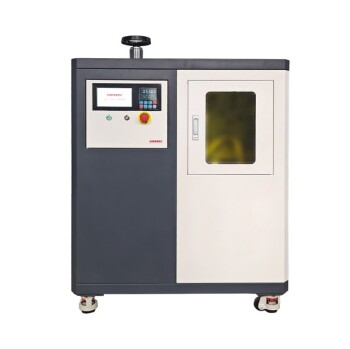
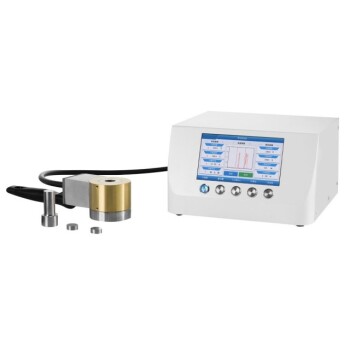
The primary advantage is the preservation of chemical integrity through room-temperature processing. Cold isostatic pressing (CIP) or high-pressure pelleting leverages the inherent ductility of Argyrodite sulfide electrolytes to create a dense, monolithic structure without heat. Unlike oxide-based systems that require high-temperature sintering, this method achieves intimate component contact while avoiding thermal degradation and harmful side reactions.
By substituting thermal energy with mechanical pressure, cold-pressing solves the fundamental challenge of joining solid interfaces. It eliminates the need for energy-intensive heating while ensuring the electrolyte retains its full chemical activity and conductivity.
The Mechanics of Cold Densification
Leveraging High Ductility
The success of cold pressing relies entirely on the physical properties of Argyrodite electrolytes. These materials possess high ductility, meaning they can deform plastically under pressure without fracturing.
Achieving Intimate Contact
Because the material is ductile, high-pressure processing forces the electrolyte to flow. This creates intimate contact between the cathode material and the electrolyte at room temperature, a critical requirement for efficient ion transfer.
Eliminating Pores and Voids
The application of isostatic pressure mechanically collapses empty spaces within the battery structure. Eliminating these pores and voids is essential for maximizing conductivity and ensuring consistent electrochemical performance.
Overcoming Thermal Limitations
Avoiding High-Temperature Sintering
Traditional oxide-based electrolytes often require sintering—heating materials to high temperatures to fuse them. Argyrodite sulfides, however, can be processed effectively using only pressure, bypassing the need for thermal fusion entirely.
Preventing Harmful Side Reactions
High temperatures frequently trigger unwanted chemical changes in battery materials. By operating at room temperature, cold pressing prevents these harmful side reactions, ensuring the materials remain stable and functional.
Preserving Chemical Activity
Heat can degrade the active properties of sensitive battery components. Cold pressing effectively preserves the chemical activity of the electrolyte and cathode, leading to superior battery reliability.
Manufacturing and Performance Implications
Increasing Energy Density
By mechanically removing voids, the process significantly increases the volumetric energy density (Wh/l) of the final cell. A denser cell packs more active material into the same amount of space.
Reducing Volume Changes
A solid, void-free structure is more mechanically robust. This densification helps reduce volume changes during the battery's operation, which contributes to longer cycle life.
Lowering Energy Requirements
Eliminating high-temperature furnaces drastically reduces the energy consumption of the manufacturing line. This makes the process not only technically superior for sulfides but also more energy-efficient and scalable for commercial production.
Understanding the Trade-offs
Material Specificity
It is important to recognize that this advantage is material-specific. This cold-processing method works only because Argyrodite sulfides are ductile; it cannot be applied effectively to brittle ceramic electrolytes that require sintering to bond.
Reliance on Mechanical Force
While you save on thermal energy, you trade it for a requirement for significant mechanical force. Achieving the necessary pore elimination requires robust high-pressure equipment, which becomes a primary consideration for facility design.
Making the Right Choice for Your Goal
To maximize the potential of Argyrodite electrolytes, align your processing method with your specific engineering targets:
- If your primary focus is Electrochemical Performance: Prioritize high pressure levels to eliminate all voids, as this directly enhances conductivity and reduces internal resistance.
- If your primary focus is Manufacturing Scalability: Leverage the room-temperature nature of this process to reduce energy overhead and eliminate the bottlenecks associated with high-temperature furnaces.
The cold isostatic press represents the optimal intersection of material properties and processing efficiency for sulfide-based solid-state batteries.
Summary Table:
| Feature | Cold Isostatic Pressing (CIP) | High-Temperature Sintering |
|---|---|---|
| Processing Temp | Room Temperature | High Heat (Sintering Temp) |
| Material Integrity | Preserved (No side reactions) | Risk of thermal degradation |
| Interface Contact | Intimate via plastic deformation | Created through thermal fusion |
| Energy Efficiency | High (No heating required) | Low (Energy-intensive) |
| Suited Materials | Ductile Sulfides (Argyrodite) | Brittle Ceramics / Oxides |
Maximize Your Battery Research with KINTEK Precision
Unlock the full potential of Argyrodite sulfide electrolytes with KINTEK’s advanced processing solutions. Whether you require high-performance Cold Isostatic Presses (CIP), specialized hydraulic pellet presses, or isostatic systems, our equipment is designed to eliminate voids and ensure intimate component contact without the risks of thermal degradation.
From battery research tools and consumables to high-pressure autoclaves and crushing systems, KINTEK provides the laboratory equipment necessary to scale your solid-state battery production efficiently.
Ready to enhance your lab's conductivity and energy density? Contact KINTEK Experts Today
Related Products
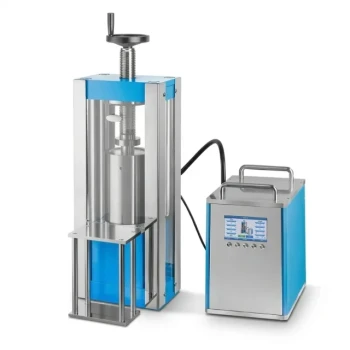
- Electric Split Lab Cold Isostatic Press CIP Machine for Cold Isostatic Pressing
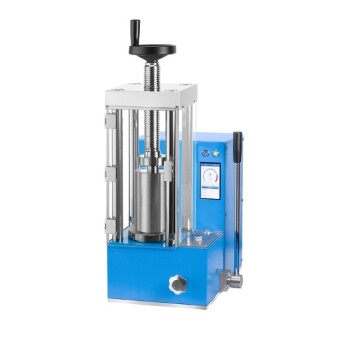
- Electric Lab Cold Isostatic Press CIP Machine for Cold Isostatic Pressing
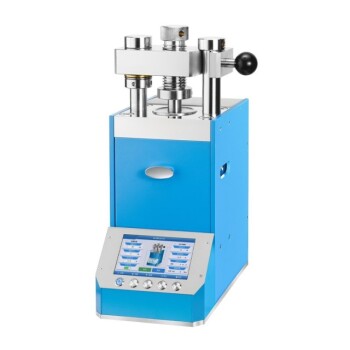
- Automatic Lab Cold Isostatic Press CIP Machine Cold Isostatic Pressing
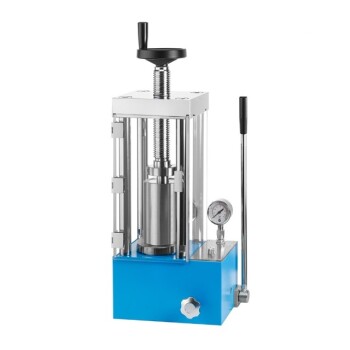
- Manual Cold Isostatic Pressing Machine CIP Pellet Press
- Warm Isostatic Press for Solid State Battery Research
People Also Ask
- How is isostatic pressing equipment utilized to integrate lithium metal anodes during solid-state battery assembly?
- How does isostatic pressing equipment enhance lithium metal anode contact? Optimize Your Solid-State Battery Assembly
- What is the meaning of isostatic pressing? Achieve Uniform Density in Complex Parts
- What is isostatic pressing method for ceramics? Achieve Uniform Density for Complex Parts
- What role does cold isostatic pressing play in the formation of feed rods for single crystal growth? Ensure Stability.