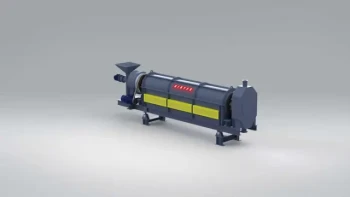
A recarbonation reactor is a vital regenerative component designed to restore the efficiency of calcium-based materials used in carbon capture systems. Its primary function is to expose partially deactivated sorbents to a high concentration of carbon dioxide, triggering a chemical and structural revitalization that allows the material to be reused effectively.
The recarbonation reactor reverses the natural degradation of sorbent materials by inducing pore regeneration and crystal reorganization. This process is essential for reducing the consumption of fresh material, thereby securing the economic feasibility of the entire calcium looping process.
The Challenge of Sorbent Degradation
Loss of Reactivity During Cycling
In calcium looping processes, calcium-based carriers are repeatedly cycled to capture and release CO2. Over time, these materials naturally lose their reactivity.
Without intervention, the material becomes "partially deactivated." This means it can no longer capture carbon dioxide as efficiently as fresh material, threatening the performance of the system.
Mechanisms of Regeneration
Creating a High-CO2 Environment
The recarbonation reactor functions by creating a specific environment rich in carbon dioxide. This high concentration is the catalyst required to treat the deactivated material.
Inducing Crystal Reorganization
When exposed to these specific conditions, the calcium-based carrier undergoes a structural shift. The reactor induces a reorganization of the material's crystal structure.
This reorganization corrects physical changes that occurred during previous capture cycles, resetting the material's internal architecture.
Pore Regeneration
Crucially, the process regenerates the pores within the sorbent material. The reactivity of a sorbent is heavily dependent on its porosity—the available surface area for chemical reactions.
By regenerating these pores, the reactor effectively "unclogs" or re-opens the active sites of the carrier, restoring its ability to absorb CO2.
The Economic Necessity
Reducing Fresh Sorbent Makeup
If reactivity cannot be restored, operators must constantly discard degraded material and purchase fresh sorbent (known as "makeup flow") to maintain performance.
The recarbonation reactor significantly reduces this requirement. By extending the useful life of the existing material, the system consumes far less fresh resource.
Ensuring Economic Feasibility
The cost of constantly replenishing calcium-based carriers can be prohibitive. The primary reference explicitly notes that the use of a recarbonation reactor is critical for improving the overall economic feasibility of the process.
Without this regeneration step, the operational costs associated with material consumption could render the calcium looping process economically unviable.
Understanding the Trade-offs
System Complexity vs. Material Savings
While the benefits are clear, incorporating a recarbonation reactor adds a layer of complexity to the plant design. It requires precise control of CO2 concentrations and material flow.
However, this complexity is a calculated trade-off. The engineering effort required to implement the reactor is outweighed by the substantial long-term savings achieved by lowering the fresh sorbent makeup rate.
Optimizing Your Carbon Capture Strategy
If your primary focus is Operational Cost (OPEX):
- Prioritize the optimization of the recarbonation reactor to minimize the purchase rate of fresh calcium-based sorbents.
If your primary focus is Process Efficiency:
- Monitor the reactor's ability to maintain pore volume, ensuring that the circulating material retains high reactivity over many cycles.
If your primary focus is System Design:
- View the recarbonation reactor not as an optional add-on, but as a mandatory subsystem for making calcium looping economically competitive.
By effectively regenerating the internal structure of your sorbent, the recarbonation reactor transforms a consumable resource into a durable asset.
Summary Table:
| Feature | Impact of Recarbonation Reactor | Benefit to Operation |
|---|---|---|
| Sorbent Reactivity | Restores pore volume and crystal structure | Maintains high CO2 capture efficiency |
| Material Lifespan | Reverses deactivation of calcium-based carriers | Significantly reduces need for fresh makeup flow |
| Operational Cost | Lowers consumption of raw materials | Enhances long-term economic feasibility |
| Process Stability | Ensures consistent sorbent performance | Simplifies long-term system management |
Maximize Your Carbon Capture ROI with KINTEK
Is your carbon capture process hindered by sorbent degradation and high material costs? KINTEK specializes in advanced laboratory and industrial solutions, including high-temperature high-pressure reactors and autoclaves essential for optimizing calcium looping and recarbonation processes.
Our comprehensive range of equipment—from high-temperature furnaces for material synthesis to crushing and milling systems for sorbent preparation—is designed to help research labs and industrial operators achieve peak efficiency. By integrating KINTEK’s precision-engineered reactors into your workflow, you can effectively regenerate sorbent porosity, reduce raw material consumption, and secure the economic feasibility of your green energy projects.
Ready to optimize your reactor performance? Contact our technical experts today to discover the perfect equipment and consumables for your carbon capture research.
References
- Varun Singh, Vladimir Galvita. Chemical looping: a technology platform for upcycling low-grade industrial resources. DOI: 10.1007/s43938-023-00028-3
This article is also based on technical information from Kintek Solution Knowledge Base .
Related Products
- Electric Rotary Kiln Small Rotary Furnace for Activated Carbon Regeneration
- Stainless High Pressure Autoclave Reactor Laboratory Pressure Reactor
- High Pressure Laboratory Autoclave Reactor for Hydrothermal Synthesis
- Customizable Laboratory High Temperature High Pressure Reactors for Diverse Scientific Applications
- Electric Rotary Kiln Small Rotary Furnace Biomass Pyrolysis Plant
People Also Ask
- What is a rotary kiln electric furnace? Achieve Superior Uniform Heating for Your Materials
- What is the temperature of activated carbon regeneration? Unlock the 1000°F Process for Reuse
- What is the regeneration temperature of activated carbon? Optimize Your Process with the Right Method
- What are the characteristics of the slipping, slumping, and rolling modes of bed motion? Optimize Your Rotary Process
- What are the parts of a carbon regeneration kiln? A Guide to Its Core Components and Function