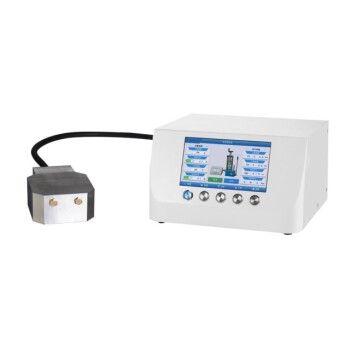
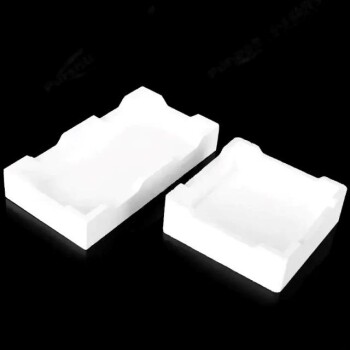
The primary motivation for using an electric hot plate with a ceramic heating surface is to achieve exceptional thermal stability and uniformity. This specific setup is chosen to accurately simulate the thermal environment generated by M42 high-speed steel saw blades during high-speed cutting operations.
The ceramic surface ensures consistent heat distribution, allowing for the precise correlation of temperature with changes in a coating's electrical and thermal properties without the interference of thermal fluctuations.
Simulating Real-World Conditions
Replicating High-Speed Cutting Stress
The goal of this research is often to understand how coatings perform under specific operational stresses.
By using a ceramic heating surface, researchers can mimic the heat generated by M42 high-speed steel saw blades. This material is standard in industrial cutting, and replicating its thermal profile is essential for valid data.
The Necessity of Thermal Uniformity
To measure a coating's emission characteristics accurately, the heat source must be even across the entire sample.
Ceramic surfaces are superior to standard metal plates in providing this uniformity. They minimize "hot spots" that could skew data regarding the coating's thermal conduction behavior.
Precision and Control in Measurement
Digital Control for Specific Ranges
Accurate research requires the ability to hold specific temperatures steadily.
Combined with a digital control system, the ceramic hot plate allows researchers to isolate specific temperature points. The equipment is typically effective for a range between 50 and 350 degrees Celsius.
Monitoring Electrical Properties
Thermal emission is often linked to the electrical characteristics of a coating.
This controlled environment allows for the accurate observation of changes in electrical properties as the temperature rises. Researchers can map these changes directly to specific thermal thresholds without external noise.
Understanding the Trade-offs
Temperature Range Constraints
While highly effective for M42 steel simulation, this setup has thermal limits.
The effective operating range is capped around 350 degrees Celsius. If your research requires simulating extreme high-temperature environments (such as aerospace reentry or plasma interaction), this specific apparatus may be insufficient.
Static vs. Dynamic Simulation
The hot plate provides a static thermal load.
While it simulates the temperature of high-speed cutting, it does not simulate the mechanical friction or shear stress of the actual cutting process. It isolates the thermal variable, which is valuable for analysis but differs from a full-spectrum operational test.
Making the Right Choice for Your Goal
When deciding if this apparatus is right for your experiment, consider your specific objectives:
- If your primary focus is simulating M42 steel tools: This apparatus is the ideal choice for replicating the thermal profile of high-speed saw blades.
- If your primary focus is material characterization: The ceramic surface provides the necessary uniformity to accurately map electrical properties against thermal conduction behavior.
This methodology ensures that your data reflects the coating's true performance capabilities within standard industrial cutting temperature ranges.
Summary Table:
| Feature | Benefit for Coating Research |
|---|---|
| Ceramic Surface | Provides exceptional thermal uniformity and eliminates "hot spots". |
| Temperature Range | Precision control between 50°C and 350°C for stable data collection. |
| M42 Simulation | Replicates the real-world thermal profile of high-speed steel saw blades. |
| Digital Control | Allows for isolating specific temperature points to map electrical properties. |
| Material Focus | Ideal for analyzing thermal conduction and emission characteristics. |
Elevate Your Materials Research with KINTEK Precision
Accurate simulation of high-speed industrial environments requires equipment that offers unmatched stability and control. KINTEK specializes in advanced laboratory solutions, providing high-performance electric hot plates and heating systems designed for the rigorous demands of coating research and material characterization.
Whether you are testing the thermal emission of coatings or investigating the durability of M42 high-speed steel, our comprehensive portfolio includes everything from high-temperature furnaces and hydraulic presses to precision cooling solutions and ceramics. We help researchers achieve valid, repeatable data by providing tools that eliminate thermal fluctuations and mechanical inconsistencies.
Ready to optimize your lab's thermal analysis capabilities? Contact us today to find the perfect equipment for your research!
References
- А. E. Litvinov, Etibar Balaev. Parameters of protective carbon films applied on high-speed steels M42 via magnetronic sputtering. DOI: 10.17580/cisisr.2023.01.17
This article is also based on technical information from Kintek Solution Knowledge Base .
Related Products
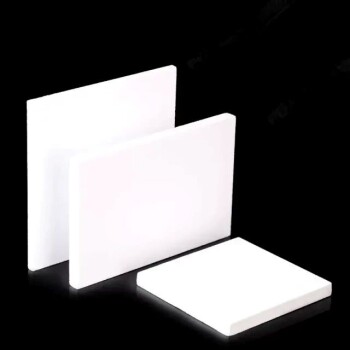
- High Temperature Wear-Resistant Alumina Al2O3 Plate for Engineering Advanced Fine Ceramics
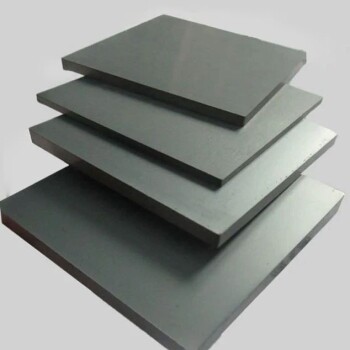
- Silicon Carbide (SIC) Ceramic Plate for Engineering Advanced Fine Ceramics
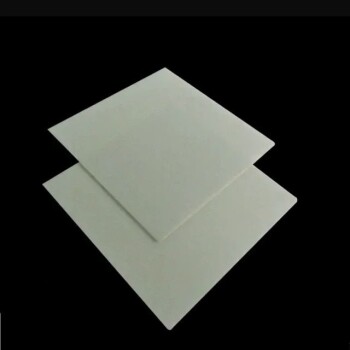
- Boron Nitride (BN) Ceramic Plate
- Precision Machined Silicon Nitride (SiN) Ceramic Sheet for Engineering Advanced Fine Ceramics
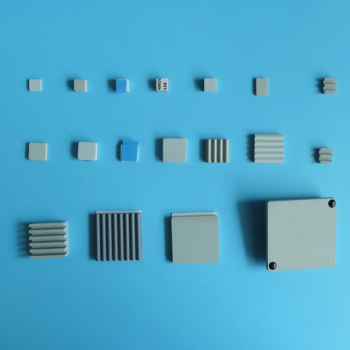
- Silicon Carbide (SIC) Ceramic Sheet Flat Corrugated Heat Sink for Engineering Advanced Fine Ceramics
People Also Ask
- What are the process advantages of selecting an alumina plate for CuO nanofilm synthesis? Achieve Superior Purity
- What function do alumina ceramic plates serve as supports in the preparation of molecular sieve membranes?
- How is alumina ceramic made? A Guide to Manufacturing Methods and Material Properties
- Why use high-purity alumina plates for sintering porous stainless steel? Ensure Purity & Precision
- What is the function of alumina setter plates for LATP? Protect Material Purity & Prevent Adhesion