High-precision temperature control is the only defense against irreversible material failure. Zirconium-based amorphous alloy membranes exist in a thermodynamically metastable state, meaning their internal structure is inherently unstable at elevated temperatures. Precise thermal regulation is required to keep the operating environment strictly below the alloy's crystallization temperature, preventing the membrane from reverting to a crystalline form and losing its unique filtration properties.
Core Takeaway The performance of zirconium-based amorphous membranes relies entirely on maintaining a disordered atomic structure. Without strict temperature control, the material crystallizes, resulting in immediate hydrogen embrittlement and a drastic reduction in permeability.
The Physics of Amorphous Stability
The Metastable State
Zirconium-based amorphous thin films are not in a state of thermodynamic equilibrium. They exist in a "metastable" state, which allows them to possess unique characteristics not found in standard crystalline metals.
Because they are metastable, these materials are highly susceptible to change. If the temperature exceeds a specific threshold, the atoms will naturally attempt to rearrange themselves into a more stable, ordered crystalline structure.
The Trigger for Crystallization
Crystallization is the primary failure mode for these membranes. It is triggered by two main factors: operating at high temperatures that exceed the alloy's specific limit, or running for extended periods near that thermal limit.
High-precision control equipment is necessary to ensure the process environment never crosses this thermal line, even momentarily.
Consequences of Thermal Drift
Loss of Hydrogen Embrittlement Resistance
One of the most valuable properties of the amorphous state is its high resistance to hydrogen embrittlement. This allows the membrane to filter hydrogen without degrading or cracking under exposure.
If temperature control fails and crystallization occurs, this resistance is lost. The material becomes brittle and prone to structural failure, compromising the physical integrity of the membrane module.
Sharp Decrease in Permeability
The amorphous structure is what allows for efficient hydrogen permeation. When the material crystallizes, the atomic lattice tightens and changes, creating barriers to hydrogen flow.
This results in a sharp, immediate decrease in the hydrogen permeability rate. The membrane effectively stops functioning as a high-efficiency filter, rendering the purification process inefficient.
Understanding the Operational Trade-offs
High Performance vs. Narrow Operating Windows
These membranes offer superior filtration performance, but they come with a distinct trade-off: a lack of thermal forgiveness. Unlike some robust crystalline materials that can withstand thermal spikes, amorphous zirconium-based alloys require a strictly controlled environment.
The Cost of Precision
Implementing high-precision heaters and control systems adds complexity and cost to the reactor design. However, this is not an optional upgrade; it is a fundamental requirement. Skimping on thermal regulation will inevitably lead to premature membrane replacement and system downtime.
Ensuring System Reliability
To maximize the lifespan and efficiency of your hydrogen purification system, consider the following operational priorities:
- If your primary focus is Structural Integrity: Ensure your thermal controls effectively prevent the material from reaching temperatures that induce crystallization and subsequent embrittlement.
- If your primary focus is Process Efficiency: Maintain a stable temperature profile to preserve the amorphous state, guaranteeing consistent hydrogen permeability rates.
Strict adherence to thermal limits is the key to unlocking the superior performance of amorphous alloy technology.
Summary Table:
| Feature | Amorphous State (Controlled Temp) | Crystalline State (Temp Failure) |
|---|---|---|
| Atomic Structure | Disordered / Metastable | Ordered / Stable |
| Permeability | High Efficiency | Sharp Decrease |
| Embrittlement Resistance | High Resistance | Brittle / Prone to Cracking |
| Material Integrity | Durable & Stable | Irreversible Failure |
| Operational Status | Optimal Performance | System Downtime |
Secure Your Material Integrity with KINTEK Precision Solutions
Maintaining the delicate metastable state of zirconium-based amorphous alloys requires more than just basic heating—it demands absolute thermal accuracy. KINTEK specializes in high-performance laboratory equipment designed to protect your most sensitive research materials. From our high-temperature furnaces (muffle, tube, and vacuum) with advanced PID control to our specialized high-pressure reactors and autoclaves, we provide the stability needed to prevent crystallization and material failure.
Whether you are conducting battery research, refining hydrogen purification processes, or utilizing our PTFE and ceramic consumables, KINTEK ensures your laboratory is equipped for success. Don't risk irreversible damage to your membranes—partner with the experts in thermal regulation.
Ready to optimize your hydrogen purification system? Contact KINTEK experts today to find the perfect high-precision solution for your lab.
References
- Shahrouz Nayebossadri, David Book. Suitability of Amorphous Thin–Film Alloys for Hydrogen Purification. DOI: 10.4172/2155-9589.1000177
This article is also based on technical information from Kintek Solution Knowledge Base .
Related Products
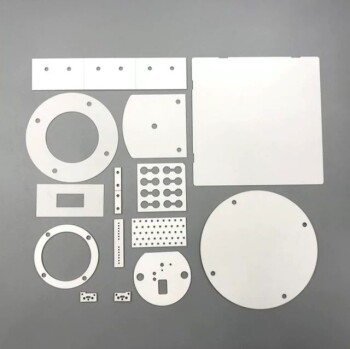
- Custom-Made Alumina Zirconia Special-Shaped Ceramic Plates for Engineering Advanced Fine Ceramics Processing
- Customizable PEM Electrolysis Cells for Diverse Research Applications
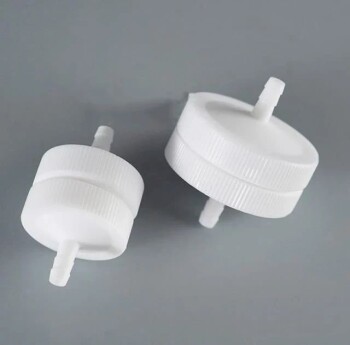
- Custom PTFE Teflon Parts Manufacturer for Sampling Filters
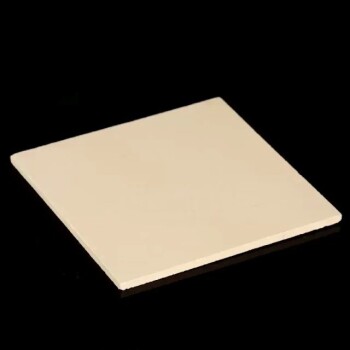
- Precision Machined Yttria Stabilized Zirconia Ceramic Plate for Engineering Advanced Fine Ceramics
- Engineering Advanced Fine Ceramics Alumina Al2O3 Crucible With Lid Cylindrical Laboratory Crucible
People Also Ask
- What function do alumina ceramic plates serve as supports in the preparation of molecular sieve membranes?
- Why are ceramics more resistant to corrosion? Unlock the Secret to Unmatched Chemical Stability
- What are the process advantages of selecting an alumina plate for CuO nanofilm synthesis? Achieve Superior Purity
- How is alumina ceramic made? A Guide to Manufacturing Methods and Material Properties
- What are the applications of zirconia ceramics? Unlock High-Performance Solutions for Extreme Environments