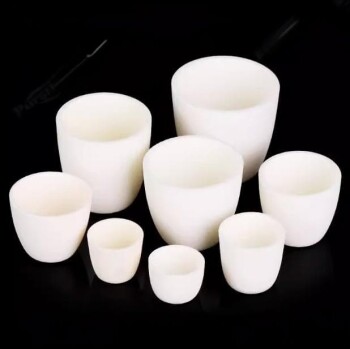
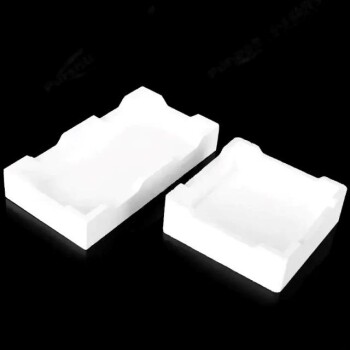
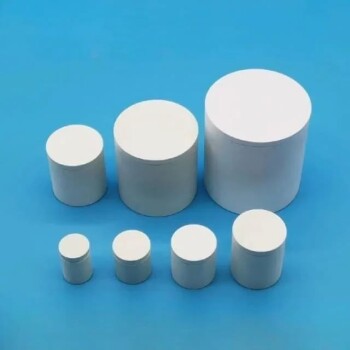
The necessity of high-performance alumina crucibles stems from the aggressive thermal and chemical nature of molten nickel. When processing alloys with high nickel content, such as CuNi60 or pure nickel, the melt exhibits significant chemical activity and requires extreme heat. High-purity alumina is essential because it offers the specific refractoriness needed to withstand this heat without cracking and the chemical inertness required to prevent the vessel from contaminating the alloy.
Core Takeaway Nickel's high melting point and chemical reactivity create a harsh environment that degrades standard containment materials. High-purity alumina is the industry standard solution because it simultaneously ensures structural integrity against thermal shock and guarantees the final alloy remains free of impurities derived from the crucible walls.
The Unique Demands of Molten Nickel
Coping with Extreme Heat
Nickel possesses a notably high melting point. To process it effectively, the containment vessel must operate at elevated temperatures that would compromise lesser materials.
High-performance alumina crucibles provide exceptional refractoriness. This property allows them to maintain structural rigidity even when subjected to the intense heat required to melt pure nickel.
Resisting Thermal Shock
The melting process involves rapid temperature changes, known as thermal shock. Standard ceramics often fracture or shatter under these fluctuating stresses.
Alumina crucibles are engineered for superior thermal stability. They can endure the severe thermal cycling of the melting process without cracking, ensuring the safety and continuity of the operation.
The Critical Role of Chemical Inertness
Preventing Cross-Contamination
At elevated temperatures, nickel exhibits significant chemical activity. It aggressively seeks to react with the materials it contacts, which poses a major risk to alloy purity.
Alumina is chosen specifically for its chemical inertness. It creates a neutral barrier that effectively prevents any reaction between the molten metal and the crucible walls.
Preserving Alloy Properties
When a crucible reacts with the melt, it introduces foreign impurities into the alloy composition. Even trace amounts of crucible material can alter the final physical properties of the metal.
By blocking these reactions, alumina ensures the accuracy of the alloy’s composition. This is vital for maintaining consistent mechanical properties, such as those required for high-stress applications like turbine blades or electrochemical electrodes.
The Risks of Material Incompatibility
Compromised Data Accuracy
Using a crucible that lacks high purity leads to immediate contamination. This makes it impossible to obtain accurate measurements of the alloy's purity or physical properties.
Mechanical Instability
If the crucible material is not sufficiently refractory, the furnace lining or vessel wall may degrade. This threatens the physical containment of the melt and can lead to catastrophic equipment failure.
Impact on High-Performance Applications
For sensitive applications, such as high-entropy alloys or superalloys, purity is non-negotiable. A reaction with the crucible wall can compromise the electrochemical or mechanical stability of the final product.
Making the Right Choice for Your Goal
Selecting the correct crucible is not just about holding molten metal; it is about preserving the integrity of your material science.
- If your primary focus is Alloy Purity: Prioritize high-purity alumina to prevent chemical reactions that introduce impurities and alter the alloy's composition.
- If your primary focus is Process Safety: Rely on alumina’s thermal stability to prevent cracking and structural failure during the rapid heating cycles of the melting process.
High-performance alumina is the definitive choice for ensuring that the nickel alloy you pour is exactly the same composition as the nickel alloy you intended to melt.
Summary Table:
| Feature | Requirement for Nickel/CuNi60 | Advantage of Alumina Crucibles |
|---|---|---|
| Refractoriness | Must exceed 1455°C (Pure Ni melting point) | High structural rigidity at extreme temperatures |
| Chemical Activity | Aggressive reaction with containment walls | Superior chemical inertness prevents contamination |
| Thermal Stability | Resistance to rapid heating/cooling cycles | High thermal shock resistance prevents cracking |
| Purity Control | Zero tolerance for foreign impurities | Ensures accuracy of alloy composition and properties |
Elevate Your Material Integrity with KINTEK
Ensure the absolute purity of your nickel alloys and superalloys with KINTEK’s high-performance alumina crucibles. Specifically engineered for high-temperature applications, our crucibles provide the thermal stability and chemical inertness required to protect your melts from contamination and structural failure.
Beyond specialized ceramics, KINTEK offers a comprehensive range of laboratory solutions, including:
- High-Temperature Furnaces: Induction melting, muffle, vacuum, and atmosphere furnaces.
- Sample Preparation: Crushing, milling, and hydraulic presses for pelletizing.
- Advanced Reactors: High-temperature high-pressure reactors and autoclaves.
- Consumables: Premium PTFE products, ceramics, and crucibles.
Don't let crucible degradation compromise your research or production. Contact KINTEK today to find the perfect containment solution for your high-stress laboratory requirements.
References
- Stefan J. Eder, Carsten Gachot. Effect of Temperature on the Deformation Behavior of Copper Nickel Alloys under Sliding. DOI: 10.3390/ma14010060
This article is also based on technical information from Kintek Solution Knowledge Base .
Related Products
- Arc-Shaped Alumina Ceramic Crucible High Temperature Resistant for Engineering Advanced Fine Ceramics
- Engineering Advanced Fine Alumina Al2O3 Ceramic Crucible for Laboratory Muffle Furnace
- Engineering Advanced Fine Ceramics Alumina Al2O3 Crucible With Lid Cylindrical Laboratory Crucible
- Engineering Advanced Fine Ceramics Alumina Crucibles (Al2O3) for Thermal Analysis TGA DTA
- Alumina Al2O3 Ceramic Crucible Semicircle Boat with Lid for Engineering Advanced Fine Ceramics
People Also Ask
- Why Use Alumina Crucibles & Powder Burial for NaSICON? Ensure Phase Purity and Prevent Elemental Volatilization
- What is the primary purpose of using alumina crucibles for LLTO ceramics? Optimize Your High-Temperature Sintering
- Why are alumina crucibles and mother powder essential for LATP sintering? Optimize Your Solid Electrolyte Performance
- Why are high-purity alumina crucibles used for liquid lead corrosion experiments? Ensure Data Accuracy at 550°C
- Primary considerations for choosing alumina crucibles and quartz tubes in indium intercalation: Ensure Material Purity