Vacuum drying is a non-negotiable step for preserving the chemical integrity of NiCrCoTiV high-entropy alloy powders.
It is required to rapidly remove residual ethanol solvent in an oxygen-deprived environment. Because wet milling creates highly reactive metal micro-powders, vacuum drying allows the material to dry at low temperatures and low pressures, effectively preventing oxidation that would otherwise occur in a standard drying oven.
The core function of vacuum drying is purity preservation. By lowering the boiling point of solvents, the equipment removes moisture and ethanol without exposing the powder to the high heat or oxygen that causes destructive oxidation, ensuring the raw material remains suitable for high-performance sintering.
The Mechanics of Solvent Removal
The Role of Pressure and Temperature
The wet milling process typically uses anhydrous ethanol as a process control agent.
Vacuum drying equipment reduces the atmospheric pressure surrounding the powder. This physical change significantly lowers the boiling point of the residual ethanol.
Rapid Evaporation
Because the boiling point is lowered, the solvent evaporates rapidly without requiring high thermal energy.
This allows the powder to dry completely while remaining in a low-temperature environment, which is critical for maintaining the stability of the alloy's microstructure.
Protecting Highly Active Surfaces
The Reactivity of Micro-Powders
Milling reduces the alloy to micro- or nano-scale powders.
This drastic increase in surface area makes the NiCrCoTiV particles highly active. In this state, the metal is exceptionally prone to chemical reactions, particularly with oxygen.
Preventing Oxidation
In a standard oven, the combination of heat and air would cause these active powders to oxidize immediately.
Vacuum drying creates a low oxygen partial pressure environment. By physically removing the air (and oxygen) from the chamber, the equipment prevents the active metal surfaces from reacting, ensuring no oxides form during the drying phase.
Ensuring Sintering Success
Maximizing Material Purity
The ultimate goal of the powder metallurgy process is to sinter the powder into a solid, high-performance alloy.
Oxidation acts as a contaminant. If the powder oxidizes during drying, those impurities are locked into the material. Vacuum drying minimizes these impurities, ensuring the high purity of the sintering raw materials.
Preventing Performance Degradation
Impurities introduced during the drying stage can lead to structural weaknesses.
By preventing secondary oxidation, vacuum drying ensures the final alloy retains the specific mechanical and chemical properties intended by the NiCrCoTiV composition.
Common Pitfalls to Avoid
The Risk of Standard Drying
Using conventional thermal drying methods is the most common error in this process.
Subjecting these specific powders to standard atmosphere heating will invariably lead to rapid oxidation. This degrades the feedstock before sintering even begins, rendering the wet milling effort wasted.
Incomplete Solvent Removal
Failing to achieve a sufficient vacuum can leave residual ethanol or moisture in the powder interstices.
Residual solvents can vaporize explosively or react chemically during the subsequent high-heat sintering process, leading to porosity or cracking in the final component.
Ensuring Quality in High-Entropy Alloy Production
To achieve the best results with NiCrCoTiV powders, align your drying parameters with your quality goals.
- If your primary focus is material purity: Ensure your vacuum equipment is capable of maintaining sufficiently low pressure to prevent any interaction with oxygen during the solvent evaporation phase.
- If your primary focus is process efficiency: Utilize the low-pressure environment to accelerate the evaporation of anhydrous ethanol, reducing cycle times without raising temperatures to dangerous levels.
Vacuum drying is not merely a drying step; it is a protective measure that defines the quality of your final alloy.
Summary Table:
| Feature | Vacuum Drying Impact | Benefit for NiCrCoTiV Alloy |
|---|---|---|
| Boiling Point | Significantly lowered | Rapid solvent removal at low temperatures |
| Oxygen Levels | Low oxygen partial pressure | Prevents reactive micro-powders from oxidizing |
| Solvent Type | Removes anhydrous ethanol | Eliminates residual contaminants from wet milling |
| Microstructure | Low-heat environment | Maintains stability and chemical integrity |
| Final Quality | High purity preservation | Reduces porosity and structural weaknesses |
Elevate Your Material Research with KINTEK
Preserving the integrity of advanced alloys like NiCrCoTiV requires more than just standard equipment—it requires precision and control. KINTEK specializes in high-performance laboratory solutions designed for the most demanding powder metallurgy workflows.
From our robust crushing and milling systems that produce fine micro-powders to our advanced vacuum drying ovens that prevent critical oxidation, we provide the tools you need for success. Whether you are working with high-temperature furnaces, hydraulic pellet presses, or vacuum reactors, KINTEK ensures your raw materials remain pure from preparation to sintering.
Ready to optimize your lab's efficiency and material purity?
Contact KINTEK Experts Today to find the perfect drying and milling solutions for your research.
Related Products
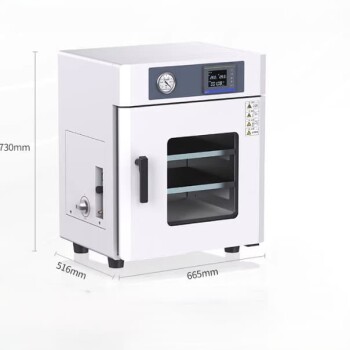
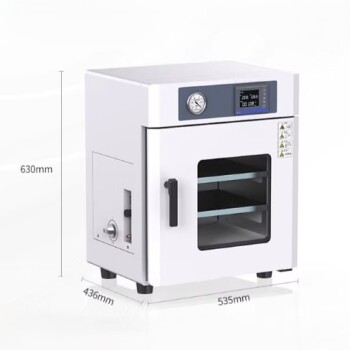
- 56L Vertical Laboratory Vacuum Drying Oven
- 23L Laboratory Vacuum Drying Oven
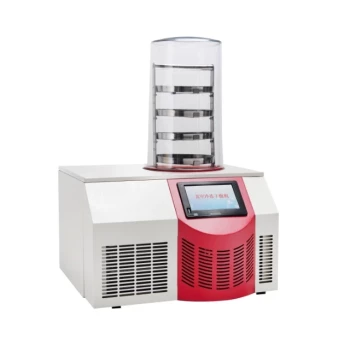
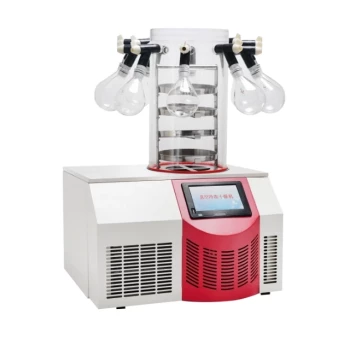
- Benchtop Laboratory Vacuum Freeze Dryer
- Vacuum Cold Mounting Machine for Sample Preparation
- High Performance Laboratory Freeze Dryer
People Also Ask
- Why is a laboratory vacuum drying oven recommended for rice straw residues? Protect Your Biomass Integrity
- What role does a laboratory vacuum drying oven play in the preparation of modified multi-walled carbon nanotubes?
- What is the importance of using a laboratory vacuum drying oven? Preserving Slow-Release Microcapsule Integrity
- Why is a Laboratory Vacuum Drying Oven recommended for PBAT microspheres? Protect Sensitive Polymer Integrity
- What role does a laboratory vacuum drying oven play in processing nanoparticle powder samples? Protect Sample Integrity