Toggle Categories
Get Instant Support
Choose your preferred way to connect with our team
Response Time
Within 8 hours on working days, 24 hours on holidays
Sample Preparation
KinTek sample preparation equipment includes sample crushing,milling, as while as while sieving equipment, hydraulic press equipment includes manual press, electric press, isostatic press, hot press and press filtering machine.

Isostatic Press
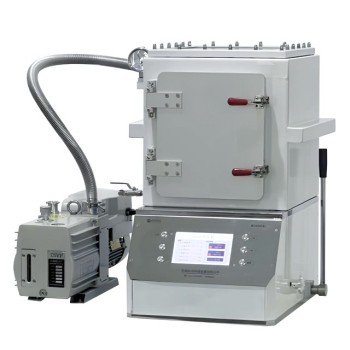
Vacuum Heated Lab Press

Automatic Heated Lab Press

Electric Lab Press

Customer-made Press

Manual Heated Lab Press

Manual Lab Press
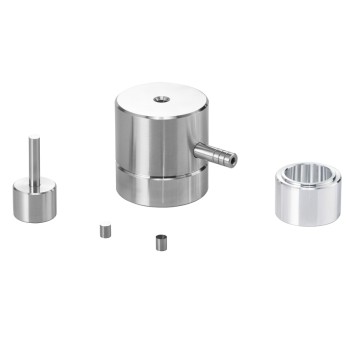
Molds & Accessories
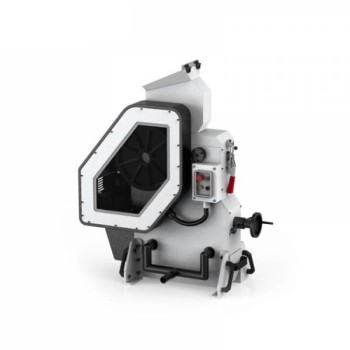
Crushing & Grinding Machine
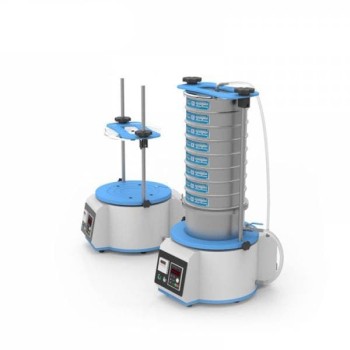
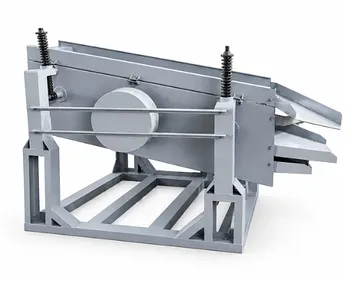
Sieving Machine
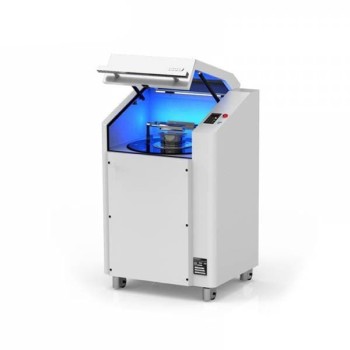
Milling Equipment
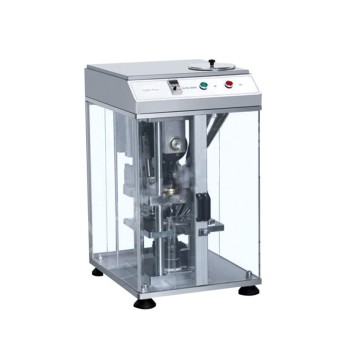
Tablet punching machine
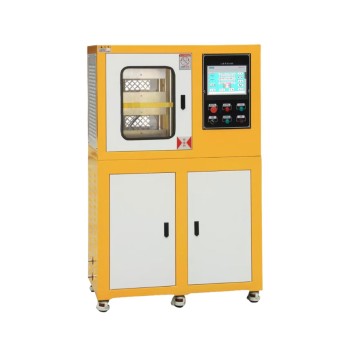
Rubber processing machine
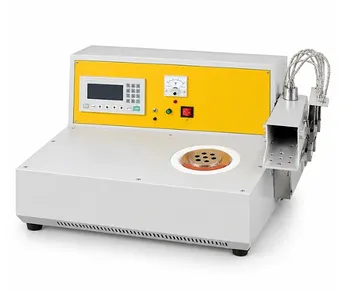
Coal Quality Analyzers
Assay Equipment Accessories & Consumables
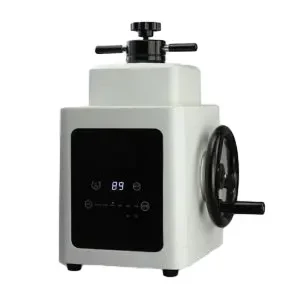
Mounting Machine
Coal, Coke & Ore Physical Testing
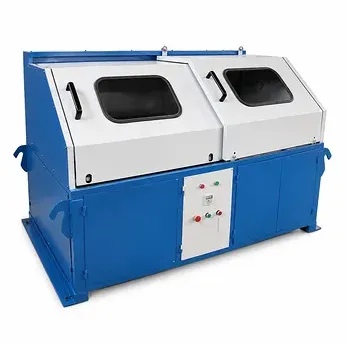
Rod Mill
Sample Preparation

kbr pellet press 2t
Item Number: PCKBR

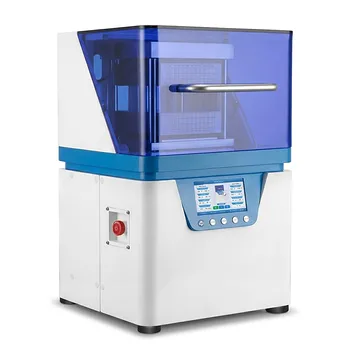
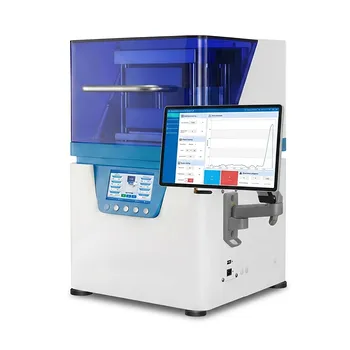
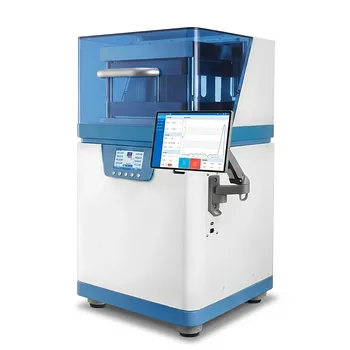
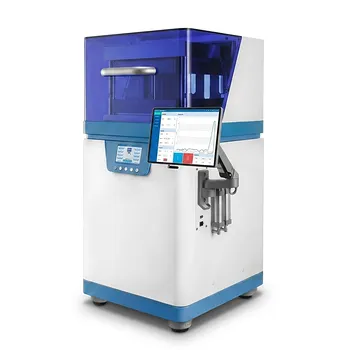
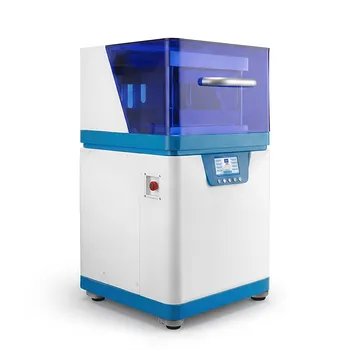
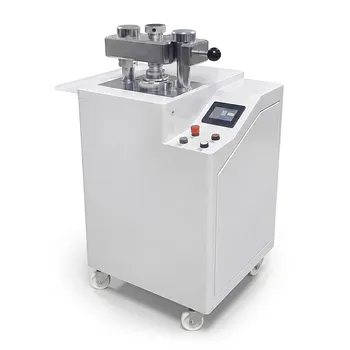
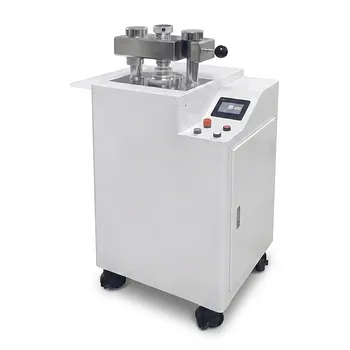
Automatic Fluorescent Pellet Press for XRF Sample Preparation
Item Number: KT-YGB
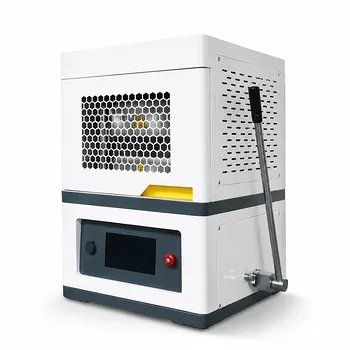
15T Programmable Lab Hot Press
Item Number: KT-PCV1
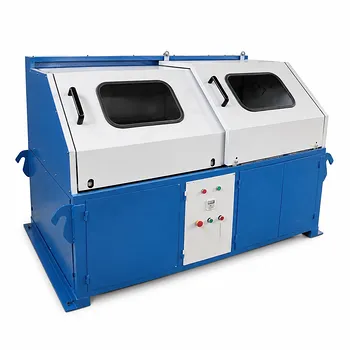
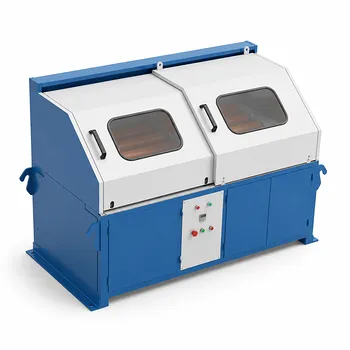
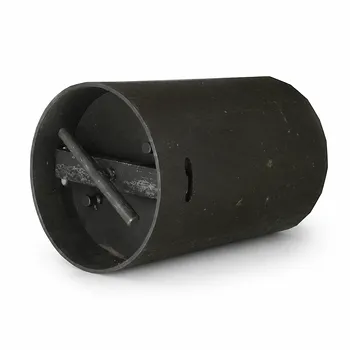
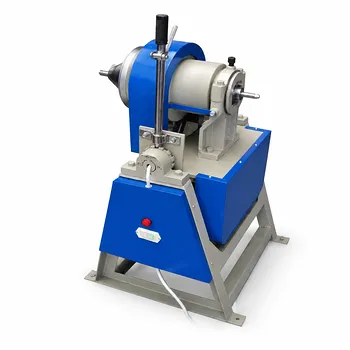
Laboratory Conical Rod Mill Fine Grinding Machine
Item Number: KT-BMS
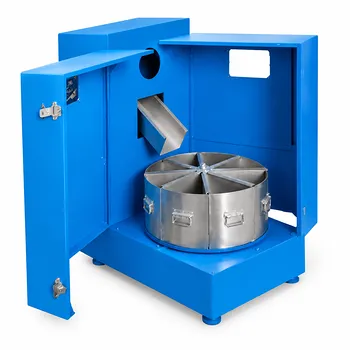
Sealed Variable Frequency Rotary Sample Divider with 6 and 8 Bucket Options
Item Number: KT-TX
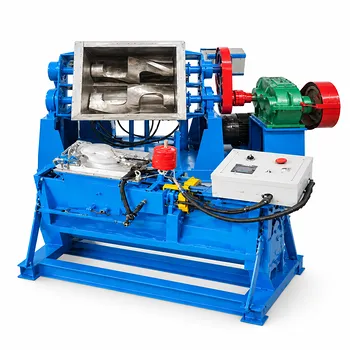
Laboratory Carbon Kneader Mixer High Temperature Pitch Kneading Machine
Item Number: KT-TXH
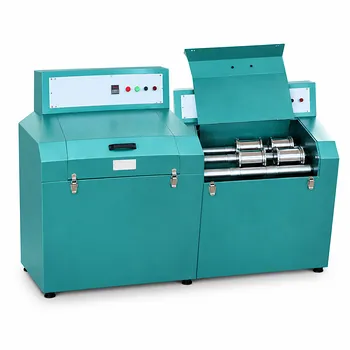
Benchtop Activated Carbon Strength Tester Tumbler Ball Abrasion Testing Machine
Item Number: KT-JTS
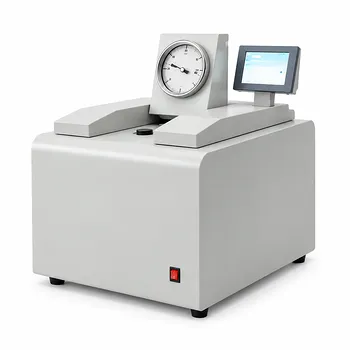
Automatic Calorimeter Oxygen Bomb Calorific Value Tester
Item Number: KT-TE4


Dual Tube Sulfur Determinator High Temperature Combustion Sulfur Analyzer
Item Number: KT-TE11


Microcomputer Integrated Sulfur Analyzer for Coal Coke and Combustible Materials
Item Number: KT-TE14
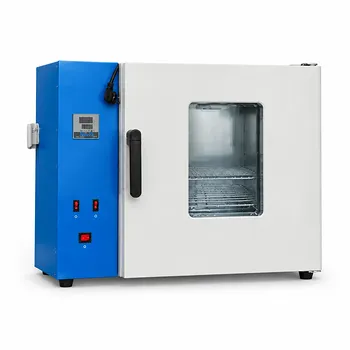
Forced Air Drying Oven 101 Series Electric Laboratory Heating Chamber
Item Number: KT-TE16


Automatic Ash Fusion Tester for Coal and Coke Ash Fusibility Determination
Item Number: KT-TE22
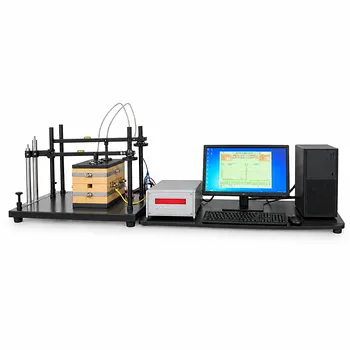
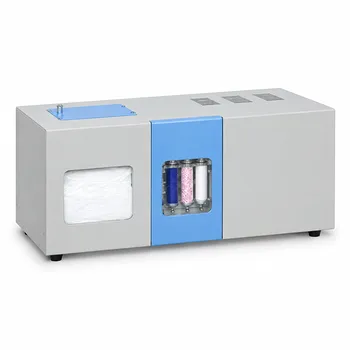
Microcomputer Hydrogen Analyzer Automated Coal Hydrogen and Carbon Analytical System
Item Number: KT-TE36
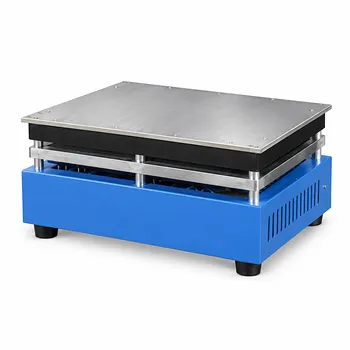
Digital Display Electric Hot Plate Laboratory Heating Plate
Item Number: KT-ML
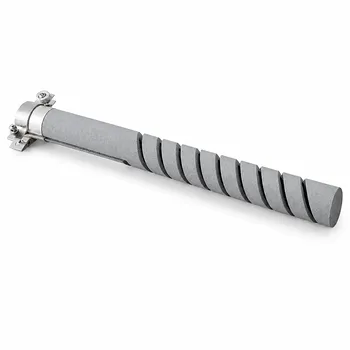
Silicon Carbide Sulfur and Carbon Analysis Combustion Tube
Item Number: KT-RG
REQUEST A QUOTE
Our professional team will reply to you within one business day. Please feel free to contact us!
Related Articles
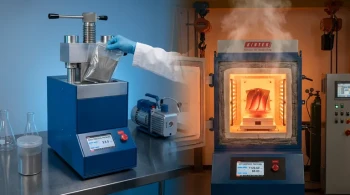
Shaping Potential vs. Forging Perfection: A Guide to Isostatic Pressing
Explore the critical difference between Cold Isostatic Pressing (CIP) for forming parts and Hot Isostatic Pressing (HIP) for perfecting them.
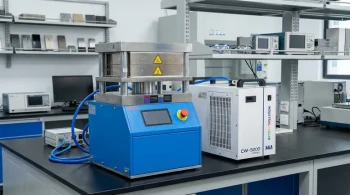
Why Your Compression Tests Are Failing (And It’s Not Your Sample’s Fault)
Discover the hidden reason your material compression tests fail and damage equipment. Learn why the press platen, not the sample, is often the culprit.
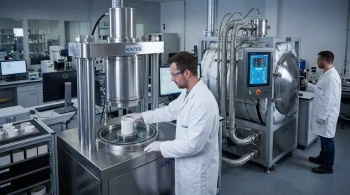
Beyond Brute Force: How Isostatic Pressing Creates Flawless Materials
Explore isostatic pressing, a method using uniform pressure, not brute force, to eliminate microscopic flaws and achieve perfect material density.
Forging Perfection: The Hidden Battle Against Material Flaws with CIP and HIP
Explore the difference between Cold (CIP) and Hot (HIP) Isostatic Pressing, two critical processes for forming and perfecting materials.
From Powder to Perfection: The Critical Choice Between Uniaxial and Isostatic Pressing
Uniaxial hot pressing shapes materials, but isostatic pressing (HIP) perfects them by eliminating hidden internal flaws. Understand the crucial difference.
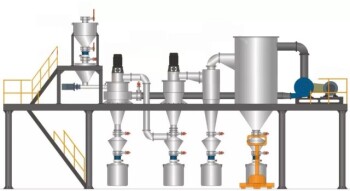
10 Common Dry Ultrafine Crushing Processes
Overview of various dry ultrafine crushing methods and their components.
The 5 Hottest Advanced Ceramic Powders Currently Available!
An overview of the top 5 advanced ceramic powders: High Purity Aluminum Oxide, Boehmite, Aluminum Nitride, Silicon Nitride, and Spherical Alumina, highlighting their applications and market trends.

Defects and Solutions for Isostatically Pressed Ceramic Balls
This article discusses various defects in isostatically pressed ceramic balls and provides solution strategies for each type of defect.

Isostatic Pressing Technology: Principles, Classification, and Applications
An in-depth look at isostatic pressing technology, its types, and diverse applications across various industries.
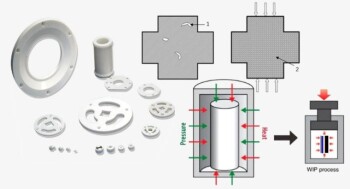
Isostatic Pressing Technology: Revolutionizing Ceramic Material Densification
Explore how isostatic pressing techniques enhance ceramic properties, achieving 100% theoretical density and eliminating porosity.
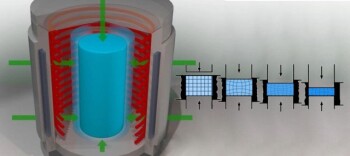
Selecting Isostatic Pressing Equipment for High-Density Molding
An in-depth look at isostatic pressing techniques and equipment selection for achieving high-density molding.

Isostatic Pressing Technology for Solid-State Batteries
Focus on isostatic pressing to commercialize next-gen batteries.

Isostatic Pressing Technology in Solid-State Battery Production
Exploring the role of isostatic pressing technology in manufacturing solid electrolytes for next-generation solid-state batteries.
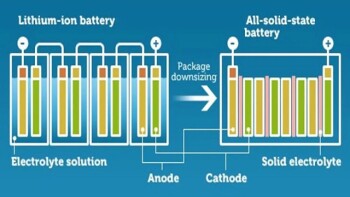
Essential Equipment for Mass Production of Solid-State Batteries: Isostatic Press
Discusses the role of isostatic pressing technology in enhancing solid-state battery performance and production efficiency.
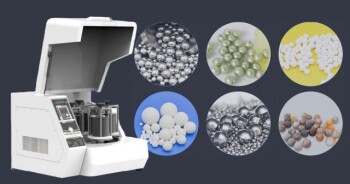
X-ray Fluorescence Spectrometry: Powder Tableting Sample Preparation
A comprehensive guide on the powder tableting method for sample preparation in X-ray fluorescence spectrometry, detailing grinding, pressing, and application scope.
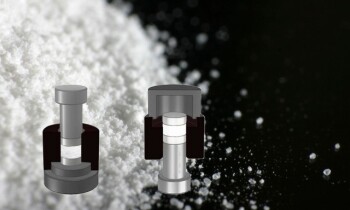
Issues with Poor Demoulding in Manual Tablet Presses
Analyzes the causes of poor demoulding in manual tablet presses, focusing on powder, mold, machine body, and operator factors.
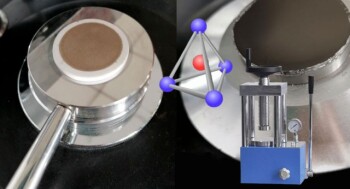
Manual Lab Hydraulic Pellet Press: Comprehensive Guide to High-Quality Pellet Preparation
Explore the detailed guide on using a Manual Lab Hydraulic Pellet Press for high-quality pellet preparation in spectral analyses. Learn about features, operation, and maintenance for optimal performance.
Optimizing Laboratory Analysis with Split Automatic Heated Lab Pellet Press
Explore the advanced features and benefits of split automatic heated lab pellet presses for precise pellet preparation in various analytical applications. Ideal for high-throughput laboratories.
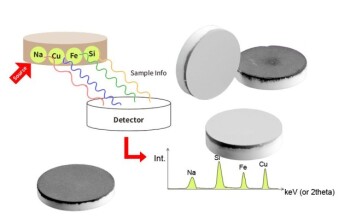
Why Most PELLET PRESS XRF SAMPLE PREPARATION Fail: Common Issues and Solutions
Discover the common pitfalls in PELLET PRESS XRF SAMPLE PREPARATION and learn effective solutions to ensure accurate results. Covers particle size, contamination, binder choice, and more.
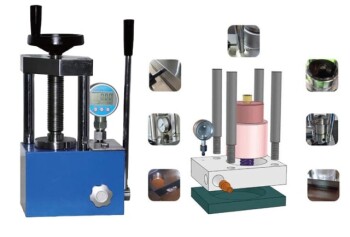
Manual Hydraulic Presses for Laboratory Use: A Comprehensive Guide
Explore the intricacies of manual hydraulic presses in labs, including operation, benefits, and comparison with automatic models. Ideal for those seeking detailed insights on sample preparation and cost-effectiveness.