The Invisible Component
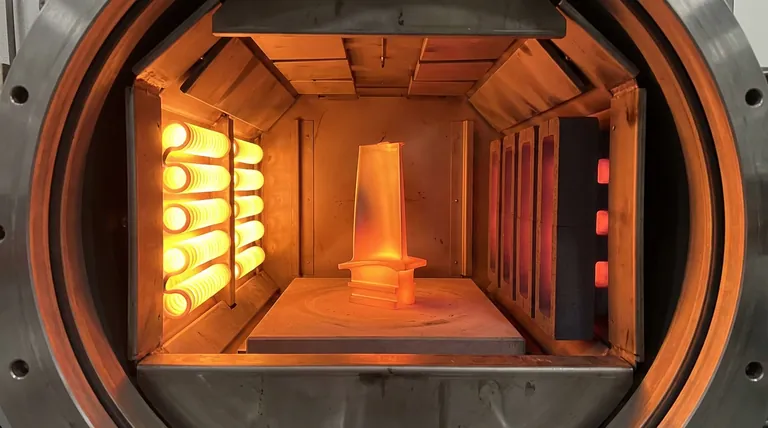
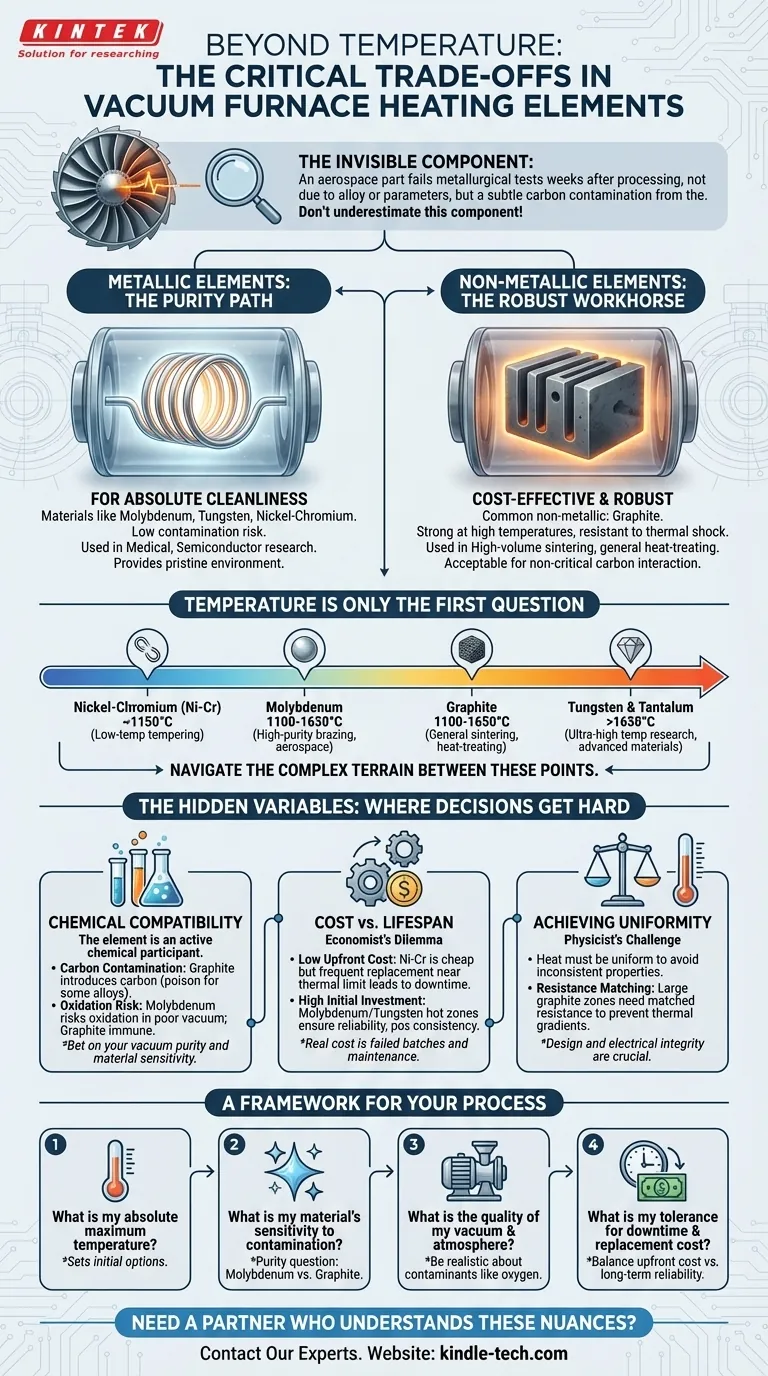
Imagine an aerospace facility heat-treating a turbine blade. The process runs perfectly, temperatures are stable, and the vacuum is pure. Yet, weeks later, the part fails a metallurgical test. The culprit isn't the alloy or the process parameters, but something far simpler: the furnace's heating element subtly introduced carbon into the environment, altering the material's properties at a microscopic level.
This scenario highlights a common psychological blind spot. We focus on the big variables—temperature and time—while underestimating the profound impact of the components that make the process possible. The selection of a heating element is not a simple choice of material; it is a critical engineering decision with cascading consequences for product quality, operational cost, and reliability.
The Two Paths: Metallic vs. Non-Metallic
At the highest level, heating elements follow two design philosophies, each suited for different worlds.
Metallic Elements: The Pursuit of Purity
Metallic elements are the choice for environments where cleanliness is absolute. Machined from metals like molybdenum, tungsten, and for lower temperatures, nickel-chromium alloys, they are valued for their stability and low contamination risk.
In industries like medical implant manufacturing or semiconductor research, even trace amounts of foreign elements can be catastrophic. Metallic elements provide the pristine environment necessary for these applications, ensuring the only thing influencing the workpiece is pure, controlled heat.
Non-Metallic Elements: The Robust Workhorse
The most common non-metallic element is graphite. It is a marvel of material science: strong at extreme temperatures, resistant to thermal shock, and significantly more cost-effective than its refractory metal counterparts.
Graphite is the engine of high-volume industrial processes like sintering and general heat-treating. It's a pragmatic choice for applications where its presence (and potential for carbon interaction) is not a critical flaw, but an acceptable part of a robust, high-throughput system.
Temperature Is Only the First Question
The maximum operating temperature is the first filter in the selection process, but it's rarely the last word. Each material operates within a distinct thermal window.
| Material | Max Temperature Range | Primary Domain |
|---|---|---|
| Nickel-Chromium (Ni-Cr) | Up to ~1150°C | Low-temperature tempering and annealing |
| Molybdenum | 1100°C - 1650°C | High-purity brazing, medical, aerospace |
| Graphite | 1100°C - 1650°C | General sintering, robust heat-treating |
| Tungsten & Tantalum | Above 1650°C | Ultra-high temperature research, advanced materials |
This table provides a map, but the real journey involves navigating the complex terrain between these points.
The Hidden Variables: Where Decisions Get Hard
The most critical decisions lie in the trade-offs between chemistry, cost, and physics. This is where engineers move from simply meeting a temperature spec to optimizing a system.
The Ghost in the Machine: Chemical Compatibility
A heating element is never a passive observer. It is an active chemical participant in the vacuum environment.
- Carbon Contamination: A graphite element, while robust, will inevitably introduce carbon. For some alloys, this is irrelevant. For others, it's a poison that causes embrittlement.
- Oxidation Risk: Conversely, a molybdenum element operating in a less-than-perfect vacuum with trace oxygen or water vapor can be rapidly destroyed by oxidation at high temperatures. Graphite is immune to this specific failure mode.
The choice is a bet on the purity of your vacuum and the sensitivity of your material.
The Economist's Dilemma: Cost vs. Lifespan
There is a powerful temptation to minimize upfront costs. An inexpensive nickel-chromium element might seem like a win, but if operated near its thermal limit, it will require frequent replacement, leading to downtime and higher long-term expenses.
A precisely engineered molybdenum or tungsten hot zone is a significant capital investment. But it's an investment in reliability, process consistency, and purity. The real cost isn't the price of the element, but the cost of a failed batch or a furnace that is constantly down for maintenance.
The Physicist's Challenge: Achieving Uniformity
Heat must be uniform. Any hot or cold spots in the furnace can lead to inconsistent material properties across the workpiece. This uniformity doesn't happen by accident; it's designed.
In large graphite hot zones, for instance, each curved element must be "resistance matched." A small variance in electrical resistance from one element to the next can create thermal gradients that ruin a sensitive process. The physical design and electrical integrity of the element are just as important as the material it's made from.
A Framework for Your Process
Choosing the right heating element means asking the right questions, in the right order.
- What is my absolute maximum temperature? This sets your initial options.
- What is my material's sensitivity to contamination? This is the critical purity question, often pushing you toward Molybdenum for clean applications or allowing Graphite for others.
- What is the quality of my vacuum and atmosphere? Be realistic about potential contaminants like oxygen, which could rule out certain metallic elements.
- What is my tolerance for downtime and replacement cost? This defines your investment strategy—balancing upfront cost against long-term operational reliability.
Understanding these interconnected variables transforms a component purchase into a strategic decision. The heart of your furnace deserves that level of consideration, as it dictates the quality and consistency of everything you produce. For complex laboratory and industrial processes, navigating these trade-offs often requires deep material science expertise.
To ensure your equipment is perfectly matched to your application, from heating elements to complete furnace systems, you need a partner who understands these nuances. Contact Our Experts
Visual Guide
Related Products
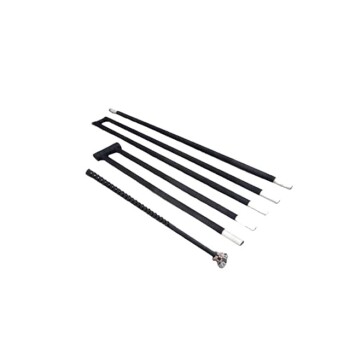
- Silicon Carbide SiC Thermal Heating Elements for Electric Furnace
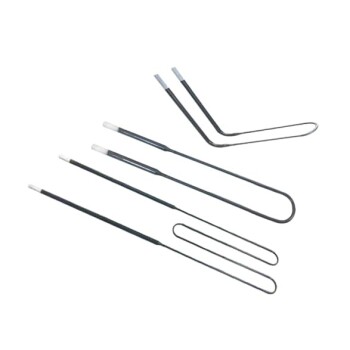
- Molybdenum Disilicide (MoSi2) Thermal Elements Electric Furnace Heating Element
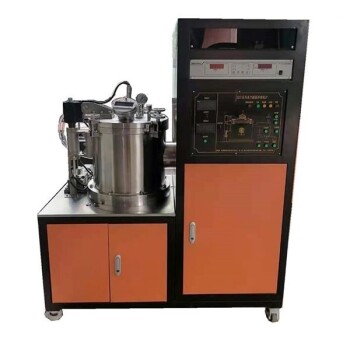
- Vacuum Heat Treat Furnace with Ceramic Fiber Liner
- 2200 ℃ Tungsten Vacuum Heat Treat and Sintering Furnace
- Vacuum Heat Treat and Molybdenum Wire Sintering Furnace for Vacuum Sintering
Related Articles
- Why Your High-Temperature Furnace Elements Fail: The Critical Difference in Silicon Carbide
- Selecting Heating Elements for Vacuum Furnaces
- The Invisible Variable: Selecting the Heart of Your Vacuum Furnace
- Understanding Electric Heating Systems(1): How Electric Furnaces Work and Their Advantages
- Understanding Electric Heating Systems(2): From Furnaces to Heating Elements