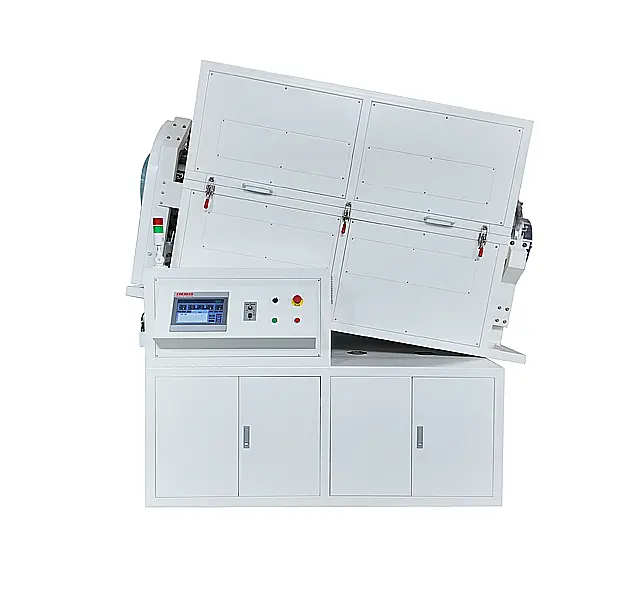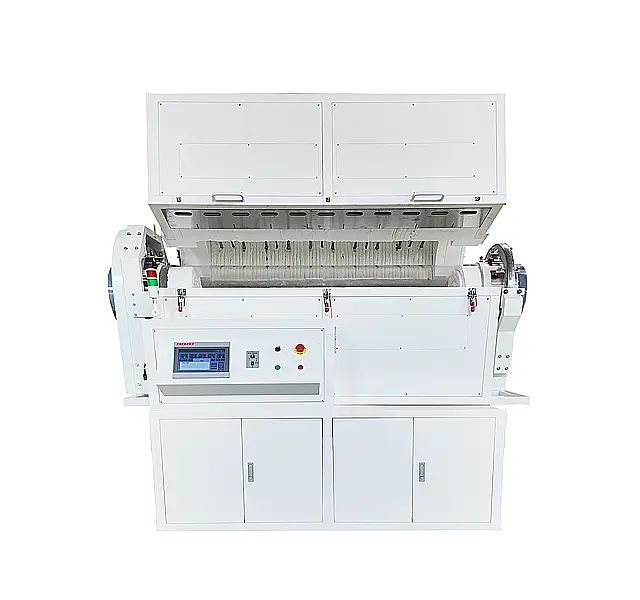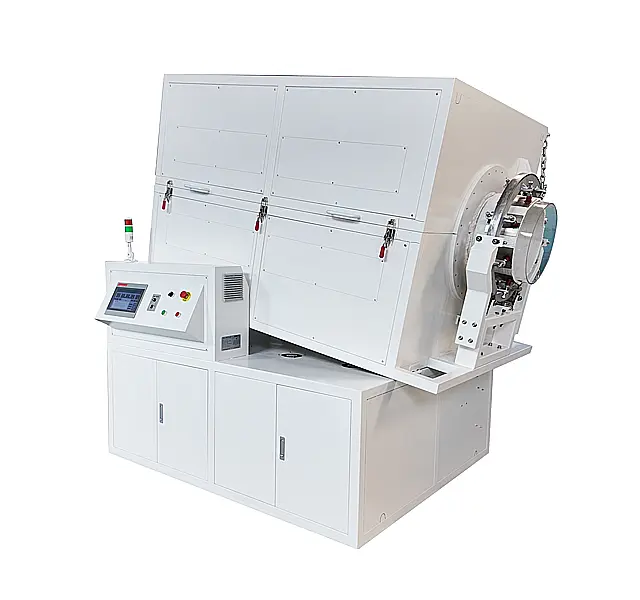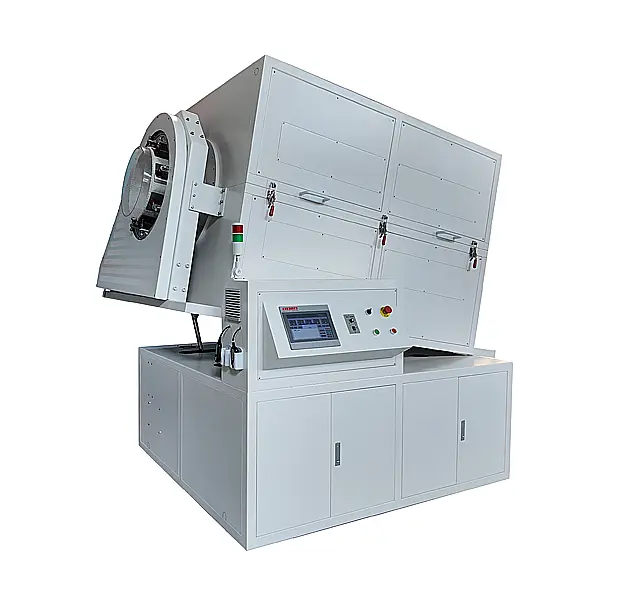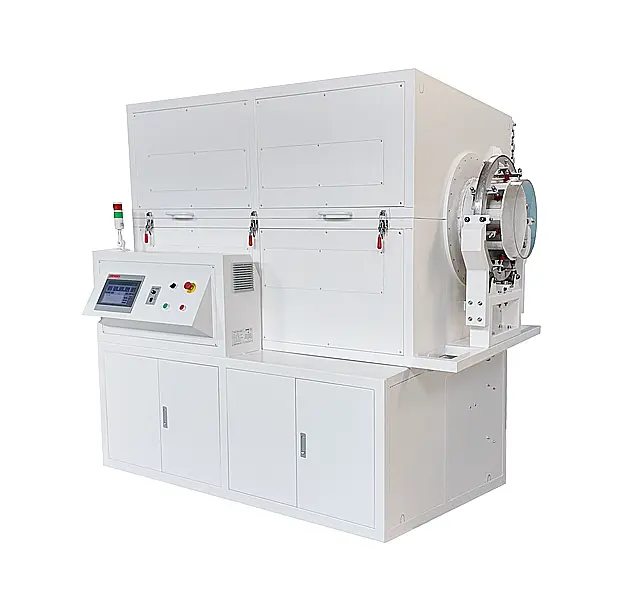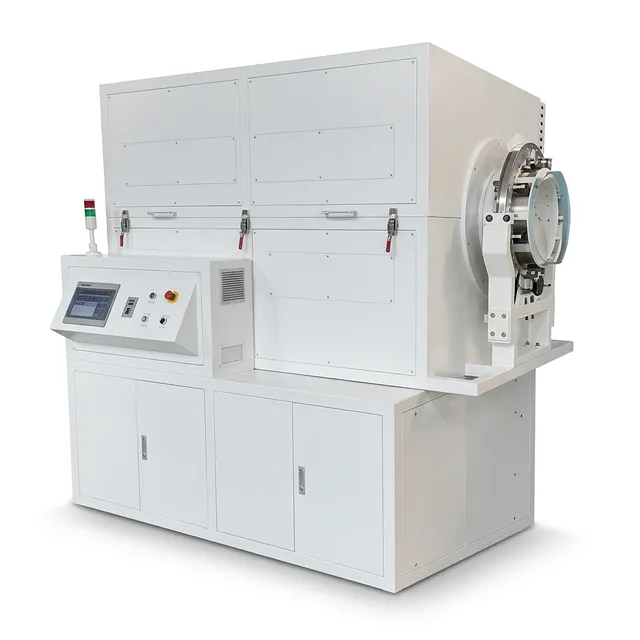
Products Thermal Equipment Rotary Furnace Laboratory Vacuum Tilt Rotary Tube Furnace Rotating Tube Furnace
Laboratory Vacuum Tilt Rotary Tube Furnace Rotating Tube Furnace

Rotary Furnace

Laboratory Vacuum Tilt Rotary Tube Furnace Rotating Tube Furnace

Item Number : KT-RTF

Price varies based on specs and customizations


Max. temperature
1600 ℃
Constant work temperature
1100-1500℃
Rotary speed
0-20rpm
Tilting angle
5-30 degree
Furnace tube diameter
30 / 40 / 60 / 80 / 100 / 120 / 150 / 230 / 280 mm
Single heating zone length
300 / 450 / 600 / 800 mm
ISO & CE icon

Shipping:

Contact us to get shipping details Enjoy On-time Dispatch Guarantee.

View Specs

Why Choose Us

Easy ordering process, quality products, and dedicated support for your business success.

Easy Process Quality Assured Dedicated Support

Applications

Laboratory rotary furnace is an ideal furnace for the laboratory calcination and drying tasks of positive and negative electrode materials of lithium ion batteries (aluminum ferric phosphate, lithium manganate, lithium cobalate, ternary, graphite cathode, etc.) .

Rotary furnace is also can be used for the high temperature reaction, heat treatment, carbonization,sintering, and high temperature pyrolysis for the rare earth materials, chemical catalytic materials, magnetic materials, powder metallurgy materials, nonferrous metal materials and powder or granular materials of kaolin non-metallic mineral materials, etc.

Based on the tube furnace, laboratory rotary furnace has been added the functions of furnace tube rotating and tilting , the rotating speed is stepless speed regulated, tilting angle can be regulated as while;

In order to prevent material hardening and uneven heated in the smooth tube, lifting plates can be added inside the furnace tube, middle big belly type furnace tube can also be designed to improve the heating result. 

Due to the excellent sealing technology, rotary tube furnace can work under both the vacuum and controlled atmosphere environment.

Detail & Parts
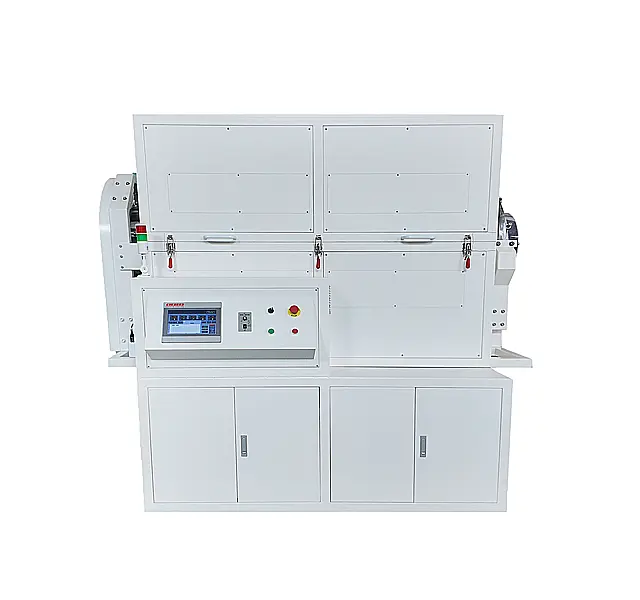
Tubular furnace front

Tubular furnace front

Tubular furnace front

side of tubular furnace

side of tubular furnace

side of tubular furnace

This equipment is professionally used in laboratory calcining and drying of battery positive and negative electrode materials, non-strong acid-base powder materials, and granular materials. Users can choose to fire under vacuum or under atmosphere protection according to the materials to be fired.

Application range detailed diagram
1650*760*1720mm / Weight  300KG
  • The furnace tube is made of 310S heat-resistant stainless steel.
  • PLC centralized control is adopted to simplify operation, and it is equipped with a 7-inch touch screen for real-time display of various data, which is intuitive and clear;
  • Equipped with an alarm function, which can realize unattended sintering;
  • It is equipped with a material level monitor to monitor the material condition, and is equipped with a vibrator to facilitate better introduction of materials.
  • High-purity Al2O3 fiber refractory insulation material has excellent insulation effect and effectively reduces the power consumption of equipment;
  • Adopt advanced and stable dynamic sealing system to ensure that the equipment can be used in vacuum and atmosphere;
  • The furnace body can be tilted from -14° (discharging) to 2° (feeding), which is convenient for loading and unloading operations;
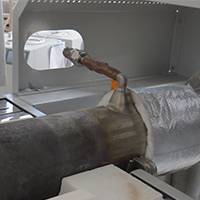
Stainless steel auger
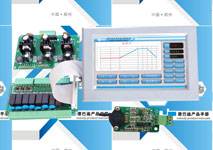
Control System detail
Control System
  • Sintering process curve setting: dynamic display of setting curves, multiple process curves can be pre-stored for equipment sintering, and each process curve can be set freely;
  • Sintering can be scheduled to realize unattended sintering process curve sintering;
  • Display information such as sintering power and voltage in real time and record sintering data, and can be exported to realize paperless recording;
  • It can realize remote control and observe equipment status in real time;
  • Temperature correction: the difference between the main control temperature and the sample temperature, and the nonlinear correction is carried out throughout the sintering process.
Heating element detail
Heating element
Mo doped Fe-Cr-Al alloy
gasification outlet detail
gasification outlet
Air outlet flaring design to avoid blockage
Precautions for equipment use
  • When the furnace temperature of the equipment is ≥300°C, it is forbidden to open the furnace to avoid injury;
  • When the equipment is in use, the reading of the absolute pressure gauge should not exceed 0.01MPa to prevent equipment damage caused by excessive pressure;

Advantages

Superior heating and insulating material, long service life and energy saving

  • PID intelligent thermal control,accurate heating and excellent thermal uniformity
  • 7 inches TFT touch screen controller, more friendly program setting and historical data analysis
  • Scientific rotating system design, stable working and wide range stepless speed regulated
  • Electric drive tilting with wide adjustable inclination angle,flexible control material movement 
  • Unique stable and dynamic vacuum sealing technology, both vacuum and controlled atmosphere working environment are available
  • Whole variety of custom design options to build up an exclusive rotary tube furnace for your researching job 

Technical specifications

Furnace model KT-RTF12 KT-RTF14 KT-RTF16
Max. temperature 1200℃ 1400℃ 1600℃
Constant work temperature 1100℃ 1300℃ 1500℃
Heating rate 0-20℃/min 0-10℃/min
Furnace tube material High purity quartz Al2O3/Si3N4
Rotary speed 0-20rpm
Tilting angle -5-30 degree
Furnace tube diameter 30 / 40 / 60 / 80 / 100 / 120 / 150 / 230 / 280 mm
Single heating zone length 300 / 450 / 600 / 800 mm
Vacuum sealing solution SS 304 flange with O ring
Chamber material Japan alumina fiber
Heating element Cr2Al2Mo2 wire coil SiC MoSi2
Temperature sensor  K type S type B type
Temperature controller Digital PID controller/Touch screen PID controller
Temperature control accuracy ±1℃
Electric power supply AC110-220V,50/60HZ
Different tube material and size and heating zone length can be customized

Warnings

Operator safety is the top important issue! Please operate the equipment with cautions. Working with inflammable& explosive or toxic gases is very dangerous, operators must take all necessary precautions before starting the equipment. Working with positive pressure inside the reactors or chambers is dangerous, operator must fellow the safety procedures strictly. Extra caution must also be taken when operating with air-reactive materials, especially under vacuum. A leak can draw air into the apparatus and cause a violent reaction to occur.

Designed for You

KinTek provide deep custom made service and equipment to worldwide customers, our specialized teamwork and rich experienced engineers are capable to undertake the custom tailoring hardware and software equipment requirements, and help our customer to build up the exclusive and personalized equipment and solution!

Would you please drop your ideas to us, our engineers are ready for you now!

Trusted by Industry Leaders
Our Cooperated Clients

FAQ

What Is A Tube Furnace?

Laboratory tube furnace is one classic external heating high temperature tube furnace, also named hot wall heating furnace.

According to the different working temperature, furnace tube material usually can be transparent quartz tubes, high purity alumina ceramic tubes and high strength metal alloy tubes.

To meet different thermal researching purposes, tube furnace can be designed with multi heating zones, so as to have a flexible control of temperature gradient in the tube working chamber; furnace tube can work with a controlled atmosphere working environment or a high vacuum working environment.

What Is A Vacuum Furnace Used For?

A vacuum furnace is used for high-temperature processing of materials in a controlled environment without any contamination. It operates by surrounding the product with a vacuum, which prevents oxidation and heat loss from the product through convection. This furnace is commonly used for heat treatment of steel alloys at temperatures below 1200 °C. High-temperature vacuum furnaces can reach temperatures up to 3000°C and are used for industrial processes such as sintering, brazing, annealing, and heat treatment with high consistency and low contamination. The ability to achieve uniform heating across the entire workpiece is a key benefit of using a high-temperature vacuum furnace.

What Is A Rotary Tube Furnace?

A rotary tube furnace is a circular furnace that rotates during heat-treatment. It is designed to heat loose materials for physiochemical processing and is used for continuous materials processing. These furnaces feature a metal drum lined with refractory, which is mounted at an angle and can burn pulverized, solid, gaseous or liquid fuel into its working section. Rotary tube furnaces have a wide range of applications, including the manufacturing of materials such as alumina, vermiculite, iron ore pellets and cement clinker, as well as for oxidation and calcination processes.

What Types Of Materials Can Be Processed In A Rotary Furnace?

Rotary furnaces can process a wide range of materials, including ores, minerals, metals, chemicals, and waste materials. They are commonly used for processes such as calcination, drying, roasting, and thermal decomposition. For example, rotary furnaces are utilized in the cement industry for clinker production, in the metallurgical industry for smelting and refining operations, and in the chemical industry for the production of catalysts or chemical reactions requiring heat treatment. The versatility of rotary furnaces allows them to handle different material forms, such as powders, granules, and bulk solids, making them suitable for various applications across multiple industries.

How Does A Tube Furnace Work?

Tube furnace heating elements are placed surrounding the cylindrical cavity, furnace can only heat the samples in the cylindrical cavity through indirect thermal radiation, since furnace tube can prevent sample material from contacting with furnace heating elements and insulation materials, so tube furnace creates a clean isolated heat chamber and reduce risks of the sample material contaminating by the furnace.

What Is The Process Of A Vacuum Furnace?

The process of a vacuum furnace involves loading the parts into the chamber and creating a vacuum inside it by utilizing a vacuum pump. The next step is to heat the parts using temperature controls, which can reach between 1,500 and 5,400 degrees Fahrenheit. This process eliminates the possibility of oxidation and contamination, resulting in a higher purity end product. After heating, the parts are cooled and finished before being removed from the vacuum furnace. The furnace consists of various components, including the vacuum system, furnace shell, electric heating element, temperature controls, power supply system, and transport apparatus.

How Does A Rotary Tube Furnace Work?

A rotary tube furnace is a circular furnace that rotates during heat-treatment. It burns fuel and the heating gases created flow towards the sample. The furnace features a metal drum lined with refractory, mounted at an angle. Loose materials are heated for physiochemical processing and the heat is transferred from a heat source to a rotating tube which holds the sample. Rotary tube furnaces are designed for continuous materials processing and have multiple thermal control zones. They have a wide range of applications, including the manufacture of alumina, vermiculite, iron ore pellets, and cement clinker.

What Are The Rotary Furnace Types?

The rotary furnace types include rotary and tilting furnaces which have the ability to rotate and tilt, allowing for uniformity in drying and coating applications. KINTEK furnaces increase efficiency by offering multi-zone heating options, utilizing alumina fiber for refractory linings, and using temperature controllers. These furnaces are suitable for continuous processing and batch operations. Additionally, they can be opened up to use different tubes or reactors. The galvanized coating covered epoxy painted structure provides a longer lifetime and aesthetics. Overall, the rotary and tilting furnaces are popular for materials production, drying, aging, and oxidation processes.

What Is The Application For Tube Furnace?

Tubular furnace is mainly used in metallurgy, glass, heat treatment, lithium anode and cathode materials, new energy, abrasives and other industries, and is a professional equipment for measuring materials under certain temperature conditions.

Tube furnace features simple structure, easy operation, easy control and continuous production.

Tube furnace is also widely applied in the CVD (chemical vapor deposition) and plasma enhanced CVD systems.

What Gas Is Used In A Vacuum Furnace?

Different gases can be used in a vacuum furnace depending on the application. In general, vacuum furnaces can work with gases or mixtures such as Argon, Nitrogen, Hydrogen, Carbon Monoxide, Helium, among others. The use of these gases allows for heat treatment in a defined, mostly non-oxidizing atmosphere, which is required for various applications such as vacuum soldering and brazing, vacuum annealing, and sintering. Additionally, it is possible to work with a defined oxygen concentration that is different from the air composition.

What Are The Advantages Of A Rotary Tube Furnace?

The advantages of a rotary tube furnace include improved gas diffusion, reduced gas consumption, increased heat treatment efficiency, and improved product homogeneity. These furnaces provide an efficient way to transfer heat over a short time and continuously run batches of materials. Rotary tube furnaces can be custom designed for specific requirements, including temperature control, workspace size, residence time, tube rotation rate, and atmosphere flow rate. When choosing a tube for a rotary tube furnace, key points to consider include rotational speed, amount of material, tube diameter, suspended length, and tube thickness.

What Is The Function Of Rotary Tube Furnace?

The function of a rotary tube furnace is to heat loose materials for physiochemical processing. The furnace features a rotating tube that holds the sample and applies heat in multiple thermal control zones. Heating gases created by burning fuel flow towards the sample through the furnace. Rotary tube furnaces are used for manufacturing materials such as alumina, vermiculite, iron ore pellets, and cement clinker, as well as for oxidation and calcination processes. These furnaces can be made of ceramic, quartz, or high-temperature alloy and can be built with a wide temperature range for various applications.

What Are The Advantages Of Rotor Furnace?

Rotary tube furnaces offer several advantages over static processes. The continuous movement of the sample ensures that the entire surface area is exposed to the atmosphere during processing which improves gas diffusion, reduces gas consumption and increases heat treatment efficiency. Additionally, the material is continuously passed through a hot furnace that is maintaining a consistent temperature profile, improving product homogeneity. Rotary furnaces also offer significant advantages of throughput and energy efficiency over other forms of continuous, high temperature equipment, making them the latest technology for high-temperature processing of powdered materials.

How Many Different Types Tube Furnace?

Tube furnace can work with different mechanical functions smoothly, so there are many different types tube furnace variations for different experiment purposes, typical furnace furnaces are as below:

  • Horizontal tube furnace
  • Vertical tube furnace
  • Split tube furnace
  • Rotary tube furnace
  • Tilting tube furnace
  • Sliding tube furnace
  • Fast heating and cooling tube furnace
  • Continuous feeding and discharging tube furnace

What Is The Heating Element Used In A Vacuum Furnace?

The heating element in a vacuum furnace is critical to its proper functioning, and is dependent on factors such as maximum operating temperature, power load, partial pressure and quench gases, and life expectancy. Vacuum furnaces are heated by electric resistance elements made from a variety of materials, including high-temperature metallic alloys such as stainless steel, nickel-chromium, molybdenum, tungsten, tantalum, or of non-metallic materials such as graphite and silicon carbide. The choice of material for the heating element is important in maximizing its longevity, reliability, efficiency, and ultimately the process results.

What Are The Advantages Of Rotary Tube Furnace?

Rotary tube furnaces offer efficient heat transfer over a short period, continuously processing batches of material while minimizing material handling. The furnace's continuous movement exposes the entire sample surface to the atmosphere, improving gas diffusion and reducing gas consumption to increase heat treatment efficiency.

What Is The Efficiency Of A Rotary Furnace?

Rotary tube furnaces are highly efficient in transferring heat over a short period of time while continuously running batches of materials. They also minimize material handling, making them ideal for powder processing. KINTEK offers custom-designed rotary tube furnaces that can be built to specific requirements for maximum temperature control, workspace size, residence time, tube rotation rate, tube inclination angle, temperature profile, atmosphere flow rate, powder bed depth, and feed rate. When choosing a tube for the furnace, key considerations include rotational speed, amount of material, tube diameter, suspended length, and tube thickness. The choice of tube material should also be based on potential applications.

What Are The Advantages Of Using A Tube Furnace?

Tube furnaces offer several advantages for high-temperature applications. Firstly, they provide precise and uniform temperature control, allowing for accurate and repeatable heating processes. This is crucial for materials research and heat treatment applications where temperature consistency is essential. Secondly, tube furnaces have a compact design, making them suitable for use in limited laboratory or industrial spaces. They are also versatile and can accommodate a wide range of sample sizes and shapes. Additionally, tube furnaces are energy-efficient, as they typically have good insulation and can reach high temperatures quickly. Some models also offer programmable temperature profiles, allowing for automated heating and cooling cycles. Overall, tube furnaces enable efficient and controlled high-temperature processes in various scientific and industrial fields.

Can A Rotary Furnace Be Used For Continuous Production?

Yes, rotary furnaces can be used for continuous production depending on the specific application and process requirements. Continuous operation is achieved by feeding materials into the furnace at a controlled rate while maintaining a steady rotation speed. This allows for a continuous flow of processed materials out of the furnace. Rotary furnaces are often utilized in industries requiring continuous thermal treatment, such as cement production or metallurgical processes. However, it is important to ensure proper design, sizing, and integration of auxiliary equipment, such as feed systems and discharge mechanisms, to enable continuous operation effectively. Additionally, proper monitoring and control systems should be in place to maintain consistent process parameters and product quality throughout the continuous production cycle.

What Safety Precautions Should Be Taken When Using A Tube Furnace?

When using a tube furnace, it is important to follow safety precautions to prevent accidents and ensure operator and sample safety. Firstly, proper training should be provided to personnel operating the furnace to ensure they understand its operation, safety features, and emergency procedures. Secondly, appropriate personal protective equipment (PPE), such as heat-resistant gloves, goggles, and lab coats, should be worn to protect against burns and potential hazards. Thirdly, it is crucial to properly load the sample or material inside the furnace, ensuring it is securely positioned and does not obstruct airflow. Adequate ventilation should be provided to remove any potential gases or fumes generated during heating. It is also important to regularly inspect and maintain the furnace, including checking the heating elements and electrical connections, to ensure safe and reliable operation.

How Can The Performance Of A Rotary Furnace Be Optimized?

The performance of a rotary furnace can be optimized through various means. Proper selection and control of process parameters, such as temperature, rotation speed, and residence time, are critical for achieving the desired results. Optimization can be achieved by adjusting these parameters based on the specific materials and process requirements. Regular maintenance, including cleaning, lubrication, and inspection of the furnace components, is essential to ensure optimal performance and prevent unexpected failures. Implementing advanced control systems and automation can enhance process efficiency, accuracy, and repeatability. Additionally, monitoring and analyzing process data, such as temperature profiles and energy consumption, can help identify opportunities for improvement and optimize energy efficiency. Collaboration with furnace manufacturers or process experts can provide valuable insights and recommendations for optimizing the performance of a rotary furnace.
View more faqs for this product

Product Datasheet

Laboratory Vacuum Tilt Rotary Tube Furnace Rotating Tube Furnace

Category Catalog

Rotary Furnace


REQUEST A QUOTE

Our professional team will reply to you within one business day. Please feel free to contact us!

Related Products

Rotary Tube Furnace Split Multi Heating Zone Rotating Tube Furnace

Rotary Tube Furnace Split Multi Heating Zone Rotating Tube Furnace

Multi zone rotary furnace for high-precision temperature control with 2-8 independent heating zones. Ideal for lithium ion battery electrode materials and high-temperature reactions. Can work under vacuum and controlled atmosphere.

View Details
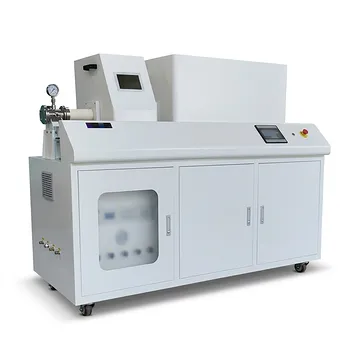
Vacuum Sealed Continuous Working Rotary Tube Furnace Rotating Tube Furnace

Vacuum Sealed Continuous Working Rotary Tube Furnace Rotating Tube Furnace

Experience efficient material processing with our vacuum-sealed rotary tube furnace. Perfect for experiments or industrial production, equipped with optional features for controlled feeding and optimized results. Order now.
View Details
Inclined Rotary Plasma Enhanced Chemical Vapor Deposition PECVD Equipment Tube Furnace Machine

Inclined Rotary Plasma Enhanced Chemical Vapor Deposition PECVD Equipment Tube Furnace Machine

Introducing our inclined rotary PECVD furnace for precise thin film deposition. Enjoy automatic matching source, PID programmable temperature control, and high accuracy MFC mass flowmeter control. Built-in safety features for peace of mind.
View Details
Electric Rotary Kiln Small Rotary Furnace for Activated Carbon Regeneration

Electric Rotary Kiln Small Rotary Furnace for Activated Carbon Regeneration

Revitalize your activated carbon with KinTek's Electric Regeneration Furnace. Achieve efficient and cost-effective regeneration with our highly automated rotary kiln and intelligent thermal controller.

View Details
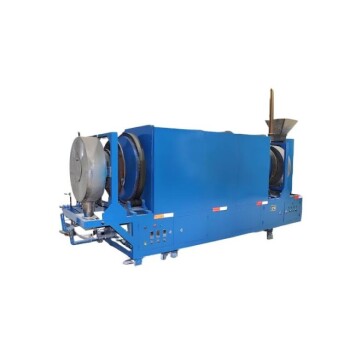
Electric Rotary Kiln Small Rotary Furnace Biomass Pyrolysis Plant

Electric Rotary Kiln Small Rotary Furnace Biomass Pyrolysis Plant

Learn about Rotary Biomass Pyrolysis Furnaces & how they decompose organic material at high temps without oxygen. Use for biofuels, waste processing, chemicals & more.
View Details
Electric Rotary Kiln Continuous Working Small Rotary Furnace Heating Pyrolysis Plant

Electric Rotary Kiln Continuous Working Small Rotary Furnace Heating Pyrolysis Plant

Efficiently calcine and dry bulk powder and lump fluid materials with an electric heating rotary furnace. Ideal for processing lithium ion battery materials and more.
View Details
Electric Rotary Kiln Pyrolysis Furnace Plant Machine Calciner Small Rotary Kiln Rotating Furnace

Electric Rotary Kiln Pyrolysis Furnace Plant Machine Calciner Small Rotary Kiln Rotating Furnace

Electric rotary kiln - precisely controlled, it's ideal for calcination and drying of materials like lithium cobalate, rare earths, and non-ferrous metals.

View Details
Laboratory Rapid Thermal Processing (RTP) Quartz Tube Furnace

Laboratory Rapid Thermal Processing (RTP) Quartz Tube Furnace

Get lightning-fast heating with our RTP Rapid Heating Tube Furnace. Designed for precise, high-speed heating and cooling with convenient sliding rail and TFT touch screen controller. Order now for ideal thermal processing!

View Details
1200℃ Split Tube Furnace with Quartz Tube Laboratory Tubular Furnace

1200℃ Split Tube Furnace with Quartz Tube Laboratory Tubular Furnace

KT-TF12 split tube furnace: high-purity insulation, embedded heating wire coils, and max. 1200C. Widely used for new materials and chemical vapour deposition.

View Details
1400℃ Laboratory High Temperature Tube Furnace with Alumina Tube

1400℃ Laboratory High Temperature Tube Furnace with Alumina Tube

Looking for a tube furnace for high-temperature applications? Our 1400℃ Tube Furnace with Alumina Tube is perfect for research and industrial use.

View Details
1700℃ Laboratory High Temperature Tube Furnace with Alumina Tube

1700℃ Laboratory High Temperature Tube Furnace with Alumina Tube

Looking for a high-temperature tube furnace? Check out our 1700℃ Tube Furnace with Alumina Tube. Perfect for research and industrial applications up to 1700C.

View Details
Vertical Laboratory Tube Furnace

Vertical Laboratory Tube Furnace

Elevate your experiments with our Vertical Tube Furnace. Versatile design allows for operation under various environments and heat treatment applications. Order now for precise results!

View Details
Multi-zone Laboratory Tube Furnace

Multi-zone Laboratory Tube Furnace

Experience precise, efficient thermal testing with our Multi Zone Tube Furnace. Independent heating zones and temperature sensors allow for controlled high-temperature gradient heating fields. Order now for advanced thermal analysis!

View Details
Customer Made Versatile CVD Tube Furnace Chemical Vapor Deposition Chamber System Equipment

Customer Made Versatile CVD Tube Furnace Chemical Vapor Deposition Chamber System Equipment

Get your exclusive CVD furnace with KT-CTF16 Customer Made Versatile Furnace. Customizable sliding, rotating, and tilting functions for precise reactions. Order now!

View Details
Laboratory High Pressure Vacuum Tube Furnace

Laboratory High Pressure Vacuum Tube Furnace

KT-PTF High Pressure Tube Furnace: Compact split tube furnace with strong positive pressure resistance. Working temp up to 1100°C and pressure up to 15Mpa. Also works under controller atmosphere or high vacuum.

View Details
Multi Heating Zones CVD Tube Furnace Machine Chemical Vapor Deposition Chamber System Equipment

Multi Heating Zones CVD Tube Furnace Machine Chemical Vapor Deposition Chamber System Equipment

KT-CTF14 Multi Heating Zones CVD Furnace - Precise Temperature Control and Gas Flow for Advanced Applications. Max temp up to 1200℃, 4 channels MFC mass flow meter, and 7" TFT touch screen controller.

View Details
High Temperature Alumina (Al2O3) Furnace Tube for Engineering Advanced Fine Ceramics

High Temperature Alumina (Al2O3) Furnace Tube for Engineering Advanced Fine Ceramics

High temperature alumina furnace tube combines the advantages of high hardness of alumina, good chemical inertness and steel, and has excellent wear resistance, thermal shock resistance and mechanical shock resistance.

View Details
1200℃ Controlled Atmosphere Furnace Nitrogen Inert Atmosphere Furnace

1200℃ Controlled Atmosphere Furnace Nitrogen Inert Atmosphere Furnace

Discover our KT-12A Pro Controlled atmosphere furnace - high precision, heavy duty vacuum chamber, versatile smart touch screen controller, and excellent temperature uniformity up to 1200C. Ideal for both laboratory and industrial application.

View Details
1700℃ Controlled Atmosphere Furnace Nitrogen Inert Atmosphere Furnace

1700℃ Controlled Atmosphere Furnace Nitrogen Inert Atmosphere Furnace

KT-17A Controlled atmosphere furnace: 1700℃ heating, vacuum sealing technology, PID temperature control, and versatile TFT smart touch screen controller for laboratory and industrial use.

View Details
Mesh belt controlled atmosphere furnace

Mesh belt controlled atmosphere furnace

Discover our KT-MB mesh belt sintering furnace - perfect for high-temperature sintering of electronic components & glass insulators. Available for open air or controlled atmosphere environments.

View Details

Related Articles

The Geometry of Heat: A Choice Between Control and Capacity

The Geometry of Heat: A Choice Between Control and Capacity

Discover the critical engineering differences between tube and muffle furnaces. Learn why atmosphere control and geometry dictate your laboratory success.

Find out more
The Secrets To tube furnace

The Secrets To tube furnace

Tube furnaces are a type of electric furnace that are commonly used in laboratories and research settings for conducting syntheses, purifications, and other types of chemical reactions or processes.

Find out more
The Architecture of Heat: Choosing Between Control and Capacity

The Architecture of Heat: Choosing Between Control and Capacity

Deciding between a tube furnace and a muffle furnace isn't about temperature—it's about atmosphere. Discover the engineering trade-offs between vacuum precision and volume.

Find out more
The Illusion of Maximum Temperature: Mastery in Thermal Uniformity

The Illusion of Maximum Temperature: Mastery in Thermal Uniformity

Maximum temperature is often a vanity metric. True scientific precision lies in the uniform zone. Explore the physics of tube furnaces and how to select for repeatability.

Find out more
The Thermal Divide: Navigating the Choice Between Tube and Chamber Furnaces

The Thermal Divide: Navigating the Choice Between Tube and Chamber Furnaces

A guide to the trade-offs in vacuum heating. We explore how physical scale and maximum temperature dictate the choice between tube precision and chamber capacity.

Find out more
Beyond Temperature: Mastering the Invisible Environment Inside a Tube Furnace

Beyond Temperature: Mastering the Invisible Environment Inside a Tube Furnace

A tube furnace excels not by merely getting hot, but by providing absolute control over the atmospheric environment, a crucial factor for advanced materials.

Find out more
From Crack to Complete: A Scientist's Guide to Eliminating Catastrophic Tube Furnace Failures

From Crack to Complete: A Scientist's Guide to Eliminating Catastrophic Tube Furnace Failures

Prevent costly tube furnace bursts. Learn the key causes like thermal shock and material incompatibility, and discover the right strategy to ensure safety and data integrity.

Find out more
The Architecture of Isolation: Anatomy of a Tube Furnace

The Architecture of Isolation: Anatomy of a Tube Furnace

Explore the layered engineering of a tube furnace. From alumina insulation to quartz reactors, understand how this "thermal sleeve" achieves precise isolation.

Find out more
The Silent Partner in Pyrolysis: Engineering the Perfect Thermal Boundary

The Silent Partner in Pyrolysis: Engineering the Perfect Thermal Boundary

Choosing a tube furnace material is a study in trade-offs. We explore the engineering physics behind Alumina, Quartz, and Alloys to ensure process integrity.

Find out more
Beyond the Spec Sheet: The Hidden Physics of a Tube Furnace's True Limit

Beyond the Spec Sheet: The Hidden Physics of a Tube Furnace's True Limit

A furnace's maximum temperature is a deceptive metric. Its true limit is defined by the weakest component in a complex thermal system.

Find out more
Choosing the Right Tube Furnace for Laboratory Use

Choosing the Right Tube Furnace for Laboratory Use

Guide on selecting a tube furnace based on temperature, sample size, temperature zones, functions, and vacuum systems.

Find out more
The Anatomy of Control: Engineering a Perfect Thermal Universe in a Tube Furnace

The Anatomy of Control: Engineering a Perfect Thermal Universe in a Tube Furnace

A deep dive into the tube furnace's layered design, exploring how its physical anatomy creates a perfectly controlled environment for high-temperature work.

Find out more