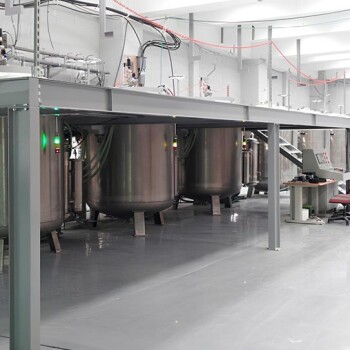
High-temperature reaction furnaces serve as the primary vessel for thermally decomposing precursors, such as phenolic resins, onto the surface of regenerated graphite. This process creates a uniform amorphous carbon coating that fundamentally alters the interaction between the recycled anode material and the battery electrolyte.
The furnace's role is to convert resin precursors into a protective amorphous carbon layer. This physical repair minimizes electrolyte side reactions, directly boosting the material's initial efficiency and long-term cycling stability.
The Mechanism of Surface Modification
Thermal Decomposition of Precursors
The core function of the high-temperature furnace is to facilitate thermal decomposition.
Inside the furnace, precursors like phenolic resins are subjected to extreme heat. This causes them to break down chemically, transitioning from a resinous state into a solid carbon structure directly on the graphite substrate.
Formation of Amorphous Carbon
The result of this decomposition is the formation of a uniform amorphous carbon coating.
Unlike the crystalline structure of the underlying graphite, this coating is disordered (amorphous). This specific structure is crucial for managing the flow of lithium ions while protecting the graphite beneath.
Physical Restoration of the Anode Material
Repairing Structural Damage
Regenerated graphite often suffers from surface defects and structural damage due to previous usage.
The coating process effectively repairs these damaged surface structures. The amorphous carbon fills in imperfections, smoothing out the surface and restoring the material's physical integrity.
Reducing Side Reactions
A major issue with recycled graphite is its reactivity with electrolytes, which degrades battery performance.
The carbon coating acts as a barrier, effectively reducing side reactions between the regenerated graphite and the electrolyte. By isolating the active graphite surface, the furnace process prevents the chemical breakdown that typically shortens battery life.
Understanding the Trade-offs
The Necessity of Uniformity
The primary reference emphasizes the formation of a uniform coating.
If the furnace does not maintain precise temperature control, the coating may be uneven. An inconsistent coating leaves gaps where side reactions can still occur, neutralizing the benefits of the modification process.
Process Complexity vs. Material Gain
Using high-temperature furnaces introduces an additional energy-intensive step to the recycling process.
However, without this step, the regenerated graphite lacks the necessary electrochemical stability. The trade-off is an investment in processing energy to secure a usable, high-performance end product.
Electrochemical Performance Gains
Improving Initial Coulombic Efficiency
One of the most critical metrics for battery anodes is initial coulombic efficiency (ICE).
By sealing the surface defects, the coating ensures that less lithium is lost to side reactions during the first charge. This allows the battery to retain more active capacity right from the start.
Enhancing Cycling Stability
Long-term performance is defined by cycling stability—how many times the battery can be charged and discharged.
The protective layer formed in the furnace prevents continuous degradation of the anode surface. This stability provides the electrochemical foundation required for the recycled graphite to be commercially viable in batteries.
Making the Right Choice for Your Goal
To maximize the effectiveness of regenerated graphite, consider how the furnace parameters align with your specific performance targets.
- If your primary focus is Initial Capacity: Prioritize the uniformity of the coating to ensure total coverage of surface defects, minimizing the initial loss of lithium ions.
- If your primary focus is Long-Term Lifespan: Ensure the thermal decomposition is complete to create a robust, chemically inert barrier that withstands repeated cycling without degrading.
The high-temperature furnace is not just a heating tool; it is the instrument that bridges the gap between waste material and a high-performance energy storage solution.
Summary Table:
| Process Step | Mechanism | Impact on Anode Performance |
|---|---|---|
| Precursor Decomposition | Thermal breakdown of phenolic resins | Forms a uniform amorphous carbon layer |
| Surface Repair | Amorphous carbon fills surface defects | Restores physical integrity of recycled graphite |
| Electrolyte Isolation | Coating acts as a chemical barrier | Minimizes side reactions and electrolyte degradation |
| Heat Treatment | Precise temperature control | Ensures coating uniformity and high Initial Coulombic Efficiency (ICE) |
Elevate Your Battery Research with KINTEK Precision
Maximize the potential of your recycled anode materials with KINTEK’s high-performance laboratory solutions. Whether you are focusing on high-temperature furnaces (tube, vacuum, or atmosphere) for precise carbon coating or require advanced battery research tools and consumables, we provide the equipment necessary to bridge the gap between waste material and high-capacity energy storage.
Our value to your lab:
- Versatile Heating Solutions: Specialized furnaces designed for uniform thermal decomposition and surface modification.
- Comprehensive Portfolio: From high-pressure reactors and crushing systems to PTFE consumables and cooling solutions.
- Expert Support: Tailored equipment to help you achieve superior cycling stability and initial coulombic efficiency.
Ready to optimize your material modification process? Contact KINTEK today to discuss your project!
References
- Yu Qiao, Yong Lei. Recycling of graphite anode from spent lithium‐ion batteries: Advances and perspectives. DOI: 10.1002/eom2.12321
This article is also based on technical information from Kintek Solution Knowledge Base .
Related Products
- Graphite Vacuum Furnace Bottom Discharge Graphitization Furnace for Carbon Materials
- Large Vertical Graphite Vacuum Graphitization Furnace
- Carbon Graphite Boat -Laboratory Tube Furnace with Cover
- Ultra-High Temperature Graphite Vacuum Graphitization Furnace
- 2200 ℃ Graphite Vacuum Heat Treat Furnace
People Also Ask
- What is the use of graphite furnace? Achieve Extreme-Temperature Processing for Advanced Materials
- What is the disadvantage of graphite furnace? Managing Reactivity and Contamination Risks
- What gas is used in graphite furnace? Maximize Accuracy with the Right Inert Gas
- What is the application of graphite furnace? Essential for High-Temp Material Processing & Synthesis
- What are the advantages of graphite furnace over flame? Achieve Superior Trace Analysis Sensitivity