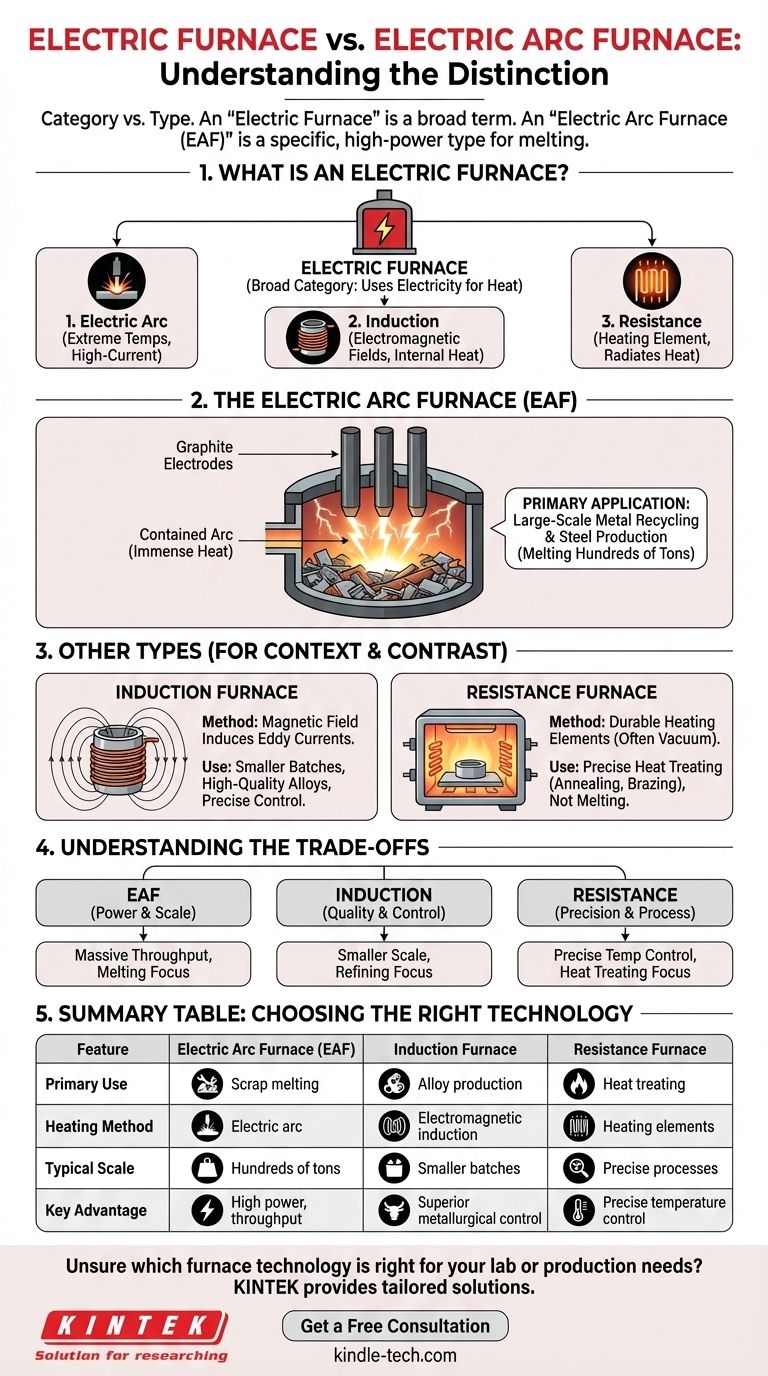
At its core, the distinction is one of category versus type. An "electric furnace" is a broad term for any furnace that uses electricity for heat, while an "electric arc furnace" is a specific, high-power type that uses an electric arc to melt materials like scrap steel. The method of generating heat is the fundamental difference.
The term "electric furnace" describes a wide family of industrial equipment, but the "electric arc furnace" (EAF) refers to a particular member of that family. The critical difference is that an EAF melts metal using the intense heat of an electric arc, whereas other electric furnaces might use resistance heating or electromagnetic induction.
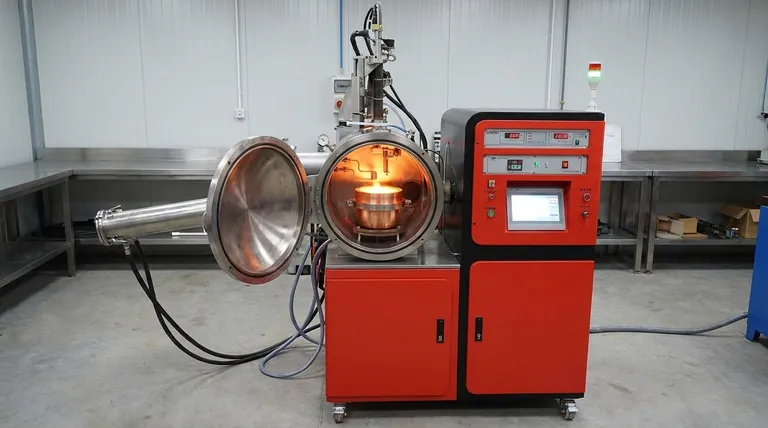
What Defines an "Electric Furnace"?
An electric furnace is any furnace that relies on electrical energy as its primary heat source. This simple definition, however, encompasses a wide range of technologies designed for very different purposes.
### The Principle of Electrical Heating
The common thread is the conversion of electricity into thermal energy. However, how this conversion happens is what differentiates one type of electric furnace from another.
### Key Heating Methods
There are three primary methods:
- Electric Arc: Creates a high-current arc (like a controlled lightning strike) to generate extreme temperatures.
- Induction: Uses electromagnetic fields to induce currents within the material itself, causing it to heat up from the inside out.
- Resistance: Passes electricity through a heating element, which glows and radiates heat, much like a toaster or electric oven.
The Mechanics of an Electric Arc Furnace (EAF)
The Electric Arc Furnace is a workhorse of modern steelmaking, designed specifically for melting massive quantities of metal at extreme temperatures.
### The Core Principle: A Contained Arc
An EAF operates by passing a powerful three-phase electric current through large graphite electrodes. These electrodes are lowered into a chamber filled with metal scrap or other raw materials.
An arc is struck between the electrodes and the metal charge itself. This arc generates immense heat, rapidly melting the metal.
### Primary Applications
EAFs are the go-to technology for large-scale metal recycling. They are predominantly used to melt down shredded scrap metal, large beams, and other steel materials to produce new steel.
### Direct vs. Indirect Arc
There are two main configurations. In a direct arc furnace, the arc makes direct contact with the metal, ensuring rapid and efficient heating. In an indirect arc furnace, the arc is struck between two electrodes above the metal, transferring heat via radiation.
Other Types of Electric Furnaces for Context
Understanding the EAF is clearer when you see what it is not. Other electric furnaces serve entirely different industrial needs.
### Induction Furnaces
An induction furnace uses a powerful alternating current to create a magnetic field. This field induces eddy currents within the metal charge, generating heat without any external contact or arc.
They are often used for producing smaller batches of high-quality alloy steels and steel castings where precise control over the metallurgy is required.
### Resistance (Vacuum) Furnaces
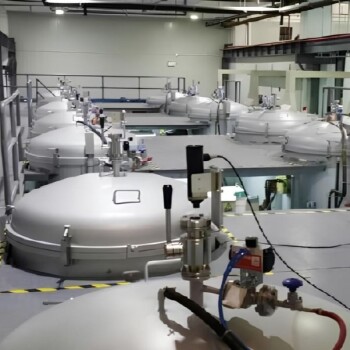
Many vacuum furnaces are a type of electric resistance furnace. They use durable heating elements to heat a chamber to precise temperatures, often for heat treating rather than melting.
While electric versions can reach temperatures up to 2,400°F, they are typically used for applications like hardening, brazing, or annealing parts without altering their shape.
Understanding the Trade-offs
Each type of electric furnace technology is chosen based on a specific balance of cost, scale, and metallurgical requirements.
### Scale and Throughput
EAFs are built for raw power and massive scale, capable of melting hundreds of tons of scrap steel in a single cycle.
Induction furnaces operate on a smaller scale, making them more suitable for specialty foundries producing specific alloys with more refined quality requirements.
### Metallurgical Function
Historically, the EAF has been considered superior for its metallurgical capabilities in large-scale operations. However, modern induction furnace technology has advanced significantly.
These advancements allow modern induction furnaces to produce very high-quality materials, including super low carbon stainless steel and even superalloys.
### Temperature and Process
EAFs are designed for one primary goal: extreme heat for melting. Resistance furnaces, by contrast, are about precise temperature control for processes that happen below the melting point, highlighting their distinct roles.
Making the Right Choice for Your Goal
Selecting the correct furnace technology depends entirely on the intended industrial process and desired outcome.
- If your primary focus is recycling massive volumes of steel scrap: The Electric Arc Furnace (EAF) is the definitive technology for its power, scale, and efficiency in melting.
- If your primary focus is producing smaller batches of high-quality, specialized steel alloys: An induction furnace offers superior metallurgical control for more refined applications.
- If your primary focus is heat treating, annealing, or brazing finished parts: An electric resistance furnace (often in a vacuum) provides the precise temperature control needed without melting the material.
Ultimately, understanding the specific heating mechanism—arc, induction, or resistance—is the key to identifying the right tool for the job.
Summary Table:
| Feature | Electric Arc Furnace (EAF) | Induction Furnace | Resistance Furnace |
|---|---|---|---|
| Primary Use | Large-scale scrap metal melting | High-quality alloy production | Heat treating, annealing, brazing |
| Heating Method | Electric arc (direct/indirect) | Electromagnetic induction | Heating elements (resistance) |
| Typical Scale | Hundreds of tons | Smaller batches | Precise, controlled processes |
| Key Advantage | High power, massive throughput | Superior metallurgical control | Precise temperature control |
Unsure which furnace technology is right for your lab or production needs? The experts at KINTEK are here to help. We specialize in lab equipment and consumables, providing tailored solutions for everything from large-scale melting to precise heat treatment processes. Contact us today using the form below to discuss your specific requirements and discover how our expertise can optimize your operations.
Visual Guide
Related Products
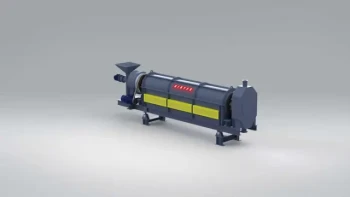
- Electric Rotary Kiln Small Rotary Furnace for Activated Carbon Regeneration
- Electric Rotary Kiln Pyrolysis Furnace Plant Machine Calciner Small Rotary Kiln Rotating Furnace
- Electric Rotary Kiln Continuous Working Small Rotary Furnace Heating Pyrolysis Plant
- Electric Rotary Kiln Small Rotary Furnace Biomass Pyrolysis Plant
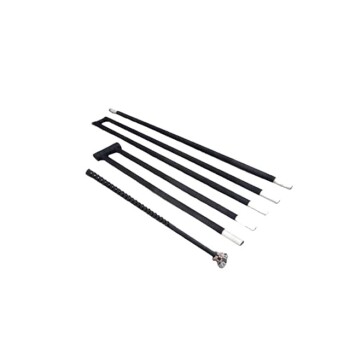
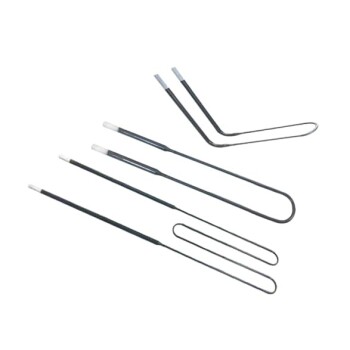
- Silicon Carbide SiC Thermal Heating Elements for Electric Furnace
People Also Ask
- What is a rotary kiln electric furnace? Achieve Superior Uniform Heating for Your Materials
- What is the temperature of activated carbon regeneration? Unlock the 1000°F Process for Reuse
- What are the different types of calciners? A Guide to Selecting the Right Thermal Processing Equipment
- What are the principles of a rotary kiln? Master the Mechanics of High-Temperature Processing
- How are rotary kilns heated? Direct vs. Indirect Heating Methods Explained