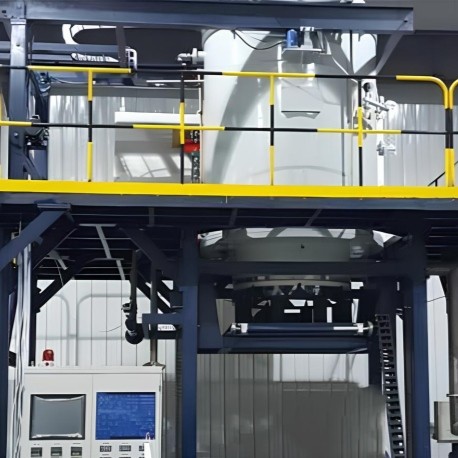
Graphitization furnace
Graphite Vacuum Furnace Bottom Discharge Graphitization Furnace for Carbon Materials
Item Number : GF-06
Price varies based on specs and customizations
- Volume(L)
- 1250 / 196 / 282 / 550 / 1000 / 1500
- Power(KW)
- 150-800
- Frequency(HZ)
- 1000 / 1500

Shipping:
Contact us to get shipping details Enjoy On-time Dispatch Guarantee.
Why Choose Us
Easy ordering process, quality products, and dedicated support for your business success.
Introduction
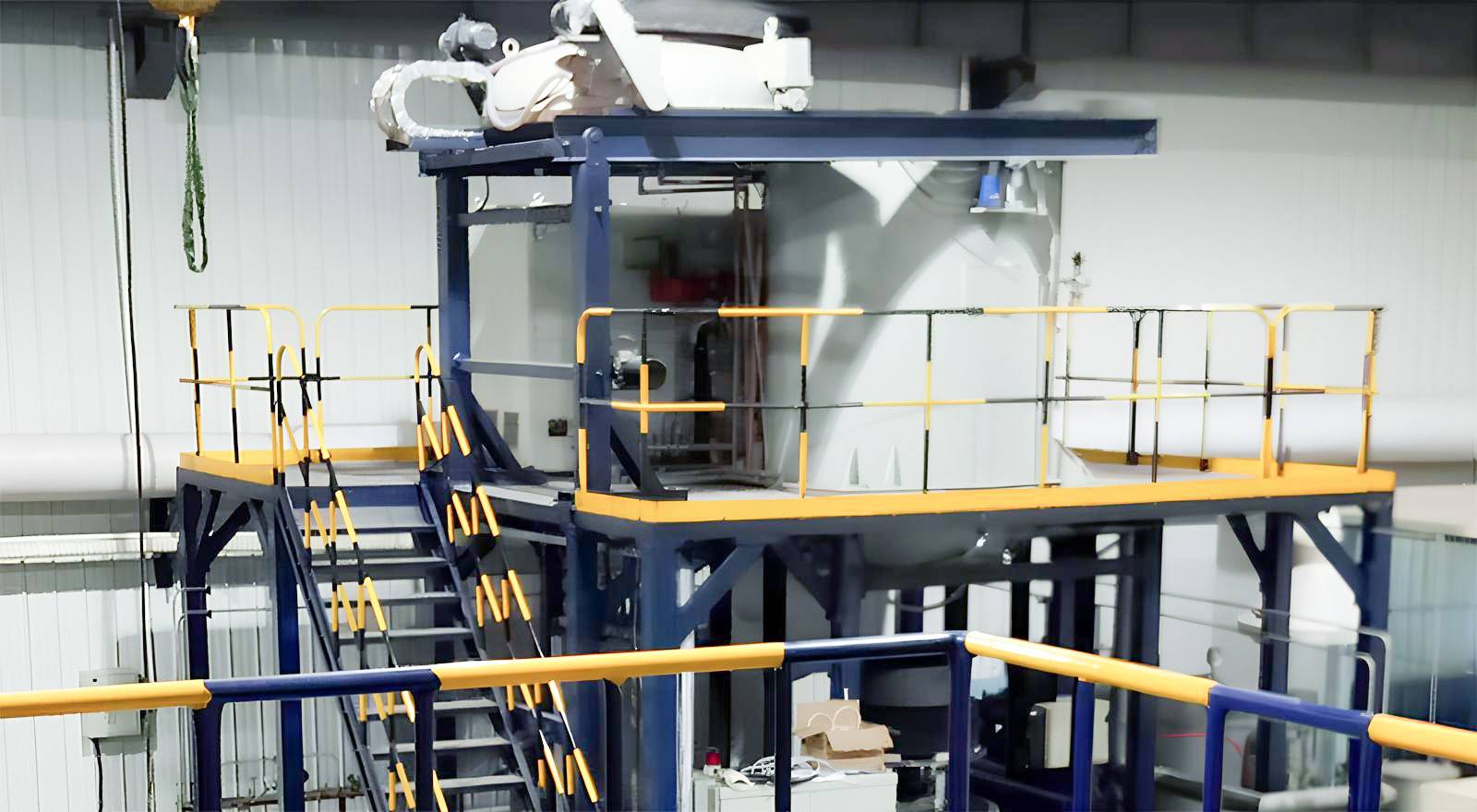
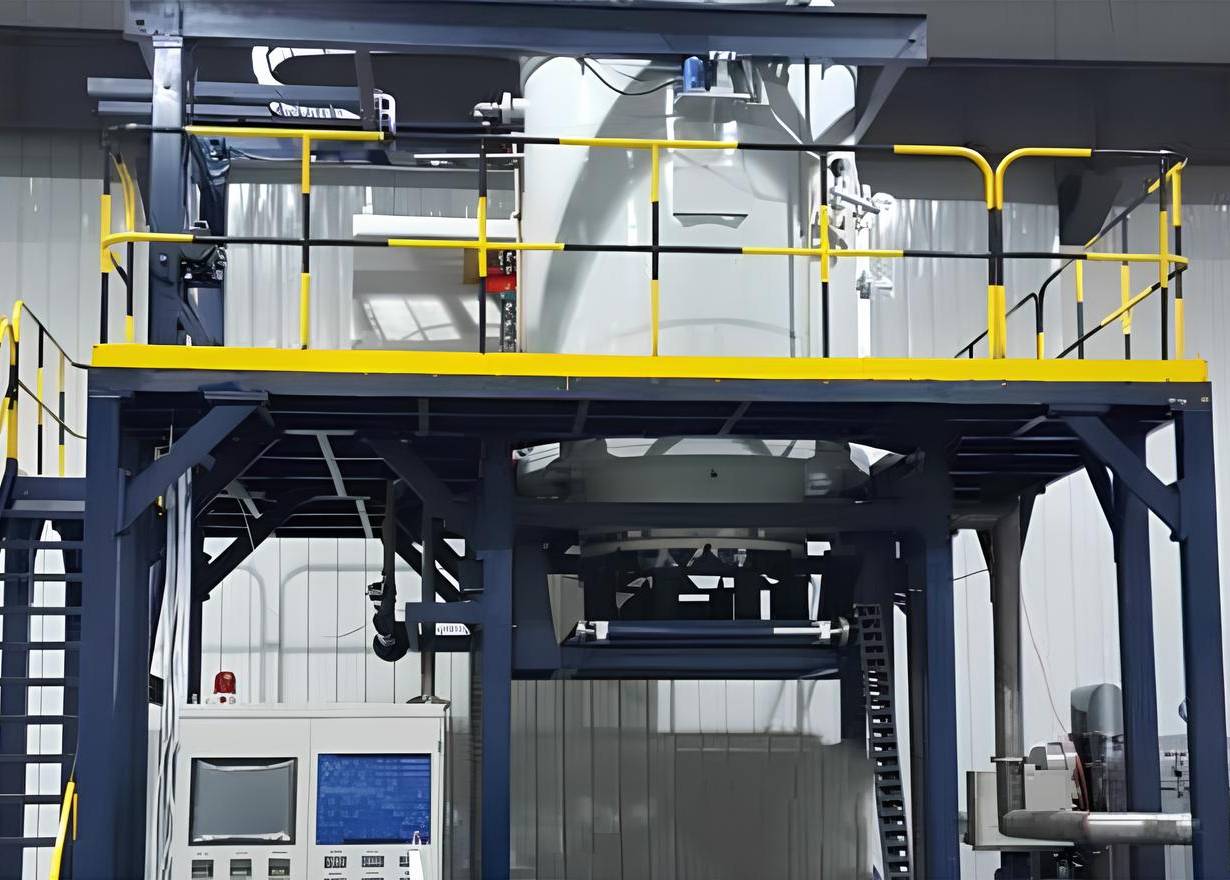
The Bottom Discharge Graphitization Furnace is a type of high-temperature furnace, typically used for graphitization and sintering of carbon materials. It can reach temperatures up to 3100°C, making it suitable for processing large bars and high-density blocks. The bottom-discharging design facilitates feeding and discharging materials, simplifying the process and improving efficiency.
The furnace employs medium frequency induction heating for rapid temperature rise and high efficiency. It features double-layer alumina brick insulation for optimal heat retention and fire resistance, minimizing heat loss and enhancing stability. The hydraulic lifting system allows for convenient loading and unloading at ground level, while the digital flow monitoring system ensures water flow monitoring and protection. Additionally, the furnace is equipped with a PLC water, electricity, gas automatic control and protection system for comprehensive monitoring and safety.
Applications
Bottom discharge graphitization furnaces are widely used in various industries, including:
- Carbonization and graphitization of carbon materials
- Shaped graphitization of carbon fiber filaments
- Sintering of materials in a carbon environment
Features
- Improved temperature uniformity: The unique furnace design ensures consistent temperatures throughout the furnace chamber, leading to more precise and reliable results.
- Reduced energy consumption: The double-layer alumina brick insulation material minimizes heat loss, resulting in lower operating costs and increased energy efficiency.
- Enhanced stability: The stable hydraulic lifting system and comprehensive PLC water, electricity, and gas automatic control and protection system ensure smooth and reliable operation, minimizing downtime and maintenance costs.
- Convenient loading and unloading: The user-friendly design, with ground guide rails and material trucks, simplifies the loading and unloading process, providing increased efficiency and safety.
- Advanced monitoring system: The digital flow monitoring system ensures precise control over the water flow and provides comprehensive protection, preventing equipment damage and ensuring safe operation.
Principle
The bottom discharge graphitization furnace uses medium frequency induction heating to quickly raise the temperature. The furnace design improves temperature uniformity. Double-layer alumina brick insulation material prevents short circuits and provides heat insulation, reducing heat loss. The hydraulic lifting system allows for convenient loading and unloading on the ground. The digital flow monitoring system and PLC control system ensure water, electricity, and gas monitoring and protection.
Advantages
- High temperature resistance: The furnace can withstand ultra-high temperatures of up to 3100°C, making it suitable for graphitization and sintering of carbon materials such as large bars and high-density blocks.
- Convenient feeding and discharging: The bottom-discharging design allows for easy loading and unloading of materials, facilitating efficient processing.
- Improved temperature uniformity: The medium frequency induction heating technology ensures rapid temperature rise and enhanced temperature uniformity throughout the furnace chamber.
- Energy efficiency and stability: Double-layer alumina brick insulation effectively reduces heat loss and improves equipment stability, resulting in lower energy consumption.
- Enhanced safety: The digital flow monitoring system and comprehensive PLC control system provide real-time monitoring and protection against potential hazards, ensuring safe operation.
- Versatile applications: The bottom-discharging vertical graphitization furnace is suitable for carbonization, graphitization, and sintering of various carbon materials, including carbon fiber filaments.
Technical parameters and specifications
Furnace body temperature uniformity: Using medium frequency induction heating, the temperature rises quickly and the efficiency is high. The unique furnace design greatly improves the furnace body temperature uniformity;
Low energy consumption and good stability: Double-layer alumina brick insulation material is used to prevent short circuit between carbon felt and coil, good heat insulation and fire resistance, small heat loss, and good equipment stability;
According to the needs of the sintering process time, a single power supply can be configured with multiple electric furnaces, and the multiple furnaces can be powered on to heat up and power off to cool down respectively to achieve continuous operation;
Digital flow monitoring system, each channel of water flow monitoring and protection in the power cabinet, furnace conversion using high-performance medium frequency contactor; comprehensive PLC water, electricity, gas automatic control and protection system.
| Product model specifications | GF-06-Ф40X100 | GF-06-Ф50X100 | GF-06-Ф60X100 | GF-06-Ф70X140 | GF-06-Ф90X160 | GF-06-100X200 |
|---|---|---|---|---|---|---|
| Volume(L) | 125 | 196 | 282 | 550 | 1000 | 1500 |
| Rated temperature(C) | 2800 | 2800 | 2800 | 2800 | 2800 | 2600 |
| Limit temperature(C) | 3100 | 3100 | 3100 | 3100 | 300 | 2800 |
| Effective heating area (mm) | Ф400×1000 | Ф500×1000 | Ф600×1000 | Ф700×1400 | Ф900×1600 | Ф1000×2000 |
| Power(KW) | 150 | 200 | 300 | 500 | 600 | 800 |
| Frequency(HZ) | 1500 | 1000 | 1000 | 1000 | 1000 | 1000 |
| Temperature control method | Japan Shima Electric Thermostat | |||||
| heating method | Induction heating | |||||
| Vacuum system | Rotary vane vacuum pump (for high vacuum requirements, Roots vacuum pump and oil diffusion pump are required) | |||||
| sintering atmosphere | N² Ar and other gases | |||||
| Rated power supply voltage (V) | 380 | |||||
| Rated heating voltage (V) | 750 | |||||
| Vacuum limit (Pa) | 100 (vacuum cold state) | |||||
Trusted by Industry Leaders
FAQ
What Is A Graphitization Furnace?
What Is A Graphite Vacuum Furnace Used For?
What Is A Vacuum Furnace Used For?
What Is The Purpose Of A Bottom Discharge Graphitization Furnace?
What Are The Key Features Of A Bottom Discharge Graphitization Furnace?
What Are The Advantages Of Using A Bottom Discharge Graphitization Furnace?
What Are The Main Applications Of Graphitization Furnaces?
What Are The Main Types Of Graphite Vacuum Furnaces?
What Is The Process Of A Vacuum Furnace?
What Are The Different Types Of Graphitization Furnaces?
How Does A Graphite Vacuum Furnace Work?
What Gas Is Used In A Vacuum Furnace?
How Does A Graphitization Furnace Work?
What Are The Advantages Of Using A Graphite Vacuum Furnace?
What Is The Heating Element Used In A Vacuum Furnace?
What Are The Advantages Of Using A Graphitization Furnace?
What Temperature Range Can A Graphite Vacuum Furnace Achieve?
What Industries Benefit From Graphite Vacuum Furnaces?
REQUEST A QUOTE
Our professional team will reply to you within one business day. Please feel free to contact us!
Related Products
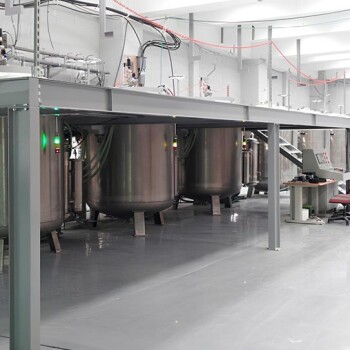
Graphite Vacuum Furnace Negative Material Graphitization Furnace
Graphitization furnace for battery production has uniform temperature and low energy consumption. Graphitization furnace for negative electrode materials: an efficient graphitization solution for battery production and advanced functions to enhance battery performance.

Graphite Vacuum Continuous Graphitization Furnace
High-temperature graphitization furnace is a professional equipment for graphitization treatment of carbon materials. It is a key equipment for the production of high-quality graphite products. It has high temperature, high efficiency and uniform heating. It is suitable for various high-temperature treatments and graphitization treatments. It is widely used in metallurgy, electronics, aerospace, etc. industry.

Large Vertical Graphite Vacuum Graphitization Furnace
A large vertical high-temperature graphitization furnace is a type of industrial furnace used for the graphitization of carbon materials, such as carbon fiber and carbon black. It is a high-temperature furnace that can reach temperatures of up to 3100°C.
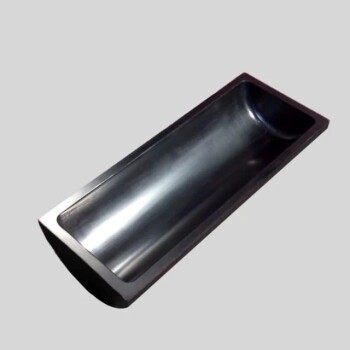
Carbon Graphite Boat -Laboratory Tube Furnace with Cover
Covered Carbon Graphite Boat Laboratory Tube Furnaces are specialized vessels or vessels made of graphite material designed to withstand extreme high temperatures and chemically aggressive environments.

Graphite Vacuum Furnace High Thermal Conductivity Film Graphitization Furnace
The high thermal conductivity film graphitization furnace has uniform temperature, low energy consumption and can operate continuously.

Graphite Vacuum Furnace IGBT Experimental Graphitization Furnace
IGBT experimental graphitization furnace, a tailored solution for universities and research institutions, with high heating efficiency, user-friendliness, and precise temperature control.

Ultra-High Temperature Graphite Vacuum Graphitization Furnace
The ultra-high temperature graphitization furnace utilizes medium frequency induction heating in a vacuum or inert gas environment. The induction coil generates an alternating magnetic field, inducing eddy currents in the graphite crucible, which heats up and radiates heat to the workpiece, bringing it to the desired temperature. This furnace is primarily used for graphitization and sintering of carbon materials, carbon fiber materials, and other composite materials.

Vertical High Temperature Graphite Vacuum Graphitization Furnace
Vertical high temperature graphitization furnace for carbonization and graphitization of carbon materials up to 3100℃.Suitable for shaped graphitization of carbon fiber filaments and other materials sintered in a carbon environment.Applications in metallurgy, electronics, and aerospace for producing high-quality graphite products like electrodes and crucibles.

Horizontal High Temperature Graphite Vacuum Graphitization Furnace
Horizontal Graphitization Furnace: This type of furnace is designed with the heating elements placed horizontally, allowing for uniform heating of the sample. It's well-suited for graphitizing large or bulky samples that require precise temperature control and uniformity.

Laboratory Muffle Oven Furnace Bottom Lifting Muffle Furnace
Efficiently produce batches with excellent temperature uniformity using our Bottom Lifting Furnace. Features two electric lifting stages and advanced temperature control up to 1600℃.
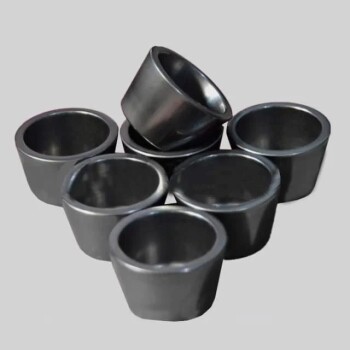
High Purity Pure Graphite Crucible for Electron Beam Evaporation
A technology mainly used in the field of power electronics. It is a graphite film made of carbon source material by material deposition using electron beam technology.

2200 ℃ Graphite Vacuum Heat Treat Furnace
Discover the power of the KT-VG Graphite Vacuum Furnace - with a maximum working temperature of 2200℃, it's perfect for vacuum sintering of various materials. Learn more now.
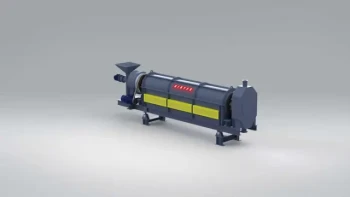
Electric Rotary Kiln Small Rotary Furnace for Activated Carbon Regeneration
Revitalize your activated carbon with KinTek's Electric Regeneration Furnace. Achieve efficient and cost-effective regeneration with our highly automated rotary kiln and intelligent thermal controller.

Customer Made Versatile CVD Tube Furnace Chemical Vapor Deposition Chamber System Equipment
Get your exclusive CVD furnace with KT-CTF16 Customer Made Versatile Furnace. Customizable sliding, rotating, and tilting functions for precise reactions. Order now!

High Purity Pure Graphite Crucible for Evaporation
Vessels for high temperature applications, where materials are kept at extremely high temperatures to evaporate, allowing thin films to be deposited on substrates.

High Temperature Muffle Oven Furnace for Laboratory Debinding and Pre Sintering
KT-MD High temperature debinding and pre-sintering furnace for ceramic materials with various molding processes. Ideal for electronic components such as MLCC and NFC.

Mesh belt controlled atmosphere furnace
Discover our KT-MB mesh belt sintering furnace - perfect for high-temperature sintering of electronic components & glass insulators. Available for open air or controlled atmosphere environments.

Vacuum Arc Induction Melting Furnace
Discover the power of Vacuum Arc Furnace for melting active & refractory metals. High-speed, remarkable degassing effect, and free of contamination. Learn more now!

Vertical Laboratory Tube Furnace
Elevate your experiments with our Vertical Tube Furnace. Versatile design allows for operation under various environments and heat treatment applications. Order now for precise results!
Related Articles

Optimizing Performance with Graphite Vacuum Furnaces: A Comprehensive Guide
Unlock the potential of graphite vacuum furnaces for high-temperature material treatment. Learn about their efficiency, customization options, automation, and key considerations for graphite rod usage.
Maximizing Efficiency and Precision with Vacuum Graphite Furnaces
Discover how vacuum graphite furnaces revolutionize high-temperature material treatments with unmatched precision and efficiency. Explore customized solutions for various industries, advanced automation, and sustainable energy practices.
Unveiling Vacuum Graphite Furnaces: Performance, Applications, and Expert Insights
Delve into the world of vacuum graphite furnaces, exploring their exceptional performance, diverse applications, and crucial considerations. Our expert insights empower you to make informed decisions for your laboratory's high-temperature material treatment needs.
The Inverted Cup: When Physics Hides a Lethal Trap in Vacuum Furnaces
Hot argon behaves counter-intuitively in bottom-loading furnaces. Discover the physics of the "inverted cup" effect and how to prevent silent asphyxiation.
The Ultimate Guide to Choosing the Right Lab Furnace for Your Needs
How to choose a high temperature furnace suitable for your laboratory
High-Temperature Vacuum Furnace: Classification, Applications, and Components
An overview of high-temperature vacuum furnaces, their types, applications, and key components.
Classification, Applications, and Components of High-Temperature Vacuum Furnaces
An overview of high-temperature vacuum furnaces, their types, applications, and key components.
The Thermodynamics of Silence: How Inert Gas Breaks the Vacuum Barrier
In high-temperature vacuum furnaces, cooling is an aggressive, engineered process. Learn how inert gas acts as a thermal conveyor belt to control metallurgy.
Beyond Heat: A Mental Model for Furnace Atmospheres
It's not vacuum vs. gas. It's about mastering the unseen atmosphere to prevent microscopic flaws. Learn how to choose the right furnace.
Why Your Furnace Experiments Fail: The Hidden Mismatch in Your Lab
Frustrated by inconsistent furnace results? Discover the hidden reason your thermal experiments fail and how the right tool can ensure repeatable success.
Why Your Heat-Treated Parts Are Failing: The Hidden Enemy in Your Furnace
Seeing inconsistent results from your furnace? Learn why air is the real culprit in heat treatment and how to get perfect, oxide-free parts every time.
Furnace Contamination: The Hidden Saboteur Ruining Your High-Value Parts
Discover why your heat-treating process fails on high-value parts. The issue isn't your settings—it's hidden furnace contamination. Learn the fix.