Our graphitization furnaces are designed to convert carbonaceous materials into high-quality graphite products, essential for industries like metallurgy, electronics, and aerospace. We offer a variety of furnaces including Horizontal High Temperature Graphitization Furnace, Large Vertical Graphitization Furnace, and Continuous Graphitization Furnace, each tailored to specific needs and applications.
Toggle Categories
Get Instant Support
Choose your preferred way to connect with our team
-
Get Free Quote Fill out form for detailed pricing
-
Send Email Detailed inquiry support
-
WhatsApp Quick mobile chat
Response Time
Within 8 hours on working days, 24 hours on holidays
graphitization furnace

Horizontal High Temperature Graphite Vacuum Graphitization Furnace
Item Number: GF-01

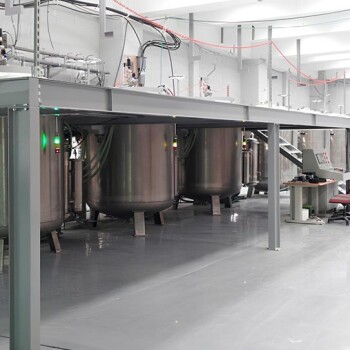
Graphite Vacuum Furnace Negative Material Graphitization Furnace
Item Number: GF-04


Ultra-High Temperature Graphite Vacuum Graphitization Furnace
Item Number: GF-09

Graphite Vacuum Continuous Graphitization Furnace
Item Number: GF-07

Graphite Vacuum Furnace IGBT Experimental Graphitization Furnace
Item Number: GF-02

Vertical High Temperature Graphite Vacuum Graphitization Furnace
Item Number: GF-05

Large Vertical Graphite Vacuum Graphitization Furnace
Item Number: GF-08

Carbon Graphite Boat -Laboratory Tube Furnace with Cover
Item Number: KM-D10
Comprehensive Introduction to Graphitization Furnaces
Graphitization furnaces are specialized equipment designed to transform carbonaceous materials into graphite through a high-temperature process. This conversion is crucial for producing graphite with unique properties such as high thermal conductivity, low thermal expansion, and chemical inertness. Our furnaces are engineered to meet the stringent requirements of industries including metallurgy, electronics, and aerospace, where high-quality graphite products are indispensable.
Key Features and Principles
Our graphitization furnaces operate by subjecting carbonaceous materials to temperatures typically ranging from 2500 to 3000 degrees Celsius in an inert atmosphere. This process ensures the conversion of these materials into graphite, which is essential for applications requiring high thermal conductivity and resistance to extreme conditions. The furnaces are designed with precision to maintain uniform heating, ensuring the quality and consistency of the end products.
Advantages of Our Graphitization Furnaces
- High Temperature Resistance: Our furnaces are capable of reaching and maintaining temperatures up to 3100°C, ensuring the effective graphitization of various carbon materials.
- Uniform Heating: Designed with advanced heating elements and control systems, our furnaces provide uniform heating, crucial for achieving consistent graphite properties.
- Versatility: We offer a range of furnaces including horizontal, vertical, and continuous models, each tailored to specific applications and production needs.
- Customization: Recognizing the diverse requirements of our clients, we provide customizable solutions to ensure our furnaces meet specific industry standards and operational needs.
Applications and Industries
Our graphitization furnaces are integral to the production of high-quality graphite products used in a variety of applications:
- Metallurgy: For the production of electrodes and crucibles.
- Electronics: Essential for components requiring high thermal conductivity.
- Aerospace: Used in structural components that must withstand extreme conditions.
Why Choose Us?
Our commitment to quality and innovation sets us apart. We offer not just products, but solutions tailored to your specific needs. Our team of experts is dedicated to providing comprehensive support, from initial consultation to post-sale service. We understand the critical role our furnaces play in your operations and are committed to ensuring they perform flawlessly.
For more information or to discuss your specific requirements, please contact us. We look forward to helping you achieve your goals with our advanced graphitization furnaces.
FAQ
What Is A Graphitization Furnace?
A graphitization furnace is a specialized piece of equipment used to convert carbonaceous materials, such as petroleum coke or coal tar pitch, into graphite through high-temperature processing in an inert atmosphere. This process typically involves temperatures ranging from 2500 to 3000 degrees Celsius.
What Are The Main Applications Of Graphitization Furnaces?
Graphitization furnaces are crucial in industries such as metallurgy, electronics, and aerospace. They produce high-quality graphite products like electrodes, crucibles, and structural components, which are essential for various high-temperature applications.
What Are The Different Types Of Graphitization Furnaces?
There are several types of graphitization furnaces, including Horizontal High Temperature Graphitization Furnaces, Large Vertical Graphitization Furnaces, Continuous Graphitization Furnaces, Negative Material Graphitization Furnaces, Vertical High Temperature Graphitization Furnaces, Ultra-high Temperature Graphitization Furnaces, IGBT Experimental Graphitization Furnaces, High Thermal Conductivity Film Graphitization Furnaces, Bottom Discharge Graphitization Furnaces for Carbon Materials, and 2200°C Graphite Vacuum Furnaces.
How Does A Graphitization Furnace Work?
A graphitization furnace works by subjecting carbonaceous materials to extremely high temperatures, typically between 2500 to 3000 degrees Celsius, in an inert atmosphere. This process rearranges the carbon atoms in the material, converting it into graphite, which has unique properties such as high thermal conductivity, low thermal expansion, and chemical inertness.
What Are The Advantages Of Using A Graphitization Furnace?
The advantages of using a graphitization furnace include the production of high-quality graphite with excellent thermal conductivity, low thermal expansion, and chemical inertness. These properties make graphite ideal for a wide range of high-temperature applications in industries like metallurgy, electronics, and aerospace.
REQUEST A QUOTE
Our professional team will reply to you within one business day. Please feel free to contact us!
Related Articles

The Architecture of Nothing: How a Vacuum Furnace Masters Material Transformation
A vacuum furnace is a five-part system where removing air is as crucial as adding heat. Discover how its components work in concert to achieve perfection.
Read more
The Geometry of Isolation: Why the Tube Furnace is Science’s Sanctuary
Discover why the cylindrical geometry of a tube furnace is essential for precision. A deep dive into atmospheric control, heat uniformity, and material purity.
Read more
The Invisible Saboteur: Mastering Purity in Vacuum Furnaces
Contamination silently sabotages vacuum furnace results. This guide covers the physics of failure and the systematic protocol for achieving true process purity.
Read more
The Thermodynamics of Ambition: Why Your Tube Furnace Limit Is a Design Choice, Not a Number
The maximum temperature of a tube furnace isn't a fixed spec—it's an engineering trade-off. Discover how heating elements and atmosphere define your limits.
Read more
The Anatomy of Precision: Inside the Tube Furnace's Temperature Control Loop
A tube furnace's precision comes from a closed-loop system where a thermocouple, PID controller, and SSR engage in a constant dialogue.
Read more
The Art of the Void: Mastering Heat Within a Vacuum Furnace
Discover the engineering principles behind vacuum furnaces. Learn how removing the atmosphere transforms heat treatment into a science of absolute purity.
Read more
The Architecture of Emptiness: Why We Heat Things in a Vacuum
The true value of a vacuum furnace is not the heat it adds, but the atmosphere it removes. Explore how eliminating air unlocks material purity and performance.
Read more
Beyond the Acid Wash: A Systems Approach to Alumina Tube Longevity
Discover why proactive care, not reactive cleaning, is key to your alumina tube furnace's life. It's about managing physics and psychology.
Read more
The Symphony of Heat: Deconstructing the Limits of Vacuum Tube Furnaces
The maximum temperature of a vacuum furnace isn't just a number on a datasheet—it's a fragile balance of materials. Discover the engineering reality behind thermal limits.
Read more
Beyond Temperature: The Critical Question of Atmosphere in Your Lab Furnace
Choosing between a tube and muffle furnace is less about heat and more about atmospheric control. This single factor dictates experimental success.
Read more
Gravity as an Ally: The Engineering Logic Behind Vertical Tube Furnaces
Discover why orientation matters in thermal processing. How vertical tube furnaces leverage gravity for superior CVD, quenching, and uniformity.
Read more
The Architecture of Heat: Choosing Between Control and Capacity
Deciding between a tube furnace and a muffle furnace isn't about temperature—it's about atmosphere. Discover the engineering trade-offs between vacuum precision and volume.
Read more
The Architecture of Heat: Why Vacuum Furnace Temperature is a Design Choice, Not Just a Number
Vacuum furnaces operate from 500°C to over 2200°C. Discover how hot zone materials and process requirements dictate the thermal range you actually need.
Read more
The Anatomy of Control: Engineering a Perfect Thermal Universe in a Tube Furnace
A deep dive into the tube furnace's layered design, exploring how its physical anatomy creates a perfectly controlled environment for high-temperature work.
Read more
The Architecture of Heat: Why Vacuum Furnace Temperature is a Design Choice
Vacuum furnace temperature isn't a single metric—it's a design constraint. From 1315°C annealing to 2400°C sintering, discover how process dictates equipment.
Read more
An Anatomy of Control: The Interconnected Systems of a Vacuum Furnace
A vacuum furnace isn't a box, but an ecosystem. Discover how its interconnected systems create the perfect environment for material transformation.
Read more
The Architecture of Emptiness: Why Vacuum Level is a Decision, Not Just a Number
Vacuum levels define material purity. We explore the engineering trade-offs between rough vacuum and ultra-high vacuum, and how to choose the right system.
Read more
The Physics of Free Fall: Simulating Industrial Chaos in the Lab
Industrial reactors are chaotic black boxes. The drop tube furnace is the scientific scalpel that dissects combustion and kinetics, one particle at a time.
Read more
Density Without Destruction: The Quiet Power of Hot Press Sintering
Hot press sintering uses simultaneous heat and pressure to achieve near-perfect material density while inhibiting the grain growth that weakens components.
Read more
The Thermal Ceiling: Why Vacuum Furnace Limits Are Defined by Physics, Not Specs
Maximum vacuum furnace temperature isn't just a number; it's a material limit. Explore how heating elements like Tungsten and Graphite define performance and purity.
Read more