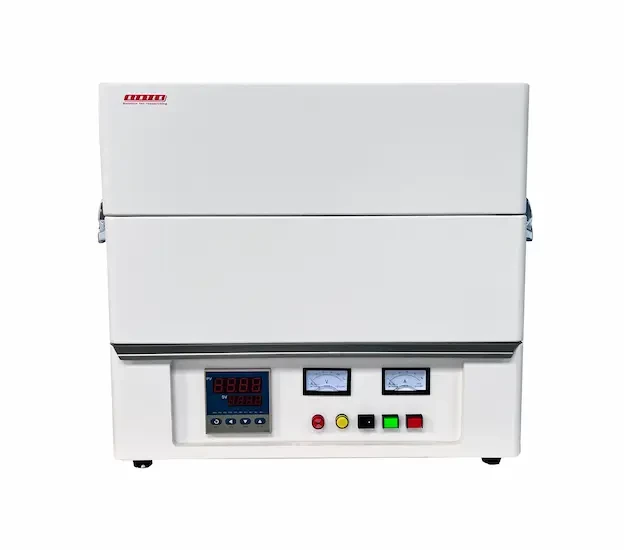
Tube Furnace
1400℃ Laboratory High Temperature Tube Furnace with Alumina Tube
Item Number : KT-TF14
Price varies based on specs and customizations
- Max. temperature
- 1400℃
- Constant work temperature
- 1300℃
- Furnace tube diameter
- 30 / 40 / 60 / 80 / 100 mm
- Heating zone length
- 300 / 450 / 600 / 800 mm
- Heating zone quantity
- 1-10 zones
- Heating rate
- 0-10 ℃/min

Shipping:
Contact us to get shipping details Enjoy On-time Dispatch Guarantee.
Why Choose Us
Easy ordering process, quality products, and dedicated support for your business success.
Introduction
The tube furnace with alumina tube is a piece of laboratory equipment designed for high-temperature applications up to 1400°C. It is commonly used in a variety of processes in research and industrial settings, such as material synthesis, chemical vapor deposition, vacuum sintering and heat treatment. The heating elements, typically made of silicon carbide (SiC), are arranged in the furnace insulation layer outside the alumina tube. The high-purity alumina ceramic tube serves as the central reaction chamber, holding samples and experimental atmospheres while providing excellent thermal stability, high temperature resistance, and resistance to acids and alkalis.
Applications
The 1400℃Tube Furnace with Alumina Tube is a versatile instrument designed for precise high-temperature processing. Its chemically inert tube and uniform heating zones make it an essential tool for the following industries:
Material Science Research: Ideal for the synthesis and characterization of advanced materials, including ceramics, nanomaterials, composites, and refractory materials. Common processes include sintering, annealing, and phase transition studies.
Metallurgical & Powder Metallurgy: Essential for the heat treatment of metallic powders, enabling the development and quality control of new metal alloys. Key applications include reduction of metal oxides and vacuum sintering.
Coal & Energy Analysis: Used for the precise determination of ash content, volatile matter, and sulfur content in coal samples under controlled atmospheres, ensuring compliance with industrial standards.
Chemical & Glass Industry: Employed in the melting, softening, and composition analysis of glass and ceramic materials. It is also widely used for catalyst preparation and activation.
Pharmaceutical & Chemical Engineering: Supports the calcination of catalyst supports, purification of active ingredients, and ash determination of pharmaceutical raw materials.
Detail & Parts
Features
Tube furnaces with alumina tubes are ideal for applications requiring relatively small workspaces and features such as multiple zones, independently controlled. Alumina tubes are required for high-temperature operation, but they are subject to thermal shock. The smaller the diameter of the process tube, the better. KINTEK manufactures tube furnaces for operating temperatures up to 2000 degrees centigrade. In addition to vertical and horizontal tube models, we offer a bottom-loading vertical tube and combination units that allow the tube to be placed either vertically or horizontally. Water-cooled end caps and gas mixing systems are optional.
- Compact design, small footprint, versatile functions
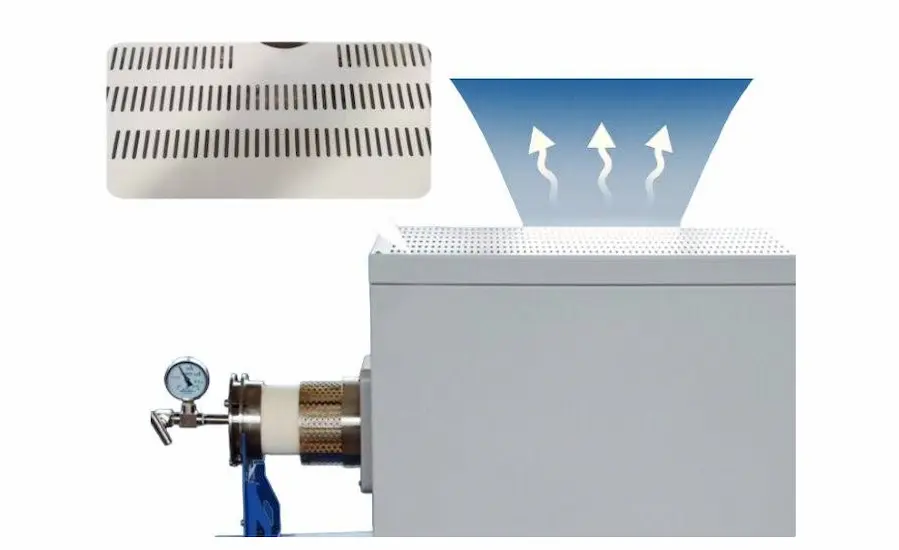
- Double furnace shell design, forced air flow between the inner and outer shell, so as to keep a low temperature of the furnace surface
- PID programmable temperature control, excellent control accuracy and stable heating performance, support remote control and centralized control
- High purity alumina tube with excellent acid and alkali resistance and high working temperature, long service life and lower investment
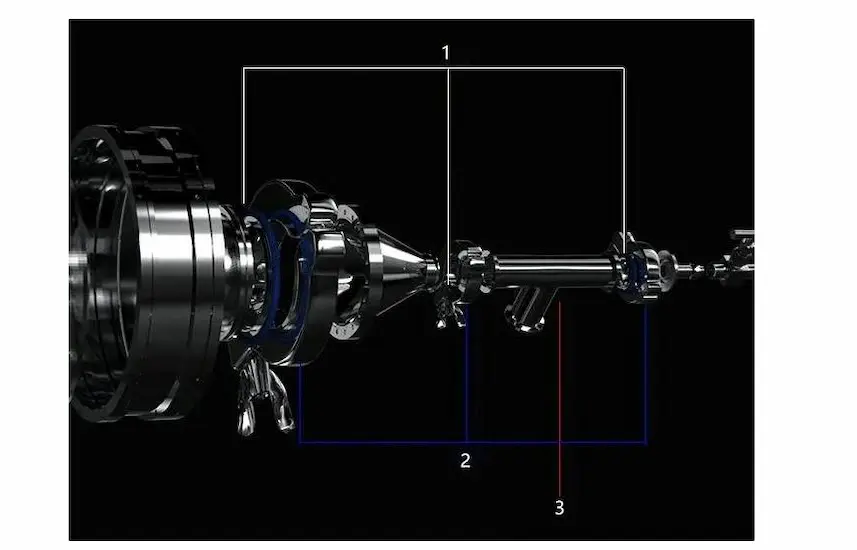
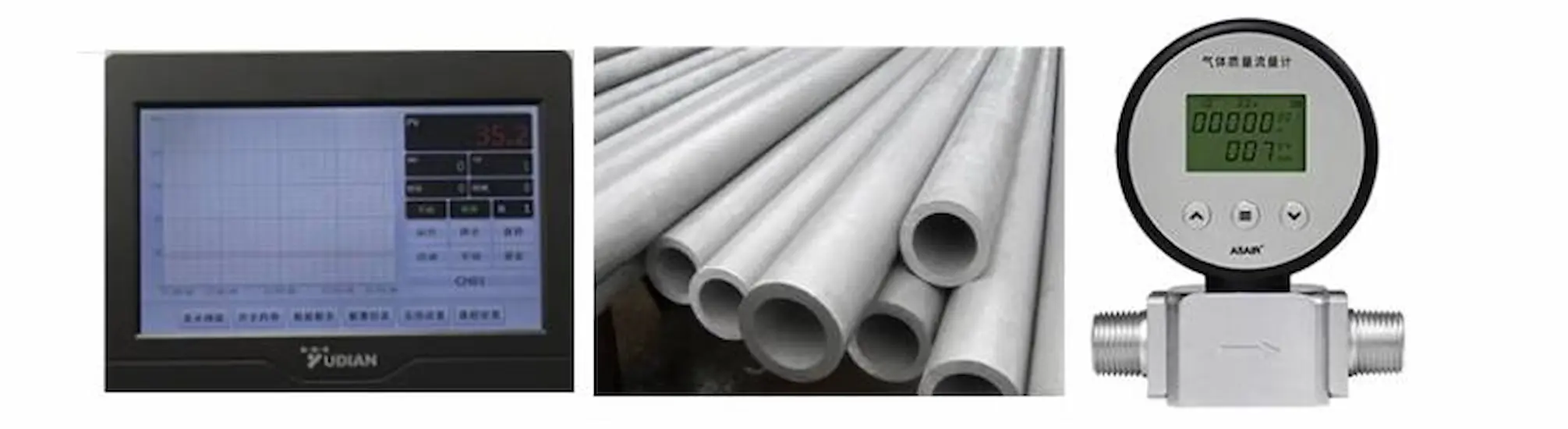
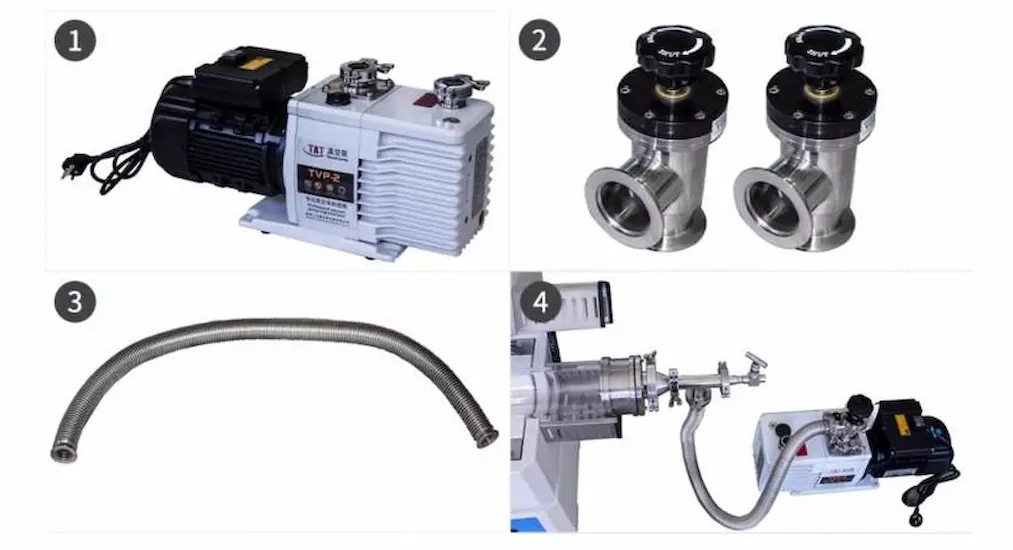
- Stainless steel vacuum flange with various adapting port to meet different vacuum pump station setup, good sealing and high vacuum pressure
- KT-TF14 Pro applies one 5 inches TFT touch screen controller, more friendly program setting and history data analysis, different program recipes can be saved and select
Principle
The 1400°C Alumina Tube Furnace utilizes Silicon Carbide (SiC) as its core heating elements. Upon energization, electrical energy is converted into thermal energy, which is transferred to the central alumina tube reaction chamber via thermal radiation and conduction. Supported by a PID temperature control system for real-time monitoring and precise regulation, the furnace establishes a stable and controllable high-temperature experimental environment within the chamber.
Advantages
- Compact design and small footprint: The tube furnace's compact design makes it easy to fit into even the most space-constrained laboratories. Its small footprint ensures that it will not take up valuable bench space.
- Versatile functions: The tube furnace can be used for a wide range of applications, including high-temperature pyrolysis, composition analysis, and related heating treatment work. This versatility makes it a valuable asset to any laboratory.
- Double furnace shell design: The double furnace shell design helps to maintain a low temperature on the furnace surface, even when the furnace is operating at high temperatures. This safety feature helps to protect users from burns and other injuries.
- PID programmable temperature control: The PID programmable temperature control provides excellent control accuracy and stable heating performance. This ensures that the furnace will maintain the desired temperature, even under varying conditions.
- High purity alumina tube: The high purity alumina tube is resistant to acids and alkalis, and it has a long service life. This makes it an ideal choice for use in high-temperature applications.
- Stainless steel vacuum flange: The stainless steel vacuum flange has various adapting ports to meet different vacuum pump station setups. This versatility makes it easy to connect the furnace to a variety of vacuum systems.
- KT-TF14 Pro touch screen controller: The KT-TF14 Pro applies one 5 inches TFT touch screen controller, which makes it easy to set programs and analyze data. Different program recipes can be saved and selected, making it easy to repeat experiments.
Features
The Tube Furnace with Alumina Tube is a sophisticated electric heating device designed for high-precision temperature control and material processing. This furnace is equipped with an alumina tube, which is renowned for its exceptional thermal and chemical properties, making it ideal for a variety of high-temperature applications across different industries. Here are the key features that make this furnace a standout choice for researchers and industrial users:
- High Purity Alumina Tube: The furnace features a tube made of high-purity alumina (Al2O3 > 99%), which offers excellent chemical resistance. This ensures that the furnace can handle a wide range of materials without degradation, making it suitable for both laboratory and industrial settings.
- Extreme Temperature Resistance: With the ability to operate continuously at temperatures up to 1600°C and withstand short-term spikes up to 1800°C, the alumina tube provides a stable environment for high-temperature processes. This makes the furnace ideal for applications that require extreme heat, such as metallurgical testing and chemical analysis.
- Rapid Heat and Cold Resistance: The alumina tube is designed to resist thermal shock, meaning it can withstand rapid changes in temperature without cracking or breaking. This feature is crucial for processes that involve heating and cooling cycles, ensuring the longevity and reliability of the furnace.
- Acid and Alkali Resistance: The furnace's alumina tube is highly resistant to both acidic and alkaline substances, which is essential for processes involving corrosive materials. This resistance ensures that the furnace can maintain its structural integrity and performance over time, even under harsh chemical conditions.
These features collectively enhance the versatility and durability of the Tube Furnace with Alumina Tube, making it an indispensable tool for industries requiring precise temperature control and reliable material testing capabilities.
Safety Advantage
- KINTEK Tech tube furnace owns over current protection and over temperature alarming function, furnace will turn off the power automatically once over current detected
- Furnace build in thermal couple detecting function, furnace will stop heating and alarm will be on once thermal couple broken or failure detected
- TF1400 Pro support power failure restarting function,furnace will resume the furnace heating program when power is incoming after failure
Technical specifications
| Furnace model | KT-TF14 | KT-TF14 Pro |
|---|---|---|
| Temperature controller | Digital PID controller | Touch screen PID controller |
| Multi program preset | no | yes |
| Power failure restarting | no | yes |
| Max. temperature | 1400℃ | |
| Constant work temperature | 1300℃ | |
| Furnace tube material | High grade Al2O3 alumina | |
| Furnace tube diameter | 30 / 40 / 60 / 80 / 100 mm | |
| Heating zone length | 300 / 450 / 600 / 800 mm | |
| Heating zone quantity | 1-10 zones | |
| Vacuum sealing solution | SS 304 flange with O ring | |
| Rated vacuum pressure | 0.001Pa/10E5 torr | |
| Rated positive pressure | 0.02Mpa/150 torr | |
| Chamber material | Japan Al2O3 alumina fiberr | |
| Heating element | Silicon Carbide | |
| Heating rate | 0-10℃/min | |
| Temperature sensor | S type thermal couple | |
| Temperature control accuracy | ±1℃ | |
| Temperature uniformity | ±5℃ | |
| Electric power supply | AC110-220V,50/60HZ | |
| Other Al2O3 alumina tube size and heating zone length can be customized | ||
Standard Package
| No. | Description | Quantity |
|---|---|---|
| 1 | Furnace | 1 |
| 2 | Alumina tube | 1 |
| 3 | Vacuum flange | 2 |
| 4 | Tube thermal block | 2 |
| 5 | Tube thermal block hook | 1 |
| 6 | Heat resistant glove | 1 |
| 7 | Operation manual | 1 |
Optional Setup
- In tube gases detecting and monitoring,like H2, O2 and so on
- Independent furnace temperature monitoring and recording
- RS 485 communication port for PC remote control and data exporting
- Insert gases feeding flow rate control,like mass flowmeter and float flowmeter
- Touch screen temperature controller with versatile operator friendly functions
- High vacuum pump station setups, like vane vacuum pump,molecular pump,diffusion pump
Warnings
Operator safety is the top important issue! Please operate the equipment with cautions. Working with inflammable& explosive or toxic gases is very dangerous, operators must take all necessary precautions before starting the equipment. Working with positive pressure inside the reactors or chambers is dangerous, operator must fellow the safety procedures strictly. Extra caution must also be taken when operating with air-reactive materials, especially under vacuum. A leak can draw air into the apparatus and cause a violent reaction to occur.
Designed for You
KinTek provide deep custom made service and equipment to worldwide customers, our specialized teamwork and rich experienced engineers are capable to undertake the custom tailoring hardware and software equipment requirements, and help our customer to build up the exclusive and personalized equipment and solution!
Would you please drop your ideas to us, our engineers are ready for you now!
Trusted by Industry Leaders

FAQ
What Is A Tube Furnace?
Laboratory tube furnace is one classic external heating high temperature tube furnace, also named hot wall heating furnace.
According to the different working temperature, furnace tube material usually can be transparent quartz tubes, high purity alumina ceramic tubes and high strength metal alloy tubes.
To meet different thermal researching purposes, tube furnace can be designed with multi heating zones, so as to have a flexible control of temperature gradient in the tube working chamber; furnace tube can work with a controlled atmosphere working environment or a high vacuum working environment.
How Does A Tube Furnace Work?
Tube furnace heating elements are placed surrounding the cylindrical cavity, furnace can only heat the samples in the cylindrical cavity through indirect thermal radiation, since furnace tube can prevent sample material from contacting with furnace heating elements and insulation materials, so tube furnace creates a clean isolated heat chamber and reduce risks of the sample material contaminating by the furnace.
What Is A Rotary Tube Furnace?
What Is The Application For Tube Furnace?
Tubular furnace is mainly used in metallurgy, glass, heat treatment, lithium anode and cathode materials, new energy, abrasives and other industries, and is a professional equipment for measuring materials under certain temperature conditions.
Tube furnace features simple structure, easy operation, easy control and continuous production.
Tube furnace is also widely applied in the CVD (chemical vapor deposition) and plasma enhanced CVD systems.
How Does A Rotary Tube Furnace Work?
How Many Different Types Tube Furnace?
Tube furnace can work with different mechanical functions smoothly, so there are many different types tube furnace variations for different experiment purposes, typical furnace furnaces are as below:
- Horizontal tube furnace
- Vertical tube furnace
- Split tube furnace
- Rotary tube furnace
- Tilting tube furnace
- Sliding tube furnace
- Fast heating and cooling tube furnace
- Continuous feeding and discharging tube furnace
What Are The Advantages Of A Rotary Tube Furnace?
What Is The Function Of Rotary Tube Furnace?
What Are The Advantages Of Using A Tube Furnace?
What Are The Advantages Of Rotary Tube Furnace?
What Safety Precautions Should Be Taken When Using A Tube Furnace?
REQUEST A QUOTE
Our professional team will reply to you within one business day. Please feel free to contact us!
Related Products

High Temperature Alumina (Al2O3) Furnace Tube for Engineering Advanced Fine Ceramics
High temperature alumina furnace tube combines the advantages of high hardness of alumina, good chemical inertness and steel, and has excellent wear resistance, thermal shock resistance and mechanical shock resistance.

1700℃ Laboratory High Temperature Tube Furnace with Alumina Tube
Looking for a high-temperature tube furnace? Check out our 1700℃ Tube Furnace with Alumina Tube. Perfect for research and industrial applications up to 1700C.

1400℃ Muffle Oven Furnace for Laboratory
Get precise high-temperature control up to 1500℃ with KT-14M Muffle furnace. Equipped with a smart touch screen controller and advanced insulation materials.

1400℃ Controlled Atmosphere Furnace with Nitrogen and Inert Atmosphere
Achieve precise heat treatment with KT-14A controlled atmosphere furnace. Vacuum sealed with a smart controller, it's ideal for lab and industrial use up to 1400℃.
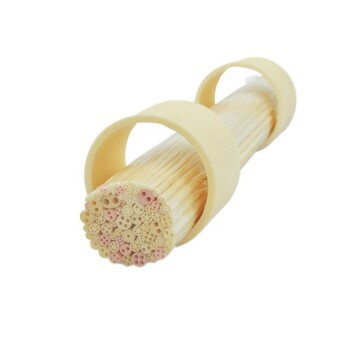
High Temperature Aluminum Oxide (Al2O3) Protective Tube for Engineering Advanced Fine Ceramics
Alumina oxide protective tube, also known as high temperature resistant corundum tube or thermocouple protection tube, is a ceramic tube mainly made of alumina (aluminum oxide).

1200℃ Split Tube Furnace with Quartz Tube Laboratory Tubular Furnace
KT-TF12 split tube furnace: high-purity insulation, embedded heating wire coils, and max. 1200C. Widely used for new materials and chemical vapour deposition.

Laboratory High Pressure Vacuum Tube Furnace
KT-PTF High Pressure Tube Furnace: Compact split tube furnace with strong positive pressure resistance. Working temp up to 1100°C and pressure up to 15Mpa. Also works under controller atmosphere or high vacuum.

1200℃ Controlled Atmosphere Furnace Nitrogen Inert Atmosphere Furnace
Discover our KT-12A Pro Controlled atmosphere furnace - high precision, heavy duty vacuum chamber, versatile smart touch screen controller, and excellent temperature uniformity up to 1200C. Ideal for both laboratory and industrial application.

Engineering Advanced Fine Alumina Al2O3 Ceramic Crucible for Laboratory Muffle Furnace
Alumina ceramic crucibles are used in some materials and metal melting tools, and flat-bottomed crucibles are suitable for melting and processing larger batches of materials with better stability and uniformity.

1700℃ Controlled Atmosphere Furnace Nitrogen Inert Atmosphere Furnace
KT-17A Controlled atmosphere furnace: 1700℃ heating, vacuum sealing technology, PID temperature control, and versatile TFT smart touch screen controller for laboratory and industrial use.

Vertical Laboratory Tube Furnace
Elevate your experiments with our Vertical Tube Furnace. Versatile design allows for operation under various environments and heat treatment applications. Order now for precise results!

Rotary Tube Furnace Split Multi Heating Zone Rotating Tube Furnace
Multi zone rotary furnace for high-precision temperature control with 2-8 independent heating zones. Ideal for lithium ion battery electrode materials and high-temperature reactions. Can work under vacuum and controlled atmosphere.

Laboratory Rapid Thermal Processing (RTP) Quartz Tube Furnace
Get lightning-fast heating with our RTP Rapid Heating Tube Furnace. Designed for precise, high-speed heating and cooling with convenient sliding rail and TFT touch screen controller. Order now for ideal thermal processing!

Vacuum Sealed Continuous Working Rotary Tube Furnace Rotating Tube Furnace
Experience efficient material processing with our vacuum-sealed rotary tube furnace. Perfect for experiments or industrial production, equipped with optional features for controlled feeding and optimized results. Order now.

Multi-zone Laboratory Tube Furnace
Experience precise, efficient thermal testing with our Multi Zone Tube Furnace. Independent heating zones and temperature sensors allow for controlled high-temperature gradient heating fields. Order now for advanced thermal analysis!

Laboratory Vacuum Tilt Rotary Tube Furnace Rotating Tube Furnace
Discover the versatility of Laboratory Rotary Furnace: Ideal for calcination, drying, sintering, and high-temperature reactions. Adjustable rotating and tilting functions for optimal heating. Suitable for vacuum and controlled atmosphere environments. Learn more now!

Multi Heating Zones CVD Tube Furnace Machine Chemical Vapor Deposition Chamber System Equipment
KT-CTF14 Multi Heating Zones CVD Furnace - Precise Temperature Control and Gas Flow for Advanced Applications. Max temp up to 1200℃, 4 channels MFC mass flow meter, and 7" TFT touch screen controller.

High Temperature Muffle Oven Furnace for Laboratory Debinding and Pre Sintering
KT-MD High temperature debinding and pre-sintering furnace for ceramic materials with various molding processes. Ideal for electronic components such as MLCC and NFC.

1700℃ Muffle Oven Furnace for Laboratory
Get superior heat control with our 1700℃ Muffle Furnace. Equipped with intelligent temperature microprocessor, TFT touch screen controller & advanced insulation materials for precise heating up to 1700C. Order now!

2200 ℃ Tungsten Vacuum Heat Treat and Sintering Furnace
Experience the ultimate refractory metal furnace with our Tungsten vacuum furnace. Capable of reaching 2200℃, perfect for sintering advanced ceramics and refractory metals. Order now for high-quality results.
Related Articles

Why Your High-Temperature Experiments Fail: The Furnace Flaw Most Labs Overlook
Struggling with cracked parts or inconsistent material properties? Discover the hidden furnace flaws, like poor thermal uniformity, that cause failures and how to solve them for good.
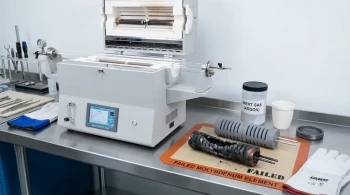
Why Your High-Temperature Furnace Failed—And How to Prevent It From Happening Again
Discover the hidden reason behind premature furnace failure. It's not poor quality, but a critical chemistry mismatch. Learn how to choose the right furnace.
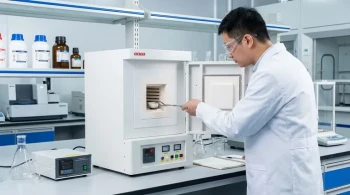
Why Your High-Temperature Experiments Fail: It's Not the Heat, It's the Furnace
Struggling with inconsistent results from ashing or material testing? Discover the hidden cause of sample contamination and how the right furnace design is key.
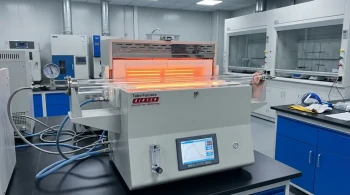
The Clockwork of Cooling: Why Inert Gas is the Unsung Hero of High-Temperature Furnaces
Discover how inert gas transforms furnace cooling from a passive wait into a precise, active process, mastering heat transfer to define material properties.
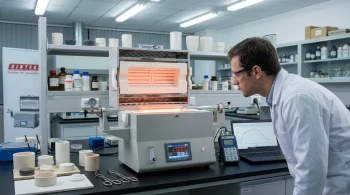
Why Your High-Temperature Furnace Fails—And How to Choose the Right One
Is your high-temp furnace causing delays and costly repairs? Learn why focusing on workflow, not just temperature, is the key to choosing the right one.
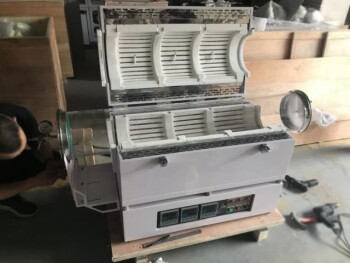
The Secrets To tube furnace
Tube furnaces are a type of electric furnace that are commonly used in laboratories and research settings for conducting syntheses, purifications, and other types of chemical reactions or processes.
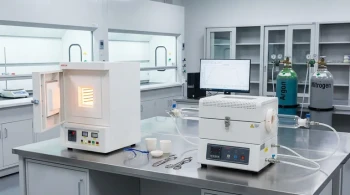
The Geometry of Control: Why Shape Dictates Chemistry in High-Temp Labs
The difference between muffle and tube furnaces isn't just heat—it's geometry. Learn how chamber shape dictates atmosphere, purity, and experimental success.
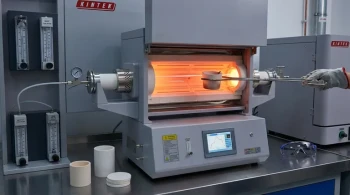
The Perfect Inferno: Mastering Heat Within a Tube Furnace
Explore the physics of tube furnaces, from Joule heating to the psychological discipline required for precise thermal control in materials science.
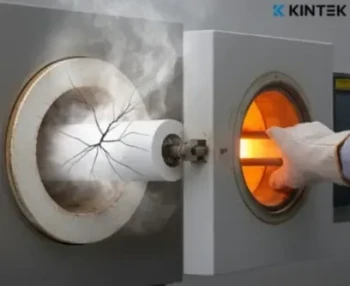
From Crack to Complete: A Scientist's Guide to Eliminating Catastrophic Tube Furnace Failures
Prevent costly tube furnace bursts. Learn the key causes like thermal shock and material incompatibility, and discover the right strategy to ensure safety and data integrity.
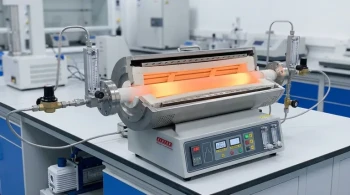
Beyond Temperature: Mastering the Invisible Environment Inside a Tube Furnace
A tube furnace excels not by merely getting hot, but by providing absolute control over the atmospheric environment, a crucial factor for advanced materials.
The Architecture of Heat: Choosing Between Control and Capacity
Deciding between a tube furnace and a muffle furnace isn't about temperature—it's about atmosphere. Discover the engineering trade-offs between vacuum precision and volume.
The Illusion of Maximum Temperature: Mastery in Thermal Uniformity
Maximum temperature is often a vanity metric. True scientific precision lies in the uniform zone. Explore the physics of tube furnaces and how to select for repeatability.