Toggle Categories
Get Instant Support
Choose your preferred way to connect with our team
Response Time
Within 8 hours on working days, 24 hours on holidays
Sample Preparation
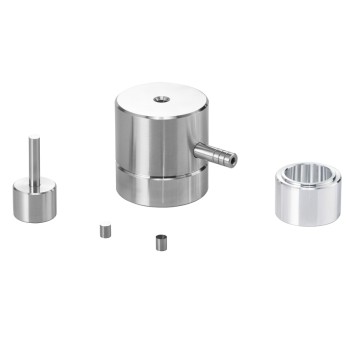
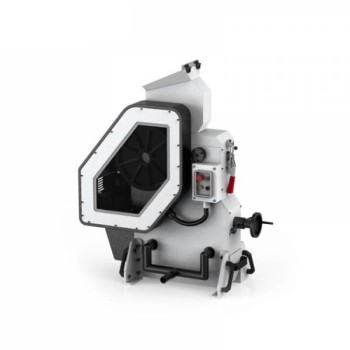
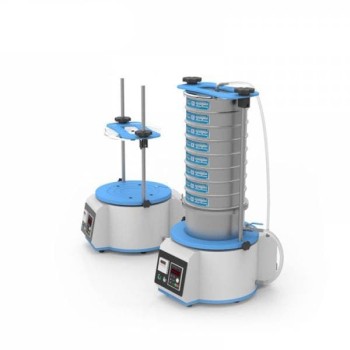
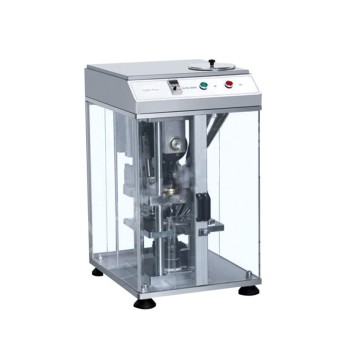
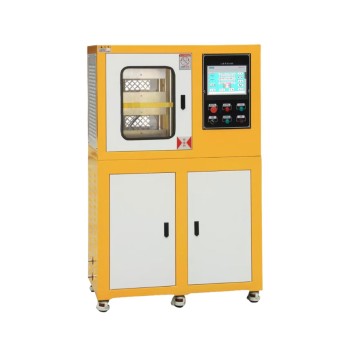
KinTek sample preparation equipment includes sample crushing,milling, as while as while sieving equipment, hydraulic press equipment includes manual press, electric press, isostatic press, hot press and press filtering machine.





Thermal Equipment
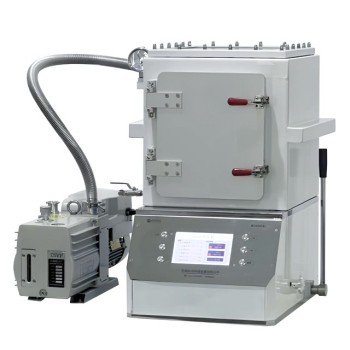
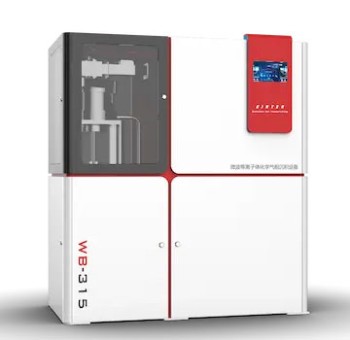
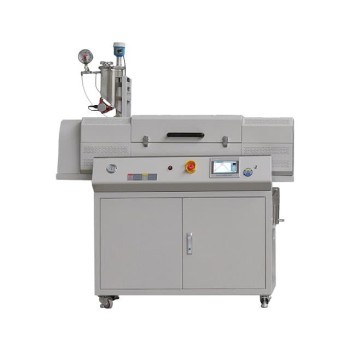
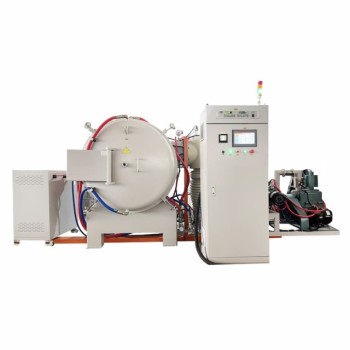
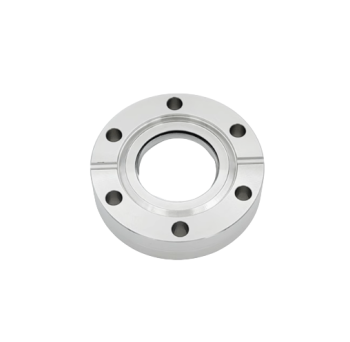
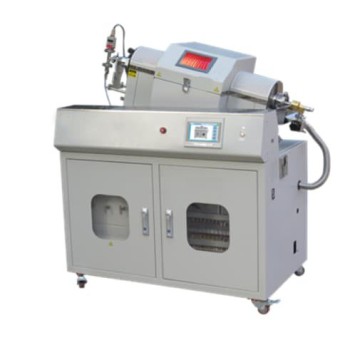
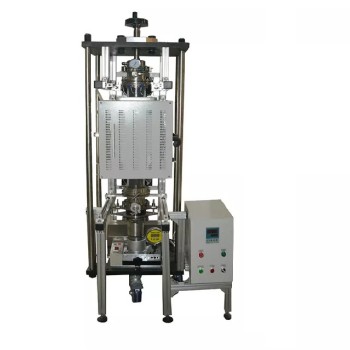
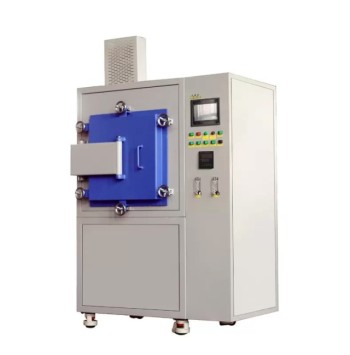
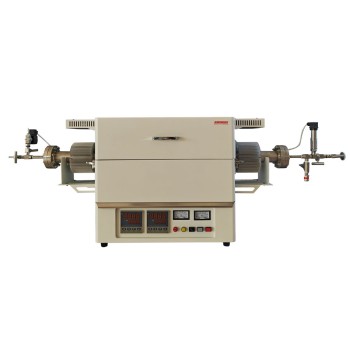
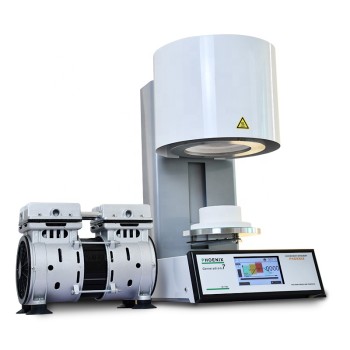
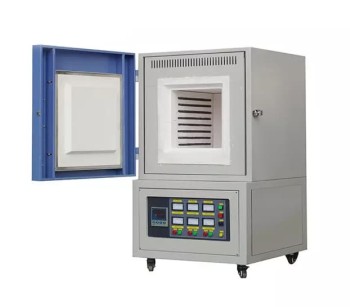
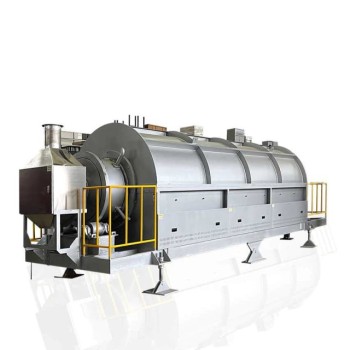
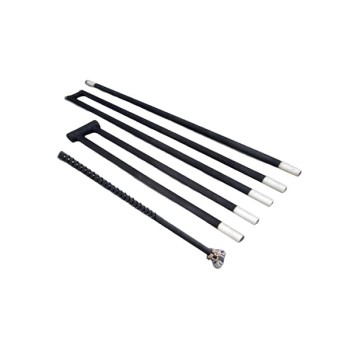
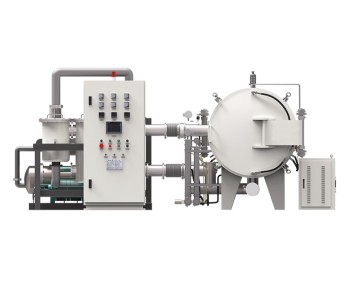
KinTek supplies a broad range of high-temperature furnaces, including lab, pilot production, and industrial production furnaces, with a temperature range of up to 3000 ℃. One of KinTek's advantages is the ability to create custom-made furnaces tailored to specific functions, such as different heating methods and speeds, extra high and dynamic vacuums, controlled atmospheres and gas circuits, automated mechanical structures, and software and hardware development.
Lab Consumables & Materials
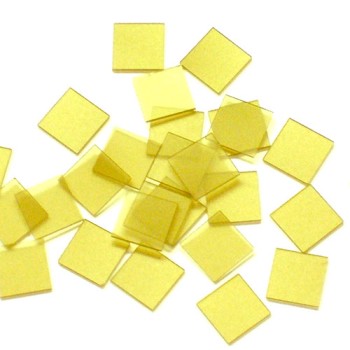
KinTek offers a range of lab consumables and materials, including evaporation materials, targets, metals, electrochemistry parts, as well as powders, pellets, wires, strips, foils, plates, and more.


Bio-Chem Equipment
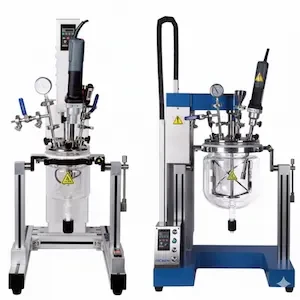
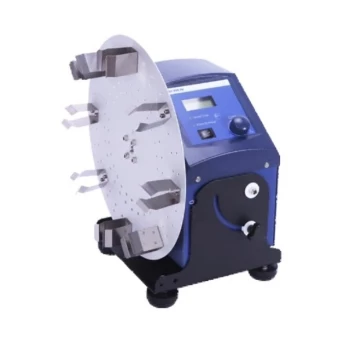
KinTek bio-chem equipment comprises rotary evaporators, glass and stainless steel reactors, distillation systems, circulating heaters and chillers, as well as vacuum equipment.




Products
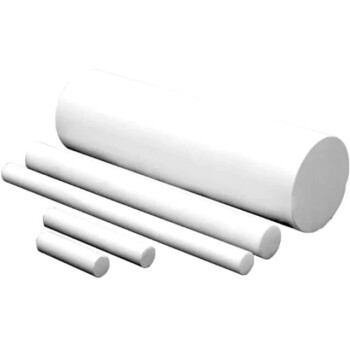
Boron Nitride (BN) Ceramic Rod for High Temperature Applications
Item Number: KM-D4
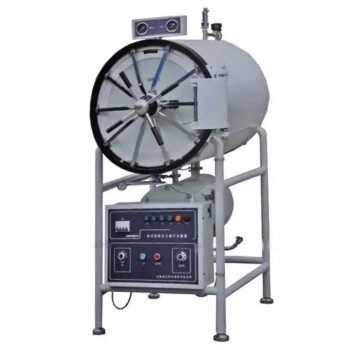
Laboratory High Pressure Horizontal Autoclave Steam Sterilizer for Lab Use
Item Number: KT-P01

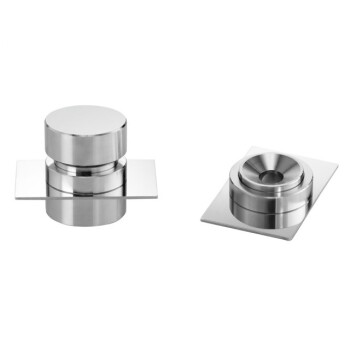
No Demolding Lab Infrared Press Mold for Laboratory Applications
Item Number: PMI
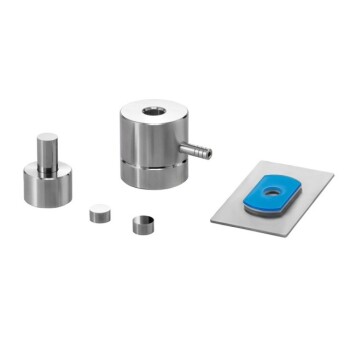
Lab Infrared Press Mold
Item Number: PMID














Laboratory Rotary Vane Vacuum Pump for Lab Use
Item Number: VRD
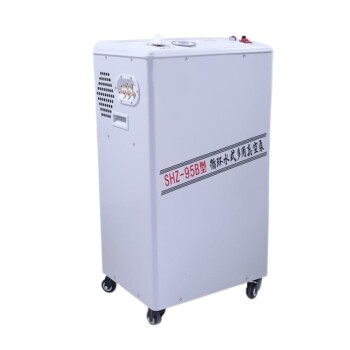
Laboratory Vertical Water Circulating Vacuum Pump for Lab Use
Item Number: KV-1
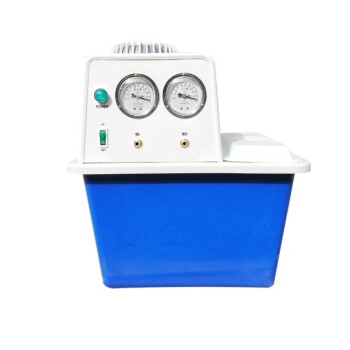
Laboratory Benchtop Water Circulating Vacuum Pump for Lab Use
Item Number: KV-2

Laboratory Ball Mill Jar Mill with Metal Alloy Grinding Jar and Balls
Item Number: GJ-1

Laboratory Jar Ball Mill with Alumina Zirconia Grinding Jar and Balls
Item Number: AG-2
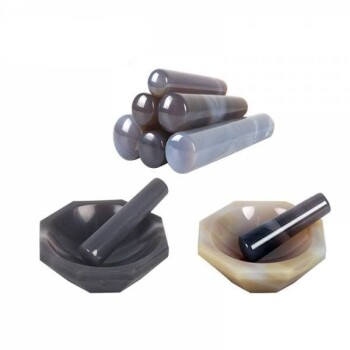
Nature Agate Mortar and Pestle for Grinding and Mixing
Item Number: AM-1

Laboratory Jar Mill with Agate Grinding Jar and Balls
Item Number: AG-1


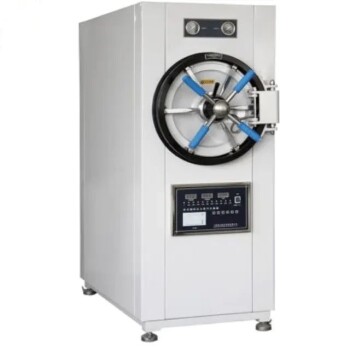
Laboratory Horizontal Autoclave Steam Sterilizer Lab Microcomputer Sterilizer
Item Number: KT-C06

Lab Electrochemical Workstation Potentiostat for Laboratory Use
Item Number: KT-CHIP
REQUEST A QUOTE
Our professional team will reply to you within one business day. Please feel free to contact us!
Related Articles

Why Your Lab-Scale Bonding Fails: The Hidden Physics of Heat and Pressure
Struggling with delamination or voids in your laminates and composites? Discover the root cause and how to finally achieve perfect, repeatable results.
Beyond the Furnace: How Pressure Unlocks Ultimate Ceramic Performance
Hot pressing combines heat and pressure to overcome the limits of traditional sintering, creating near-perfectly dense ceramics with superior strength.
The Unseen Dance of Heat and Pressure: Mastering Material Transformation
Explore the physics of hot pressing, where controlled heat and pressure transform materials. Learn how this technology solves key manufacturing challenges.
Beyond the Furnace: How Hot Pressing Unlocks Near-Perfect Material Density
Explore how hot pressing combines heat and pressure to overcome traditional sintering, achieving superior density and strength in advanced materials.
Beyond the Datasheet: Mastering the Physics and Psychology of Hot Pressing
Hot pressing success isn't about universal numbers, but mastering the interplay of material properties, process goals, and precision equipment.
Hot Pressing Polymers: The Deliberate Pursuit of Flawless Material Integrity
Explore the hot pressing process for polymers—a method prioritizing material integrity over speed to eliminate internal defects for critical applications.
Beyond Sintering: The Brutal Elegance of Hot Pressing
Explore how hot pressing forges ultra-dense materials by conquering porosity, creating components with superior strength and wear resistance.
Strength vs. Complexity: The Hidden Reason Your Critical Metal Parts Are Failing
Stop guessing why your high-strength metal parts fail. Discover the root cause in your manufacturing process and how hot press forging provides the definitive solution.
More Than Heat and Pressure: Why Your Material Bonding Fails and How to Fix It
Struggling with inconsistent results from your hot press? Discover why the root cause isn't your process but a lack of precision, and how to solve it.
The Pressure to Be Perfect: A Guide to Hot Pressing Materials
Hot pressing methods forge dense materials, but choosing between Uniaxial, HIP, and SPS involves critical trade-offs in cost, uniformity, and speed.
Taming the Void: The Art and Science of Hot Press Moulding
Explore how hot press moulding uses heat and pressure to eliminate microscopic voids, achieving superior density and strength in advanced materials.
Beyond Brute Force: The Controlled Physics of Perfect Material Bonding
A hot press isn't just a heater and a press. It's a system where controlled heat and force unite for flawless, repeatable material bonding.
Beyond the Press: The Art and Science of Shaping Materials with Heat and Pressure
Hot press molding uses heat and pressure to shape materials. Understanding its key variations—molding, laminating, and HIP—is key to innovation.
Density at Any Cost: The Beautiful, Flawed Process of Hot Pressing
Hot pressing delivers unmatched material density, but its high costs, slow speed, and hidden inconsistencies create a complex trade-off for engineers.
Forging Under Pressure: How Simultaneous Heat and Force Create Elite Materials
Hot pressing achieves near-theoretical density by applying heat and pressure simultaneously, overcoming the limitations of sequential sintering methods.
The Art of Control: Why Precision Hot Pressing is More Than Just Heat and Pressure
Discover how precise control over heat and pressure in hot pressing technology enables material innovation, from electronics to advanced composites.
The Geometry of Force: Why Pressure Isn't Just Pressure in Material Science
Uniaxial hot pressing offers speed for simple shapes, while isostatic pressing provides ultimate uniformity for complex, high-performance parts.
The Pursuit of Perfection: Why the Last 1% of Density Changes Everything
Hot pressing eliminates porosity, but the choice between uniaxial and isostatic methods dictates a component's ultimate reliability and performance.
Mastering Material Transformation: The Physics and Psychology of the Hot Press
Discover how hot press molding balances temperature, pressure, and time to achieve perfect material consolidation and eliminate manufacturing uncertainty.
Beyond Adhesion: The Molecular Difference Between Hot and Cold Pressing
Hot pressing isn't just gluing with heat; it's thermal fusion. Discover how it creates superior material density and strength over cold pressing.