Toggle Categories
Get Instant Support
Choose your preferred way to connect with our team
Response Time
Within 8 hours on working days, 24 hours on holidays
Thermal Equipment
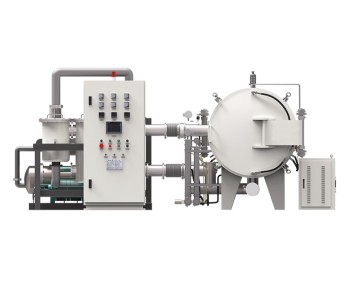
KinTek supplies a broad range of high-temperature furnaces, including lab, pilot production, and industrial production furnaces, with a temperature range of up to 3000 ℃. One of KinTek's advantages is the ability to create custom-made furnaces tailored to specific functions, such as different heating methods and speeds, extra high and dynamic vacuums, controlled atmospheres and gas circuits, automated mechanical structures, and software and hardware development.
Thermal Equipment

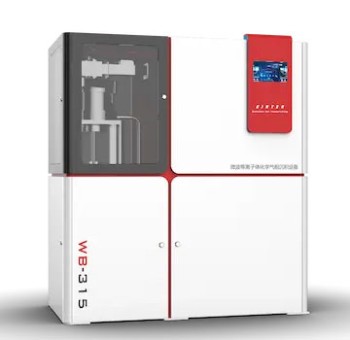
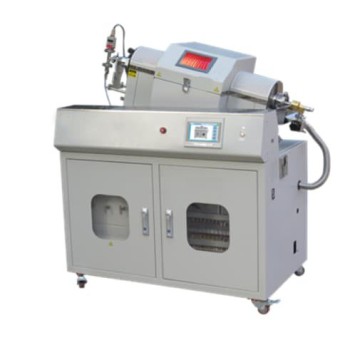
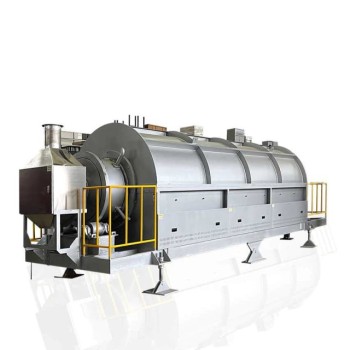
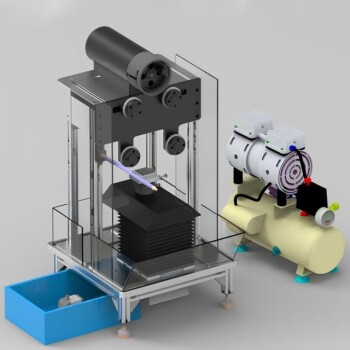
HFCVD Machine System Equipment for Drawing Die Nano-Diamond Coating
Item Number: MP-CVD-100

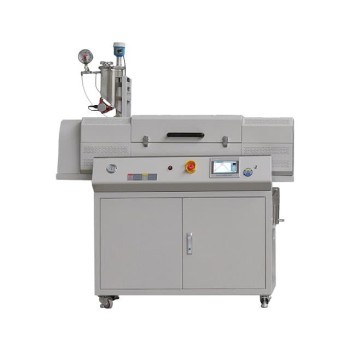
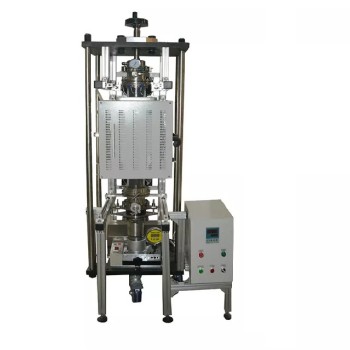
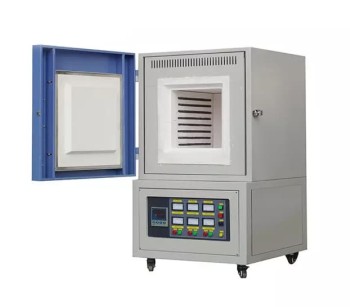
Laboratory Muffle Oven Furnace Bottom Lifting Muffle Furnace
Item Number: KT-BL
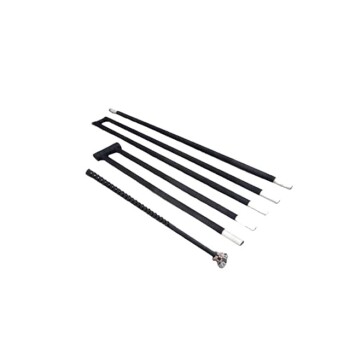
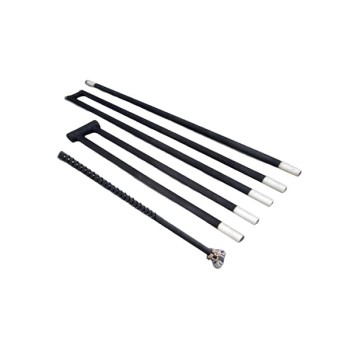
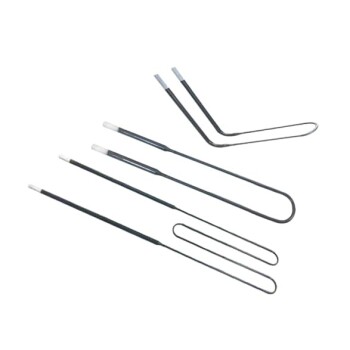
Silicon Carbide SiC Thermal Heating Elements for Electric Furnace
Item Number: KT-SH

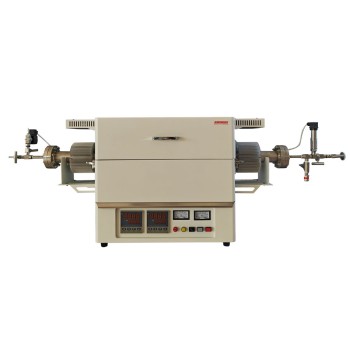
1200℃ Muffle Furnace Oven for Laboratory
Item Number: KT-12M

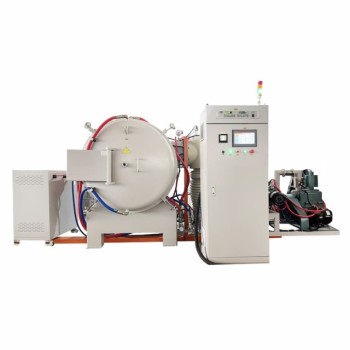
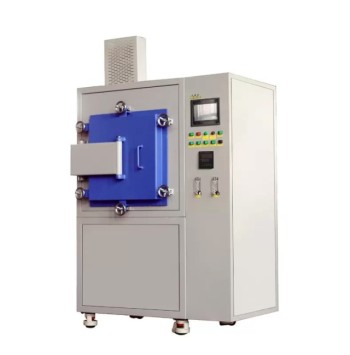
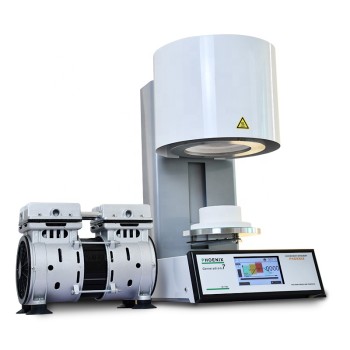
Vacuum Dental Porcelain Sintering Furnace
Item Number: KT-DV10

1400℃ Muffle Oven Furnace for Laboratory
Item Number: KT-14M

1700℃ Muffle Oven Furnace for Laboratory
Item Number: KT-17M

1800℃ Muffle Oven Furnace for Laboratory
Item Number: KT-18M

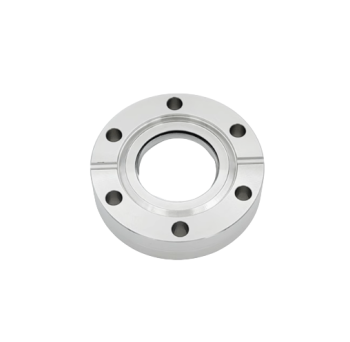
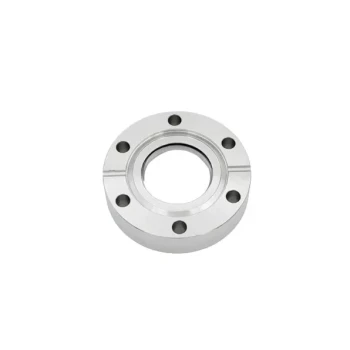
KF ISO Stainless Steel Vacuum Flange Blind Plate for High Vacuum Systems
Item Number: KT-VA12
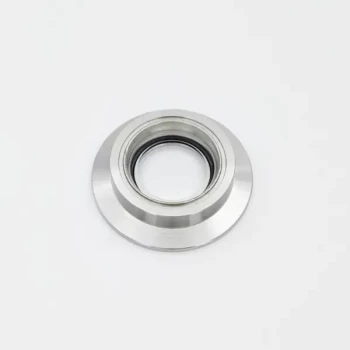
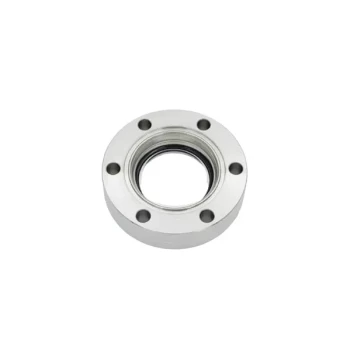



Stainless Steel Quick Release Vacuum Chain Three-Section Clamp
Item Number: KT-VA06

KF/ISO/CF Ultra-High Vacuum Stainless Steel Flange Pipe/Straight Pipe/Tee/Cross
Item Number: KT-VA07

CF KF Flange Vacuum Electrode Feedthrough Lead Sealing Assembly for Vacuum Systems
Item Number: KT-VA08


304 316 Stainless Steel Vacuum Ball Valve Stop Valve for High Vacuum Systems
Item Number: KT-VA11
REQUEST A QUOTE
Our professional team will reply to you within one business day. Please feel free to contact us!
Related Articles
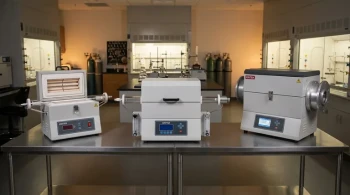
The First Principle of Heat: Choosing a Tube Furnace Beyond the Spec Sheet
Choosing a tube furnace isn't about max specs. It's aligning four core parameters—temperature, tube, atmosphere, and zones—with your process.
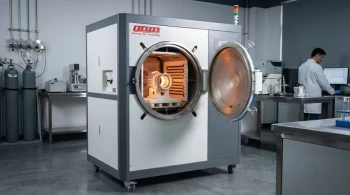
Beyond Heat: The Physics and Psychology of Process Control in a Vacuum Furnace
A vacuum furnace isn't just a heater; it's a control system. Discover how removing the atmosphere provides ultimate control over material purity and integrity.
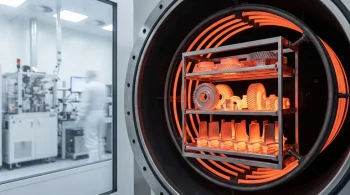
The Tyranny of the Atmosphere: How Vacuum Furnaces Achieve Material Perfection
Vacuum furnaces aren't just for heating; they create a controlled void to eliminate oxidation, ensuring unparalleled material purity and repeatability.
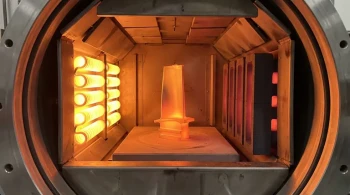
Beyond Temperature: The Critical Trade-offs in Vacuum Furnace Heating Elements
Choosing a vacuum furnace heating element involves balancing temperature, chemical purity, and cost. This guide explores the critical engineering trade-offs.
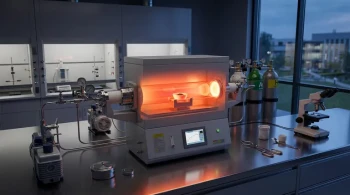
Beyond Heat: Why a Controlled Atmosphere is the Soul of Material Science
A tube furnace's true power lies not just in heat, but in its ability to create a pure, controlled atmosphere for advanced material processing.
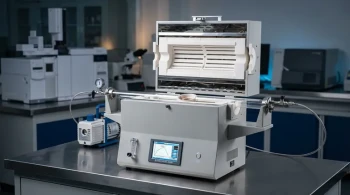
Mastering the Void: Why Control, Not Just Heat, Defines the Modern Tube Furnace
Discover how a tube furnace's design reflects a balance of precision, control, and compromise, and learn how to select the right tool for your lab.
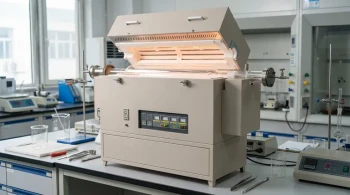
The Geometry of Heat: How a Tube Furnace's Architecture Defines Your Results
Choosing a tube furnace isn't about max temp, but matching its physical architecture—split vs. solid, single vs. multi-zone—to your process needs.
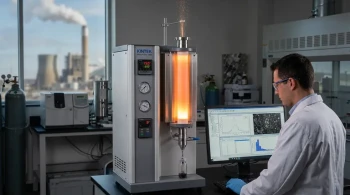
From Kilotons to Microns: The Crucial Role of the Drop Tube Furnace
Discover how drop tube furnaces provide particle-level data to model and optimize massive industrial reactors for combustion and gasification.
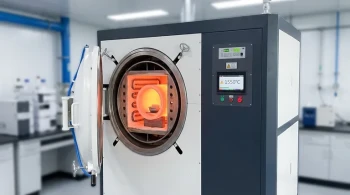
The Weakest Link: Why Your Furnace's True Max Temperature Isn't on the Spec Sheet
The practical max temperature of a vacuum furnace is set by its work tube, not the heating element. Understand the system's weakest link.
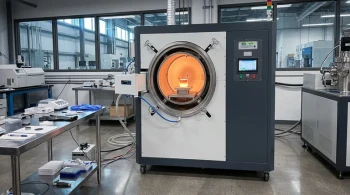
Beyond the Void: Mastering Pressure in High-Temperature Processes
Learn why pressure in a vacuum furnace isn't about emptiness, but precise environmental control to prevent contamination and ensure process success.
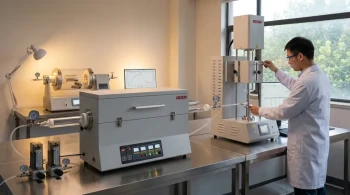
The Geometry of Precision: Why Furnace Orientation Dictates Experimental Success
Choosing a tube furnace isn't just about temperature. Its orientation—horizontal, vertical, or rotary—is a critical decision for your process.
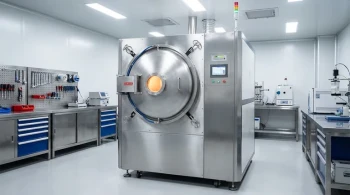
The Tyranny of the Atmosphere: Why Vacuum Furnaces Are About Control, Not Just Heat
Vacuum furnaces solve atmospheric contamination in heat treatment, ensuring material purity and superior mechanical properties for critical components.
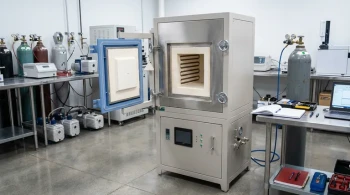
The Pursuit of Emptiness: A Systematic Guide to Vacuum Furnace Integrity
Learn to systematically test vacuum furnace leaks, from rate-of-rise confirmation to helium detection, ensuring process integrity and repeatability.
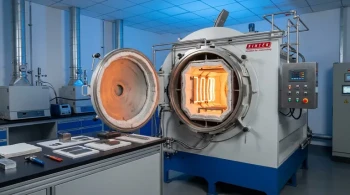
Designing for Emptiness: The Physics of Material Choice in Vacuum Furnaces
In a vacuum furnace, the greatest threat isn't heat but contamination from the furnace itself. Understanding material vapor pressure is key.
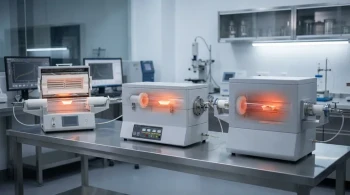
The Geometry of Control: Why the Tube Furnace Is More Than Just a Heater
Discover why a tube furnace's true power isn't just high heat, but its ability to create a perfectly uniform and controlled atmospheric environment.
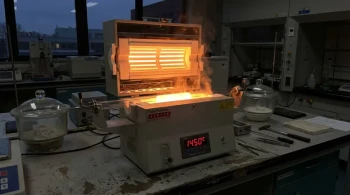
The Material Science of Limits: Navigating the 1450°C Trap in Tube Furnaces
Operating a tube furnace at its 1450°C limit makes its core a consumable, raising costs and risking failure. Understand the engineering trade-offs.
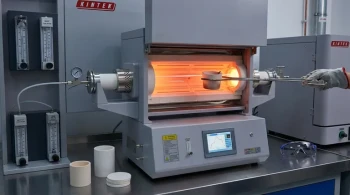
The Perfect Inferno: Mastering Heat Within a Tube Furnace
Explore the physics of tube furnaces, from Joule heating to the psychological discipline required for precise thermal control in materials science.
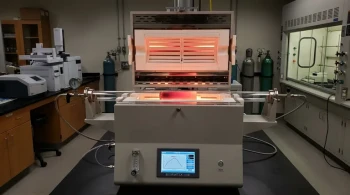
More Than Heat: The Controlled Universe of the Modern Tube Furnace
Discover why the tube furnace's true power isn't high heat, but its ability to create a controlled atmospheric environment for advanced materials.
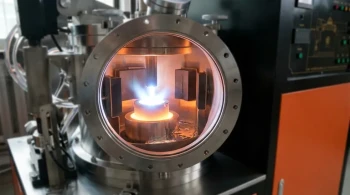
The Physics of Purity: Why Heating in a Vacuum Unlocks Material Potential
Discover how vacuum furnaces work by removing reactive gases, enabling pure, oxidation-free heat treatment via thermal radiation for advanced materials.
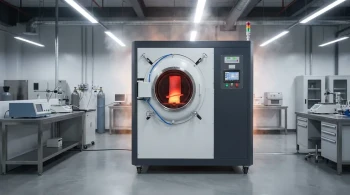
Beyond Heat: How Removing Air Redefines Material Perfection
Vacuum furnaces do more than heat materials; they purify them. By removing air, they prevent oxidation and enable superior material properties.