Toggle Categories
Get Instant Support
Choose your preferred way to connect with our team
Response Time
Within 8 hours on working days, 24 hours on holidays
Thermal Equipment
KinTek supplies a broad range of high-temperature furnaces, including lab, pilot production, and industrial production furnaces, with a temperature range of up to 3000 ℃. One of KinTek's advantages is the ability to create custom-made furnaces tailored to specific functions, such as different heating methods and speeds, extra high and dynamic vacuums, controlled atmospheres and gas circuits, automated mechanical structures, and software and hardware development.
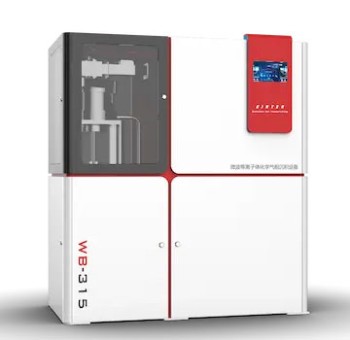
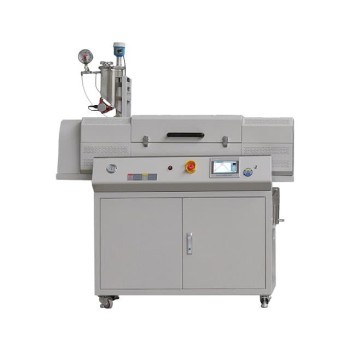
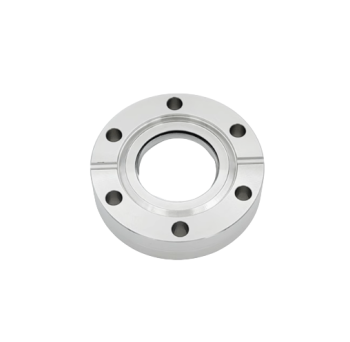
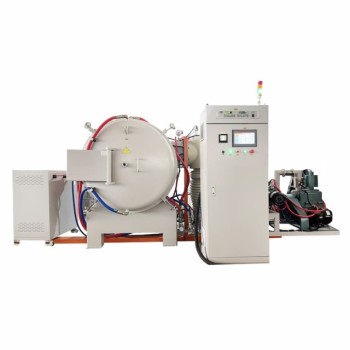
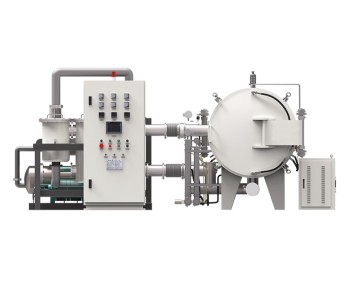
Thermal Equipment

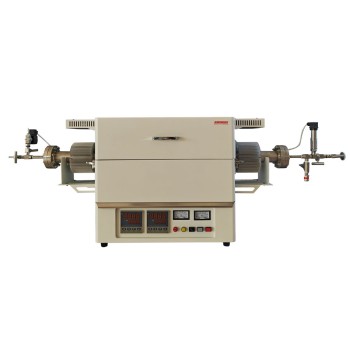
1200℃ Split Tube Furnace with Quartz Tube Laboratory Tubular Furnace
Item Number: KT-TF12


1700℃ Laboratory High Temperature Tube Furnace with Alumina Tube
Item Number: KT-TF17

1400℃ Laboratory High Temperature Tube Furnace with Alumina Tube
Item Number: KT-TF14

Ultra-High Temperature Graphite Vacuum Graphitization Furnace
Item Number: GF-09

1400℃ Controlled Atmosphere Furnace with Nitrogen and Inert Atmosphere
Item Number: KT-14A

1700℃ Controlled Atmosphere Furnace Nitrogen Inert Atmosphere Furnace
Item Number: KT-17A

Controlled Nitrogen Inert Hydrogen Atmosphere Furnace
Item Number: KT-16AH

Mesh belt controlled atmosphere furnace
Item Number: KT-MB

Graphite Vacuum Furnace IGBT Experimental Graphitization Furnace
Item Number: GF-02

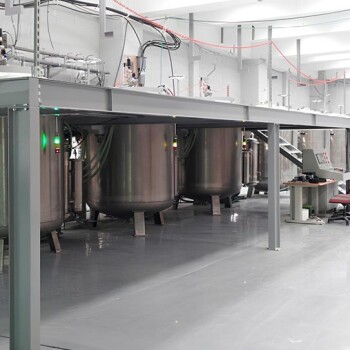
Graphite Vacuum Furnace Negative Material Graphitization Furnace
Item Number: GF-04

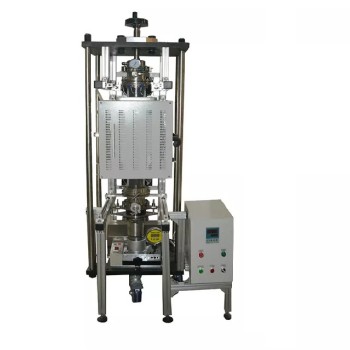
Vertical High Temperature Graphite Vacuum Graphitization Furnace
Item Number: GF-05


Graphite Vacuum Continuous Graphitization Furnace
Item Number: GF-07

Large Vertical Graphite Vacuum Graphitization Furnace
Item Number: GF-08

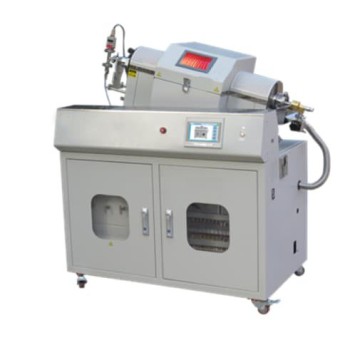
Laboratory Vacuum Tilt Rotary Tube Furnace Rotating Tube Furnace
Item Number: KT-RTF
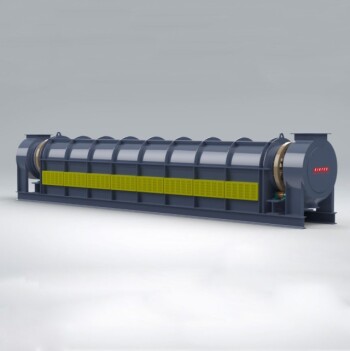

1200℃ Controlled Atmosphere Furnace Nitrogen Inert Atmosphere Furnace
Item Number: KT-12A

Non Consumable Vacuum Arc Induction Melting Furnace
Item Number: KT-VAN

Vacuum Arc Induction Melting Furnace
Item Number: KT-VA
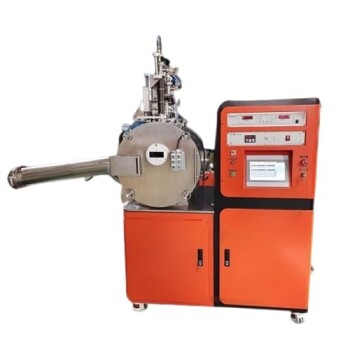
Vacuum Induction Melting Spinning System Arc Melting Furnace
Item Number: KT-VIS

Vacuum Heat Treat Furnace and Levitation Induction Melting Furnace
Item Number: KT-VIL

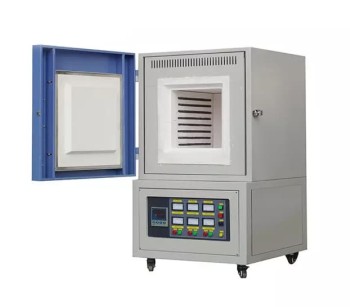
Laboratory Muffle Oven Furnace Bottom Lifting Muffle Furnace
Item Number: KT-BL

Vacuum Heat Treat Sintering Brazing Furnace
Item Number: KT-BF

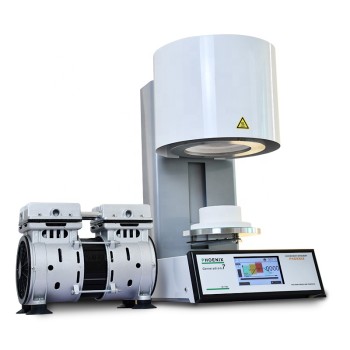
Dental Porcelain Zirconia Sintering Ceramic Vacuum Press Furnace
Item Number: KT-DP10



HFCVD Machine System Equipment for Drawing Die Nano-Diamond Coating
Item Number: MP-CVD-100

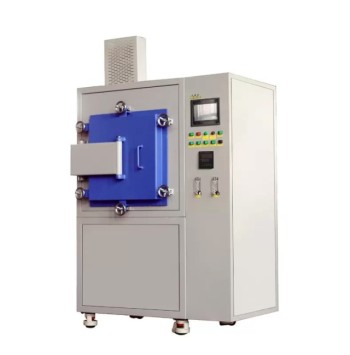
Vacuum Heat Treat Furnace with Ceramic Fiber Liner
Item Number: KT-VF
Edit This Page
REQUEST A QUOTE
Our professional team will reply to you within one business day. Please feel free to contact us!
Related Articles
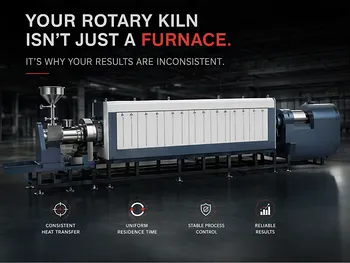
Your Rotary Kiln Isn't Just a Furnace. It's Why Your Results Are Inconsistent.
Stop blaming chemistry. Discover the overlooked mechanical reason your thermal processing results are unreliable and how to gain true process control.
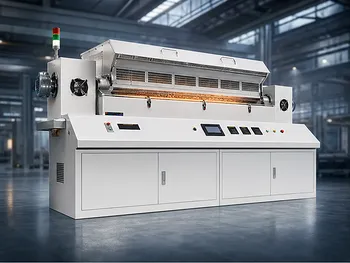
Beyond Max Temp: Why Your Powder Processing Fails and How a Rotary Furnace Fixes It
Struggling with inconsistent results from your furnace? Discover why max temperature isn't the key, and how the right heating method ensures process uniformity.
Scaling Your Lab's Production? Why a Giant Rotary Kiln Is Often the Wrong Answer.
Considering a rotary kiln for lab scale-up? Learn the hidden costs and operational burdens that make it the wrong tool for R&D and pilot production.
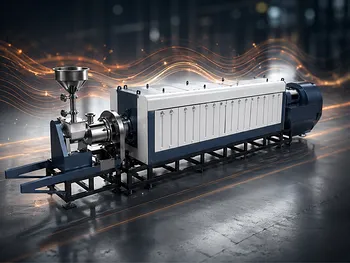
Why Your Rotary Kiln Results Are Inconsistent—And How to Fix It for Good
Struggling with unpredictable rotary kiln output? Discover why focusing on speed is the wrong approach and how mastering 'retention time' can unlock consistent quality.
Your Rotary Kiln Is Burning Your Budget. The Fix Is Simpler Than You Think.
Struggling with inconsistent rotary kiln results like clumping or incomplete reactions? Discover the root cause isn't just temperature, but RPM control. Learn how to fix it.
Your Rotary Kiln is Wasting Energy and Money. The Reason is Hiding in Plain Sight.
High fuel costs and inconsistent product from your rotary kiln? Discover the overlooked internal component that's the real key to thermal efficiency.
Why Your Rotary Kiln Keeps Failing—And Why a 'Quick Fix' Is the Most Expensive Solution
Frequent rotary kiln failures? Learn why common quick fixes lead to higher costs and discover the root cause: a mismatched refractory lining. A strategic approach can end the cycle.
Why Your Lab Rotary Kiln Delivers Inconsistent Results—And How to Fix It for Good
Struggling with unreliable results from your lab rotary kiln? Discover the hidden systemic reason your fixes fail and how an integrated system ensures stable, repeatable results.
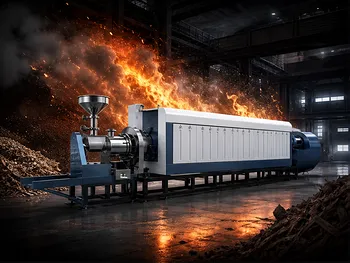
Why More Fuel Isn't Fixing Your Rotary Kiln—And What Will
Stop wasting money on fuel. Discover why your rotary kiln's real problem isn't heat generation, but inefficient heat transfer, and how to fix it.
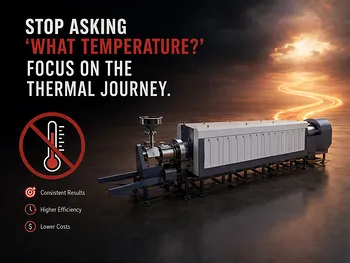
Stop Asking 'What Temperature?': The Real Key to Successful Rotary Kiln Processing
Frustrated with inconsistent kiln results? Discover why focusing on a single temperature is a mistake and how mastering the 'thermal journey' can save you time and money.

The Hidden Costs of a Rotary Kiln: Why Your 'Best' Option Might Be a Million-Dollar Mistake
Considering a rotary kiln incinerator? Before you invest, understand the hidden operational costs that brochures don't mention. Learn how to avoid a costly mistake.
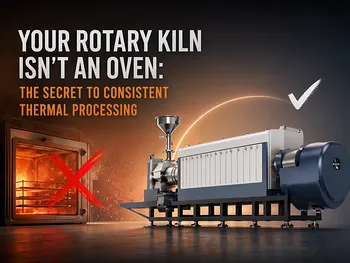
Your Rotary Kiln Isn't an Oven: The Secret to Consistent Thermal Processing
Stop getting inconsistent results. Learn why treating your rotary kiln like an oven is failing and how to master your thermal process for repeatable success.
Your Rotary Kiln Process is Failing. The Problem Isn't Temperature—It's Purity.
Frustrated by inconsistent rotary kiln results? Discover why the heating method, not just temperature, is the real key to process purity and success.
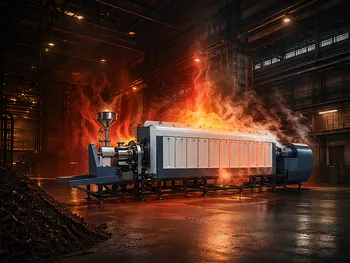
Your Rotary Kiln Is Inefficient. Here's the Counterintuitive Reason Why.
Struggling with high energy costs and low output from your rotary kiln? Discover the hidden inefficiency in your process and how to fix it for good.
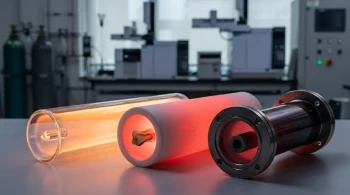
The Silent Partner: Why Your Furnace Tube Defines Your Experiment
Choosing a furnace tube isn't just about heat. It's a critical decision balancing physics, chemistry, and the risk of experimental failure.
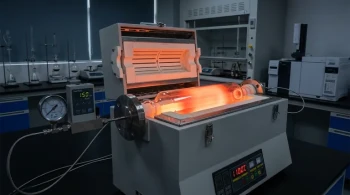
The Fragile Heart of Synthesis: Mastering the Physics of Tube Furnace Pressure
A tube furnace is not a pressure reactor. Exceeding its 0.2 bar limit risks catastrophic failure due to the physics of quartz and thermal shock.
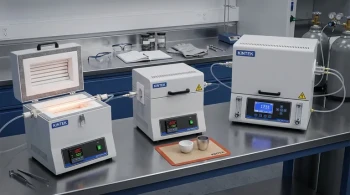
The Uniformity Trap: Why Your Tube Furnace's Most Important Spec Isn't Its Max Temperature
Maximum temperature is a misleading metric for furnaces. The key to repeatable results lies in understanding the uniform temperature zone.
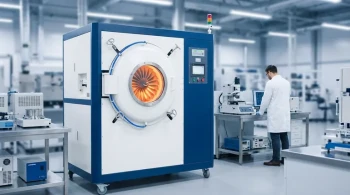
Beyond Heat: The Strategic Void in Advanced Material Processing
Learn how vacuum furnaces prevent oxidation and contamination by creating a controlled void, enabling the production of ultra-pure, high-performance materials.
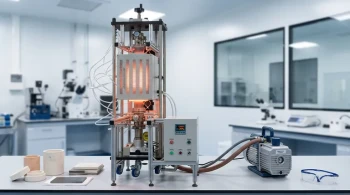
The Unforgiving Pursuit of Perfection: The Physics and Psychology of Hot Press Sintering
Hot press sintering trades speed and complexity for near-perfect density by combining heat and pressure—a critical choice for advanced materials.
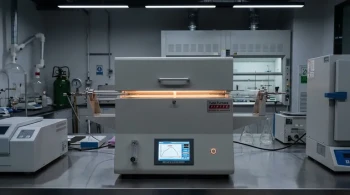
Beyond Heat: Why Thermal Uniformity is the Unsung Hero of Material Science
Discover how a tube furnace's elegant design—a synergy of geometry, insulation, and feedback loops—conquers thermal gradients for precise results.