Toggle Categories
Get Instant Support
Choose your preferred way to connect with our team
Response Time
Within 8 hours on working days, 24 hours on holidays
Lab Consumables & Materials
KinTek offers a range of lab consumables and materials, including evaporation materials, targets, metals, electrochemistry parts, as well as powders, pellets, wires, strips, foils, plates, and more.


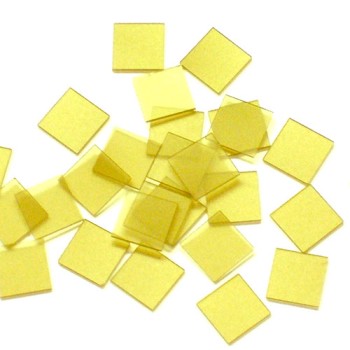
Lab Consumables & Materials
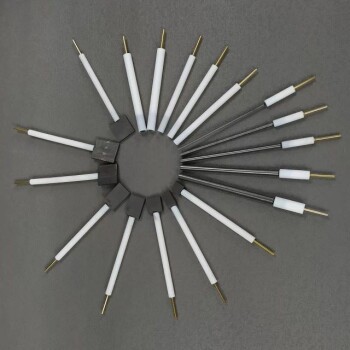

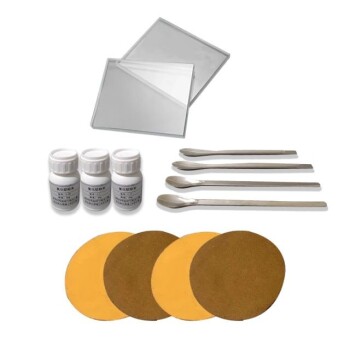
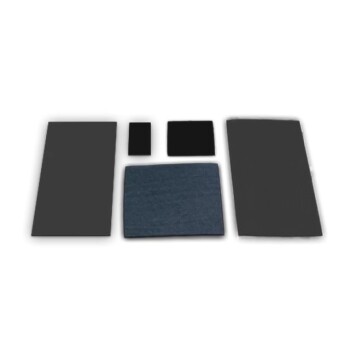
Conductive Carbon Cloth Carbon Paper Carbon Felt for Electrodes and Batteries
Item Number: ELCPF
$19.90
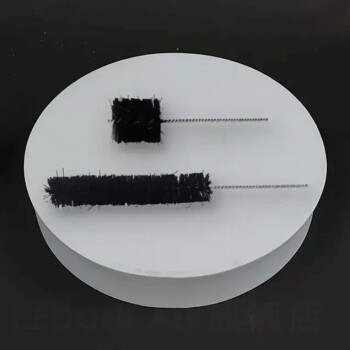
Conductive Carbon Fiber Brush for Static Removal and Cleaning
Item Number: ELBCF
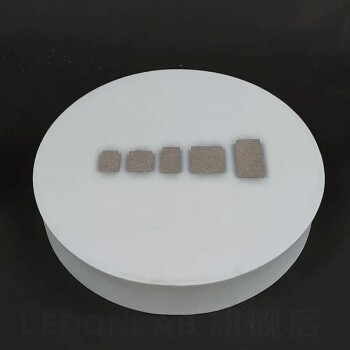
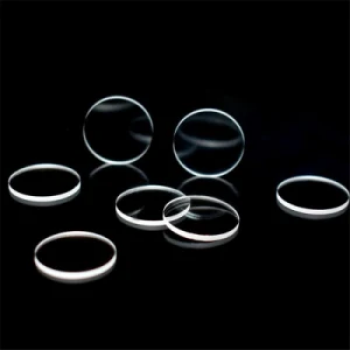
High Temperature Resistant Optical Quartz Glass Sheet
Item Number: KTOM-HTR
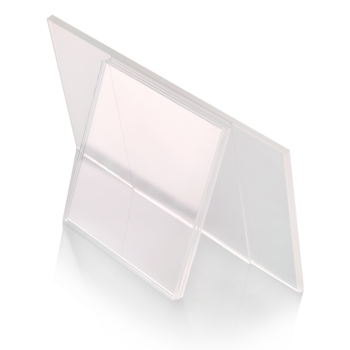
Optical Window Glass Substrate Wafer Quartz Plate JGS1 JGS2 JGS3
Item Number: KTOM-OQP
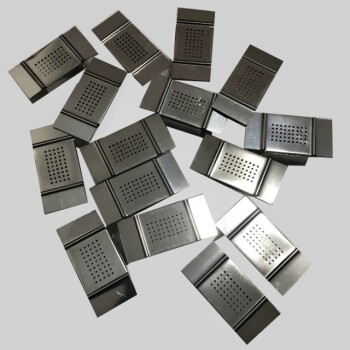
Folding Molybdenum Tantalum Boat With or Without Cover
Item Number: KME-ZDZ
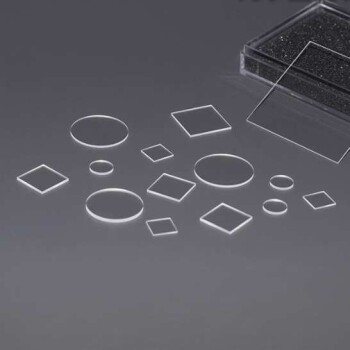
Infrared Transmission Coating Sapphire Sheet Substrate Window
Item Number: KTOM-ISS
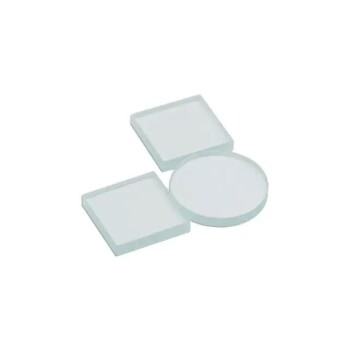
Float Soda-Lime Optical Glass for Laboratory Use
Item Number: KTOM-FSO
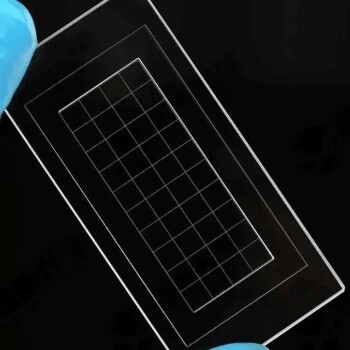
Zooplankton Plankton Counting Chamber for Plankton Eggs and Ascaris Eggs
Item Number: KTOM-PAE
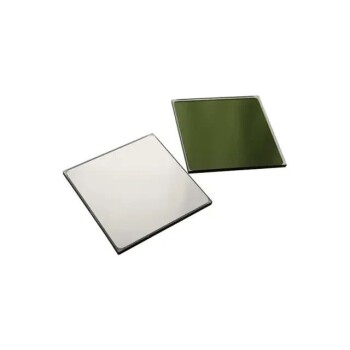
Optical Window Glass Substrate Wafer Single Double Sided Coated K9 Quartz Sheet
Item Number: KTOM-CGS
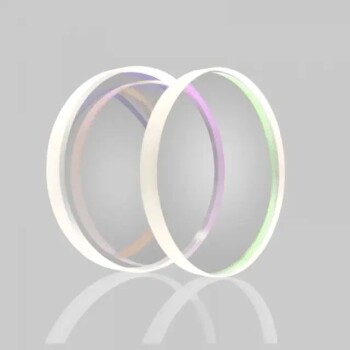
Optical Window Glass Substrate Wafer Barium Fluoride BaF2 Substrate Window
Item Number: KTOM-BFS
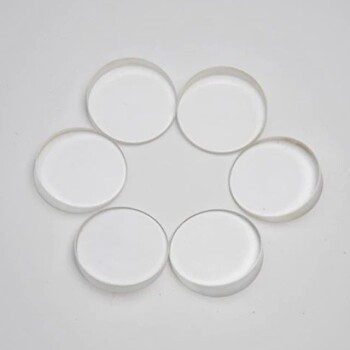
Optical Window Glass Substrate Wafer CaF2 Substrate Window Lens
Item Number: KTOM-CFW
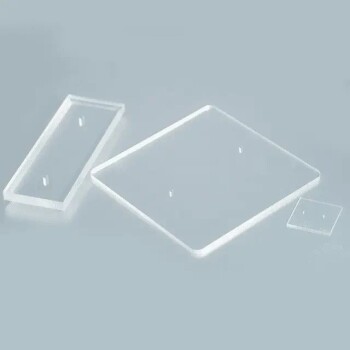
MgF2 Magnesium Fluoride Crystal Substrate Window for Optical Applications
Item Number: KTOM-MFS
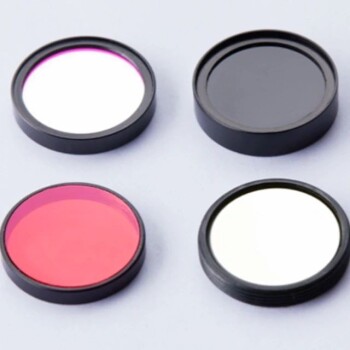
Narrow Band Pass Filters for Precision Applications
Item Number: KTOM-NBF
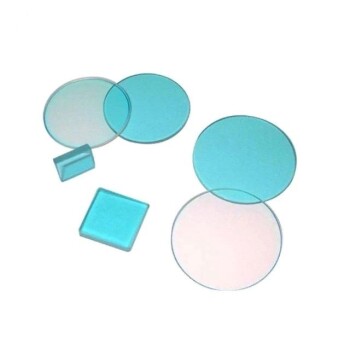
Longpass Highpass Filters for Optical Applications
Item Number: KTOM-LHF
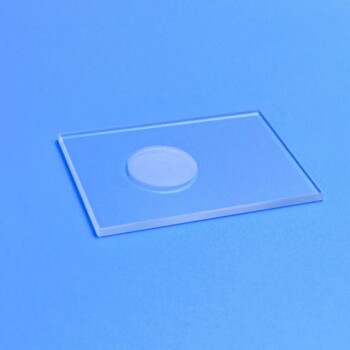
XRD Sample Holder X-ray Diffractometer Powder Slide
Item Number: KTOM-XRD

Shortpass Filters for Optical Applications
Item Number: KTOM-SLS
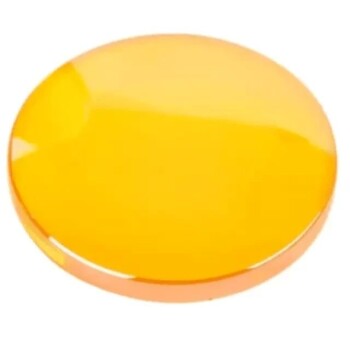
Zinc Selenide ZnSe Optical Window Glass Substrate Wafer and Lens
Item Number: KTOM-ZSW
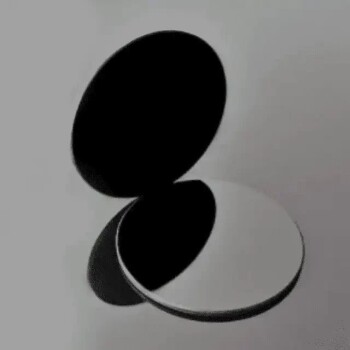
Infrared Thermal Imaging Temperature Measurement Double-Sided Coated Germanium Ge Lens
Item Number: KTOM-CGL
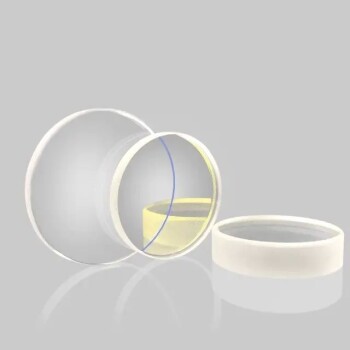
Optical Window Glass Substrate Wafer Sheets Zinc Sulfide ZnS Window
Item Number: KTOM-ZSS

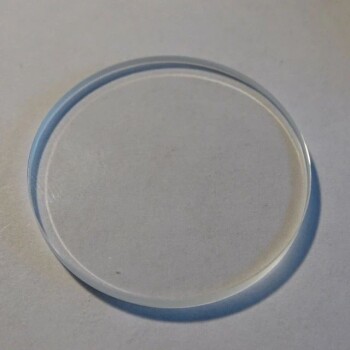
400-700nm Wavelength Anti Reflective AR Coating Glass
Item Number: KTOM-ARG
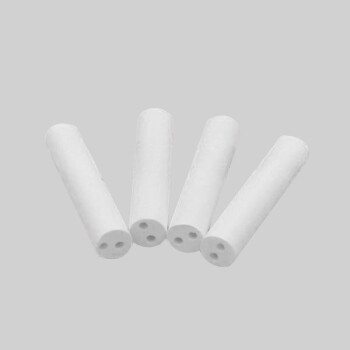
Hexagonal Boron Nitride HBN Thermocouple Protection Tube
Item Number: KM-D02

Boron Nitride (BN) Ceramic Tube
Item Number: KM-D5
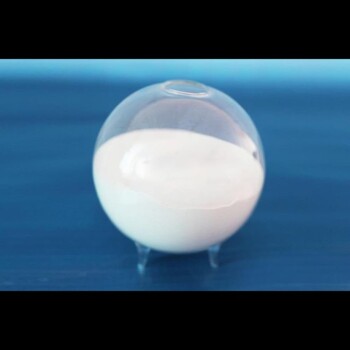
High Purity Alumina Granulated Powder for Engineering Advanced Fine Ceramics
Item Number: KM-P02
REQUEST A QUOTE
Our professional team will reply to you within one business day. Please feel free to contact us!
Related Articles
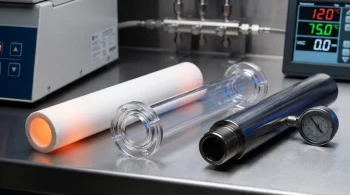
More Than a Vessel: The Physics and Psychology of Selecting a Furnace Tube
Choosing a furnace tube isn't a material spec; it's a strategic trade-off between temperature, purity, and pressure that defines your results.
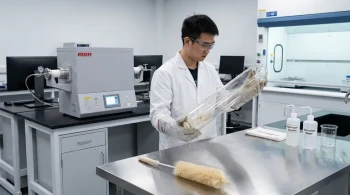
The Integrity of the Void: A Systems Approach to Cleaning Tube Furnace Tubes
Cleaning a furnace tube is a diagnostic process, not a checklist. Master thermal, chemical, & mechanical methods to ensure experimental purity.
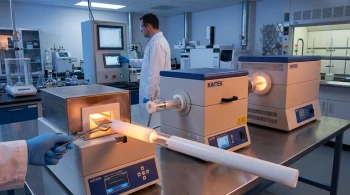
Beyond the Acid Wash: A Systems Approach to Alumina Tube Longevity
Discover why proactive care, not reactive cleaning, is key to your alumina tube furnace's life. It's about managing physics and psychology.
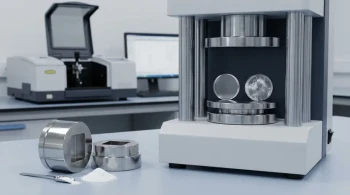
Why Your FTIR/XRF Results Are Inconsistent—And How to Fix It for Good
Stop blaming your spectrometer. Discover the hidden culprit behind inconsistent FTIR/XRF results and learn how to achieve perfect analytical data every time.
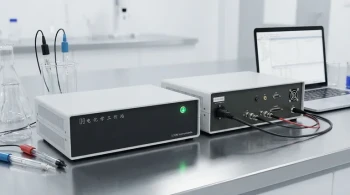
The Architecture of Certainty: Why Three Electrodes Are Better Than Two
Discover why the three-electrode system is the standard for electrochemical precision, separating current flow from voltage measurement for true analytical clarity.
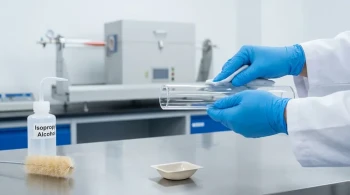
The Transparency Paradox: Mastering the Art of Quartz Tube Maintenance
In high-temperature furnaces, cleanliness is physics, not just aesthetics. Discover the systematic approach to cleaning quartz tubes and the critical role of prevention.
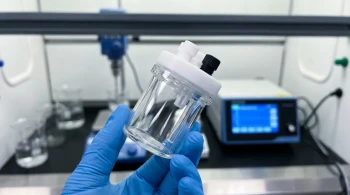
The Transparency Paradox: Mastering the Fragile Precision of All-Quartz Cells
Quartz cells offer unmatched optical purity but demand rigorous discipline. Learn the essential protocols for inspection, thermal management, and handling.
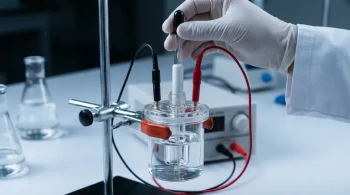
The Invisible Architecture of Accuracy: Mastering Electrode Installation
Master the lifecycle of electrode installation—from inspection to alignment and maintenance—to ensure safety and reproducibility in electrochemical experiments.
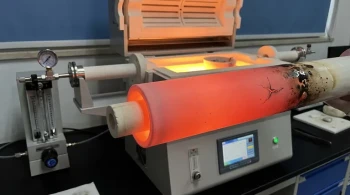
The Unseen Discipline: Mastering the Alumina Furnace Tube
Learn how proactive maintenance, not just reactive cleaning, prevents thermal shock and contamination to ensure the integrity of your lab results.
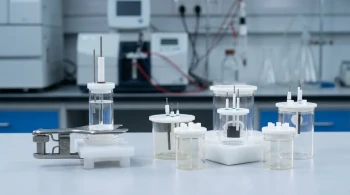
The Silent Vessel: Precision, Light, and the Case for All-Quartz Cells
In high-stakes electrochemistry, the container is a variable. Discover how all-quartz cells eliminate contamination and unlock the visible spectrum.
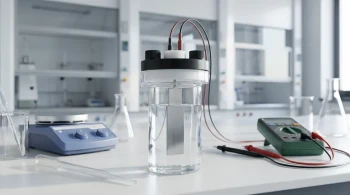
The Architecture of Silence: Why Material Choice Defines Electrochemical Truth
Explore how High Borosilicate Glass, PTFE, and POM create the perfect chemically inert environment for accurate electrochemical testing.
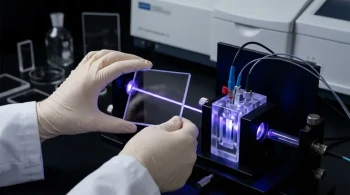
The Fidelity of Light: Preserving the Quartz Interface in Spectroelectrochemistry
The quartz window is the critical interface between your sample and your data. Learn why protecting it from oils, scratches, and solarization is vital for optical accuracy.
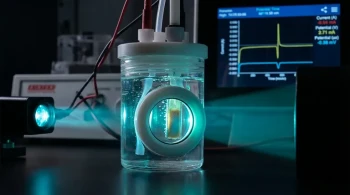
Escaping the Black Box: The Architecture of Insight in Electrochemistry
Unlock the correlation between visible phenomena and electrical data. A deep dive into the engineering and application of side-window optical electrolytic cells.
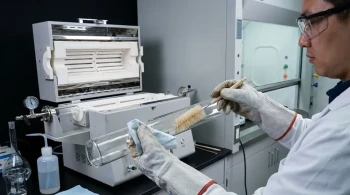
The Ritual of Clarity: A Systemic Approach to Cleaning Furnace Tubes
Cleaning a furnace tube isn't just maintenance; it's calibration. Learn the diagnostic process for quartz and alumina tubes to prevent contamination.
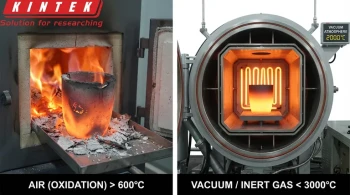
Why Your Graphite Components Keep Failing—And How to Stop It for Good
Graphite parts failing below their temp limit? We reveal the hidden cause (oxidation) and show you how to protect your experiments and budget.
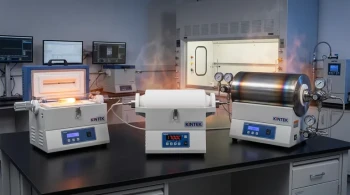
The Geometry of Heat: Why Your Furnace Tube Material Dictates Your Science
The material of your furnace tube isn't just a detail; it's a boundary condition for your physics. Discover how to balance Quartz, Alumina, and Alloys.
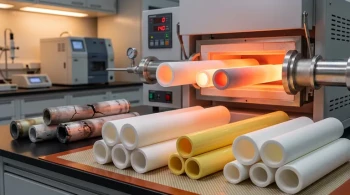
Why Your Furnace Components Keep Failing—And the Material Science Fix
Frustrated by costly furnace failures? Discover the root cause isn't bad luck, but a material science issue that the right ceramic tube can permanently solve.
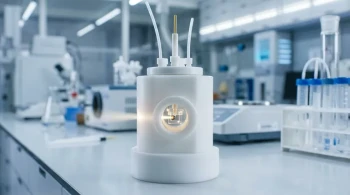
The Fragile Intersection: Mastering the Side-Window Optical Electrolytic Cell
Spectroelectrochemistry combines chemical, electrical, and optical hazards in a delicate vessel. Here is how to master the safety and precision of this complex system.
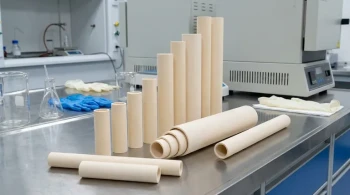
The Ceramic Paradox: Why the Best Way to Clean an Alumina Tube is Not to Clean It
Deep cleaning is often a symptom of process failure. Discover the engineering protocols to maintain alumina tubes, prevent thermal shock, and ensure longevity.
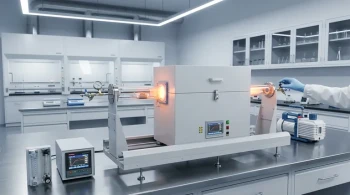
The Silent Vessel: Why the Material of Your Furnace Tube Defines Your Science
The tube furnace tube is not just a container; it is a boundary condition. Learn how choosing between ceramic, quartz, and metal defines your experimental limits.