Toggle Categories
Get Instant Support
Choose your preferred way to connect with our team
Response Time
Within 8 hours on working days, 24 hours on holidays
Sample Preparation
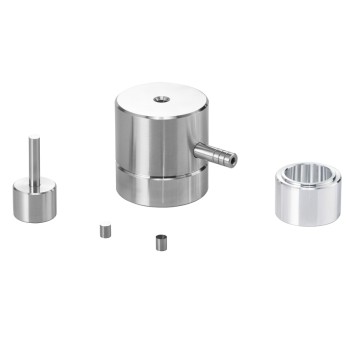
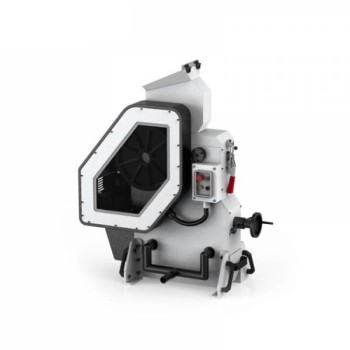
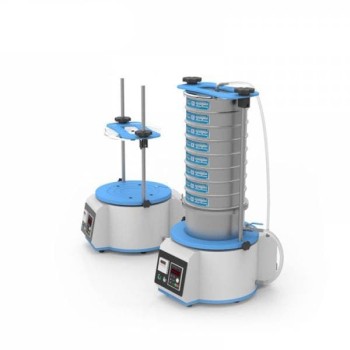
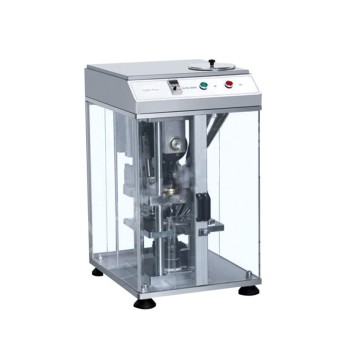
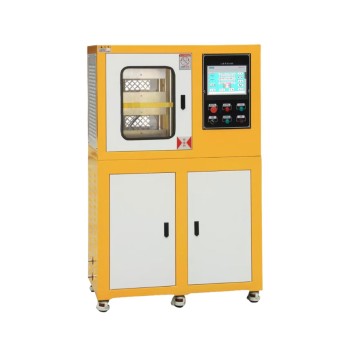
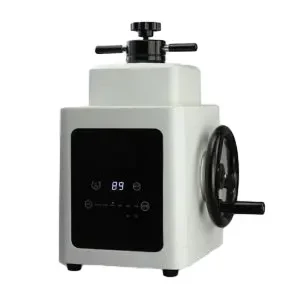
KinTek sample preparation equipment includes sample crushing,milling, as while as while sieving equipment, hydraulic press equipment includes manual press, electric press, isostatic press, hot press and press filtering machine.




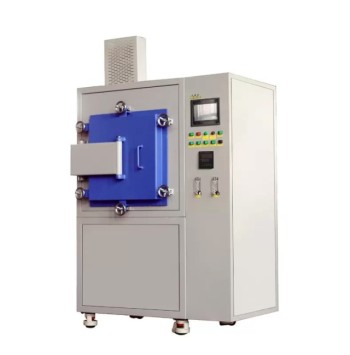
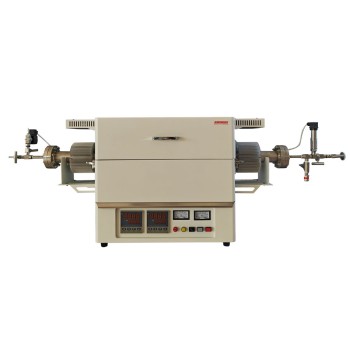
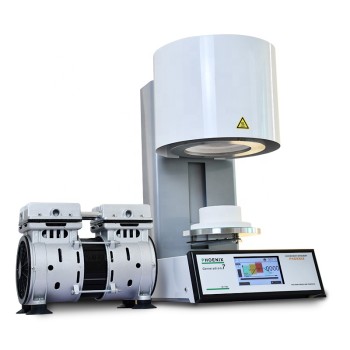
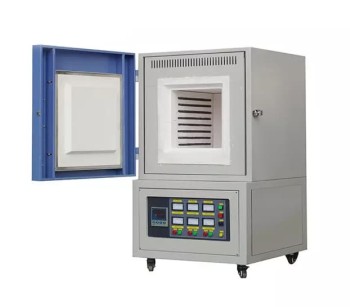
Thermal Equipment
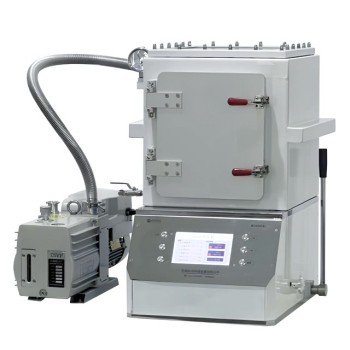
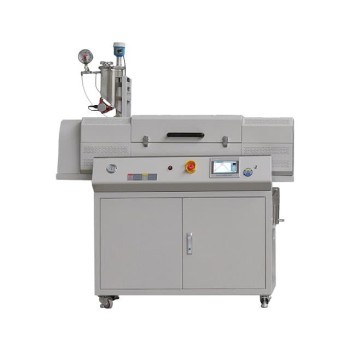
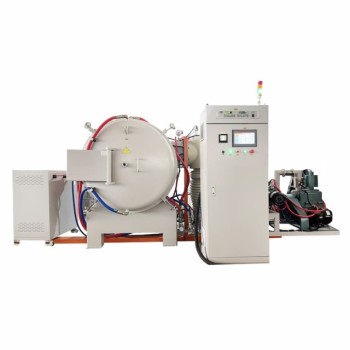
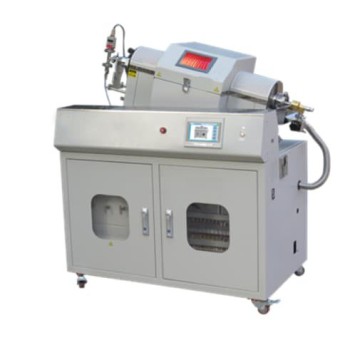
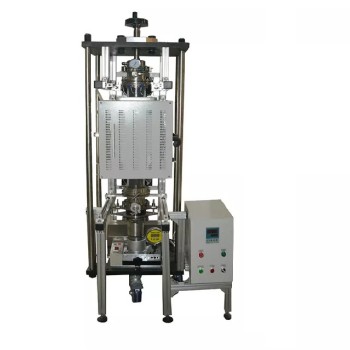
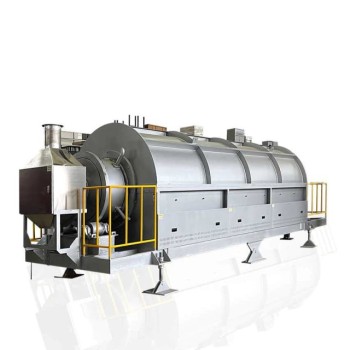
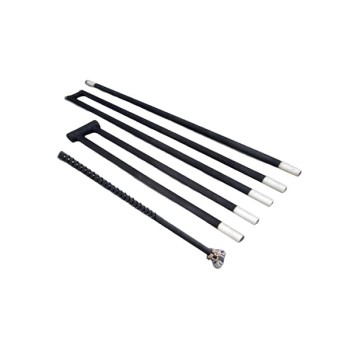
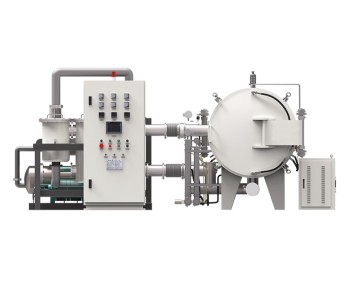
KinTek supplies a broad range of high-temperature furnaces, including lab, pilot production, and industrial production furnaces, with a temperature range of up to 3000 ℃. One of KinTek's advantages is the ability to create custom-made furnaces tailored to specific functions, such as different heating methods and speeds, extra high and dynamic vacuums, controlled atmospheres and gas circuits, automated mechanical structures, and software and hardware development.

Lab Consumables & Materials
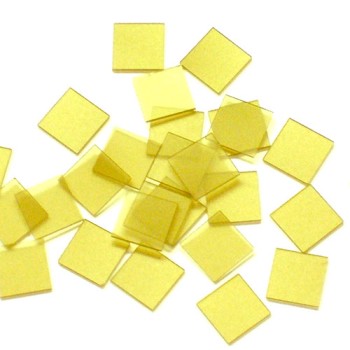
KinTek offers a range of lab consumables and materials, including evaporation materials, targets, metals, electrochemistry parts, as well as powders, pellets, wires, strips, foils, plates, and more.


Bio-Chem Equipment
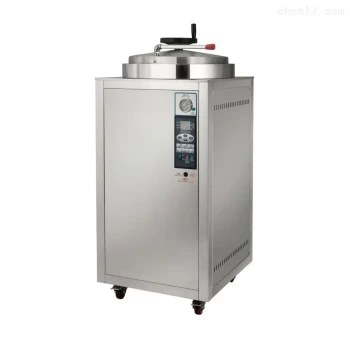
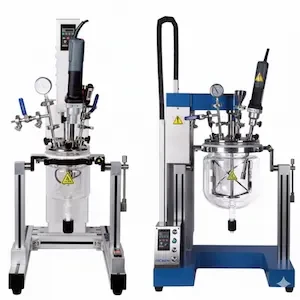
KinTek bio-chem equipment comprises rotary evaporators, glass and stainless steel reactors, distillation systems, circulating heaters and chillers, as well as vacuum equipment.


Products
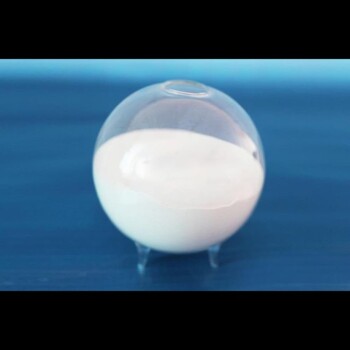
High Purity Alumina Granulated Powder for Engineering Advanced Fine Ceramics
Item Number: KM-P02
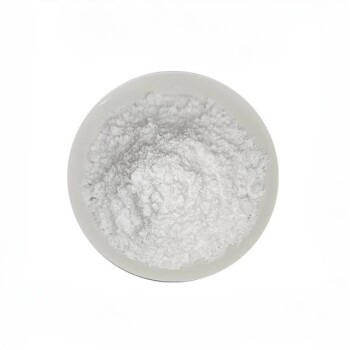
Advanced Engineering Fine Ceramics Low Temperature Alumina Granulation Powder
Item Number: KM-P03
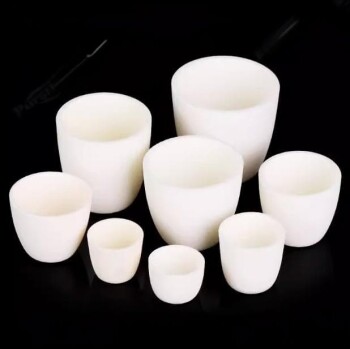
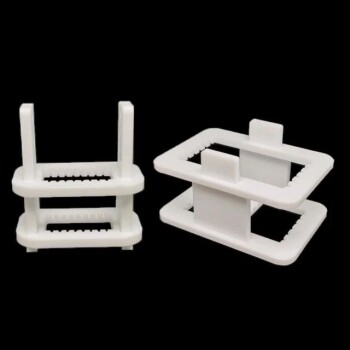
Custom PTFE Teflon Parts Manufacturer for Conductive Glass Substrate Cleaning Rack
Item Number: PTFE-03
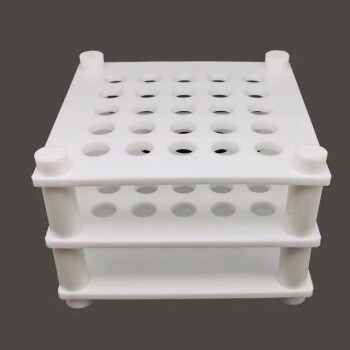
Custom PTFE Teflon Parts Manufacturer for Centrifuge Tube Racks
Item Number: PTFE-04
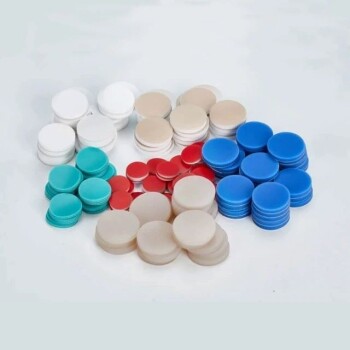
Custom PTFE Teflon Parts Manufacturer for Gaskets and More
Item Number: PTFE-05
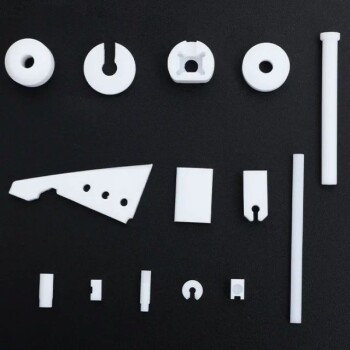
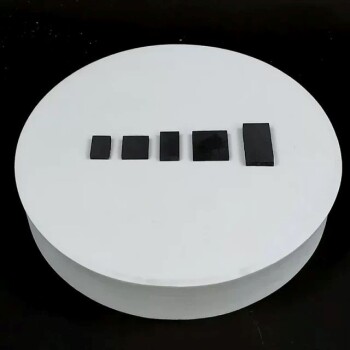
Custom PTFE Teflon Parts Manufacturer for Non-Standard Insulator Customization
Item Number: PTFE-06
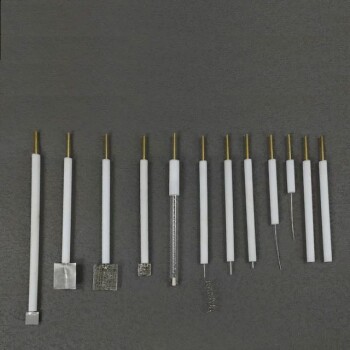
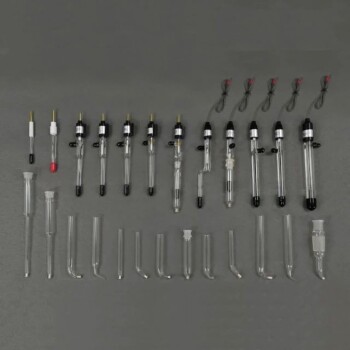
Reference Electrode Calomel Silver Chloride Mercury Sulfate for Laboratory Use
Item Number: ELERA
$19.90

Infrared Transmission Coating Sapphire Sheet Substrate Window
Item Number: KTOM-ISS
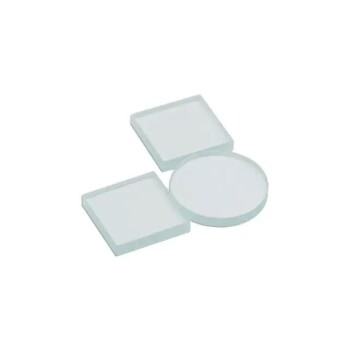
Float Soda-Lime Optical Glass for Laboratory Use
Item Number: KTOM-FSO
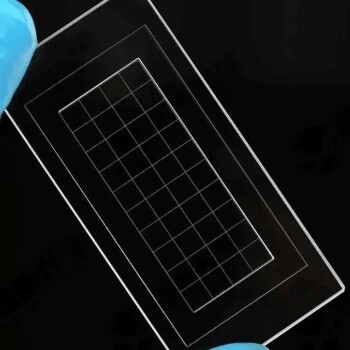
Zooplankton Plankton Counting Chamber for Plankton Eggs and Ascaris Eggs
Item Number: KTOM-PAE
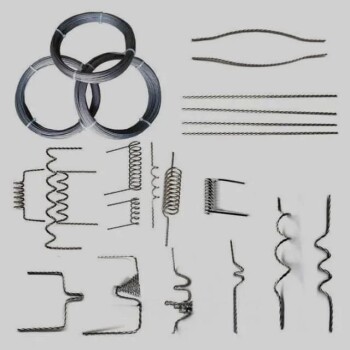
Thermally Evaporated Tungsten Wire for High Temperature Applications
Item Number: KME08
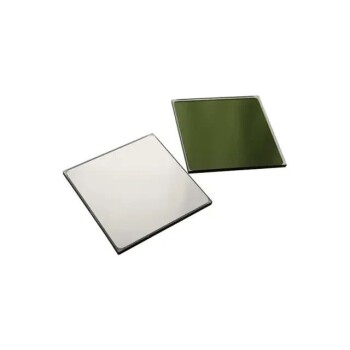
Optical Window Glass Substrate Wafer Single Double Sided Coated K9 Quartz Sheet
Item Number: KTOM-CGS

Optical Window Glass Substrate Wafer Barium Fluoride BaF2 Substrate Window
Item Number: KTOM-BFS
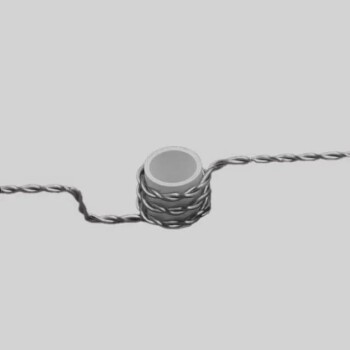
Ceramic Evaporation Boat Set Alumina Crucible for Laboratory Use
Item Number: KME09
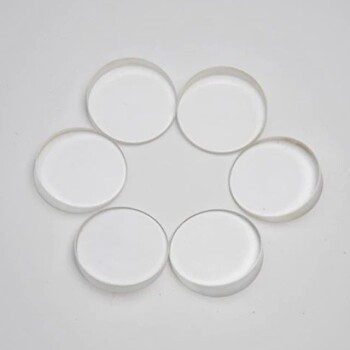
Optical Window Glass Substrate Wafer CaF2 Substrate Window Lens
Item Number: KTOM-CFW

Custom PTFE Teflon Parts Manufacturer for Centrifuge Tubes
Item Number: PTFE-32
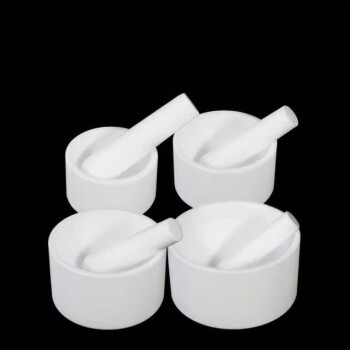
Custom PTFE Teflon Parts Manufacturer Grinding Bowl
Item Number: PTFE-33

Custom PTFE Teflon Parts Manufacturer for PTFE Mesh F4 Sieve
Item Number: PTFE-34



Stainless Steel Quick Release Vacuum Chain Three-Section Clamp
Item Number: KT-VA06

KF/ISO/CF Ultra-High Vacuum Stainless Steel Flange Pipe/Straight Pipe/Tee/Cross
Item Number: KT-VA07

CF KF Flange Vacuum Electrode Feedthrough Lead Sealing Assembly for Vacuum Systems
Item Number: KT-VA08


304 316 Stainless Steel Vacuum Ball Valve Stop Valve for High Vacuum Systems
Item Number: KT-VA11

KF ISO Stainless Steel Vacuum Flange Blind Plate for High Vacuum Systems
Item Number: KT-VA12
REQUEST A QUOTE
Our professional team will reply to you within one business day. Please feel free to contact us!
Related Articles

When a Perfect Environment Becomes a Trap: The Physics of Vacuum Brazing
Vacuum brazing creates ultra-pure joints but can destroy certain alloys. Understand the physics of vapor pressure to avoid catastrophic failures.
Why Your High-Strength Brazed Joints Are Failing—And How to Fix It Permanently
Tired of inconsistent, weak, or failed brazed joints? Discover the invisible root cause of failure and learn how vacuum brazing provides a permanent solution.
Beyond the Acid Wash: A Systems Approach to Alumina Tube Longevity
Discover why proactive care, not reactive cleaning, is key to your alumina tube furnace's life. It's about managing physics and psychology.
The Architecture of Emptiness: Why Vacuum Level is a Decision, Not Just a Number
Vacuum levels define material purity. We explore the engineering trade-offs between rough vacuum and ultra-high vacuum, and how to choose the right system.
The Architecture of Certainty: Why Three Electrodes Are Better Than Two
Discover why the three-electrode system is the standard for electrochemical precision, separating current flow from voltage measurement for true analytical clarity.
The Invisible Trade-off: Balancing Speed and Purity in Vacuum Quenching
Nitrogen offers speed; Argon offers purity. Discover the engineering psychology behind choosing the right quenching gas to balance cost against metallurgical integrity.
The Invisible Architecture of Accuracy: Mastering Electrode Installation
Master the lifecycle of electrode installation—from inspection to alignment and maintenance—to ensure safety and reproducibility in electrochemical experiments.
The Unseen Discipline: Mastering the Alumina Furnace Tube
Learn how proactive maintenance, not just reactive cleaning, prevents thermal shock and contamination to ensure the integrity of your lab results.
The Geometry of Trust: Stabilizing the Electrochemical Cell
Data integrity begins with physical stability. Learn how to adjust your PTFE electrode stand to master gravity, eliminate vibration, and ensure reproducibility.
The Architecture of Silence: Why Material Choice Defines Electrochemical Truth
Explore how High Borosilicate Glass, PTFE, and POM create the perfect chemically inert environment for accurate electrochemical testing.
The Fidelity of Light: Preserving the Quartz Interface in Spectroelectrochemistry
The quartz window is the critical interface between your sample and your data. Learn why protecting it from oils, scratches, and solarization is vital for optical accuracy.
Escaping the Black Box: The Architecture of Insight in Electrochemistry
Unlock the correlation between visible phenomena and electrical data. A deep dive into the engineering and application of side-window optical electrolytic cells.
Why Your Graphite Components Keep Failing—And How to Stop It for Good
Graphite parts failing below their temp limit? We reveal the hidden cause (oxidation) and show you how to protect your experiments and budget.
The Choreography of Electrons: Why Precision Demands a Trinity
Precision in coating evaluation isn't about power; it's about separation. Discover why the three-electrode system is the only way to silence electrochemical noise.
The Invisible Interface: Why Simple Connections Define Complex Chemistry
In electrochemistry, data integrity relies on the physical interface. Discover why the humble copper tape and gasket seal are the true guardians of your results.
Why Your Furnace Components Keep Failing—And the Material Science Fix
Frustrated by costly furnace failures? Discover the root cause isn't bad luck, but a material science issue that the right ceramic tube can permanently solve.
The Fragile Intersection: Mastering the Side-Window Optical Electrolytic Cell
Spectroelectrochemistry combines chemical, electrical, and optical hazards in a delicate vessel. Here is how to master the safety and precision of this complex system.
The Ceramic Paradox: Why the Best Way to Clean an Alumina Tube is Not to Clean It
Deep cleaning is often a symptom of process failure. Discover the engineering protocols to maintain alumina tubes, prevent thermal shock, and ensure longevity.
Your Tungsten Furnace Is Failing. The Culprit Isn't What You Think.
Frustrated with contaminated samples from your tungsten furnace? Discover the hidden cause—and how mastering the atmosphere unlocks reliable results.
Entropy and the Alumina Tube: The Art of Precision Maintenance
Discover the disciplined approach to cleaning alumina furnace tubes. Learn how to prevent thermal shock, remove residue with acid, and extend equipment life.