Toggle Categories
Get Instant Support
Choose your preferred way to connect with our team
Response Time
Within 8 hours on working days, 24 hours on holidays
Sample Preparation
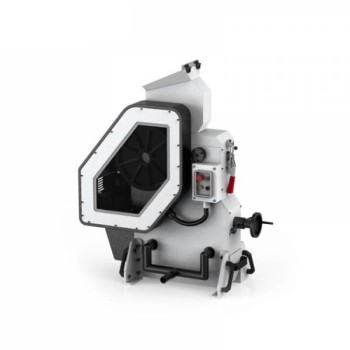
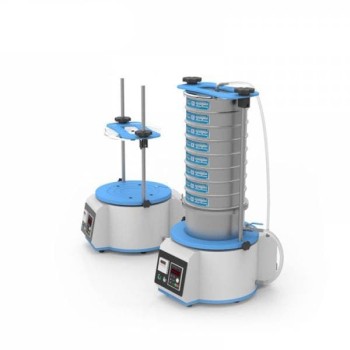
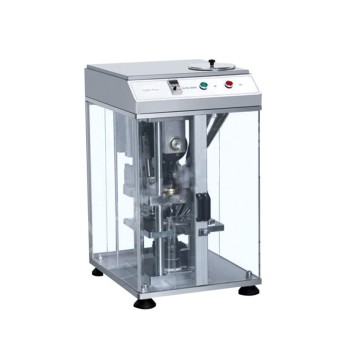
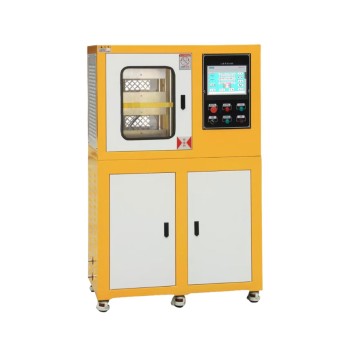
KinTek sample preparation equipment includes sample crushing,milling, as while as while sieving equipment, hydraulic press equipment includes manual press, electric press, isostatic press, hot press and press filtering machine.





Thermal Equipment
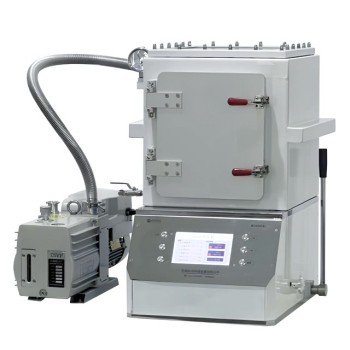
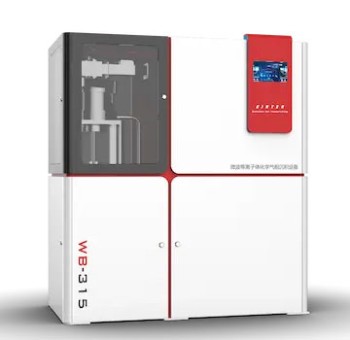
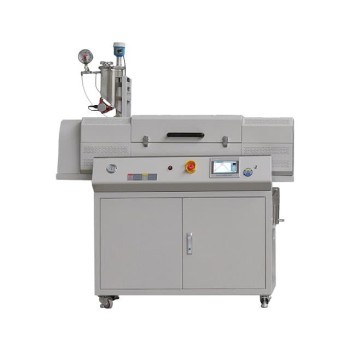
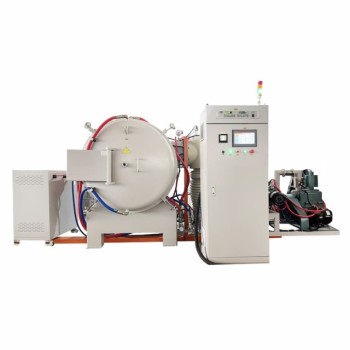
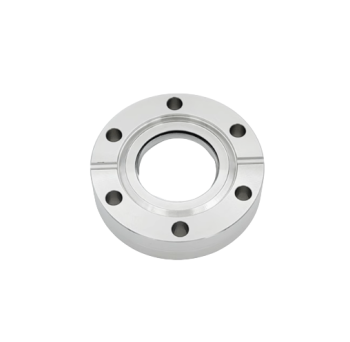
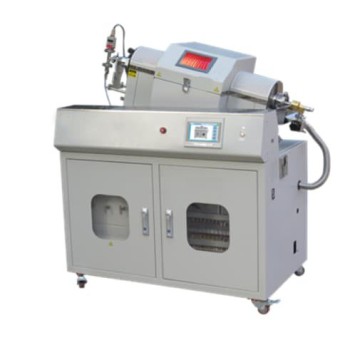
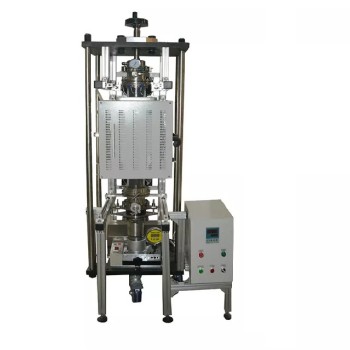
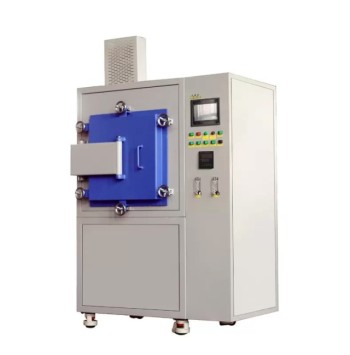
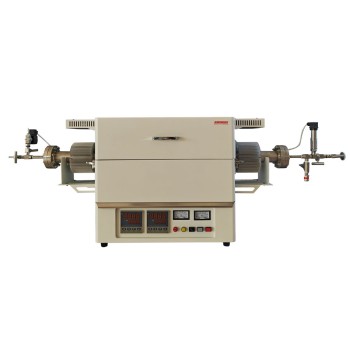
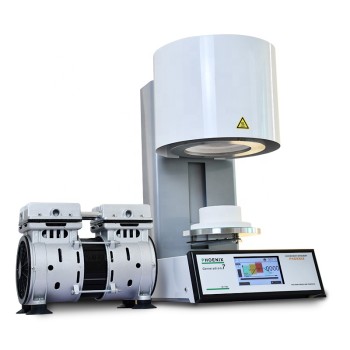
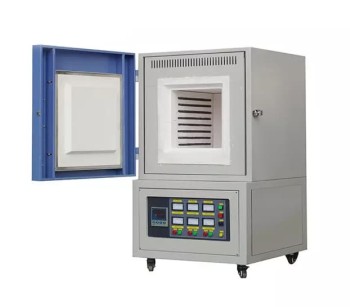
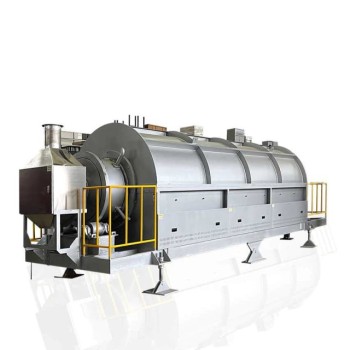
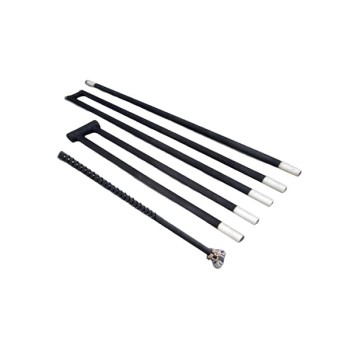
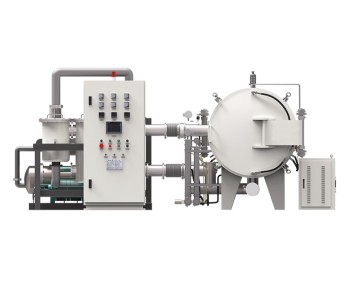
KinTek supplies a broad range of high-temperature furnaces, including lab, pilot production, and industrial production furnaces, with a temperature range of up to 3000 ℃. One of KinTek's advantages is the ability to create custom-made furnaces tailored to specific functions, such as different heating methods and speeds, extra high and dynamic vacuums, controlled atmospheres and gas circuits, automated mechanical structures, and software and hardware development.
Lab Consumables & Materials
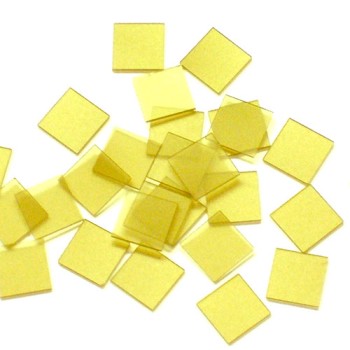
KinTek offers a range of lab consumables and materials, including evaporation materials, targets, metals, electrochemistry parts, as well as powders, pellets, wires, strips, foils, plates, and more.


Bio-Chem Equipment
KinTek bio-chem equipment comprises rotary evaporators, glass and stainless steel reactors, distillation systems, circulating heaters and chillers, as well as vacuum equipment.



Products
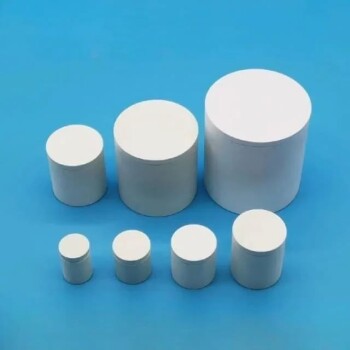
Boron Nitride (BN) Crucible for Phosphorous Powder Sintered
Item Number: KM-D01
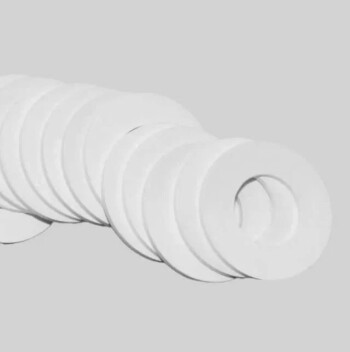
Hexagonal Boron Nitride HBN Spacer Cam Profile and Various Spacer Types
Item Number: KE-D3

Hexagonal Boron Nitride HBN Ceramic Ring
Item Number: KM-D6
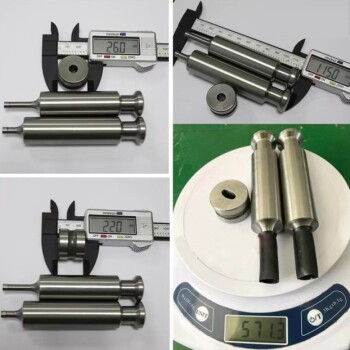
Multi-Punch Rotary Tablet Press Mold Ring for Rotating Oval and Square Molds
Item Number: TPM-06




Laboratory Oscillating Orbital Shaker
Item Number: KTL-5
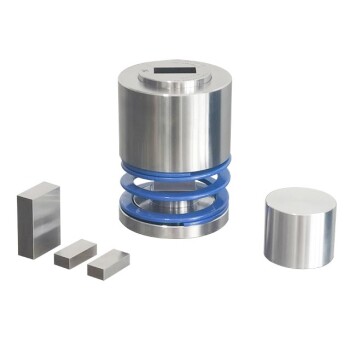
Square Bidirectional Pressure Mold for Lab Use
Item Number: PMS-F

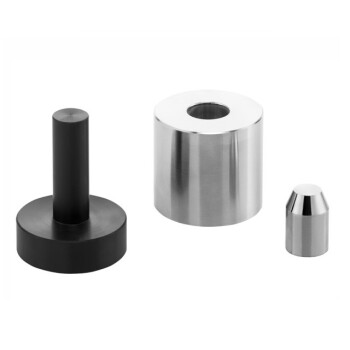
Button Battery Tablet Press Sealing Mold for Lab Use
Item Number: PMN

Ball Press Mold for Lab
Item Number: PMQ
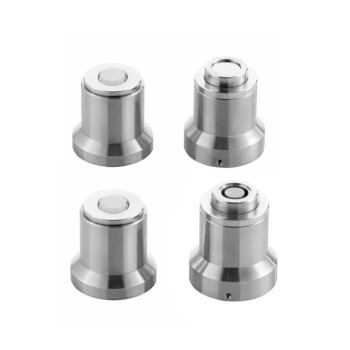
Button Battery Disassembly and Sealing Mold for Lab Use
Item Number: PCKM
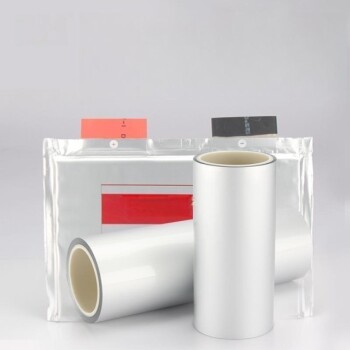
Aluminum-Plastic Flexible Packaging Film for Lithium Battery Packaging
Item Number: BC-12
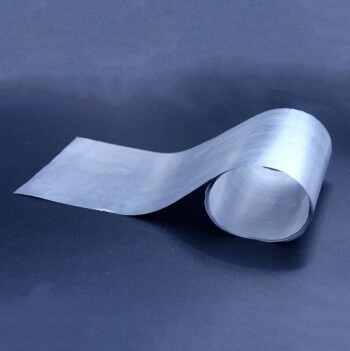
Aluminum Foil Current Collector for Lithium Battery
Item Number: BC-13
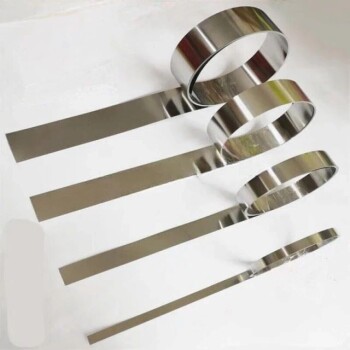
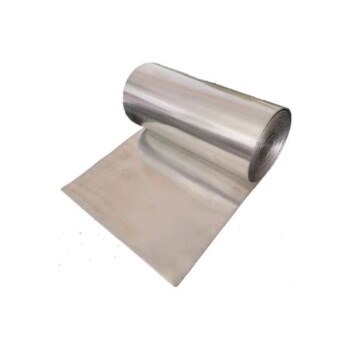
High Purity Zinc Foil for Battery Lab Applications
Item Number: BC-15

Hydrophilic Carbon Paper TGPH060 for Battery Lab Applications
Item Number: BC-16
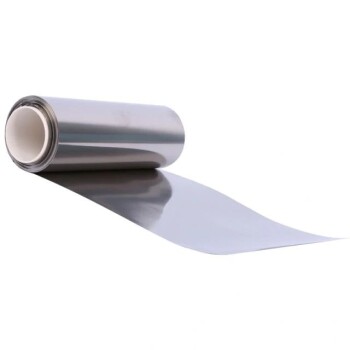
High-Purity Titanium Foil and Sheet for Industrial Applications
Item Number: BC-17
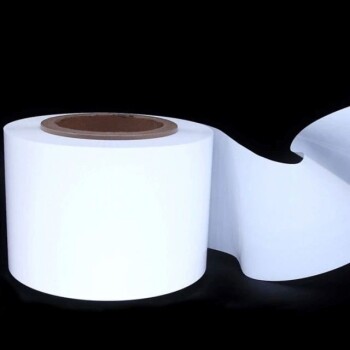
Polyethylene Separator for Lithium Battery
Item Number: BC-18
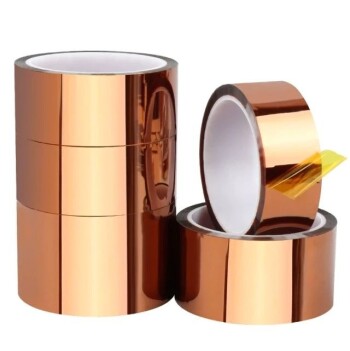
Lithium Battery Tab Tape for Battery Lab Applications
Item Number: BC-19
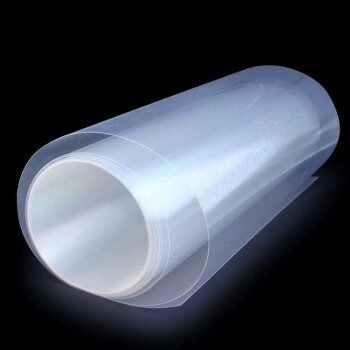
Proton Exchange Membrane for Batteries Lab Applications
Item Number: BC-20
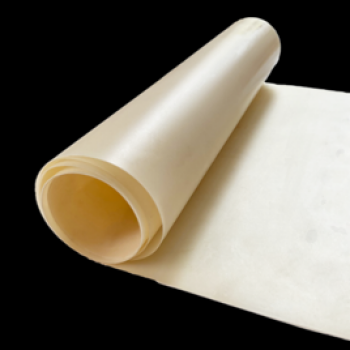
Anion Exchange Membrane for Laboratory Use
Item Number: BC-21

Iridium Dioxide IrO2 for Water Electrolysis
Item Number: BC-22
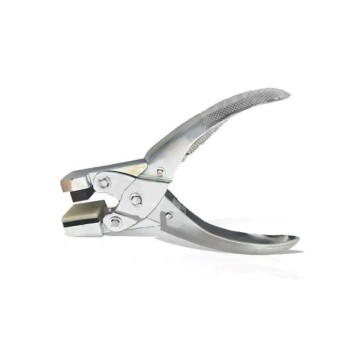
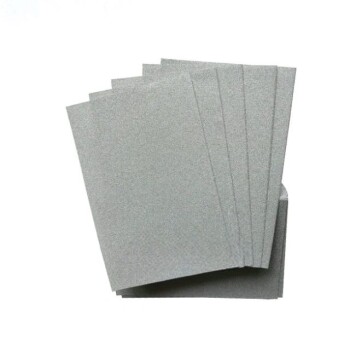
Nickel Foam for Industrial and Laboratory Applications
Item Number: BC-24
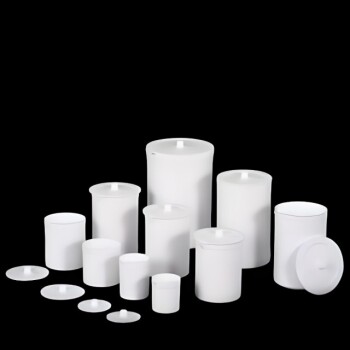
Custom PTFE Teflon Parts Manufacturer PTFE Beaker and Lids
Item Number: PTFE-16
REQUEST A QUOTE
Our professional team will reply to you within one business day. Please feel free to contact us!
Related Articles

More Than a Squeeze: The Physics and Psychology of the Hydraulic Hot Press
An insight into the hydraulic hot press, where Pascal's Law meets thermodynamics to reshape materials. A story of force, heat, and control.
Perfection vs. Purpose: The Engineer's Choice Between Hot and Cold Pressing
Explore the metallurgical choice between hot and cold pressing—a decision between achieving absolute density and engineering intelligent porosity.
Beyond the Furnace: How Pressure Unlocks Ultimate Ceramic Performance
Hot pressing combines heat and pressure to overcome the limits of traditional sintering, creating near-perfectly dense ceramics with superior strength.
Why Your Composite and Polymer Parts Keep Failing: The Secret Is Simultaneous Heat and Pressure
Struggling with inconsistent composite or polymer bonding? Discover why separate heating and pressing fails and how a hot hydraulic press ensures repeatable, high-quality results.
Beyond Max Pressure: Why Your Hot Isostatic Pressing (HIP) Results Are Inconsistent—And How to Fix Them
Struggling with inconsistent HIP results? Discover why max pressure isn't the answer and how mastering pressure, temperature, and time is the key to perfect material densification.
The Unseen Dance of Heat and Pressure: Mastering Material Transformation
Explore the physics of hot pressing, where controlled heat and pressure transform materials. Learn how this technology solves key manufacturing challenges.
Why Your Compression Tests Are Failing (And It’s Not Your Sample’s Fault)
Discover the hidden reason your material compression tests fail and damage equipment. Learn why the press platen, not the sample, is often the culprit.
Beyond the Furnace: How Hot Pressing Unlocks Near-Perfect Material Density
Explore how hot pressing combines heat and pressure to overcome traditional sintering, achieving superior density and strength in advanced materials.
Beyond the Datasheet: Mastering the Physics and Psychology of Hot Pressing
Hot pressing success isn't about universal numbers, but mastering the interplay of material properties, process goals, and precision equipment.
Hot Pressing Polymers: The Deliberate Pursuit of Flawless Material Integrity
Explore the hot pressing process for polymers—a method prioritizing material integrity over speed to eliminate internal defects for critical applications.
Beyond Sintering: The Brutal Elegance of Hot Pressing
Explore how hot pressing forges ultra-dense materials by conquering porosity, creating components with superior strength and wear resistance.
Strength vs. Complexity: The Hidden Reason Your Critical Metal Parts Are Failing
Stop guessing why your high-strength metal parts fail. Discover the root cause in your manufacturing process and how hot press forging provides the definitive solution.
The Hydraulic Dilemma: Uniaxial vs. Biaxial Pressure in Advanced Materials Manufacturing
Choosing between uniaxial and biaxial pressure in a vacuum hot press is a critical trade-off between simplicity and ultimate material uniformity.
More Than Heat and Pressure: Why Your Material Bonding Fails and How to Fix It
Struggling with inconsistent results from your hot press? Discover why the root cause isn't your process but a lack of precision, and how to solve it.
The Pressure to Be Perfect: A Guide to Hot Pressing Materials
Hot pressing methods forge dense materials, but choosing between Uniaxial, HIP, and SPS involves critical trade-offs in cost, uniformity, and speed.
Perfection Under Pressure: The Engineer's Choice Between Hot Pressing and Sintering
Hot pressing achieves near-perfect material density at high cost, while cold pressing & sintering offers a scalable, cost-effective alternative.
Build vs. Buy: The True Cost of a Hydraulic Press Isn't What You Think
Discover the hidden costs & safety risks of DIY hydraulic presses. Learn why an engineered solution is the smarter investment for professional results.
Taming the Void: The Art and Science of Hot Press Moulding
Explore how hot press moulding uses heat and pressure to eliminate microscopic voids, achieving superior density and strength in advanced materials.
Shaping Form vs. Forging Substance: The Critical Divide Between Hot Pressing and Compression Molding
It's not the tools, but the goal that separates hot pressing from compression molding. Are you shaping a part or perfecting a material's density?
Beyond Brute Force: The Controlled Physics of Perfect Material Bonding
A hot press isn't just a heater and a press. It's a system where controlled heat and force unite for flawless, repeatable material bonding.