Articles
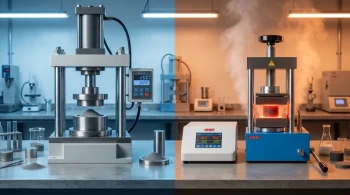
Force and Fire: A Guide to Material Transformation with Hot and Cold Pressing
4 months agoHot and cold pressing aren't just about temperature; they are different philosophies of material creation. Learn when to use force vs. force and fire.
Learn More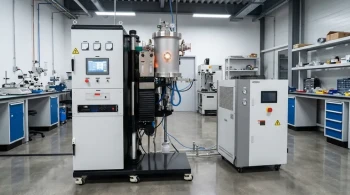
Beyond Heat: How Creating a Vacuum Forges Superior Materials
5 months agoVacuum furnaces create superior materials by removing atmospheric gases, preventing oxidation and contamination for ultimate purity and strength.
Learn More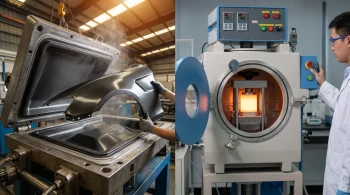
Shaping Form vs. Forging Substance: The Critical Divide Between Hot Pressing and Compression Molding
5 months agoIt's not the tools, but the goal that separates hot pressing from compression molding. Are you shaping a part or perfecting a material's density?
Learn More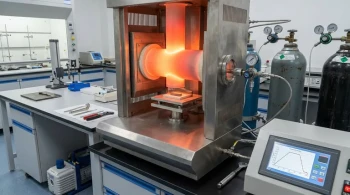
More Than Heat: The Unseen Environment Inside a Tube Furnace
5 months agoDiscover why a tube furnace's true power isn't high heat, but its precise control over vacuum or gas atmospheres, enabling advanced material synthesis.
Learn More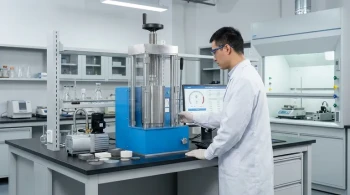
Beyond Brute Force: The Physics of Uniform Density in Cold Isostatic Pressing
5 months agoDiscover how Cold Isostatic Pressing (CIP) uses isostatic pressure to eliminate hidden voids and create components with superior uniform density.
Learn More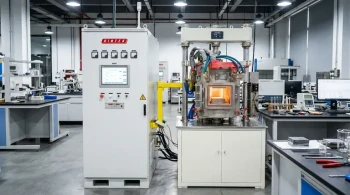
Beyond Brute Force: The Controlled Physics of Perfect Material Bonding
5 months agoA hot press isn't just a heater and a press. It's a system where controlled heat and force unite for flawless, repeatable material bonding.
Learn More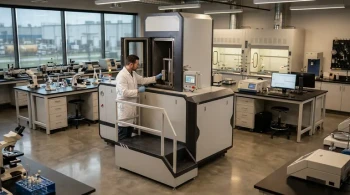
Beyond the Press: The Art and Science of Shaping Materials with Heat and Pressure
5 months agoHot press molding uses heat and pressure to shape materials. Understanding its key variations—molding, laminating, and HIP—is key to innovation.
Learn More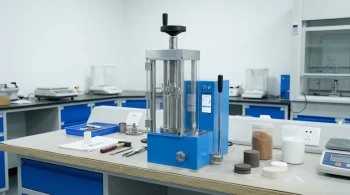
The Price of Uniformity: A Strategic Guide to Cold Isostatic Press Costs
5 months agoA Cold Isostatic Press's cost reflects its capabilities. Learn how pressure, size, and automation dictate its price to find the right investment.
Learn More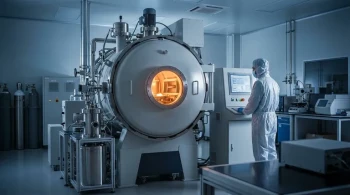
Mastering the Void: Why Critical Materials Are Forged in a Vacuum
5 months agoA vacuum furnace isn't just a hotter oven; it's a tool for eliminating atmospheric chaos to achieve ultimate material purity and strength.
Learn More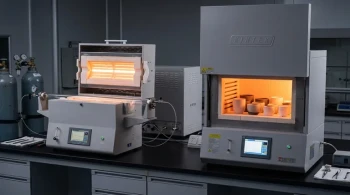
The Journey vs. The Destination: Why Your Furnace Choice is a Workflow Decision
5 months agoTube vs. Box Furnace: The choice isn't about shape, but workflow. Learn how to choose between continuous flow and static batch processing for your lab.
Learn More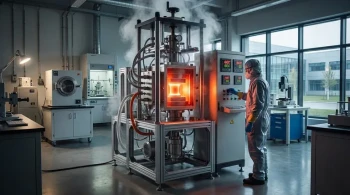
Density at Any Cost: The Beautiful, Flawed Process of Hot Pressing
5 months agoHot pressing delivers unmatched material density, but its high costs, slow speed, and hidden inconsistencies create a complex trade-off for engineers.
Learn More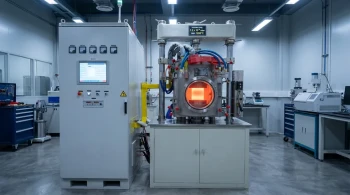
Forging Under Pressure: How Simultaneous Heat and Force Create Elite Materials
5 months agoHot pressing achieves near-theoretical density by applying heat and pressure simultaneously, overcoming the limitations of sequential sintering methods.
Learn More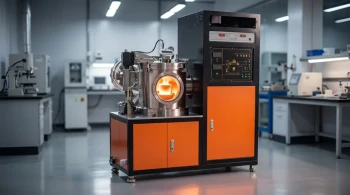
The Tyranny of the Atmosphere: How Vacuum Furnaces Create Perfect Materials
5 months agoVacuum furnaces aren't just about heat; they're about total environmental control, eliminating atmospheric flaws to create superior materials.
Learn More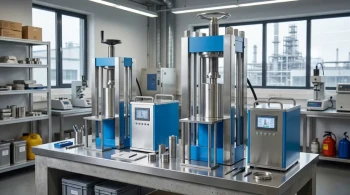
Beyond the Press: Why Uniform Density Is the Bedrock of Advanced Materials
5 months agoDiscover how cold isostatic pressing (CIP) eliminates hidden density variations, a critical step for creating reliable, high-performance components.
Learn More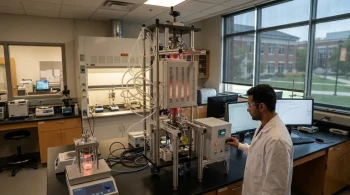
The Art of Control: Why Precision Hot Pressing is More Than Just Heat and Pressure
5 months agoDiscover how precise control over heat and pressure in hot pressing technology enables material innovation, from electronics to advanced composites.
Learn More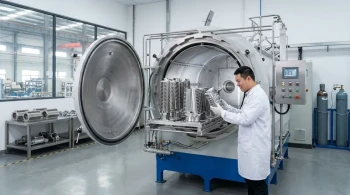
Why Your High-Strength Brazed Joints Are Failing—And How to Fix It Permanently
5 months agoTired of inconsistent, weak, or failed brazed joints? Discover the invisible root cause of failure and learn how vacuum brazing provides a permanent solution.
Learn More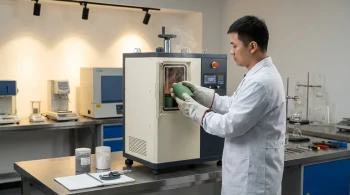
Beyond the Spec Sheet: Mastering the Thermal Dynamics of Warm Isostatic Pressing
5 months agoDiscover why the 80-120°C range is crucial in Warm Isostatic Pressing and how material science, not machine specs, dictates process success.
Learn More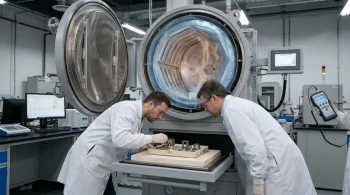
The Inverted Trap: Why Hot Argon in Open Furnaces is a Silent Killer
5 months agoHot argon in bottom-loading furnaces creates a deadly, invisible trap. Learn the physics of gas density and the psychology behind this counter-intuitive risk.
Learn More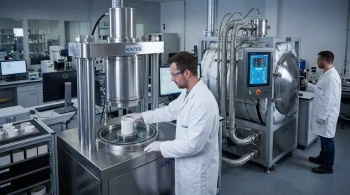
Beyond Brute Force: How Isostatic Pressing Creates Flawless Materials
5 months agoExplore isostatic pressing, a method using uniform pressure, not brute force, to eliminate microscopic flaws and achieve perfect material density.
Learn More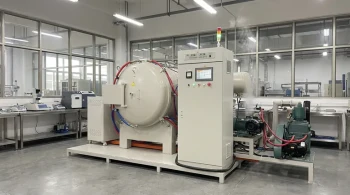
The Engineer's Dilemma: Why 'How Hot?' is the Wrong Question for a Vacuum Furnace
5 months agoChoosing a vacuum furnace based on max temp is a common error. Real value lies in matching its precise control and material limits to your thermal process.
Learn More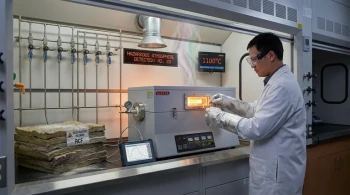
Beyond the Burn: A Systems Approach to Tube Furnace Safety
5 months agoThe most severe tube furnace hazards aren't burns, but invisible risks like carcinogenic fibers and silent gas leaks driven by cognitive bias.
Learn More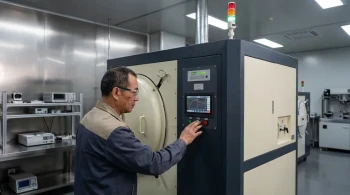
The Human Firewall: Why the Operator is the Most Critical Component in a Vacuum Furnace
5 months agoThe success of vacuum heat treatment hinges not on machinery alone, but on the operator's judgment. Discover the irreplaceable human role.
Learn More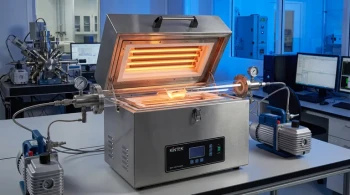
The Isolated Universe: Mastering Material Synthesis with Tube Furnace Control
5 months agoA tube furnace is more than a heater; it's a controlled micro-environment. Discover how its design enables precise atmospheric and thermal control for science.
Learn More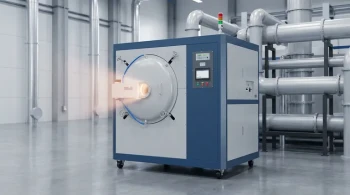
Perfection in a Void: Why Vacuum Furnaces Are the Bedrock of High-Tech Manufacturing
5 months agoVacuum furnaces are more than a market; they're the critical technology preventing material failure in aerospace, medical, and EV sectors.
Learn More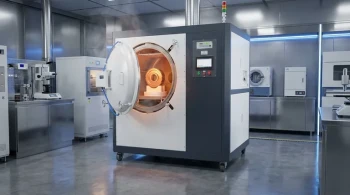
The Physics of Perfection: How Vacuum Heat Treatment Creates Flawless Parts
5 months agoVacuum heat treatment offers absolute environmental control, preventing oxidation and distortion to achieve superior, repeatable material properties.
Learn More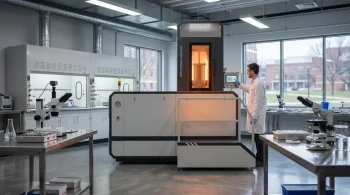
Beyond Brute Force: The Physics and Psychology of Material Transformation
5 months agoExplore the synergy of hydraulic pressure and thermal energy, and why precise control over both is the key to creating advanced materials.
Learn More
Why Your Laminator Keeps Ruining Documents—And How to Stop It for Good
5 months agoTired of your laminator turning thermal prints or photos into black smudges? Discover the simple reason it happens and how to choose the right method.
Learn More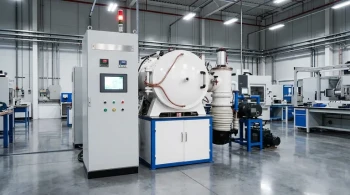
The Furnace Within: How a Hot Zone's Design Governs Material Perfection
5 months agoExplore the critical choice between graphite and all-metal vacuum furnace hot zones—a decision that dictates material purity, integrity, and success.
Learn More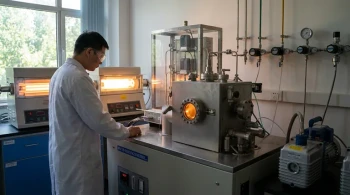
Beyond Heat: The Controlled Chaos of Chemical Vapor Deposition
5 months agoExplore the intricate world of Chemical Vapor Deposition (CVD) furnaces, where controlled chaos at the atomic level forges the materials of the future.
Learn More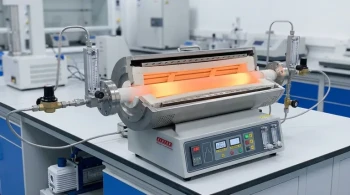
Beyond Temperature: Mastering the Invisible Environment Inside a Tube Furnace
5 months agoA tube furnace excels not by merely getting hot, but by providing absolute control over the atmospheric environment, a crucial factor for advanced materials.
Learn More