Toggle Categories
Get Instant Support
Choose your preferred way to connect with our team
Response Time
Within 8 hours on working days, 24 hours on holidays
Sample Preparation
KinTek sample preparation equipment includes sample crushing,milling, as while as while sieving equipment, hydraulic press equipment includes manual press, electric press, isostatic press, hot press and press filtering machine.

Isostatic Press
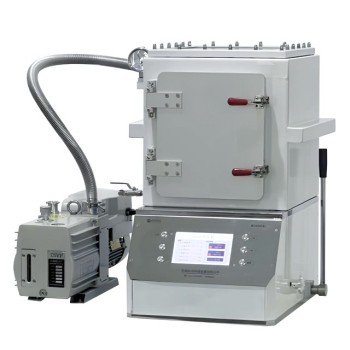
Vacuum Heated Lab Press

Automatic Heated Lab Press

Electric Lab Press

Customer-made Press

Manual Heated Lab Press

Manual Lab Press
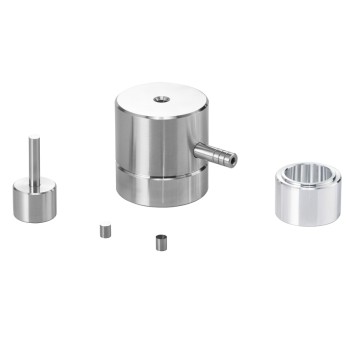
Molds & Accessories
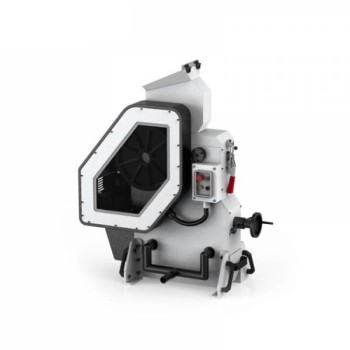
Crushing & Grinding Machine
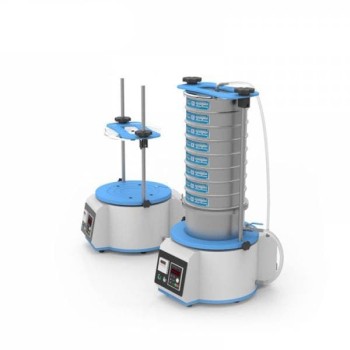
Sieving Machine
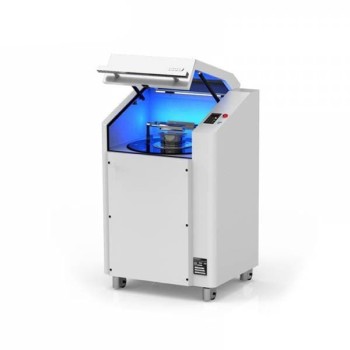
Milling Equipment
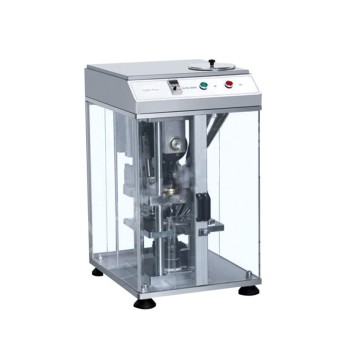
Tablet punching machine
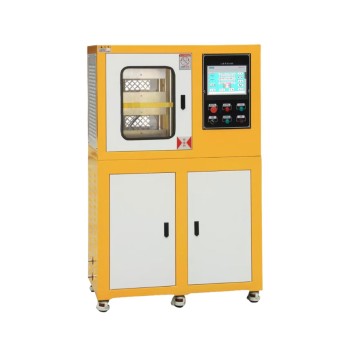
Rubber processing machine
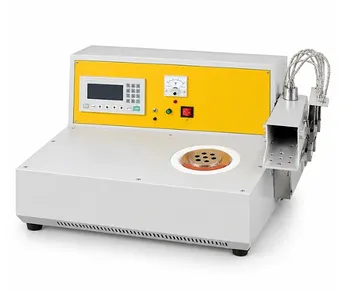
Coal Quality Analyzers

Assay Equipment Accessories & Consumables
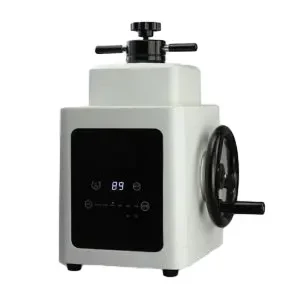
Mounting Machine
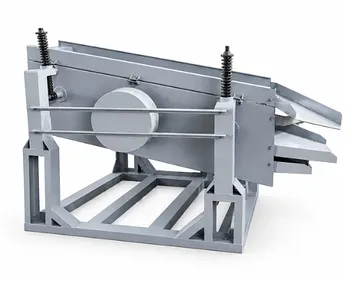
Coal, Coke & Ore Physical Testing
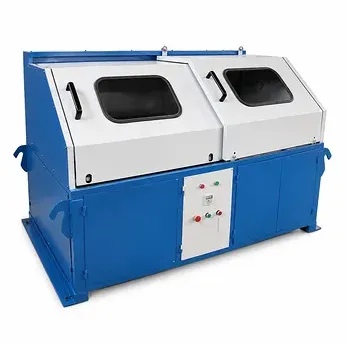
Rod Mill
Thermal Equipment
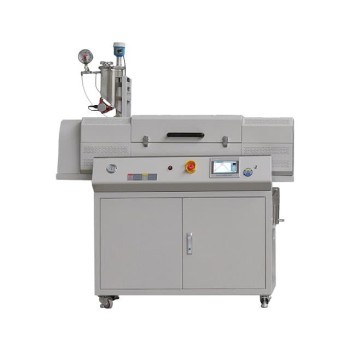
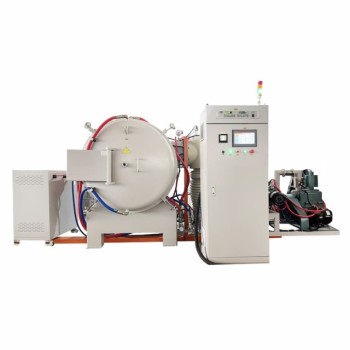
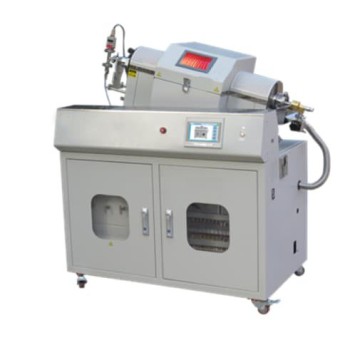
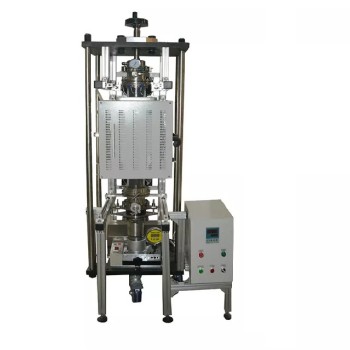
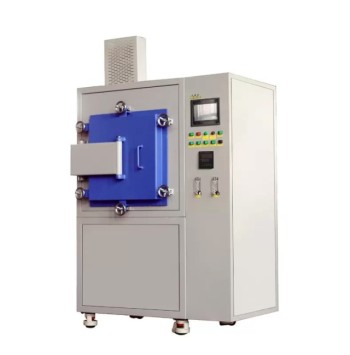
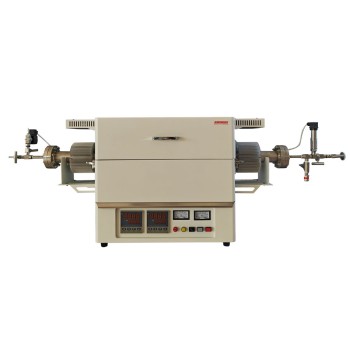
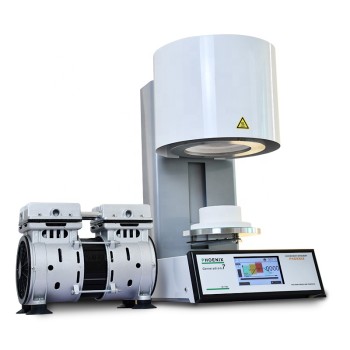
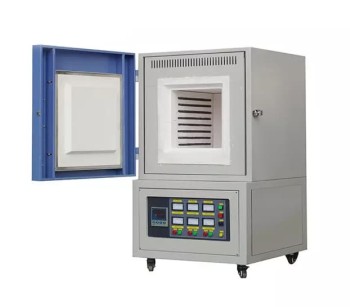
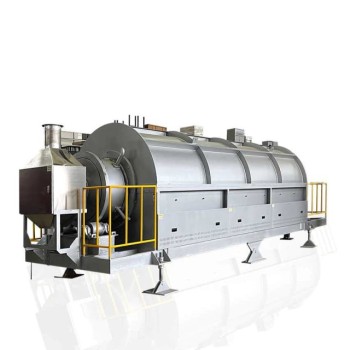
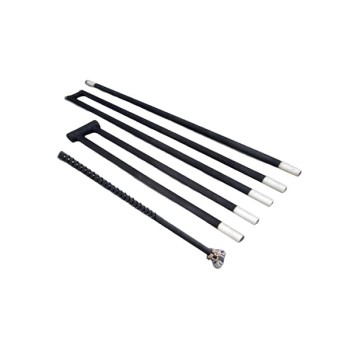
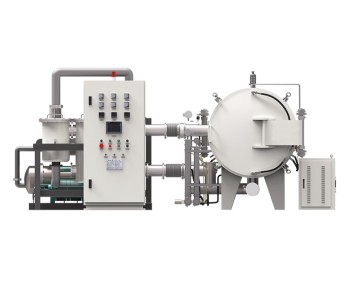
KinTek supplies a broad range of high-temperature furnaces, including lab, pilot production, and industrial production furnaces, with a temperature range of up to 3000 ℃. One of KinTek's advantages is the ability to create custom-made furnaces tailored to specific functions, such as different heating methods and speeds, extra high and dynamic vacuums, controlled atmospheres and gas circuits, automated mechanical structures, and software and hardware development.
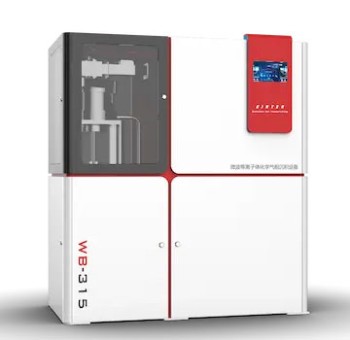
Lab Consumables & Materials
KinTek offers a range of lab consumables and materials, including evaporation materials, targets, metals, electrochemistry parts, as well as powders, pellets, wires, strips, foils, plates, and more.



Bio-Chem Equipment
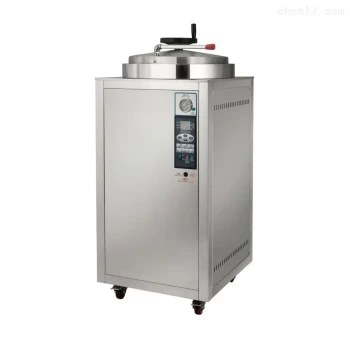
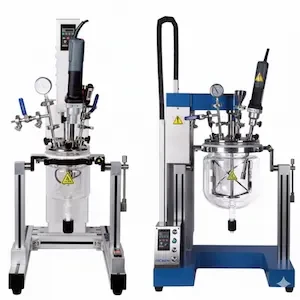
KinTek bio-chem equipment comprises rotary evaporators, glass and stainless steel reactors, distillation systems, circulating heaters and chillers, as well as vacuum equipment.



Products
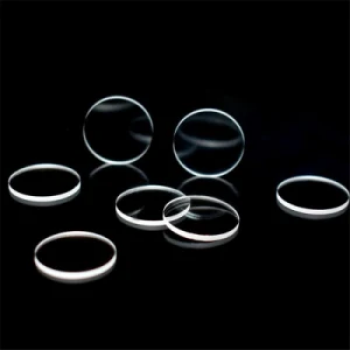
High Temperature Resistant Optical Quartz Glass Sheet
Item Number: KTOM-HTR
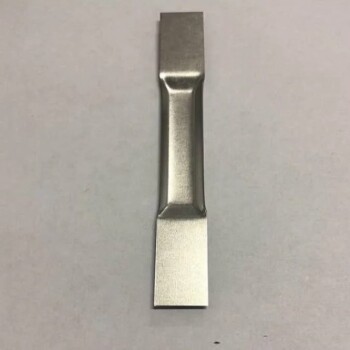
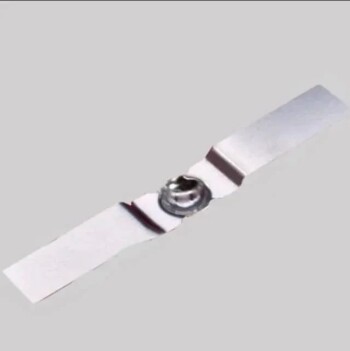
Hemispherical Bottom Tungsten Molybdenum Evaporation Boat
Item Number: KME-YD

Optical Window Glass Substrate Wafer Quartz Plate JGS1 JGS2 JGS3
Item Number: KTOM-OQP
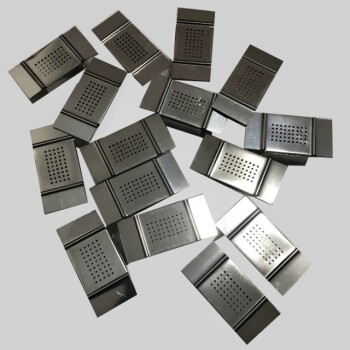
Folding Molybdenum Tantalum Boat With or Without Cover
Item Number: KME-ZDZ

Optical Ultra-Clear Glass Sheet for Laboratory K9 B270 BK7
Item Number: KTOM-OGS
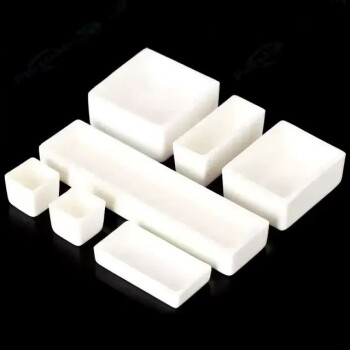



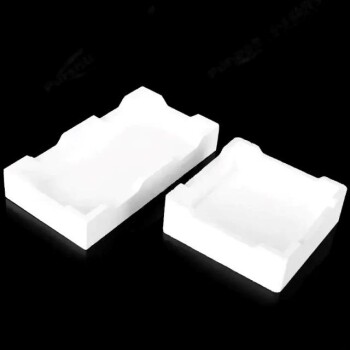
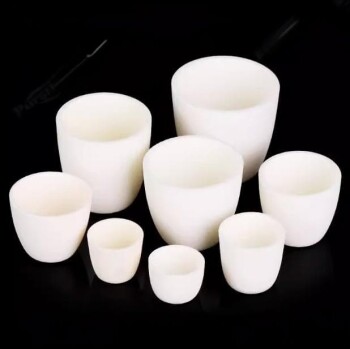
Advanced Engineering Fine Ceramics Alumina Ceramic Saggar for Fine Corundum
Item Number: KM-C05

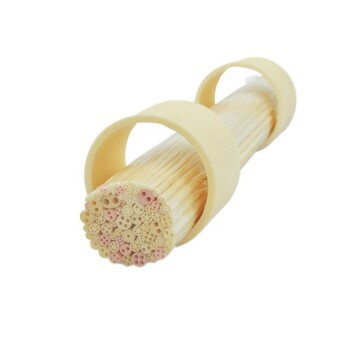
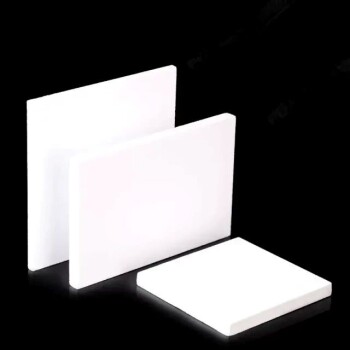
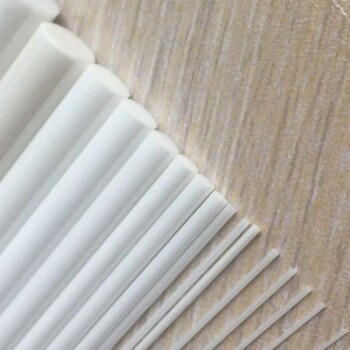

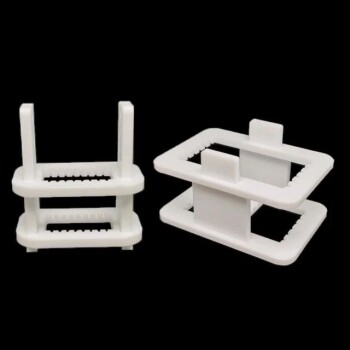
Custom PTFE Teflon Parts Manufacturer for Conductive Glass Substrate Cleaning Rack
Item Number: PTFE-03
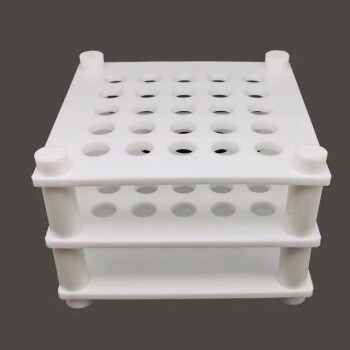
Custom PTFE Teflon Parts Manufacturer for Centrifuge Tube Racks
Item Number: PTFE-04

Custom PTFE Teflon Parts Manufacturer for Gaskets and More
Item Number: PTFE-05
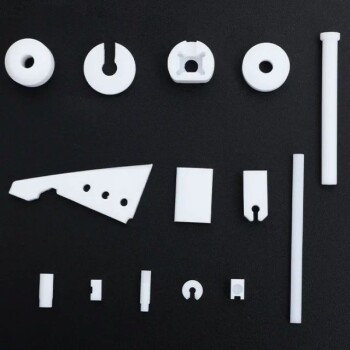
Custom PTFE Teflon Parts Manufacturer for Non-Standard Insulator Customization
Item Number: PTFE-06
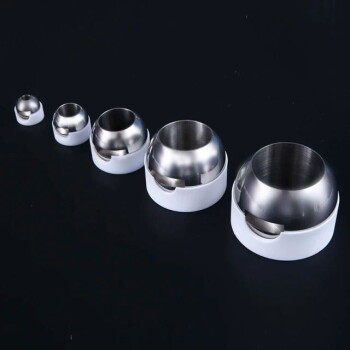
Custom PTFE Teflon Parts Manufacturer for PTFE Ball Valve Seat
Item Number: PTFE-07

Custom PTFE Teflon Parts Manufacturer for Air Valve Applications
Item Number: PTFE-08
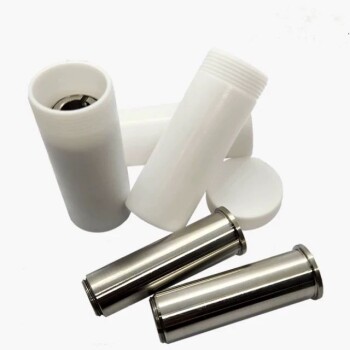
Custom PTFE Teflon Parts Manufacturer for PTFE Bottle Oil Fume Sampling Tube
Item Number: PTFE-09

Laboratory CVD Boron Doped Diamond Materials
Item Number: cvdm-07

CVD Diamond Optical Windows for Lab Applications
Item Number: cvdm-08

High Purity Alumina Granulated Powder for Engineering Advanced Fine Ceramics
Item Number: KM-P02
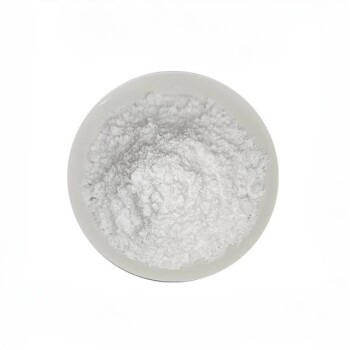
Advanced Engineering Fine Ceramics Low Temperature Alumina Granulation Powder
Item Number: KM-P03

REQUEST A QUOTE
Our professional team will reply to you within one business day. Please feel free to contact us!
Related Articles
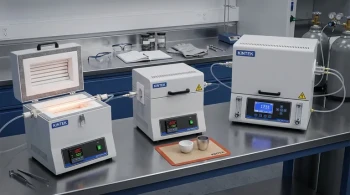
The Uniformity Trap: Why Your Tube Furnace's Most Important Spec Isn't Its Max Temperature
Maximum temperature is a misleading metric for furnaces. The key to repeatable results lies in understanding the uniform temperature zone.
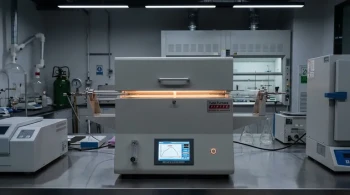
Beyond Heat: Why Thermal Uniformity is the Unsung Hero of Material Science
Discover how a tube furnace's elegant design—a synergy of geometry, insulation, and feedback loops—conquers thermal gradients for precise results.
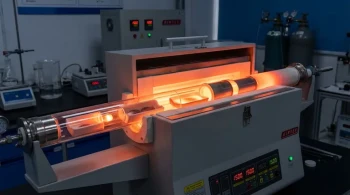
The Heart of the Heat: A Strategic Guide to Tube Furnace Materials
Choosing a tube furnace material is a critical trade-off between temperature, visibility, and durability. This guide explains how to select the right one.
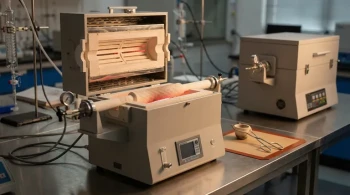
The Fragile Heart of Heat: A Guide to Tube Furnace Longevity
Unlock furnace reliability. Learn why gentle maintenance protocols prevent thermal shock, mechanical damage, and ensure process integrity.
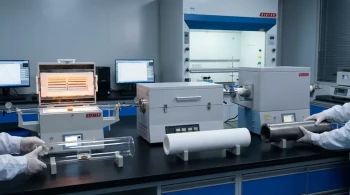
The Crucible's Choice: Why Your Furnace Tube Material Defines Experimental Success
Selecting a furnace tube is a critical trade-off between thermal resilience, chemical purity, and operational integrity. Make the right choice.
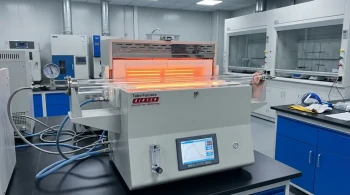
The Clockwork of Cooling: Why Inert Gas is the Unsung Hero of High-Temperature Furnaces
Discover how inert gas transforms furnace cooling from a passive wait into a precise, active process, mastering heat transfer to define material properties.
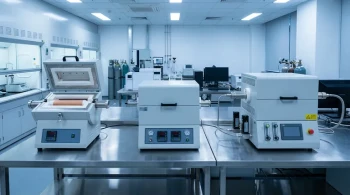
Beyond Temperature: The Three Critical Decisions in Tube Furnace Design
Choosing a tube furnace isn't about specs; it's about matching orientation, construction, and zone control to your specific thermal process.
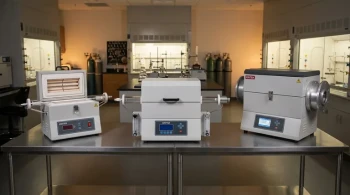
The First Principle of Heat: Choosing a Tube Furnace Beyond the Spec Sheet
Choosing a tube furnace isn't about max specs. It's aligning four core parameters—temperature, tube, atmosphere, and zones—with your process.
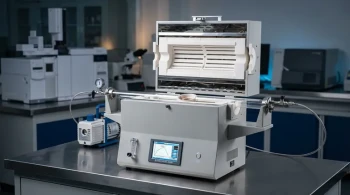
Mastering the Void: Why Control, Not Just Heat, Defines the Modern Tube Furnace
Discover how a tube furnace's design reflects a balance of precision, control, and compromise, and learn how to select the right tool for your lab.
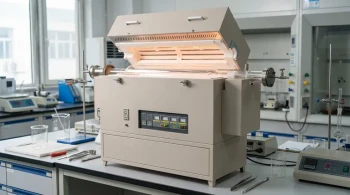
The Geometry of Heat: How a Tube Furnace's Architecture Defines Your Results
Choosing a tube furnace isn't about max temp, but matching its physical architecture—split vs. solid, single vs. multi-zone—to your process needs.
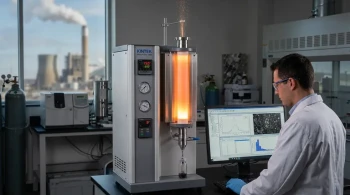
From Kilotons to Microns: The Crucial Role of the Drop Tube Furnace
Discover how drop tube furnaces provide particle-level data to model and optimize massive industrial reactors for combustion and gasification.
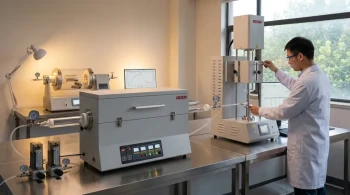
The Geometry of Precision: Why Furnace Orientation Dictates Experimental Success
Choosing a tube furnace isn't just about temperature. Its orientation—horizontal, vertical, or rotary—is a critical decision for your process.
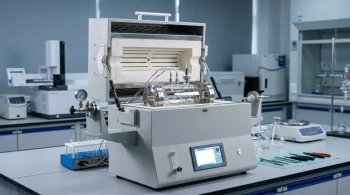
The Unsung Hinge: Why Split Tube Furnaces Are a Quiet Revolution in Lab Workflow
Split tube furnaces are more than a convenience; their hinged design solves a fundamental physical limitation, unlocking new experimental workflows.
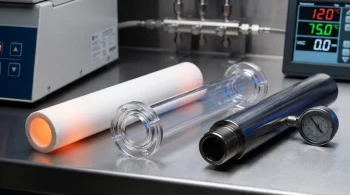
More Than a Vessel: The Physics and Psychology of Selecting a Furnace Tube
Choosing a furnace tube isn't a material spec; it's a strategic trade-off between temperature, purity, and pressure that defines your results.
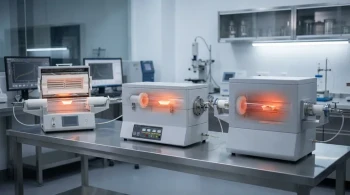
The Geometry of Control: Why the Tube Furnace Is More Than Just a Heater
Discover why a tube furnace's true power isn't just high heat, but its ability to create a perfectly uniform and controlled atmospheric environment.
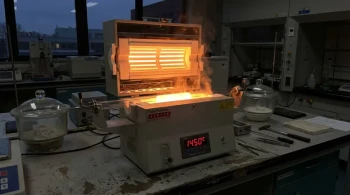
The Material Science of Limits: Navigating the 1450°C Trap in Tube Furnaces
Operating a tube furnace at its 1450°C limit makes its core a consumable, raising costs and risking failure. Understand the engineering trade-offs.
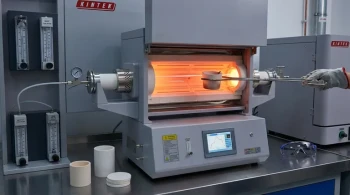
The Perfect Inferno: Mastering Heat Within a Tube Furnace
Explore the physics of tube furnaces, from Joule heating to the psychological discipline required for precise thermal control in materials science.
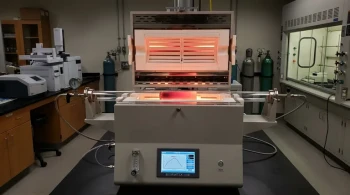
More Than Heat: The Controlled Universe of the Modern Tube Furnace
Discover why the tube furnace's true power isn't high heat, but its ability to create a controlled atmospheric environment for advanced materials.
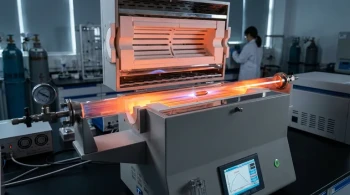
Mastering the Void: The Tube Furnace and the Science of Purity
Discover why the true power of a tube furnace lies not just in its heat, but in its ability to create a perfectly controlled atmosphere for sensitive materials.
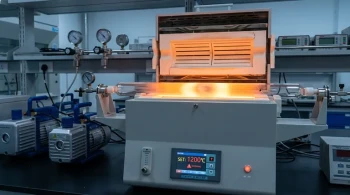
The Glass at its Limit: Why Your 1200°C Furnace Tube Fails Below Spec
The 1200°C rating on a quartz tube is a starting point, not a guarantee. Discover why atmosphere, time, and stress dictate its true limit.