Toggle Categories
Get Instant Support
Choose your preferred way to connect with our team
Response Time
Within 8 hours on working days, 24 hours on holidays
Sample Preparation
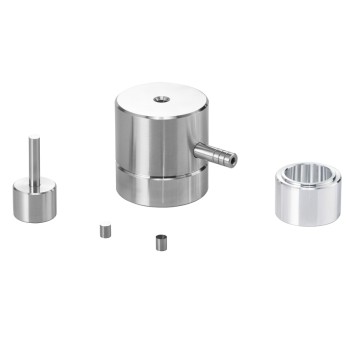
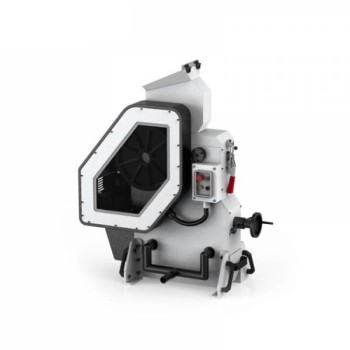
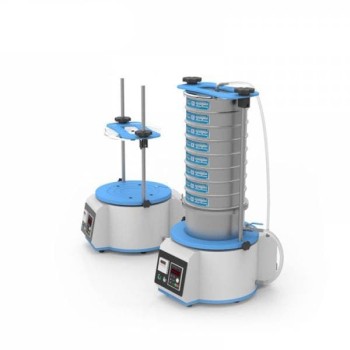
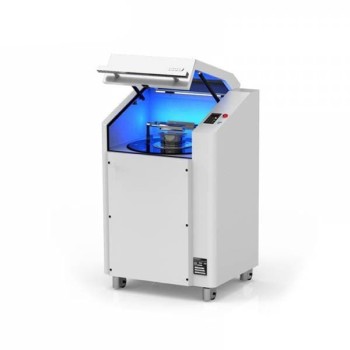
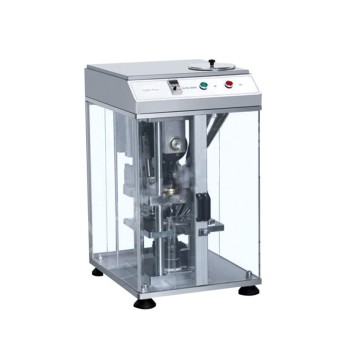
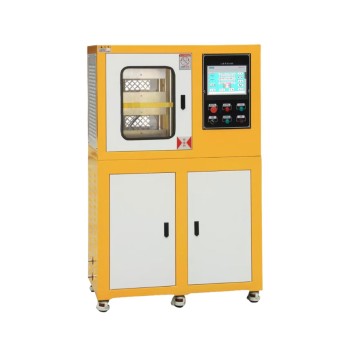
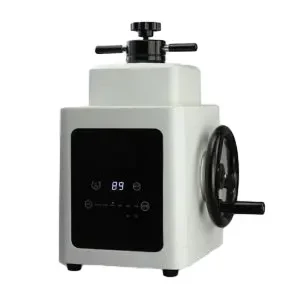
KinTek sample preparation equipment includes sample crushing,milling, as while as while sieving equipment, hydraulic press equipment includes manual press, electric press, isostatic press, hot press and press filtering machine.



Thermal Equipment
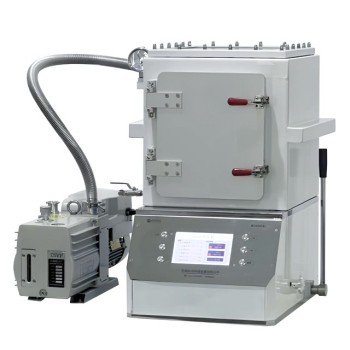
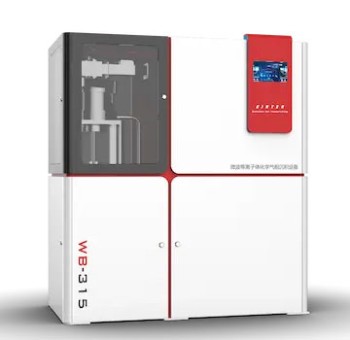
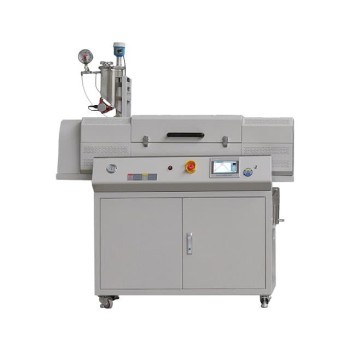
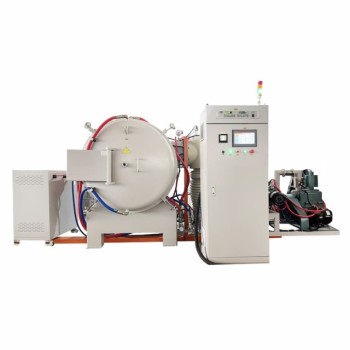
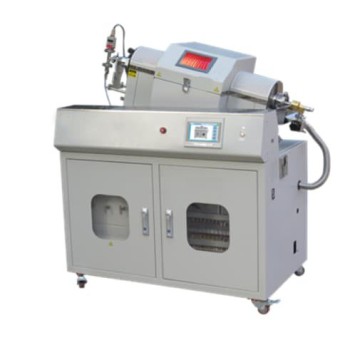
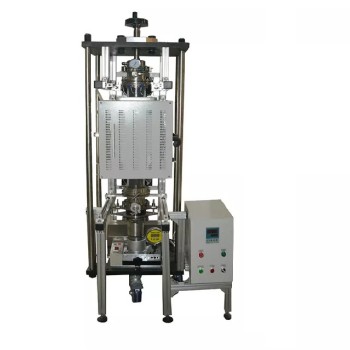
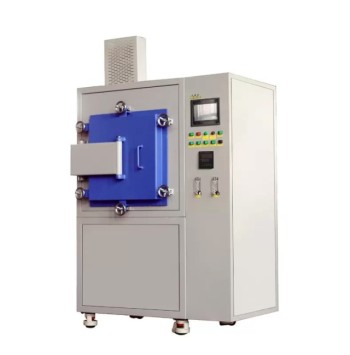
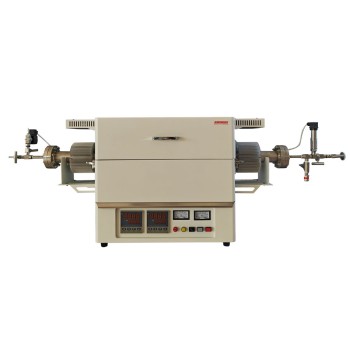
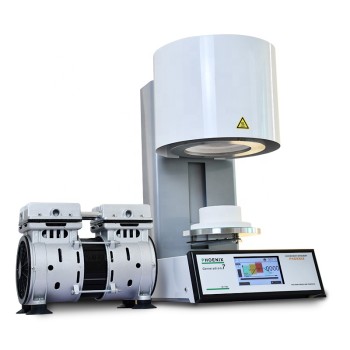
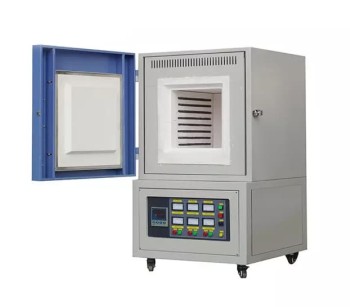
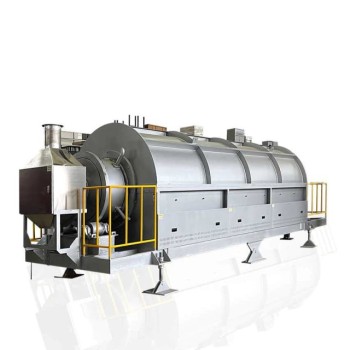
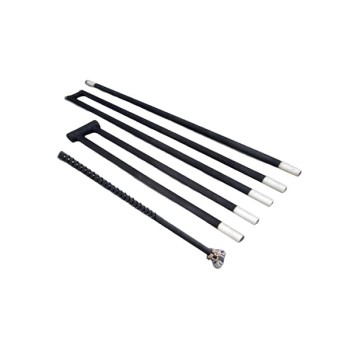
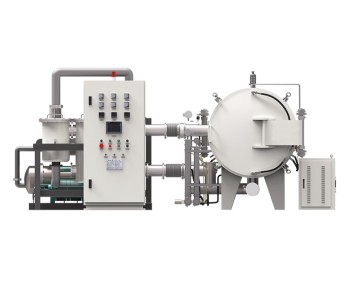
KinTek supplies a broad range of high-temperature furnaces, including lab, pilot production, and industrial production furnaces, with a temperature range of up to 3000 ℃. One of KinTek's advantages is the ability to create custom-made furnaces tailored to specific functions, such as different heating methods and speeds, extra high and dynamic vacuums, controlled atmospheres and gas circuits, automated mechanical structures, and software and hardware development.
Lab Consumables & Materials
KinTek offers a range of lab consumables and materials, including evaporation materials, targets, metals, electrochemistry parts, as well as powders, pellets, wires, strips, foils, plates, and more.



Bio-Chem Equipment
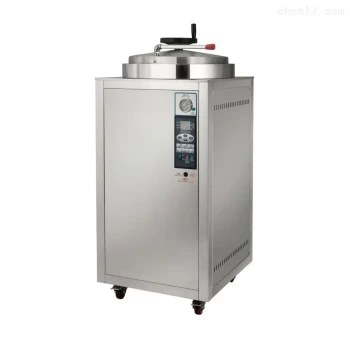
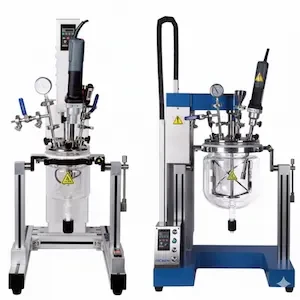
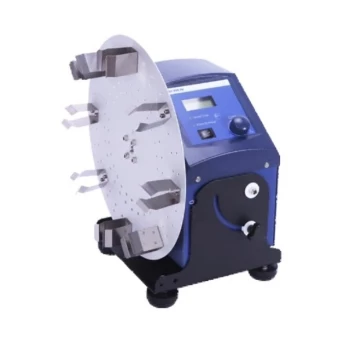
KinTek bio-chem equipment comprises rotary evaporators, glass and stainless steel reactors, distillation systems, circulating heaters and chillers, as well as vacuum equipment.


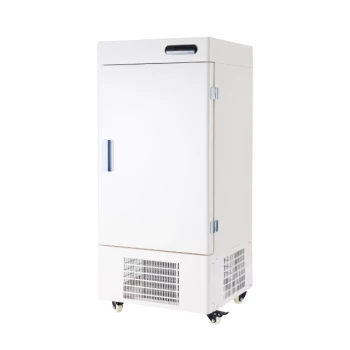
Products
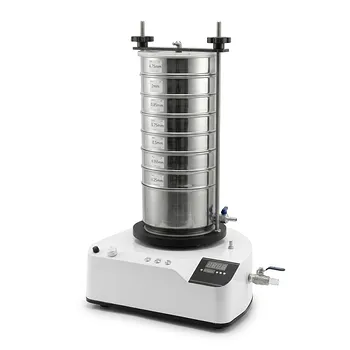
Laboratory Vibratory Sieve Shaker Machine for Dry and Wet Three-Dimensional Sieving
Item Number: KT-VD200

High Energy Planetary Ball Mill for Laboratory Horizontal Tank Type Milling Machine
Item Number: KT-P4000H

Laboratory Ten-Body Horizontal Jar Mill for Lab Use
Item Number: KT-HJM10

High Energy Planetary Ball Mill Milling Machine for Laboratory
Item Number: KT-P2000
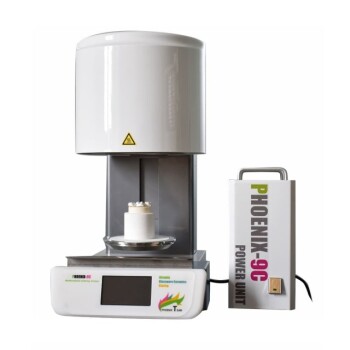
Dental Porcelain Zirconia Sintering Ceramic Furnace Chairside with Transformer
Item Number: KT-DS10

Vacuum Heat Treat Furnace with Ceramic Fiber Liner
Item Number: KT-VF
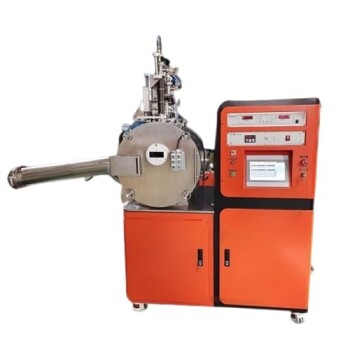
Vacuum Induction Melting Spinning System Arc Melting Furnace
Item Number: KT-VIS

Laboratory Manual Hydraulic Pellet Press for Lab Use
Item Number: PCMP

Laboratory Hydraulic Pellet Press for XRF KBR FTIR Lab Applications
Item Number: PCPE

Mini Planetary Ball Mill Machine for Laboratory Milling
Item Number: KT-P400
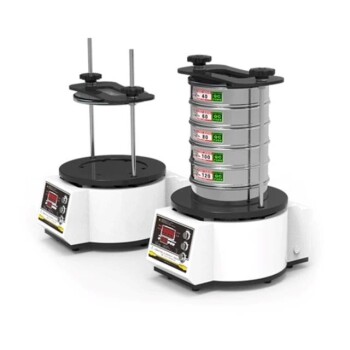
Laboratory Wet Three-Dimensional Vibratory Sieve Shaker Machine
Item Number: KT-VM200

Manual button battery sealing machine
Item Number: PC2N

Laboratory Manual Hydraulic Pellet Press for Lab Use
Item Number: PCF
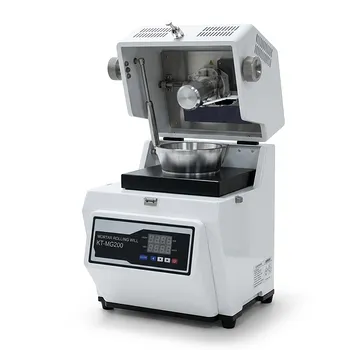
Laboratory Grinding Mill Mortar Grinder for Sample Preparation
Item Number: KT-MG200
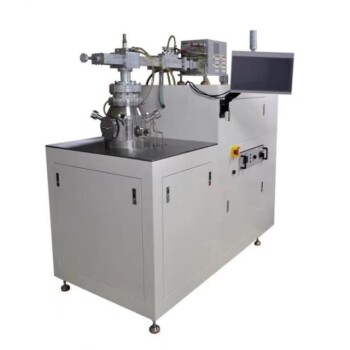

High Energy Planetary Ball Mill Machine for Laboratory Horizontal Tank Type
Item Number: KT-P2000H

High Energy Planetary Ball Mill Milling Machine for Laboratory
Item Number: KT-P4000

608L Essential Laboratory Ultra Low Temperature Freezer For Critical Sample Preservation
Item Number: KTFDV-608

708L Ultra Low Temperature Freezer High Performance Laboratory Freezer
Item Number: KTFDV-708

938L Vertical Ultra Low Temperature Freezer for Advanced Laboratory Storage
Item Number: KTFDV-938
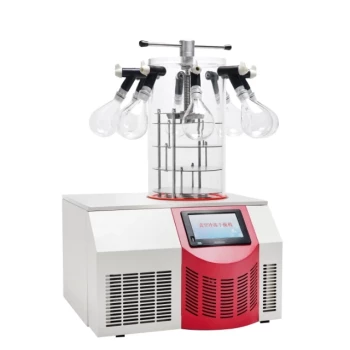
Benchtop Laboratory Freeze Dryer for Lab Use
Item Number: KTFD-10PT
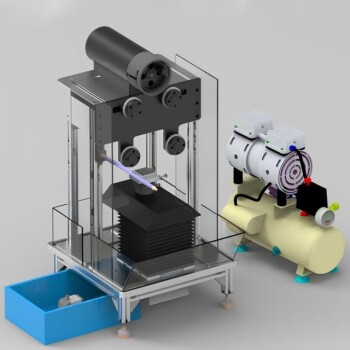
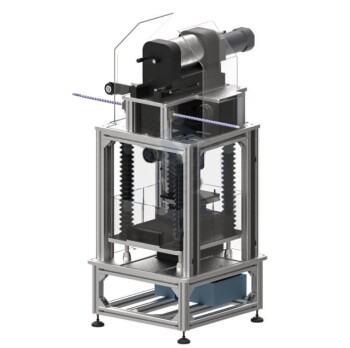
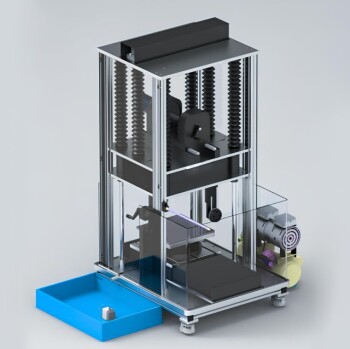
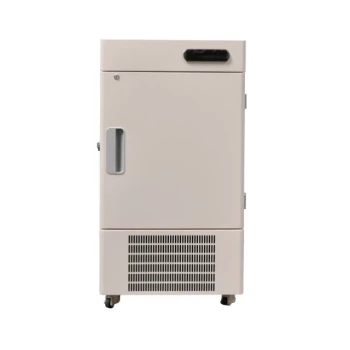
58L Precision Laboratory Ultra Low Temperature Upright Freezer for Critical Sample Storage
Item Number: KTFDV-58X
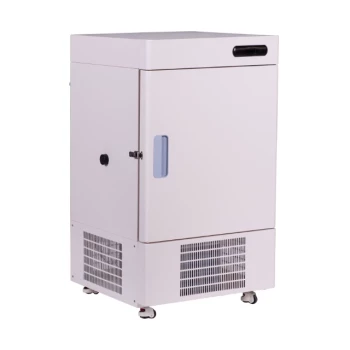
108L Vertical Ultra Low Temperature ULT Freezer
Item Number: KTFDV-108

508L Advanced Vertical Ultra Low Temperature Freezer for Critical Laboratory Storage
Item Number: KTFDV-508
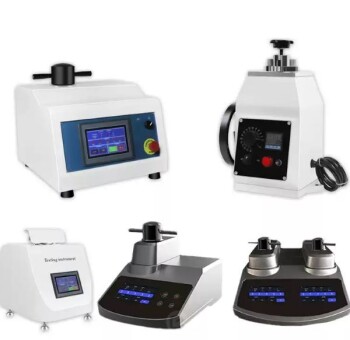
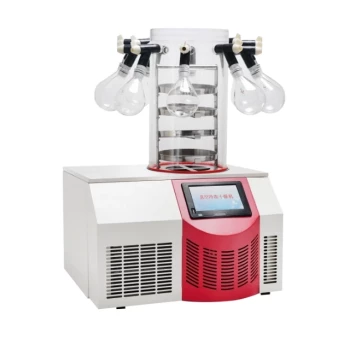
High Performance Laboratory Freeze Dryer
Item Number: KTFD-10P
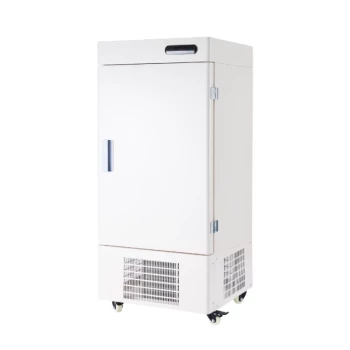
158L Precision Vertical Ultra Low Freezer for Laboratory Applications
Item Number: KTFDV-158
REQUEST A QUOTE
Our professional team will reply to you within one business day. Please feel free to contact us!
Related Articles
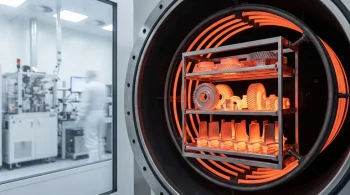
The Tyranny of the Atmosphere: How Vacuum Furnaces Achieve Material Perfection
Vacuum furnaces aren't just for heating; they create a controlled void to eliminate oxidation, ensuring unparalleled material purity and repeatability.
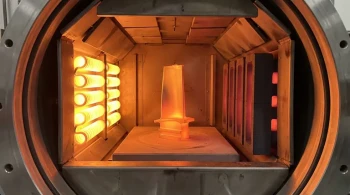
Beyond Temperature: The Critical Trade-offs in Vacuum Furnace Heating Elements
Choosing a vacuum furnace heating element involves balancing temperature, chemical purity, and cost. This guide explores the critical engineering trade-offs.
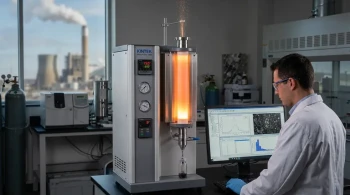
From Kilotons to Microns: The Crucial Role of the Drop Tube Furnace
Discover how drop tube furnaces provide particle-level data to model and optimize massive industrial reactors for combustion and gasification.
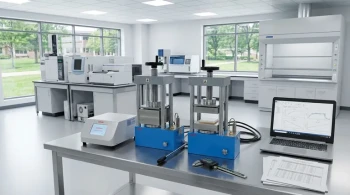
Force Without Fluid: Why Your Hydraulic Press Is a Hidden Bottleneck (And What to Do About It)
Tired of leaks, safety risks, and high energy bills from your hydraulic press? Uncover the core reason and discover modern alternatives for a safer, more efficient lab.
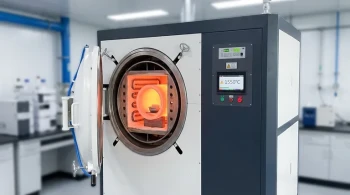
The Weakest Link: Why Your Furnace's True Max Temperature Isn't on the Spec Sheet
The practical max temperature of a vacuum furnace is set by its work tube, not the heating element. Understand the system's weakest link.
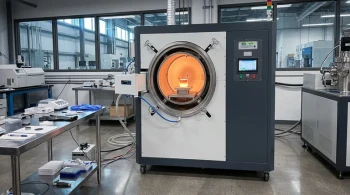
Beyond the Void: Mastering Pressure in High-Temperature Processes
Learn why pressure in a vacuum furnace isn't about emptiness, but precise environmental control to prevent contamination and ensure process success.
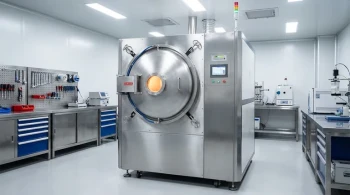
The Tyranny of the Atmosphere: Why Vacuum Furnaces Are About Control, Not Just Heat
Vacuum furnaces solve atmospheric contamination in heat treatment, ensuring material purity and superior mechanical properties for critical components.
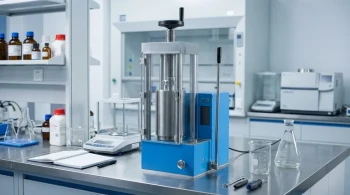
The Architecture of Pressure: How Cold Isostatic Pressing Builds Flawless Materials
Discover how Cold Isostatic Pressing (CIP) uses uniform pressure, not brute force, to create high-density material preforms with perfect consistency.
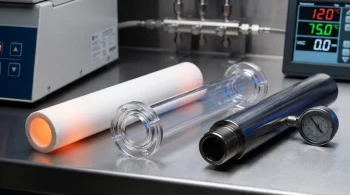
More Than a Vessel: The Physics and Psychology of Selecting a Furnace Tube
Choosing a furnace tube isn't a material spec; it's a strategic trade-off between temperature, purity, and pressure that defines your results.
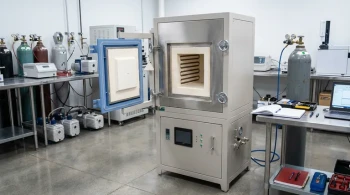
The Pursuit of Emptiness: A Systematic Guide to Vacuum Furnace Integrity
Learn to systematically test vacuum furnace leaks, from rate-of-rise confirmation to helium detection, ensuring process integrity and repeatability.
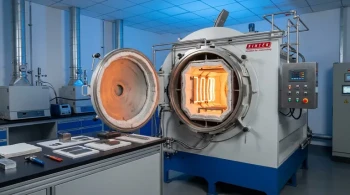
Designing for Emptiness: The Physics of Material Choice in Vacuum Furnaces
In a vacuum furnace, the greatest threat isn't heat but contamination from the furnace itself. Understanding material vapor pressure is key.
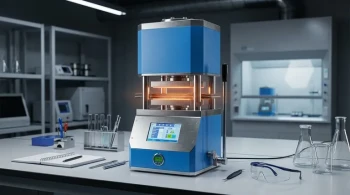
Precision Under Pressure: The Physics and Psychology of the Hydraulic Hot Press
Discover how the synergy of heat and pressure in a hydraulic hot press transforms materials, guided by the elegant physics of Pascal's Law.
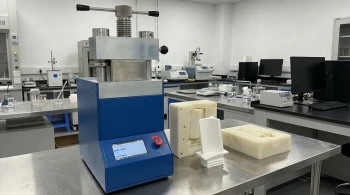
The Tyranny of Unidirectional Force: Why Perfect Parts Begin with Uniform Pressure
Explore how Cold Isostatic Pressing (CIP) leverages Pascal's Law to eliminate hidden flaws in parts, ensuring uniform density and superior results.
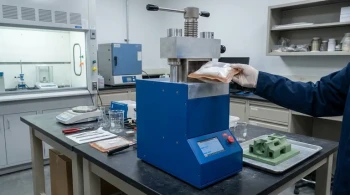
Beyond the Piston: How Isostatic Pressing Solves the Hidden Flaws in Material Science
Cold Isostatic Pressing (CIP) overcomes the hidden density flaws of traditional methods by applying uniform pressure, creating superior material integrity.
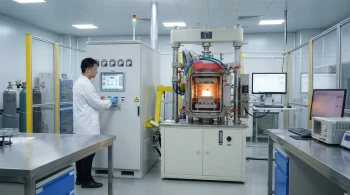
Forging Perfection in a Void: The Physics of Ultra-Dense Materials
Discover how vacuum hot pressing furnaces use heat, pressure, and a pure vacuum to forge ultra-dense, high-purity advanced materials.
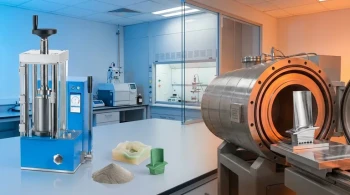
From Dust to Density: The Two Pressures That Shape Modern Materials
Explore the crucial difference between Cold Isostatic Pressing (CIP) for forming parts and Hot Isostatic Pressing (HIP) for perfecting them.
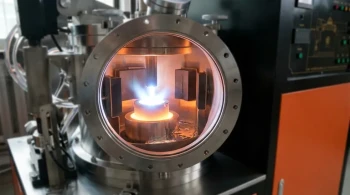
The Physics of Purity: Why Heating in a Vacuum Unlocks Material Potential
Discover how vacuum furnaces work by removing reactive gases, enabling pure, oxidation-free heat treatment via thermal radiation for advanced materials.
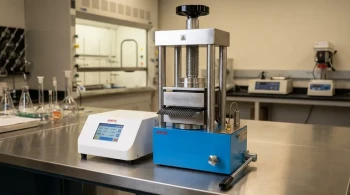
More Than a Squeeze: The Physics and Psychology of the Hydraulic Hot Press
An insight into the hydraulic hot press, where Pascal's Law meets thermodynamics to reshape materials. A story of force, heat, and control.
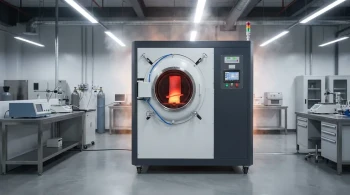
Beyond Heat: How Removing Air Redefines Material Perfection
Vacuum furnaces do more than heat materials; they purify them. By removing air, they prevent oxidation and enable superior material properties.
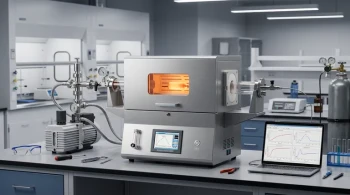
Beyond Heat: The Physics and Psychology of Purity in a Vacuum Tube Furnace
Explore the operational physics of vacuum tube furnaces, where creating a void is as crucial as applying heat for advanced material synthesis.