Toggle Categories
Get Instant Support
Choose your preferred way to connect with our team
Response Time
Within 8 hours on working days, 24 hours on holidays
Sample Preparation
KinTek sample preparation equipment includes sample crushing,milling, as while as while sieving equipment, hydraulic press equipment includes manual press, electric press, isostatic press, hot press and press filtering machine.

Isostatic Press
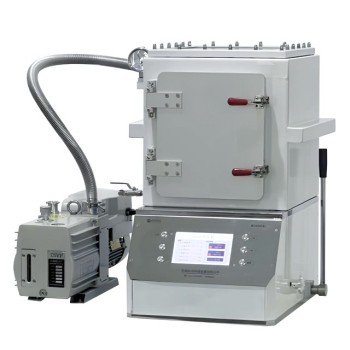
Vacuum Heated Lab Press

Automatic Heated Lab Press

Electric Lab Press

Customer-made Press

Manual Heated Lab Press

Manual Lab Press
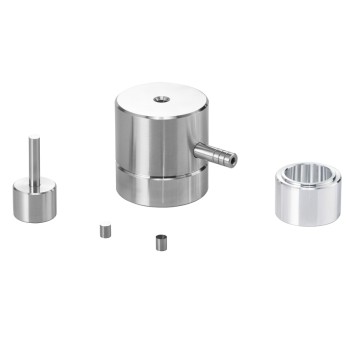
Molds & Accessories
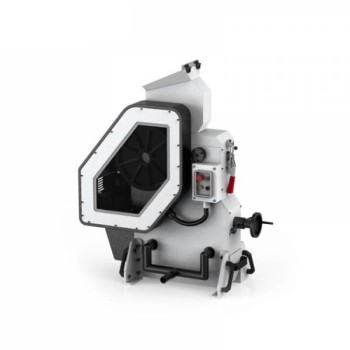
Crushing & Grinding Machine
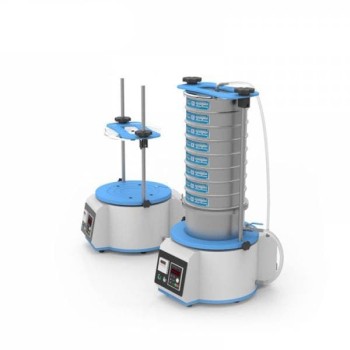
Sieving Machine

Milling Equipment
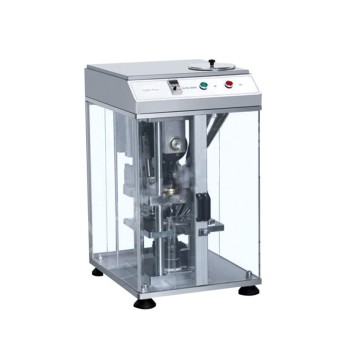
Tablet punching machine
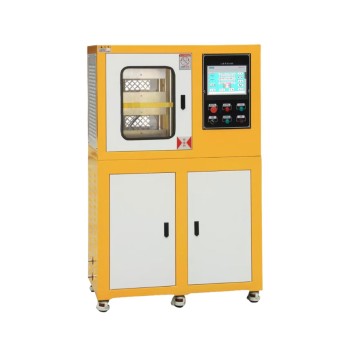
Rubber processing machine
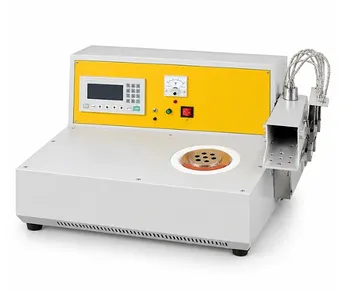
Coal Quality Analyzers

Assay Equipment Accessories & Consumables

Mounting Machine
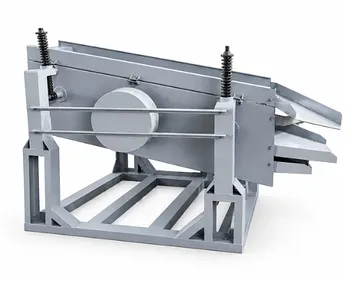
Coal, Coke & Ore Physical Testing
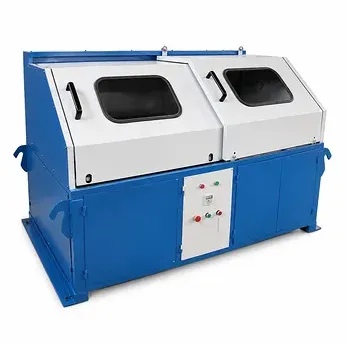
Rod Mill
Thermal Equipment
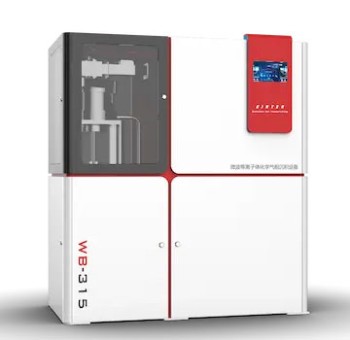
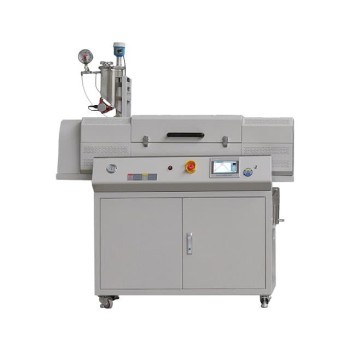
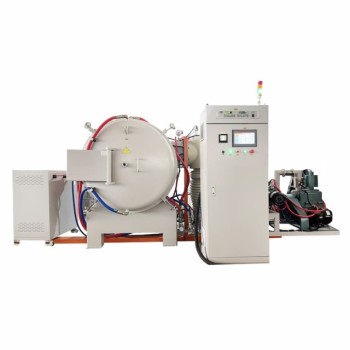
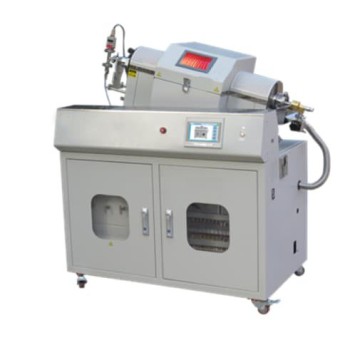
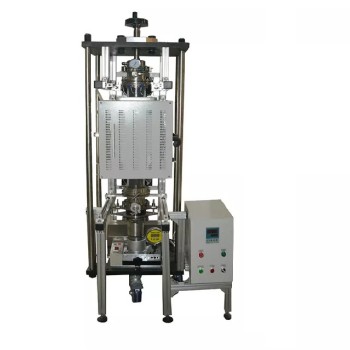
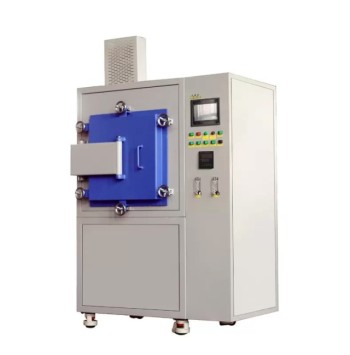
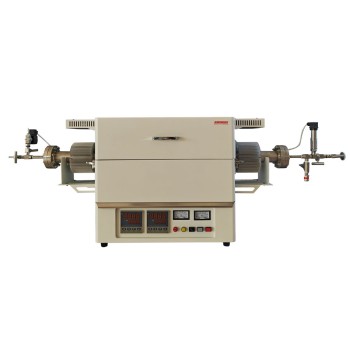
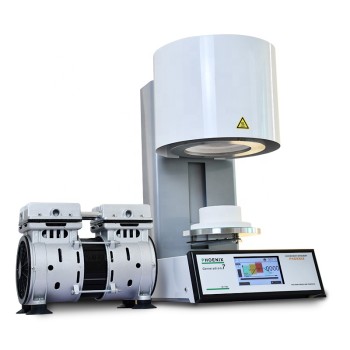
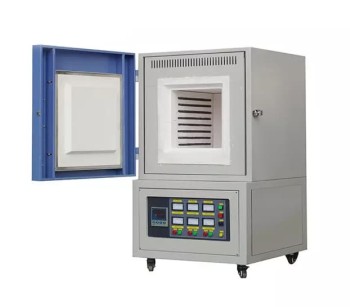
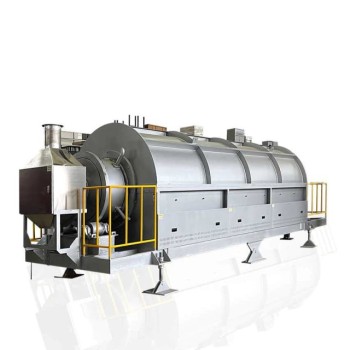
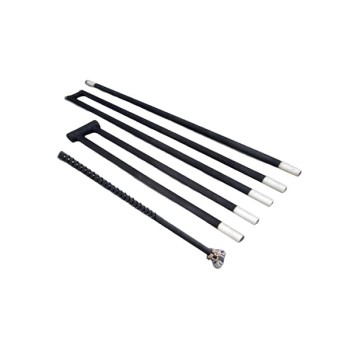
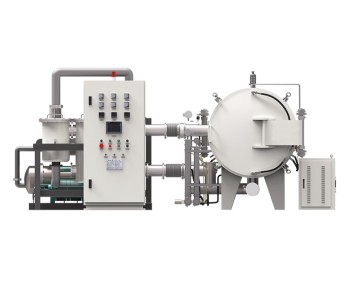
KinTek supplies a broad range of high-temperature furnaces, including lab, pilot production, and industrial production furnaces, with a temperature range of up to 3000 ℃. One of KinTek's advantages is the ability to create custom-made furnaces tailored to specific functions, such as different heating methods and speeds, extra high and dynamic vacuums, controlled atmospheres and gas circuits, automated mechanical structures, and software and hardware development.
Lab Consumables & Materials
KinTek offers a range of lab consumables and materials, including evaporation materials, targets, metals, electrochemistry parts, as well as powders, pellets, wires, strips, foils, plates, and more.



Bio-Chem Equipment
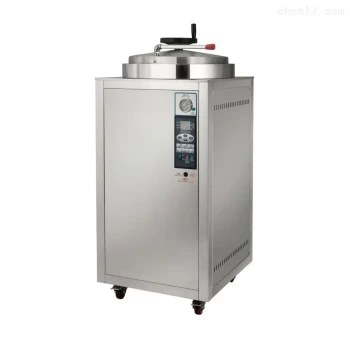
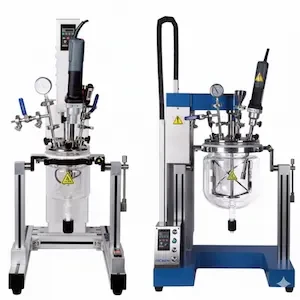
KinTek bio-chem equipment comprises rotary evaporators, glass and stainless steel reactors, distillation systems, circulating heaters and chillers, as well as vacuum equipment.



Products

Laboratory Manual Hydraulic Pellet Press for Lab Use
Item Number: PCMP

Laboratory Hydraulic Pellet Press for XRF KBR FTIR Lab Applications
Item Number: PCPE

Mini Planetary Ball Mill Machine for Laboratory Milling
Item Number: KT-P400

Laboratory Planetary Ball Mill Rotating Ball Milling Machine
Item Number: KT-P400E

Laboratory Horizontal Planetary Ball Mill Milling Machine
Item Number: KT-P400H

Lab Vibration Mill
Item Number: KT-VMS

Laboratory Test Sieves and Vibratory Sieve Shaker Machine
Item Number: KT-V400
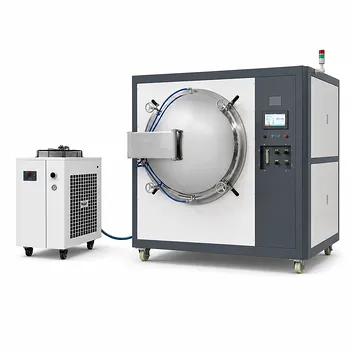
Vacuum Heat Treat Furnace with Ceramic Fiber Liner
Item Number: KT-VF
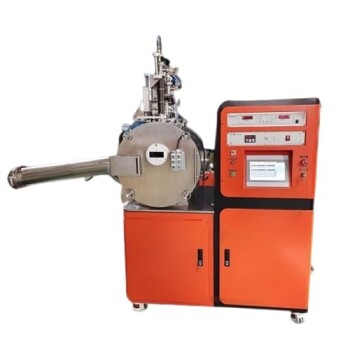
Vacuum Induction Melting Spinning System Arc Melting Furnace
Item Number: KT-VIS

Vacuum Arc Induction Melting Furnace
Item Number: KT-VA

Non Consumable Vacuum Arc Induction Melting Furnace
Item Number: KT-VAN

Laboratory Muffle Oven Furnace Bottom Lifting Muffle Furnace
Item Number: KT-BL

Laboratory Manual Hydraulic Pellet Press for Lab Use
Item Number: PCF

Dental Porcelain Zirconia Sintering Ceramic Vacuum Press Furnace
Item Number: KT-DP10

High-Energy Omnidirectional Planetary Ball Mill Machine for Laboratory
Item Number: KT-P2000E

High Energy Planetary Ball Mill Machine for Laboratory Horizontal Tank Type
Item Number: KT-P2000H

High Energy Planetary Ball Mill Milling Machine for Laboratory
Item Number: KT-P4000

High Energy Planetary Ball Mill for Laboratory Horizontal Tank Type Milling Machine
Item Number: KT-P4000H
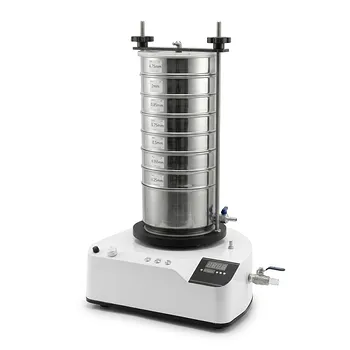
Laboratory Vibratory Sieve Shaker Machine for Dry and Wet Three-Dimensional Sieving
Item Number: KT-VD200
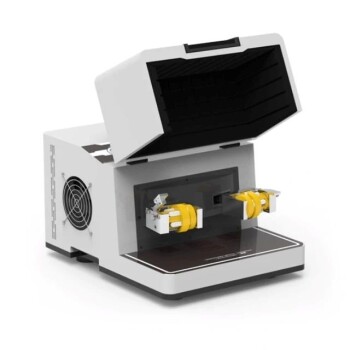
Laboratory Hybrid Tissue Grinding Mill
Item Number: KT-MT20

Laboratory High Throughput Tissue Grinding Mill Grinder
Item Number: KT-MT

High Energy Vibratory Laboratory Ball Mill Grinding Mill Single Tank Type
Item Number: KT-VB100

High Energy Vibratory Laboratory Ball Mill Double Tank Type
Item Number: KT-VB200
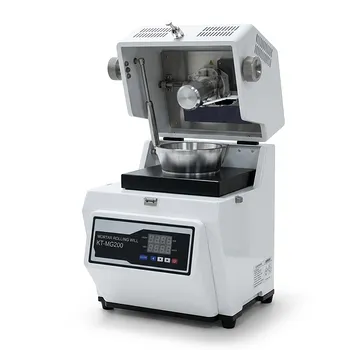
Laboratory Grinding Mill Mortar Grinder for Sample Preparation
Item Number: KT-MG200

Hybrid High Energy Vibratory Ball Mill for Lab Use
Item Number: KT-BM400

High Energy Vibratory Ball Mill for Lab Use
Item Number: KT-BM500

Manual button battery sealing machine
Item Number: PC2N

Manual button battery sealing machine (digital display)
Item Number: PC2NS

Laboratory manual slicer
Item Number: PT10

Electric button battery sealing machine
Item Number: PP2N
REQUEST A QUOTE
Our professional team will reply to you within one business day. Please feel free to contact us!
Related Articles

Scaling Your Lab's Production? Why a Giant Rotary Kiln Is Often the Wrong Answer.
Considering a rotary kiln for lab scale-up? Learn the hidden costs and operational burdens that make it the wrong tool for R&D and pilot production.
Why Your Rotary Kiln Results Are Inconsistent—And How to Fix It for Good
Struggling with unpredictable rotary kiln output? Discover why focusing on speed is the wrong approach and how mastering 'retention time' can unlock consistent quality.
Your Rotary Kiln Is Burning Your Budget. The Fix Is Simpler Than You Think.
Struggling with inconsistent rotary kiln results like clumping or incomplete reactions? Discover the root cause isn't just temperature, but RPM control. Learn how to fix it.

Your Rotary Kiln is Wasting Energy and Money. The Reason is Hiding in Plain Sight.
High fuel costs and inconsistent product from your rotary kiln? Discover the overlooked internal component that's the real key to thermal efficiency.
Why Your Rotary Kiln Keeps Failing—And Why a 'Quick Fix' Is the Most Expensive Solution
Frequent rotary kiln failures? Learn why common quick fixes lead to higher costs and discover the root cause: a mismatched refractory lining. A strategic approach can end the cycle.
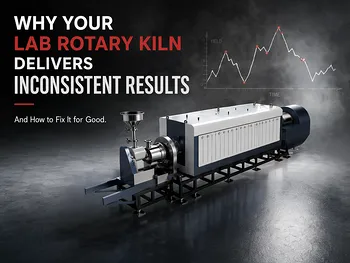
Why Your Lab Rotary Kiln Delivers Inconsistent Results—And How to Fix It for Good
Struggling with unreliable results from your lab rotary kiln? Discover the hidden systemic reason your fixes fail and how an integrated system ensures stable, repeatable results.
Why More Fuel Isn't Fixing Your Rotary Kiln—And What Will
Stop wasting money on fuel. Discover why your rotary kiln's real problem isn't heat generation, but inefficient heat transfer, and how to fix it.
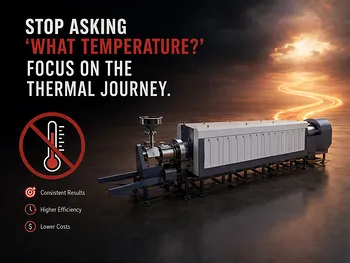
Stop Asking 'What Temperature?': The Real Key to Successful Rotary Kiln Processing
Frustrated with inconsistent kiln results? Discover why focusing on a single temperature is a mistake and how mastering the 'thermal journey' can save you time and money.
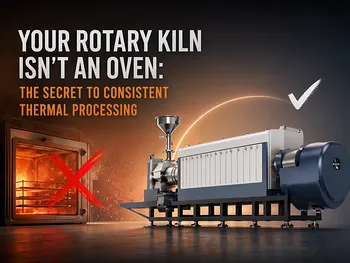
Your Rotary Kiln Isn't an Oven: The Secret to Consistent Thermal Processing
Stop getting inconsistent results. Learn why treating your rotary kiln like an oven is failing and how to master your thermal process for repeatable success.
Your Rotary Kiln Process is Failing. The Problem Isn't Temperature—It's Purity.
Frustrated by inconsistent rotary kiln results? Discover why the heating method, not just temperature, is the real key to process purity and success.
Your Rotary Kiln Is Inefficient. Here's the Counterintuitive Reason Why.
Struggling with high energy costs and low output from your rotary kiln? Discover the hidden inefficiency in your process and how to fix it for good.
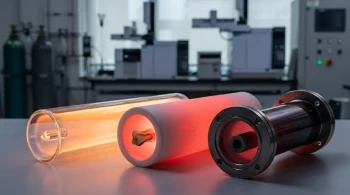
The Silent Partner: Why Your Furnace Tube Defines Your Experiment
Choosing a furnace tube isn't just about heat. It's a critical decision balancing physics, chemistry, and the risk of experimental failure.
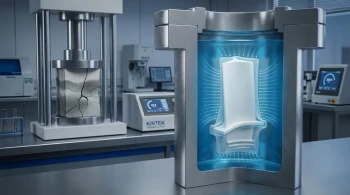
Beyond Brute Force: The Physics of Perfect Density in Cold Isostatic Pressing
Discover how Cold Isostatic Pressing leverages Pascal's Law to achieve uniform density in ceramics and metals, preventing defects in high-stress components.
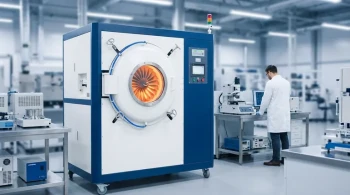
Beyond Heat: The Strategic Void in Advanced Material Processing
Learn how vacuum furnaces prevent oxidation and contamination by creating a controlled void, enabling the production of ultra-pure, high-performance materials.
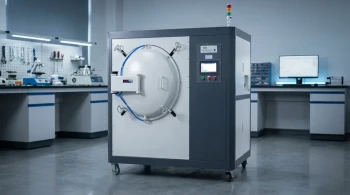
Engineering in a Void: The Physics and Psychology of the Vacuum Furnace
Vacuum furnaces create stronger, purer materials by removing air, preventing oxidation and outgassing impurities for superior metallurgical results.
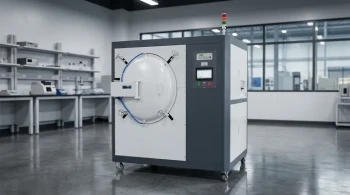
Beyond the Box: A Systems Approach to Vacuum Furnace Technology
A vacuum furnace is not a single tool, but five integrated systems. Understanding their interplay is key to achieving perfect material processing.
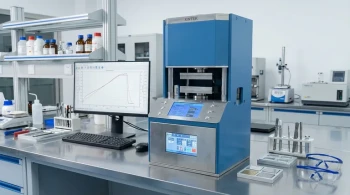
The Physics of Flawless Materials: Deconstructing the Hydraulic Hot Press
Discover how the synergy of Pascal's Law and thermal energy in a hydraulic hot press enables precise, repeatable material bonding and forming.
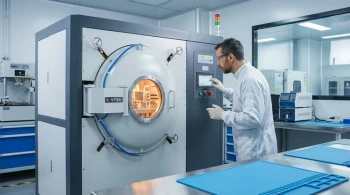
Beyond the Weld: The Physics and Psychology of Vacuum Furnace Brazing
Discover how vacuum furnace brazing transcends traditional joining, creating metallurgically pure, stress-free bonds for critical applications.

From Powder to Part: The Strategic Choice Between Wet-Bag and Dry-Bag CIP
A deep dive into wet-bag vs. dry-bag Cold Isostatic Pressing, framing the choice not as technical, but as a strategic manufacturing decision.
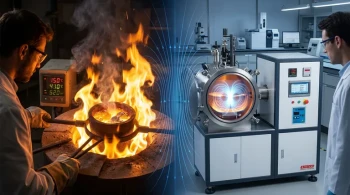
Why Your Metal Alloys Are Failing: The Hidden Flaw in How You Heat Them
Tired of inconsistent metal alloys and failed batches? Discover the root cause in your heating method and how induction furnaces offer a precise solution.