Toggle Categories
Get Instant Support
Choose your preferred way to connect with our team
Response Time
Within 8 hours on working days, 24 hours on holidays
Lab Consumables & Materials
KinTek offers a range of lab consumables and materials, including evaporation materials, targets, metals, electrochemistry parts, as well as powders, pellets, wires, strips, foils, plates, and more.


Lab Consumables & Materials
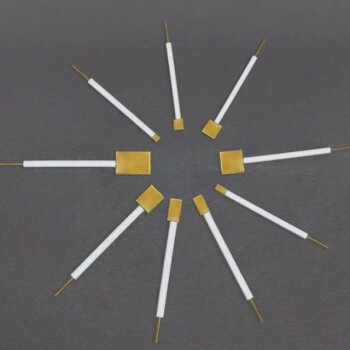
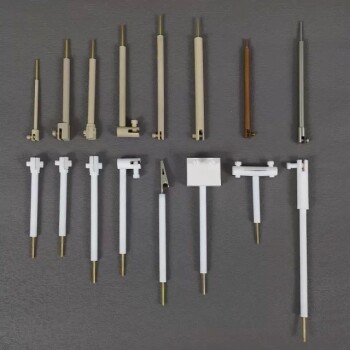
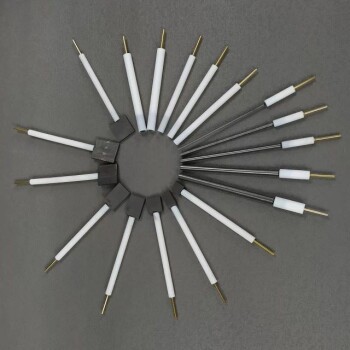


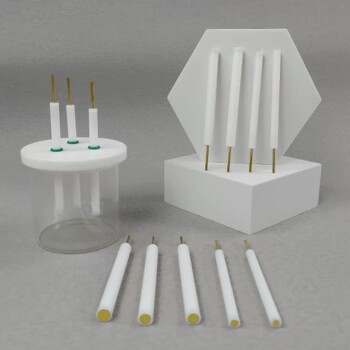
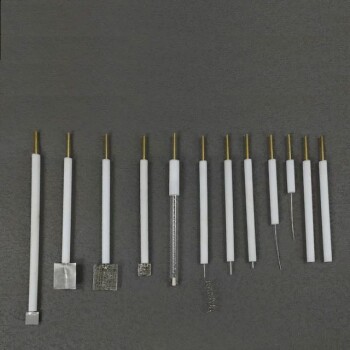
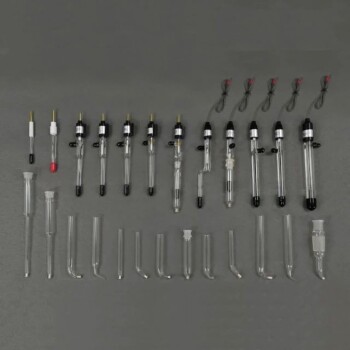
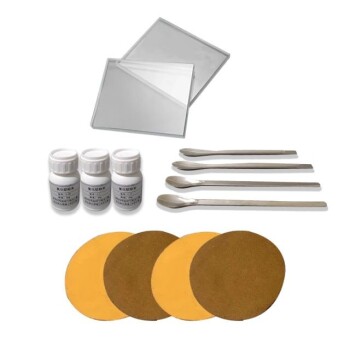
Reference Electrode Calomel Silver Chloride Mercury Sulfate for Laboratory Use
Item Number: ELERA
$19.90
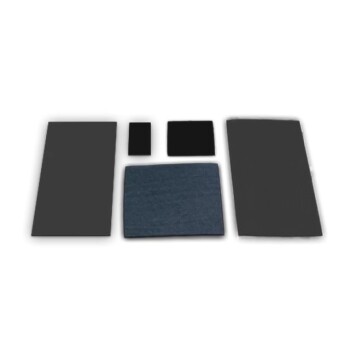
Conductive Carbon Cloth Carbon Paper Carbon Felt for Electrodes and Batteries
Item Number: ELCPF
$19.90
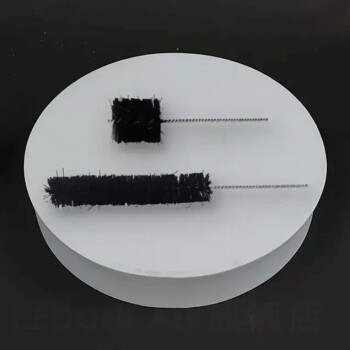
Conductive Carbon Fiber Brush for Static Removal and Cleaning
Item Number: ELBCF

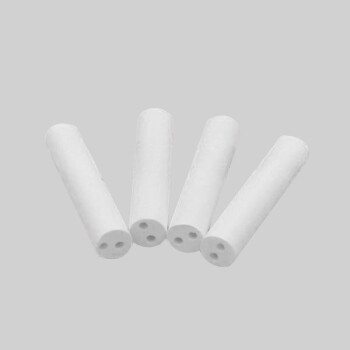
Hexagonal Boron Nitride HBN Thermocouple Protection Tube
Item Number: KM-D02
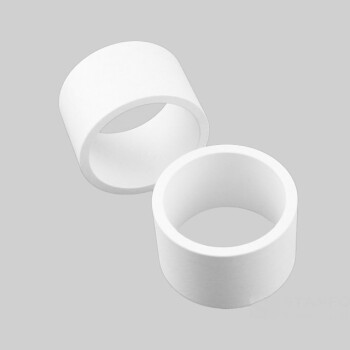
Boron Nitride (BN) Ceramic Tube
Item Number: KM-D5
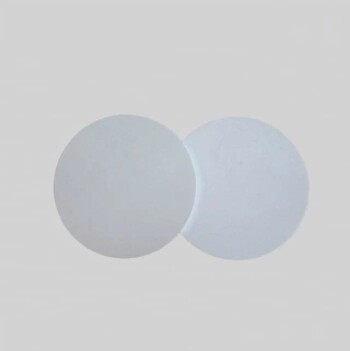
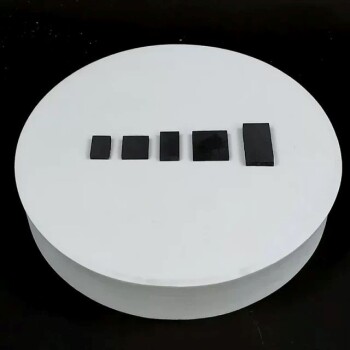
Boron Nitride (BN) Ceramic Plate
Item Number: KM-D7
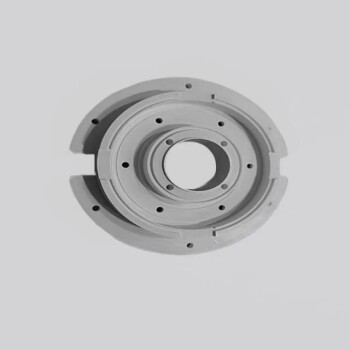
Custom Boron Nitride (BN) Ceramic Parts
Item Number: KM-D8
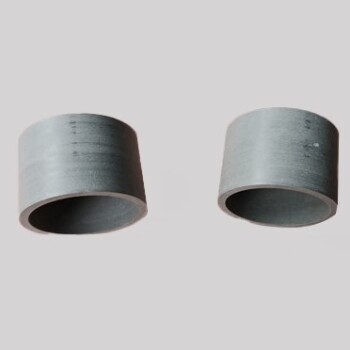
Conductive Boron Nitride BN Ceramics Composite for Advanced Applications
Item Number: KM-D9
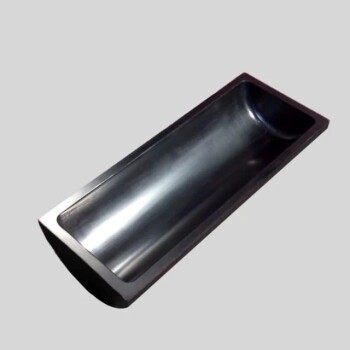
Carbon Graphite Boat -Laboratory Tube Furnace with Cover
Item Number: KM-D10
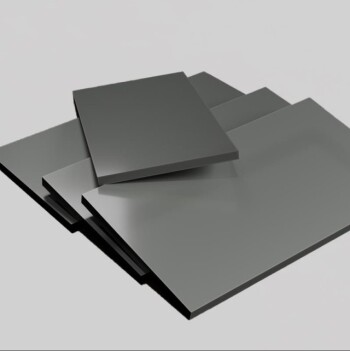
Carbon Graphite Plate Manufactured by Isostatic Pressing Method
Item Number: KM-D11
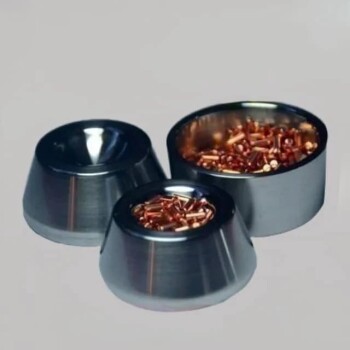
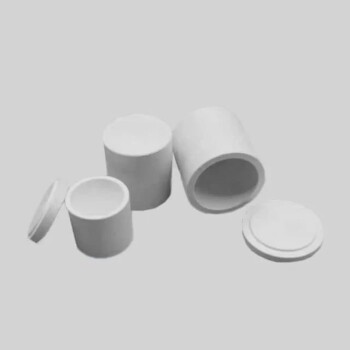
Evaporation Crucible for Organic Matter
Item Number: KME-YJG
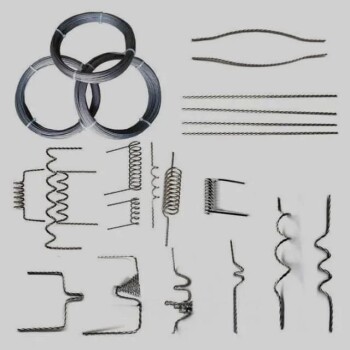
Thermally Evaporated Tungsten Wire for High Temperature Applications
Item Number: KME08
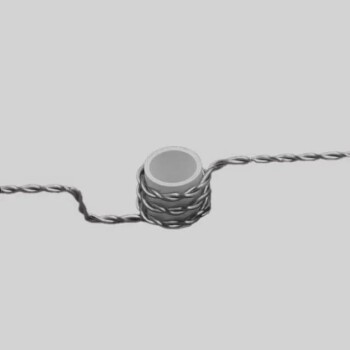
Ceramic Evaporation Boat Set Alumina Crucible for Laboratory Use
Item Number: KME09
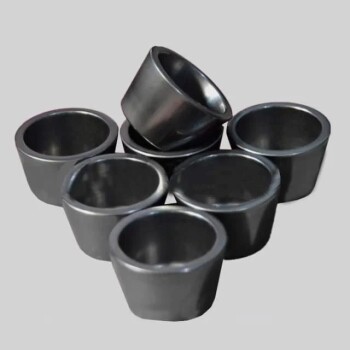
High Purity Pure Graphite Crucible for Electron Beam Evaporation
Item Number: KMS02
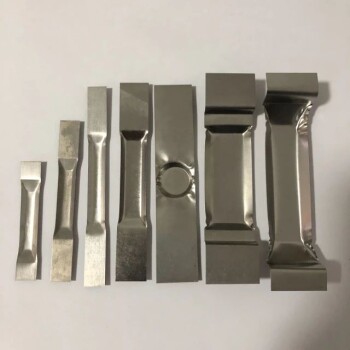
Tungsten Evaporation Boat for Thin Film Deposition
Item Number: LMF-TEB
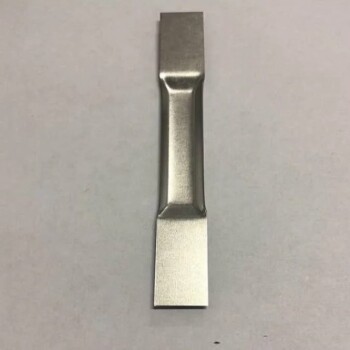
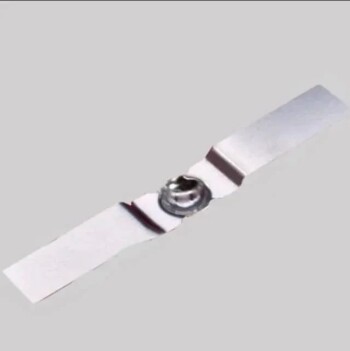
Hemispherical Bottom Tungsten Molybdenum Evaporation Boat
Item Number: KME-YD
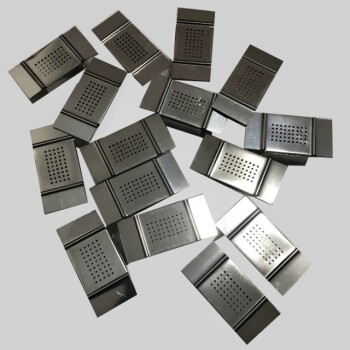
Folding Molybdenum Tantalum Boat With or Without Cover
Item Number: KME-ZDZ
REQUEST A QUOTE
Our professional team will reply to you within one business day. Please feel free to contact us!
Related Articles

The Integrity of the Void: A Systems Approach to Cleaning Tube Furnace Tubes
Cleaning a furnace tube is a diagnostic process, not a checklist. Master thermal, chemical, & mechanical methods to ensure experimental purity.
Shaping Potential vs. Forging Perfection: A Guide to Isostatic Pressing
Explore the critical difference between Cold Isostatic Pressing (CIP) for forming parts and Hot Isostatic Pressing (HIP) for perfecting them.
Beyond Brute Force: The Quiet Power of Cold Isostatic Pressing
Learn how Cold Isostatic Pressing overcomes the hidden defects of traditional methods by using uniform fluid pressure to ensure material reliability.
The Pursuit of Uniformity: How Isostatic Pressing Solves the Hidden Flaws of Compression
Discover how Cold Isostatic Pressing (CIP) uses uniform pressure to eliminate hidden material defects and create high-integrity components.
Beyond Brute Force: The Physics of Uniform Density in Cold Isostatic Pressing
Discover how Cold Isostatic Pressing (CIP) uses isostatic pressure to eliminate hidden voids and create components with superior uniform density.
The Price of Uniformity: A Strategic Guide to Cold Isostatic Press Costs
A Cold Isostatic Press's cost reflects its capabilities. Learn how pressure, size, and automation dictate its price to find the right investment.
Beyond the Press: Why Uniform Density Is the Bedrock of Advanced Materials
Discover how cold isostatic pressing (CIP) eliminates hidden density variations, a critical step for creating reliable, high-performance components.
Beyond the Spec Sheet: Mastering the Thermal Dynamics of Warm Isostatic Pressing
Discover why the 80-120°C range is crucial in Warm Isostatic Pressing and how material science, not machine specs, dictates process success.
Beyond Brute Force: How Isostatic Pressing Creates Flawless Materials
Explore isostatic pressing, a method using uniform pressure, not brute force, to eliminate microscopic flaws and achieve perfect material density.
The Tyranny of the Die Wall: How Isostatic Pressing Liberates Material Design
Cold Isostatic Pressing (CIP) overcomes die-wall friction to produce parts with superior density uniformity, enabling complex designs and performance.
Beyond the Furnace: Mastering Material Density with Cold Isostatic Pressing
Cold Isostatic Pressing (CIP) uses immense room-temperature pressure, not heat, to achieve uniform density in complex parts before sintering.
Beyond the Acid Wash: A Systems Approach to Alumina Tube Longevity
Discover why proactive care, not reactive cleaning, is key to your alumina tube furnace's life. It's about managing physics and psychology.
Beyond Brute Force: The Quiet Strength of Uniform Density
Discover why Cold Isostatic Pressing overcomes hidden material flaws by applying uniform pressure, a key for advanced ceramics and complex metals.
The Architecture of Isolation: Deconstructing the Super-Sealed Electrolytic Cell
Discover the engineering behind super-sealed electrolytic cells. We analyze the critical role of PTFE flanges and how total atmospheric isolation protects sensitive research.
The Silent Volatility: Mastering the Art and Safety of Electrolytic Cells
Electrolytic cell safety requires more than just PPE. It demands a systemic approach to managing invisible chemical, electrical, and physical hazards.
The Architecture of Certainty: Why Three Electrodes Are Better Than Two
Discover why the three-electrode system is the standard for electrochemical precision, separating current flow from voltage measurement for true analytical clarity.
The Silent Variable: Why Meticulous Cell Care Defines Electrochemical Truth
Discover why rigorous maintenance of super-sealed electrolytic cells is the secret to reproducible data. Expert tips on cleaning, storage, and electrode care.
The Geometry of Control: Why Millimeters Dictate Experimental Destiny
In electrochemistry, the difference between success and failure often lies in aperture size. Explore the engineering logic behind Φ 6.2mm and Φ 3.2mm standards.
The Glass Heart of the Experiment: Mastering the Electrolytic Cell
Master the art of handling electrolytic cells. Learn the critical balance between physical fragility, chemical safety, and operational precision.
The Invisible Variable: Why Cell Geometry Defines Electrochemical Success
Discover how selecting the right quartz electrolytic cell volume and geometry impacts experimental accuracy. From standard 30ml units to custom designs.